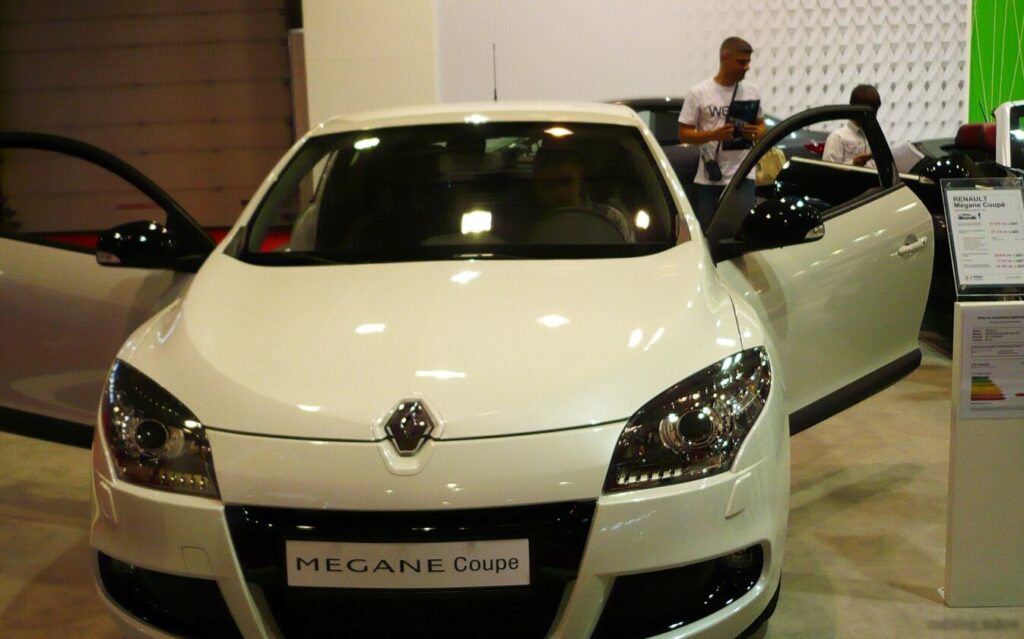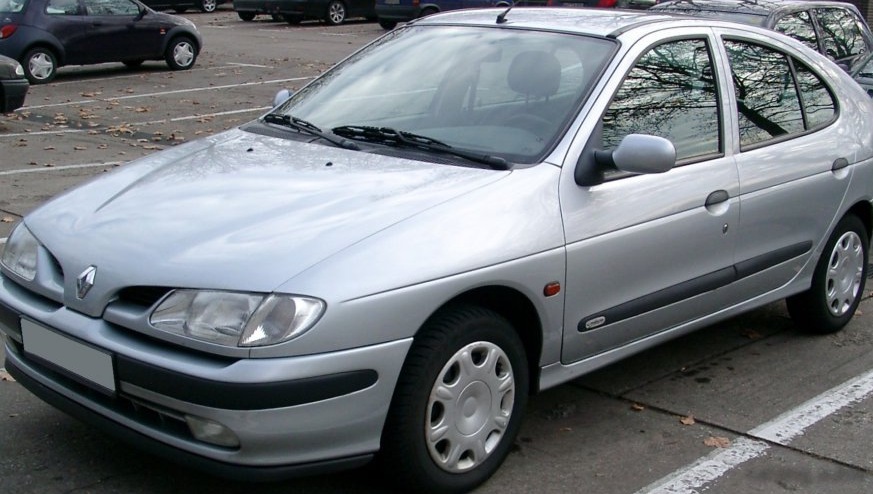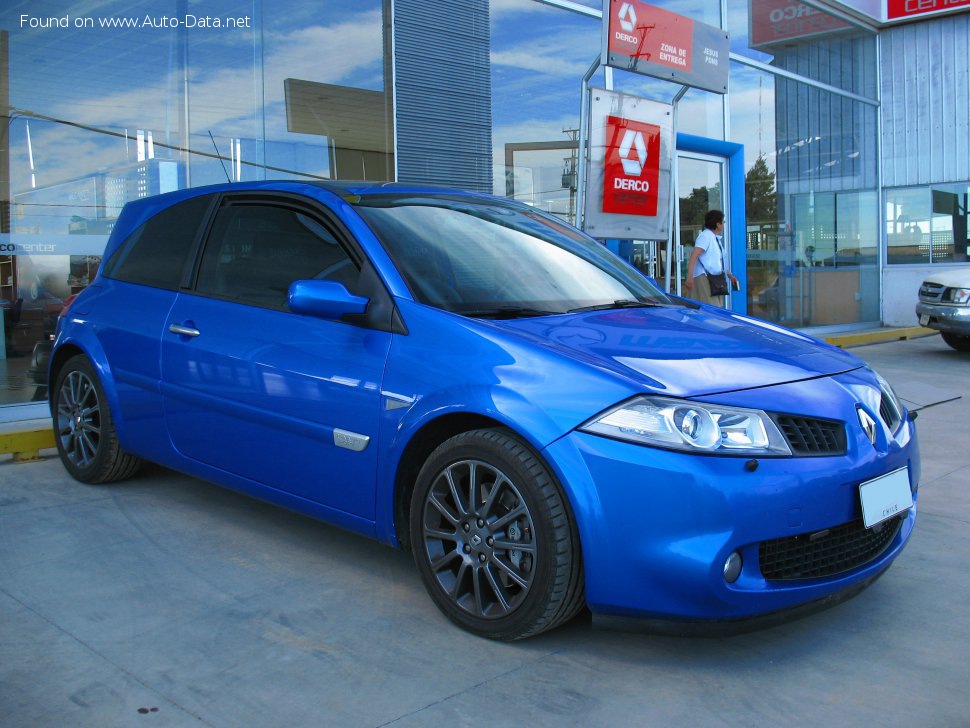
The Renault Megane II Coupe, specifically the Phase II model from 2006, equipped with the 1.5 dCi (103 Hp) FAP engine, represents a significant offering within the European C-segment during the mid-2000s. Launched as part of the second generation of the Megane family, this particular variant, produced from 2007 to 2008, showcased Renault’s commitment to stylish design, fuel efficiency, and compact sportiness. While the Megane line was never officially sold in the United States, it was a cornerstone of Renault’s sales success across Europe and other international markets, competing fiercely with established rivals like the Volkswagen Golf, Ford Focus, and Peugeot 307. The Megane II, known for its distinctive design language and innovative features, aimed to blend practicality with an engaging driving experience, a philosophy particularly evident in its 3-door coupe iteration. This generation marked a period of bold design for Renault, moving away from conventional aesthetics to carve out a unique identity in the highly competitive compact class.
Powertrain & Engine Architecture
At the heart of this particular Megane II Coupe lies the highly regarded K9K Turbo 1.5-liter dCi (direct common-rail injection) diesel engine. This inline four-cylinder unit, with a displacement of 1461 cm3 (89.16 cu. in.), was a testament to Renault’s expertise in diesel powertrain development. Generating a respectable 103 horsepower at 4000 rpm and a robust 177.01 lb.-ft. (240 Nm) of torque at a low 2000 rpm, the engine provided a strong balance of everyday usability and impressive fuel economy. The power-to-liter ratio stood at 70.5 Hp/l, indicating efficient power delivery for its size.
Equipped with a turbocharger and intercooler, the 1.5 dCi engine benefited from forced induction, enhancing both its power output and torque curve, making it responsive across a wide range of engine speeds. A single overhead camshaft (SOHC) valvetrain with two valves per cylinder helped simplify the engine’s design while maintaining efficiency. The inclusion of a Diesel Commonrail fuel injection system ensured precise fuel delivery, contributing to both performance and reduced emissions. Furthermore, this variant featured a Particulate Filter (FAP – Filtre à Particules), an advanced emission control technology designed to trap and remove soot from the exhaust gases, helping the vehicle meet the Euro 4 emission standard prevalent at the time.
Driving Characteristics
The Renault Megane II Coupe 1.5 dCi (103 Hp) offered a driving experience geared towards efficiency and everyday usability rather than outright performance. Compared to higher-output versions of the Megane II, such as those equipped with the 2.0L gasoline engine, the 1.5 dCi felt less eager to rev and offered a more relaxed pace. However, the readily available 177 lb-ft of torque at 2000 rpm provided ample power for overtaking and navigating city streets. The 6-speed manual transmission, standard on this model, allowed drivers to keep the engine within its optimal power band.
The gear ratios were tuned for fuel economy, with taller gearing in higher gears to reduce engine speed at cruising speeds. This contributed to the impressive fuel consumption figures but also meant that the engine could feel strained when climbing steep hills or carrying a full load. Compared to a gasoline-powered Megane II, the 1.5 dCi offered a more linear power delivery, lacking the peaky power characteristics of the petrol engines. While not a sports car, the 1.5 dCi provided a comfortable and refined driving experience, particularly on long journeys.
Equipment & Trim Levels
The Renault Megane II Coupe (Phase II, 2006) 1.5 dCi (103 Hp) FAP typically occupied a mid-range position within the Megane II lineup. Standard equipment generally included power steering (electric), air conditioning, a CD player with radio, and electric front windows. Safety features such as ABS and front airbags were also standard. Interior upholstery was typically cloth, with a dark color scheme. The dashboard featured a functional layout with easy-to-read instrumentation.
Optional extras available for this trim level included alloy wheels, rear parking sensors, a trip computer, and upgraded audio systems. Higher trim levels offered additional features such as automatic headlights and rain-sensing wipers. The “Expression” and “Dynamique” trim levels were common designations for this engine variant, with Dynamique typically offering more standard equipment and a slightly more premium interior finish. Renault also offered various option packages that allowed buyers to customize their Megane II Coupe to their specific needs and preferences.
Chassis & Braking
The Renault Megane II Coupe utilized a robust chassis designed to provide a balance of comfort and handling. The front suspension featured independent McPherson struts, while the rear suspension employed a torsion beam setup. This configuration offered a good compromise between ride quality and handling precision. The chassis was reinforced to provide adequate rigidity for the coupe body style.
Braking duties were handled by ventilated disc brakes at the front and solid disc brakes at the rear. The Anti-lock Braking System (ABS) was standard, enhancing braking performance and stability, particularly on slippery surfaces. The steering system was a power-assisted rack and pinion setup, providing precise and responsive steering feel. Stabilizer bars were fitted to both the front and rear axles to reduce body roll during cornering. The overall braking system was well-suited to the weight and performance characteristics of the 1.5 dCi engine variant.
Market Reception & Comparison
Critics generally viewed the Renault Megane II Coupe 1.5 dCi (103 Hp) FAP favorably, praising its fuel efficiency, comfortable ride, and distinctive styling. The engine was lauded for its strong torque output and low running costs. However, some critics noted that the engine lacked the refinement and performance of some of its rivals, particularly the Volkswagen Golf TDI. The Megane II’s interior was also sometimes criticized for its perceived lack of premium materials compared to some competitors.
In terms of fuel economy, the 1.5 dCi engine consistently outperformed its gasoline counterparts and offered comparable or better fuel economy than many other diesel engines in the C-segment. Reliability was generally considered to be average, with some reports of issues with the FAP system and the electronic throttle control. Compared to the higher-output 2.0L gasoline version, the 1.5 dCi offered significantly better fuel economy but less overall performance. The 1.5 dCi appealed to buyers who prioritized fuel efficiency and low running costs over outright performance, making it a popular choice for those who covered long distances or primarily used the car for commuting.
Technical Specifications
| Category | Specification |
| General Information | |
| Brand | Renault |
| Model | Megane |
| Generation | Megane II Coupe (Phase II, 2006) |
| Type (Engine) | 1.5 dCi (103 Hp) FAP |
| Start of production | 2007 year |
| End of production | 2008 year |
| Powertrain Architecture | Internal Combustion engine |
| Body type | Coupe |
| Seats | 5 |
| Doors | 3 |
| Performance Specs | |
| Fuel consumption (economy) – urban | 5.8 l/100 km |
| Fuel consumption (economy) – extra urban | 4.1 l/100 km |
| Fuel consumption (economy) – combined | 4.7 l/100 km |
| CO2 emissions | 124 g/km |
| Fuel Type | Diesel |
| Acceleration 0 – 62 mph (0-100 km/h) | 11.1 sec |
| Acceleration 0 – 60 mph (Calculated) | 10.5 sec |
| Maximum speed | 185 km/h |
| Emission standard | Euro 4 |
| Engine Specs | |
| Power | 103 Hp @ 4000 rpm. |
| Power per liter | 70.5 Hp/l |
| Torque | 240 Nm @ 2000 rpm. |
| Engine layout | Front, Transverse |
| Engine Model/Code | K9K Turbo |
| Engine displacement | 1461 cm3 |
| Number of cylinders | 4 |
| Engine configuration | Inline |
| Cylinder Bore | 76 mm |
| Piston Stroke | 80.5 mm |
| Compression ratio | 18.8:1 |
| Number of valves per cylinder | 2 |
| Fuel injection system | Diesel Commonrail |
| Engine aspiration | Turbocharger, Intercooler |
| Valvetrain | SOHC |
Legacy
The Renault Megane II Coupe 1.5 dCi (103 Hp) FAP has aged relatively well, and examples are still found on the used car market today. The K9K engine is known for its durability, although the FAP system can require maintenance or replacement as it ages. The car’s fuel efficiency remains a significant selling point, and its distinctive styling continues to appeal to some buyers. However, potential buyers should be aware of the potential for issues with the FAP system and the electronic throttle control. Overall, the Megane II Coupe 1.5 dCi represents a solid and economical choice for those seeking a stylish and fuel-efficient compact coupe.