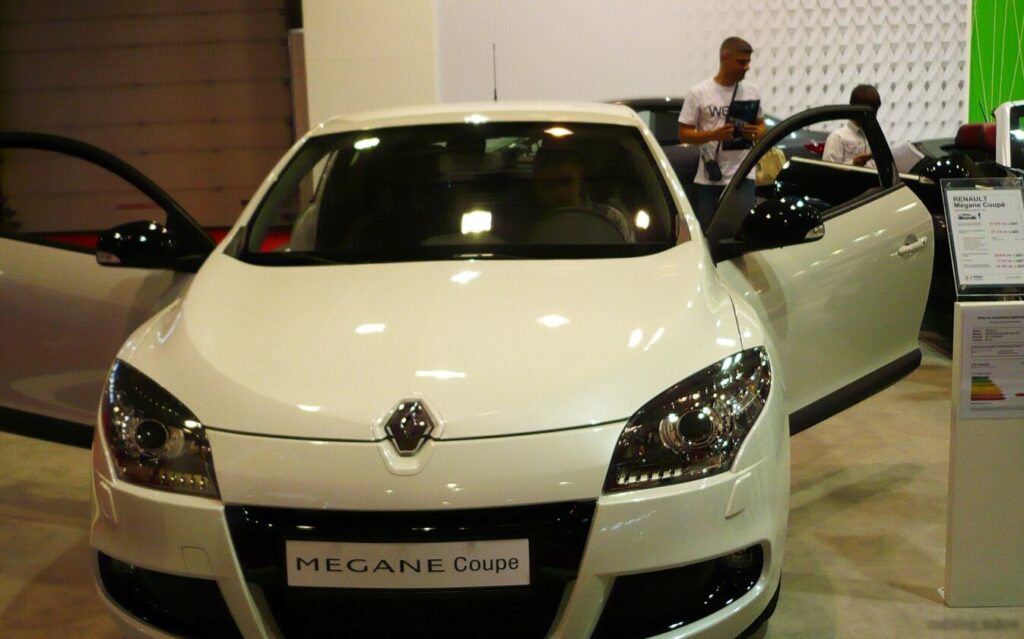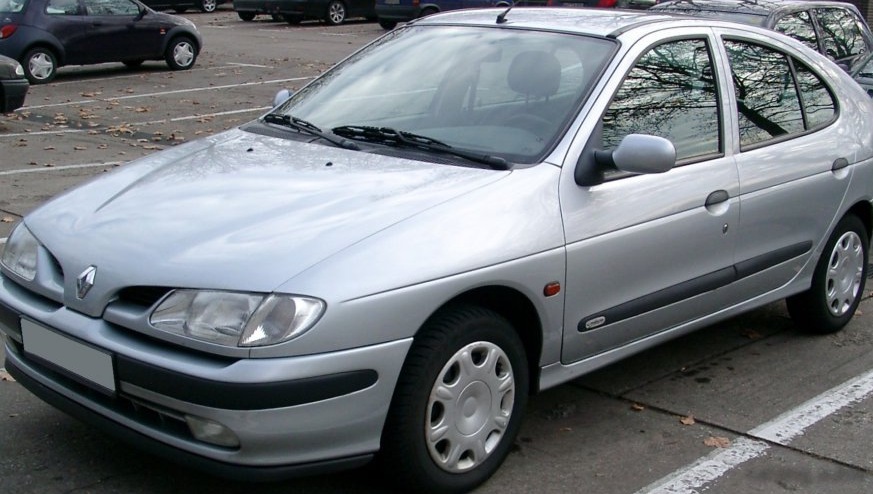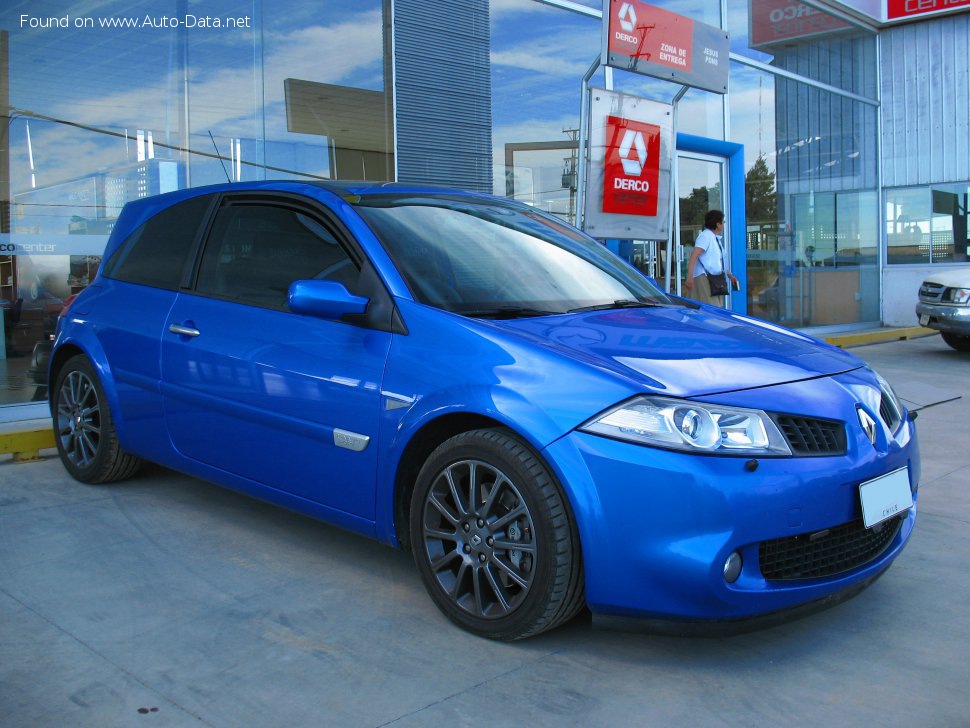
The Renault Megane II Coupe (Phase II, 2006) 1.5 dCi (86 Hp) represents a significant iteration within the highly competitive European C-segment, or compact car class. Introduced as part of the second-generation Megane lineup in 2002, this specific variant was produced from 2006 to 2008. It aimed to blend distinctive French styling with fuel efficiency and practicality, appealing to buyers seeking a sporty aesthetic without compromising everyday usability. While never officially sold in the United States, the Megane II Coupe played a vital role in Renault’s European portfolio, competing against established rivals like the Volkswagen Golf and Ford Focus. This model specifically targeted buyers prioritizing economy and lower running costs, positioning it as an entry-to-mid-range offering within the broader Megane II range.
Powertrain & Engine Architecture
The Renault Megane II Coupe (Phase II, 2006) 1.5 dCi (86 Hp) is powered by Renault’s K9K Turbo diesel engine, a 1.5-liter (1461 cm³ or 89.16 cu. in.) inline-four cylinder powerplant. This engine was a mainstay in Renault’s smaller vehicle lineup, known for its reliability and fuel efficiency. In this configuration, it produces 86 horsepower at 3750 rpm and 147.51 lb.-ft. (200 Nm) of torque at 1900 rpm. The engine utilizes a diesel common rail fuel injection system, a turbocharger, and an intercooler to optimize power output and minimize emissions. The K9K engine is known for its robust construction and relatively simple design, contributing to its longevity.
The powertrain layout is front-engine, front-wheel drive, coupled with a 5-speed manual transmission. This configuration was common for compact cars of the era, balancing cost, packaging, and driver engagement. The engine is transversely mounted, maximizing interior space. The fuel injection system is a key component, delivering precise fuel metering for efficient combustion. The valvetrain consists of two valves per cylinder, a configuration that prioritizes low-end torque and reliability over high-revving performance. The turbocharger provides a boost in power, particularly at lower engine speeds, enhancing responsiveness and driveability.
Driving Characteristics
The 1.5 dCi (86 Hp) engine delivers a driving experience focused on efficiency and relaxed cruising rather than outright performance. Acceleration from 0 to 60 mph takes approximately 12.1 seconds, and 0 to 62 mph (100 km/h) takes 12.7 seconds, with a top speed of 108.12 mph (174 km/h). While these figures are modest, the engine’s strong low-end torque (147.51 lb.-ft. at 1900 rpm) provides ample power for everyday driving situations, including overtaking and navigating urban traffic. The 5-speed manual transmission is well-matched to the engine’s characteristics, offering smooth gear changes and allowing the driver to keep the engine within its optimal torque band.
Compared to higher-output versions of the Megane II, such as those equipped with gasoline engines or more powerful diesel variants, the 1.5 dCi feels less responsive at higher speeds. However, it excels in fuel economy, achieving a combined fuel consumption of 52.3 US mpg (4.5 l/100 km). This makes it an ideal choice for drivers who prioritize running costs and long-distance comfort. The gear ratios are optimized for fuel efficiency, with taller gearing in higher gears to reduce engine speed at cruising speeds. The overall driving experience is characterized by its smoothness, quietness, and ease of use.
Equipment & Trim Levels
The Renault Megane II Coupe (Phase II, 2006) 1.5 dCi (86 Hp) typically came equipped with a standard set of features designed to provide comfort and convenience. These included power steering, central locking, electric front windows, and an audio system with CD player. Safety features such as ABS (Anti-lock Braking System) and driver and passenger airbags were also standard. Interior upholstery was typically cloth, with a functional and durable design. The dashboard layout was straightforward and user-friendly, with clearly labeled controls.
Optional extras available for this trim level included air conditioning, alloy wheels, rear electric windows, and a trip computer. Higher trim levels offered additional features such as automatic headlights and rain-sensing wipers. The interior trim could be upgraded with different cloth or leather upholstery options. The overall focus was on providing a well-equipped and comfortable vehicle at an affordable price point. The Phase II update brought minor cosmetic changes to the interior, including revised dashboard trim and updated seat fabrics.
Chassis & Braking
The Megane II Coupe’s chassis features an independent McPherson strut suspension at the front, providing good handling and ride comfort. The rear suspension utilizes a torsion beam setup, a cost-effective solution that balances space efficiency with predictable handling characteristics. This configuration was typical for front-wheel-drive cars in this segment. The steering system is an electric power-assisted rack and pinion, offering light steering effort for urban driving and a degree of feel at higher speeds.
Braking is handled by ventilated discs at the front and solid discs at the rear, complemented by the ABS system. The braking system provides adequate stopping power for everyday driving conditions. The standard tire size is 195/65 R15, mounted on 6J x 15-inch wheel rims. The car’s kerb weight of 2590.43 lbs. (1175 kg) contributes to its nimble handling and enhances fuel economy. Stabilizer bars are fitted to both the front and rear axles to reduce body roll during cornering. The suspension tuning is geared towards comfort, providing a smooth and compliant ride over a variety of road surfaces.
Market Reception & Comparison
The Renault Megane II Coupe (Phase II, 2006) 1.5 dCi (86 Hp) received generally positive reviews from European automotive critics. It was praised for its fuel efficiency, comfortable ride, and distinctive styling. However, some critics noted that the engine lacked outright performance compared to higher-output alternatives. Its fuel economy of 52.3 US mpg (4.5 l/100 km) was a significant selling point, particularly in countries with high fuel prices.
Compared to other trims in the Megane II lineup, the 1.5 dCi offered the best fuel economy but the lowest performance. The gasoline-powered versions provided more spirited acceleration but at the cost of increased fuel consumption. The higher-output diesel variants offered a compromise between performance and economy. In terms of reliability, the K9K engine proved to be generally robust, although some owners reported issues with the turbocharger and fuel injection system. Overall, the 1.5 dCi variant represented a practical and economical choice for buyers seeking a stylish and comfortable compact coupe.
Technical Specifications
| Category | Specification |
| Brand | Renault |
| Model | Megane |
| Generation | Megane II Coupe (Phase II, 2006) |
| Type (Engine) | 1.5 dCi (86 Hp) |
| Production Years | 2006 – 2008 |
| Body Type | Coupe, 3 Doors, 5 Seats |
| Powertrain Architecture | Internal Combustion engine, Front-wheel drive |
| Fuel Consumption (Urban) | 42.8 US mpg (5.5 l/100 km) |
| Fuel Consumption (Extra Urban) | 58.8 US mpg (4.0 l/100 km) |
| Fuel Consumption (Combined) | 52.3 US mpg (4.5 l/100 km) |
| CO2 Emissions | 120 g/km |
| Fuel Type | Diesel |
| Acceleration 0-60 mph | 12.1 sec (Calculated) |
| Acceleration 0-62 mph (0-100 km/h) | 12.7 sec |
| Maximum Speed | 108.12 mph (174 km/h) |
| Emission Standard | Euro 4 |
| Weight-to-Power Ratio | 13.7 kg/Hp (73.2 Hp/tonne) |
| Weight-to-Torque Ratio | 5.9 kg/Nm (170.2 Nm/tonne) |
| Power | 86 Hp @ 3750 rpm |
| Torque | 147.51 lb.-ft. (200 Nm) @ 1900 rpm |
| Engine Displacement | 1.5 liters (1461 cm³ / 89.16 cu. in.) |
| Number of Cylinders | 4, Inline |
| Bore x Stroke | 2.99 in. (76 mm) x 3.17 in. (80.5 mm) |
| Kerb Weight | 2590.43 lbs. (1175 kg) |
Legacy
The Renault Megane II Coupe 1.5 dCi (86 Hp) has established a reputation for reliability, particularly the K9K engine itself, though routine maintenance is crucial. Common issues reported by owners include turbocharger wear and potential problems with the fuel injection system. However, these are not widespread failures and can often be prevented with regular servicing. In the used car market, these models are generally affordable and represent a good value proposition for buyers seeking an economical and practical coupe.
The K9K engine continues to be used in various Renault and Nissan models, demonstrating its enduring design and adaptability. The Megane II Coupe, as a whole, is remembered for its bold styling and its contribution to Renault’s brand image. While it may not be a collector’s item, it remains a popular choice for budget-conscious buyers looking for a reliable and fuel-efficient vehicle. Its legacy lies in its ability to deliver a compelling blend of style, economy, and practicality, making it a significant player in the European compact car market during its time.