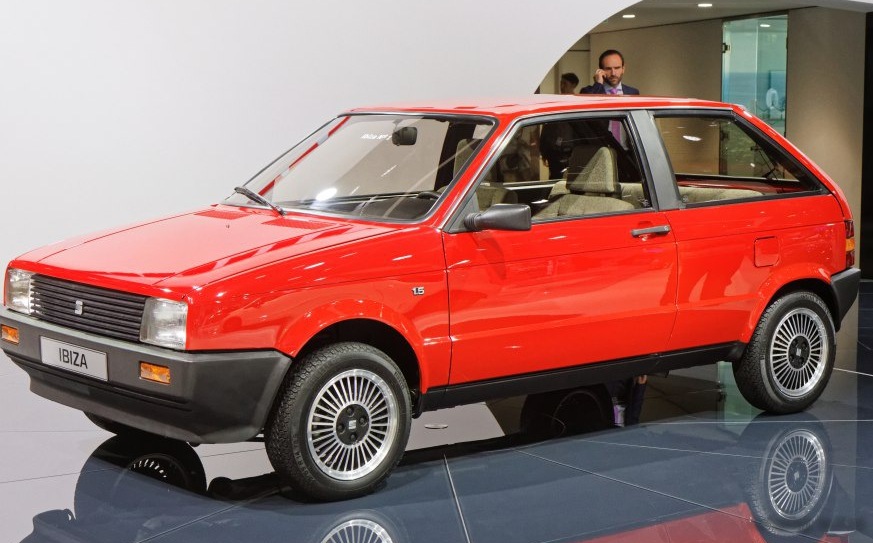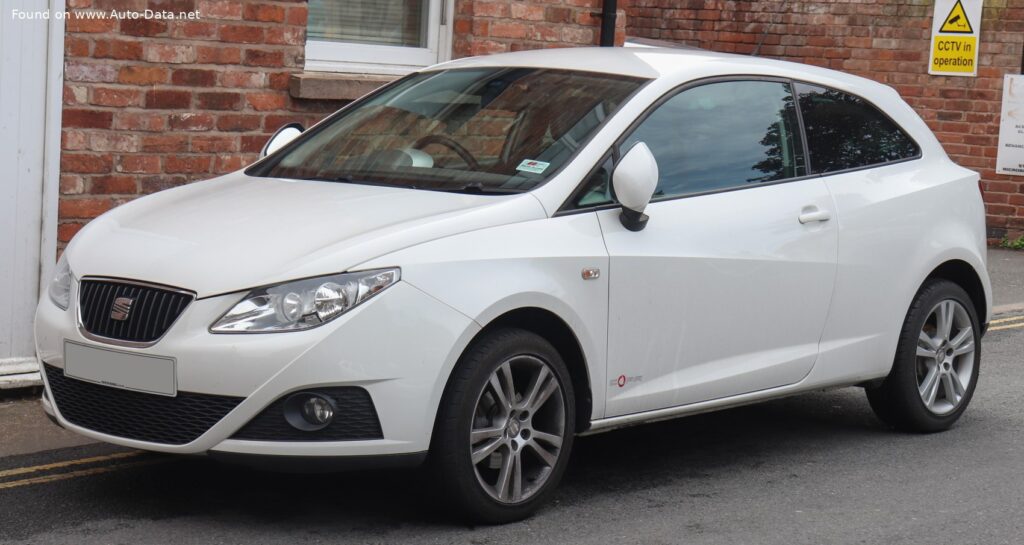
The Seat Ibiza IV SC 1.4 TDI (80 Hp) DPF represents a notable variant within the fourth generation of the Seat Ibiza, a popular subcompact car manufactured by the Spanish automaker Seat, a subsidiary of the Volkswagen Group. Introduced in 2008, this “SC” (SportCoupé) model aimed for a more dynamic and youthful presence in the European B-segment market, where the Ibiza had consistently performed well. Never officially sold in the United States, the Ibiza IV SC found success in Europe and select international markets by blending Volkswagen Group engineering with Seat’s signature sporty design. This specific model, produced between 2008 and 2010, prioritized fuel efficiency and reduced emissions thanks to its 1.4-liter turbocharged diesel engine equipped with a Diesel Particulate Filter (DPF), making it an attractive option for European drivers facing increasing fuel costs and stricter environmental regulations.
Powertrain & Engine Architecture
The Seat Ibiza IV SC 1.4 TDI (80 Hp) DPF is powered by a compact 1.4-liter (1422 cm³ or 86.78 cubic inches) inline three-cylinder diesel engine. Internally designated as the BMS engine code, this powertrain was engineered for efficiency and strong low-end torque, qualities highly valued by European consumers. The engine utilizes a sophisticated common-rail direct fuel injection system, delivering fuel directly into the combustion chamber at extremely high pressure for optimized combustion. A turbocharger with an intercooler further enhances performance, providing a responsive power delivery despite the engine’s relatively small displacement. The engine produces 80 horsepower at 4000 rpm, resulting in a power-per-liter output of 56.3 hp/liter. More importantly for everyday driving, it generates 195 Nm (143.82 lb-ft) of torque at a low 2200 rpm, providing ample power for city driving and confident highway cruising.
Power is transferred to the front wheels via a 5-speed automatic transmission. While a manual gearbox was more prevalent in this segment and with this power output, the automatic option offered convenience, particularly for urban commuters. The transmission is a conventional hydraulic automatic, known for its relatively smooth operation and durability. The automatic transmission’s gear ratios are tuned for fuel efficiency and drivability, prioritizing smooth acceleration and comfortable cruising over outright performance. First gear is relatively short for quick take-offs, while higher gears are spaced to maintain low engine speeds at highway speeds, maximizing fuel economy.
Valvetrain and Fuel Injection
The BMS engine employs an Overhead Camshaft (OHC) valvetrain with two valves per cylinder (two intake and one exhaust). This configuration strikes a balance between simplicity, reliability, and adequate airflow for efficient combustion. The common-rail fuel injection system, supplied by Bosch, is a key component of the engine’s efficiency and performance. This system utilizes a high-pressure fuel pump to deliver fuel to the injectors at pressures up to 1600 bar (approximately 23,200 psi). Precise control of fuel injection timing and quantity allows for optimized combustion, reducing emissions and maximizing fuel economy. The DPF, a crucial element in meeting Euro 4 emission standards, captures soot particles from the exhaust gases, periodically burning them off in a regeneration process.
Driving Characteristics
The Seat Ibiza IV SC 1.4 TDI (80 Hp) Automatic delivers a driving experience focused on practicality and fuel efficiency rather than outright performance. Acceleration from 0 to 60 mph takes approximately 12.3 seconds, and the top speed is around 105.63 mph (170 km/h). Compared to the manual transmission version of the same engine, the automatic results in a slight performance decrease due to transmission losses. Compared to higher-output Ibiza variants, such as those equipped with the 1.6-liter gasoline engine or the 1.9 TDI diesel, the 1.4 TDI Automatic feels noticeably less powerful. However, the readily available torque at low engine speeds makes it feel responsive in everyday driving situations. The automatic transmission provides smooth gear changes, but it can sometimes feel hesitant during quick acceleration or when attempting to overtake. The steering is light and precise, making it easy to maneuver in urban environments. The suspension provides a comfortable ride, absorbing bumps and imperfections in the road surface effectively.
Equipment & Trim Levels
The Ibiza IV SC 1.4 TDI (80 Hp) DPF typically came equipped as a mid-range trim level, offering a balance of features and affordability. Standard equipment generally included air conditioning, power windows, central locking, an audio system with CD player, and ABS brakes. Safety features included driver and passenger airbags. Interior upholstery was typically cloth, with a relatively simple and functional dashboard layout. Optional extras included alloy wheels, a sunroof, parking sensors, and upgraded audio systems. Higher trim levels, such as the “Sport” or “FR” variants, added features like sport seats, a leather-wrapped steering wheel, and more aggressive styling cues. The SC body style itself was considered a step up in terms of visual appeal compared to the standard five-door hatchback, appealing to buyers seeking a more sporty aesthetic.
Chassis & Braking
The Ibiza IV SC 1.4 TDI (80 Hp) DPF utilizes a front-wheel-drive chassis with an independent McPherson strut suspension system at the front, incorporating coil springs and an anti-roll bar for improved handling. The rear suspension employs a torsion beam setup, which is a cost-effective and space-efficient solution that provides adequate ride comfort. Braking duties are handled by ventilated disc brakes on all four wheels – a relatively uncommon feature for a subcompact car of this era, as many competitors used rear drum brakes. The hydraulic power steering system provides responsive and precise steering feel. Tire sizes typically ranged from 175/70 R14 to 215/40 R17, depending on the trim level and optional equipment.
Market Reception & Comparison
Critics generally praised the Seat Ibiza IV SC 1.4 TDI (80 Hp) DPF for its fuel efficiency, comfortable ride, and stylish design. However, some reviewers noted that the engine lacked outright power, particularly when compared to higher-output alternatives. The automatic transmission was also criticized for being somewhat sluggish at times. Compared to other trims in the Ibiza lineup, the 1.4 TDI Automatic offered a compelling balance of economy and convenience. The 1.6-liter gasoline engine provided more power but at the expense of fuel economy, while the 1.9 TDI diesel offered more torque but was typically available only with a manual transmission. The Ibiza IV SC competed directly with the Volkswagen Polo, Ford Fiesta, Renault Clio, and Peugeot 207. The Ibiza often stood out due to its more distinctive styling and slightly more affordable price point.
Technical Specifications
| Category | Specification |
| General Information | |
| Brand | Seat |
| Model | Ibiza |
| Generation | Ibiza IV SC |
| Type (Engine) | 1.4 TDI (80 Hp) DPF |
| Start of Production | 2008 |
| End of Production | 2010 |
| Powertrain Architecture | Internal Combustion engine |
| Body Type | Coupe (3 Doors) |
| Seats | 5 |
| Doors | 3 |
| Performance Specifications | |
| Fuel Consumption (Urban) | 5.6 l/100 km (42 US mpg) |
| Fuel Consumption (Extra Urban) | 3.6 l/100 km (65.3 US mpg) |
| Fuel Consumption (Combined) | 4.3 l/100 km (54.7 US mpg) |
| Fuel Type | Diesel |
| Acceleration 0 – 60 mph | 12.3 sec |
| Acceleration 0 – 100 km/h | 12.9 sec |
| Maximum Speed | 170 km/h (105.63 mph) |
| Emission Standard | Euro 4 |
| Weight-to-Power Ratio | 13.4 kg/Hp (29.54 lbs/Hp) |
| Weight-to-Torque Ratio | 5.5 kg/Nm (12.13 lbs/Nm) |
| Engine Specifications | |
| Power | 80 Hp @ 4000 rpm |
| Power per Liter | 56.3 Hp/l |
| Torque | 195 Nm @ 2200 rpm (143.82 lb-ft @ 2200 rpm) |
| Engine Layout | Front, Transverse |
| Engine Model/Code | BMS |
| Engine Displacement | 1422 cm³ (86.78 cu. in. / 1.4 L) |
| Number of Cylinders | 3 |
| Engine Configuration | Inline |
| Cylinder Bore | 79.5 mm (3.13 in.) |
| Piston Stroke | 95.5 mm (3.76 in.) |
| Compression Ratio | 19.5:1 |
| Number of Valves per Cylinder | 2 |
| Fuel Injection System | Diesel Commonrail |
| Engine Aspiration | Turbocharger, Intercooler |
| Valvetrain | OHC |
| Engine Oil Capacity | 4.4 l (4.65 US qt) |
| Coolant Capacity | 8 l (8.45 US qt) |
| Engine Systems | Particulate filter |
| Space, Volume, and Weights | |
| Kerb Weight | 1075 kg (2369.97 lbs) |
| Max. Weight | 1576 kg (3474.49 lbs) |
| Max Load | 501 kg (1104.52 lbs) |
| Trunk (Boot) Space – Minimum | 284 l (10.03 cu. ft.) |
| Fuel Tank Capacity | 45 l (11.89 US gal) |
| Dimensions | |
| Length | 4034 mm (158.82 in.) |
| Width | 1693 mm (66.65 in.) |
| Height | 1428 mm (56.22 in.) |
| Wheelbase | 2469 mm (97.2 in.) |
| Front Track | 1465 mm (57.68 in.) |
| Rear (Back) Track | 1457 mm (57.36 in.) |
| Minimum Turning Circle | 10.48 m (34.38 ft.) |
| Drivetrain, Brakes, and Suspension | |
| Drivetrain Architecture | Front-wheel drive, Internal Combustion Engine (ICE) |
| Drive Wheel | Front-wheel drive |
| Number of Gears and Type of Gearbox | 5 gears, automatic transmission |
| Front Suspension | Independent, McPherson with coil spring and anti-roll bar |
| Rear Suspension | Hydraulic elements |
| Front Brakes | Ventilated discs |
| Rear Brakes | Ventilated discs |
| Assisting Systems | ABS (Anti-lock braking system) |
| Power Steering | Hydraulic Steering |
| Tires Size | 175/70 R14, 185/60 R15, 215/45 R16, 215/40 R17 |
| Wheel Rims Size | 5.0J x 14; 6.0J x 15; 7.0J x 16; 7.0J x 17 |
Legacy
The Seat Ibiza IV SC 1.4 TDI (80 Hp) DPF, while not a performance icon, remains a reliable and economical choice in the used car market. The BMS engine, when properly maintained, is known for its durability and longevity. Common issues include DPF clogging (particularly with frequent short trips) and wear on the turbocharger. However, these are generally manageable with regular servicing and preventative maintenance. Today, these Ibizas represent an affordable entry point into European car ownership, offering a stylish and fuel-efficient alternative to more mainstream options. Its enduring appeal lies in its blend of practicality, economy, and distinctive design, solidifying its place as a significant model in the evolution of the modern subcompact car.