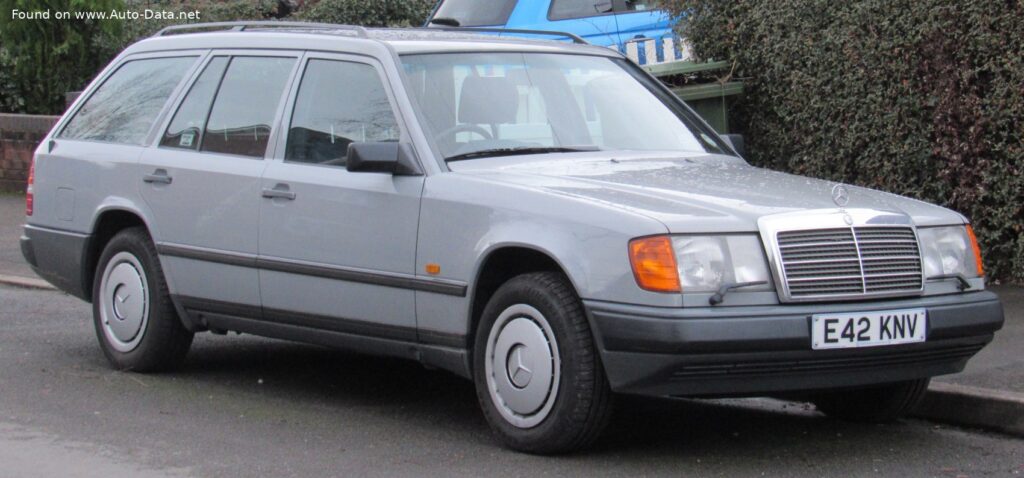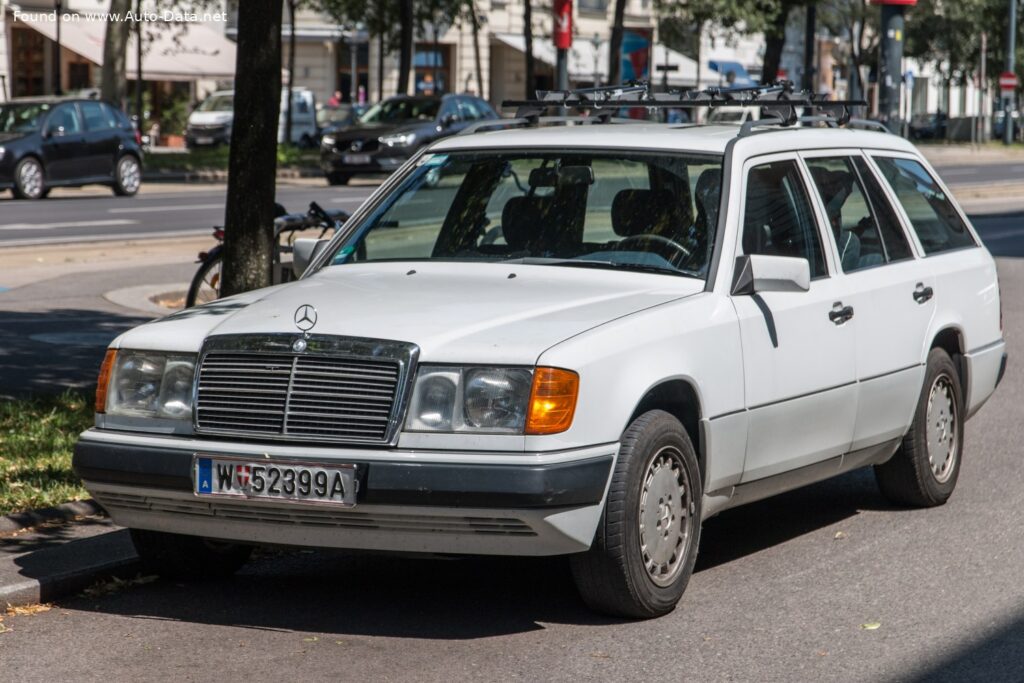
The Mercedes-Benz S124 (facelift 1989) 200 TE (118 Hp) Automatic represents a compelling blend of practicality, comfort, and the renowned engineering excellence of Mercedes-Benz. Produced from 1989 through 1992 as part of the W124 series, this station wagon variant – internally designated S124 – occupied an important position as an accessible entry point into the premium wagon segment, particularly in European markets. It offered a balance of utility and refinement, embodying the durability and understated luxury for which the W124 generation is celebrated. The 1989 facelift brought subtle but significant improvements, ensuring the model remained competitive until the arrival of the W210 E-Class.
Powertrain & Engine Architecture
At the heart of the S124 200 TE (facelift 1989) lies the M 102 E 20 engine, a 2.0-liter (1996 cm³) inline-four cylinder gasoline engine. This engine, identified by codes such as 102.963, is known for its inherent simplicity and robust construction. It features a Single Overhead Camshaft (SOHC) valvetrain with two valves per cylinder. The engine’s design prioritized smooth operation and longevity over outright performance, reflecting the target audience’s needs for a comfortable and reliable daily driver.
The M 102 E 20 utilizes multi-port fuel injection, contributing to improved fuel efficiency and smoother power delivery compared to earlier carbureted designs. With a compression ratio of 9.1:1, the engine produces 118 horsepower (hp) at 5200 rpm and 172 Nm (126.86 lb-ft) of torque at 3500 rpm. Power is transmitted to the rear wheels through a well-regarded four-speed automatic transmission, a common pairing in Mercedes-Benz vehicles of this era. This transmission was chosen for its smooth shifting characteristics and reliability, further enhancing the vehicle’s comfort-oriented driving experience.
Driving Characteristics
The 200 TE Automatic delivers a driving experience focused on comfort and ease of use. While not a performance-oriented vehicle, the engine provides adequate power for everyday driving situations, including city commutes and highway cruising. The automatic transmission’s gear ratios are optimized for smooth acceleration and relaxed highway speeds. Compared to the manual transmission versions of the 200 TE, the automatic offers a more effortless driving experience, albeit with a slight reduction in fuel economy and responsiveness. Compared to higher-output W124 variants like the 300 TE or those equipped with the six-cylinder engines, the 200 TE offers a more economical and accessible option, sacrificing some performance for improved fuel efficiency and a lower purchase price.
The relatively low torque output means that the engine requires moderate throttle input for brisk acceleration. The four-speed automatic transmission, while reliable, lacks the closer gear ratios of more modern transmissions, resulting in a less sporty feel. However, the overall driving experience is refined and comfortable, typical of the W124 series.
Equipment & Trim Levels
The S124 200 TE (facelift 1989) Automatic, while positioned as an entry-level model, still offered a respectable level of standard equipment. Interior upholstery typically consisted of durable cloth fabrics, although leather options were available as upgrades. The dashboard layout was functional and ergonomically designed, featuring clear instrumentation and logically placed controls. Standard features included power windows, central locking, and a basic audio system.
Optional extras included a sunroof, upgraded audio systems, leather upholstery, automatic climate control, and heated seats. The level of equipment varied depending on the specific market and individual customer preferences. The 200 TE generally featured a more restrained interior trim compared to higher-spec models like the 300 TE, with less extensive use of wood trim and chrome accents.
Chassis & Braking
The S124 series benefited from a sophisticated chassis design, prioritizing ride comfort and handling stability. The 200 TE utilized independent wishbone suspension at the front and Mercedes-Benz’s renowned independent multi-link suspension at the rear. This multi-link setup, a hallmark of the W124, provided exceptional wheel control and a comfortable ride, even when the vehicle was fully loaded.
Braking duties were handled by four-wheel disc brakes, with Anti-lock Braking System (ABS) as standard equipment. This enhanced braking performance and safety, particularly in adverse weather conditions. The 200 TE typically rode on 195/65 R15 tires mounted on 6.5J x 15-inch steel or alloy wheels. The suspension was tuned to provide a comfortable ride, with a focus on absorbing road imperfections. Stabilizer bars were fitted to both the front and rear axles to reduce body roll during cornering.
Market Reception & Comparison
The Mercedes-Benz S124 200 TE Automatic was generally well-received by automotive critics as a practical and reliable family wagon. While not lauded for its outright performance, it was praised for its comfortable ride, spacious interior, and build quality. Compared to its competitors, such as the BMW 5 Series Touring and Audi 100 Avant, the 200 TE often stood out for its perceived robustness and long-term durability.
Fuel economy was a key strength, with the 2.0-liter engine offering reasonable consumption figures for its time. However, some critics noted that the automatic transmission could feel somewhat sluggish compared to manual transmission options. In terms of reliability, the M 102 engine and the four-speed automatic transmission proved to be exceptionally durable, contributing to the W124’s reputation as a long-lasting vehicle. The 200 TE offered a more affordable entry point into the Mercedes-Benz wagon lineup, making it an attractive option for buyers who prioritized practicality and reliability over performance.
Technical Specifications
| Category | Specification |
| General Information | |
| Brand | Mercedes-Benz |
| Model | W124 |
| Generation | S124 (facelift 1989) |
| Type (Engine) | 200 TE (118 Hp) Automatic |
| Production Start | September, 1989 |
| Production End | October, 1992 |
| Powertrain Architecture | Internal Combustion Engine |
| Body Type | Station wagon (estate), 5 Doors, 5 Seats |
| Performance Specs | |
| Fuel Consumption (Urban) | 12 l/100 km (19.6 US mpg) |
| Fuel Consumption (Extra Urban) | 8 l/100 km (29.4 US mpg) |
| Fuel Type | Petrol (Gasoline) |
| Acceleration 0 – 60 mph | 12.4 sec |
| Acceleration 0 – 100 km/h | 13.1 sec |
| Maximum Speed | 175 km/h (108.74 mph) |
| Weight-to-Power Ratio | 12.4 kg/Hp (80.8 Hp/tonne) |
| Weight-to-Torque Ratio | 8.5 kg/Nm (117.8 Nm/tonne) |
| Engine Specs | |
| Power | 118 Hp @ 5200 rpm |
| Power per Liter | 59.1 Hp/l |
| Torque | 172 Nm @ 3500 rpm (126.86 lb.-ft. @ 3500 rpm) |
| Engine Layout | Front, Longitudinal |
| Engine Model/Code | M 102 E 20 / 102.963 |
| Engine Displacement | 1996 cm³ (121.8 cu. in.) |
| Number of Cylinders | 4, Inline |
| Cylinder Bore | 89 mm (3.5 in.) |
| Piston Stroke | 80.19 mm (3.16 in.) |
| Compression Ratio | 9.1:1 |
| Valves per Cylinder | 2 |
| Fuel Injection System | Multi-port manifold injection |
| Engine Aspiration | Naturally aspirated |
| Valvetrain | SOHC |
| Engine Oil Capacity | 5 l (5.28 US qt) |
| Coolant Capacity | 8.5 l (8.98 US qt) |
| Space, Volume, and Weights | |
| Kerb Weight | 1460 kg (3218.75 lbs) |
| Max. Weight | 2080 kg (4585.62 lbs) |
| Max Load | 620 kg (1366.87 lbs) |
| Fuel Tank Capacity | 72 l (19.02 US gal) |
| Dimensions | |
| Length | 4765 mm (187.6 in.) |
| Width | 1740 mm (68.5 in.) |
| Height | 1489 mm (58.62 in.) |
| Wheelbase | 2800 mm (110.24 in.) |
| Front Track | 1497 mm (58.94 in.) |
| Rear Track | 1497 mm (58.94 in.) |
| Drivetrain, Brakes, and Suspension Specs | |
| Drivetrain Architecture | Internal Combustion Engine drives the rear wheels. |
| Drive Wheel | Rear wheel drive |
| Gearbox | 4 gears, automatic transmission |
| Front Suspension | Wishbone |
| Rear Suspension | Independent multi-link suspension |
| Front Brakes | Disc |
| Rear Brakes | Disc |
| Assisting Systems | ABS (Anti-lock braking system) |
| Steering Type | Cone worm with recirculation balls |
| Power Steering | Hydraulic Steering |
| Front Wheel Tires | 195/65 R15 |
| Rear Wheel Tires | 195/65 R15 |
| Front Wheel Rims | 6.5J x 15 |
| Rear Wheel Rims | 6.5J x 15 |
Legacy
The Mercedes-Benz S124 200 TE Automatic has earned a well-deserved reputation for long-term reliability and durability. Many examples remain on the road today, a testament to the quality of engineering and construction. In the used car market, these wagons are increasingly sought after by enthusiasts and collectors who appreciate their classic styling, comfortable ride, and practical versatility. The M 102 engine, while not a high-performance unit, is known for its robustness and relatively simple maintenance requirements. The four-speed automatic transmission, while dated by modern standards, is also remarkably durable. The 200 TE represents an accessible entry point into W124 ownership, offering the core attributes of the series – quality, reliability, and comfort – at a more affordable price point than its higher-spec counterparts. Its legacy is that of a dependable, practical, and elegantly designed executive station wagon that continues to provide years of service to its owners.