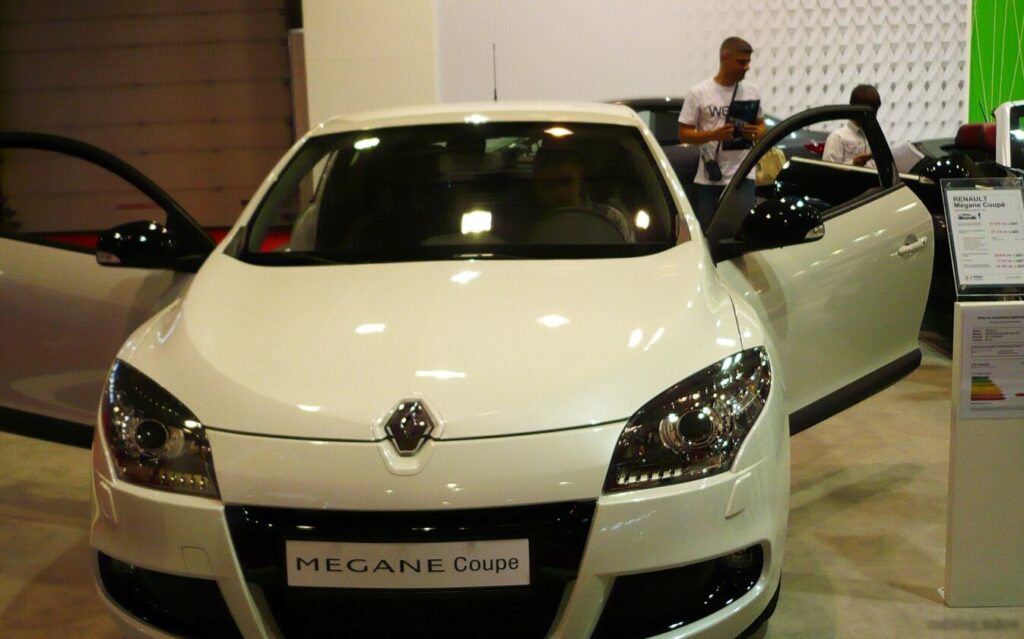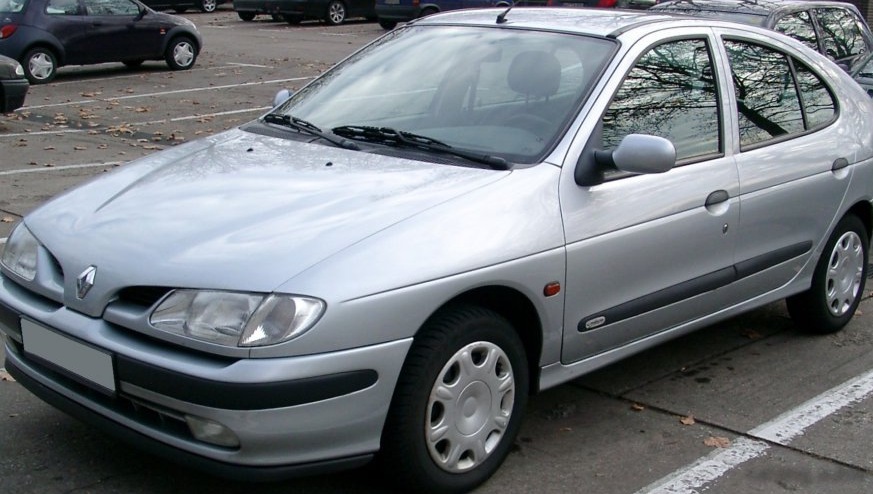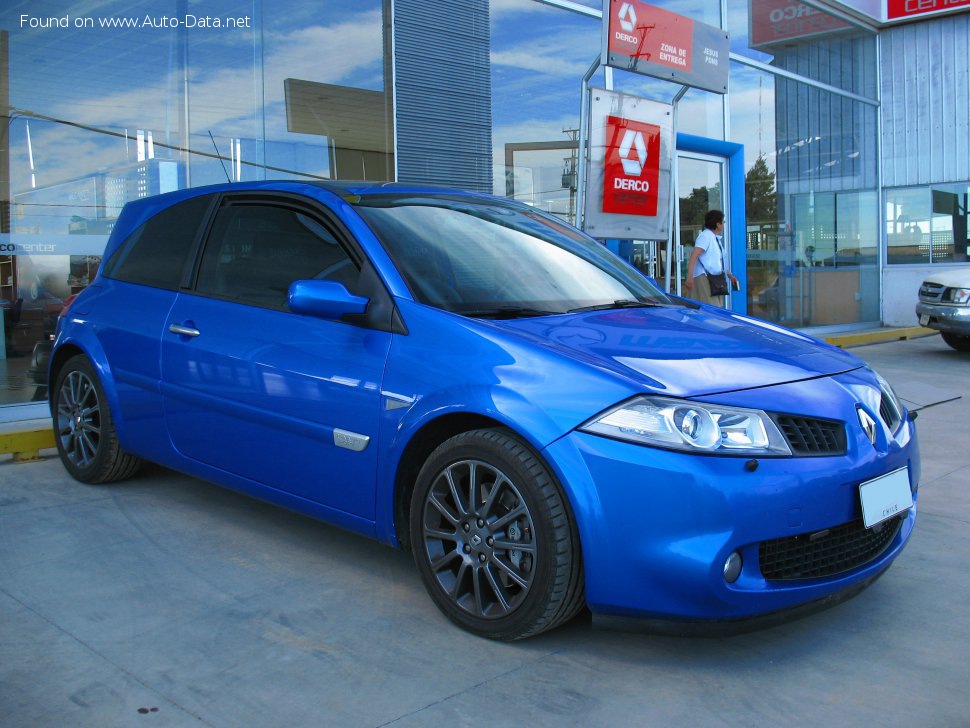
The Renault Megane II Coupe (Phase II, 2006) GT 1.9 dCi (110 Hp) FAP represents a compelling blend of distinctive design, practical efficiency, and a sporty demeanor within the highly competitive European C-segment. Launched in 2002, the second-generation Megane quickly became a design icon, particularly known for its unique rear styling. The Phase II refresh, introduced in 2006, subtly updated the model line, refining its aesthetics and enhancing its technological offerings. This specific variant, the GT 1.9 dCi, combined the more dynamic three-door coupe body style with a robust and fuel-efficient turbodiesel engine, positioning it as an attractive option for European drivers seeking both performance and economy. While never officially sold in the United States, the Megane II was a significant player in markets across Europe and beyond, showcasing Renault’s innovative approach to design and powertrain development.
Powertrain & Engine Architecture
Under the hood of the Renault Megane II Coupe GT lies a 1.9-liter (1870 cm³) F9Q Turbo dCi inline-four diesel engine. This powertrain was a cornerstone of Renault’s diesel offerings, renowned for its balance of power, torque, and exceptional fuel efficiency. Equipped with a common rail direct fuel injection system and a turbocharger with an intercooler, the engine produced a respectable 110 horsepower at 4000 rpm. More importantly for real-world driving, it generated a substantial 191.77 lb-ft (260 Nm) of torque, available at a low 2000 rpm. This characteristic torque delivery made the Megane GT 1.9 dCi feel responsive and capable in everyday scenarios, offering effortless acceleration from low speeds and confident highway cruising.
The F9Q engine utilizes a single overhead camshaft (OHC) valvetrain, operating with two valves per cylinder. The common rail direct injection system, a key feature of this engine, allows for precise control of fuel delivery, optimizing combustion efficiency and reducing emissions. The turbocharger, coupled with an intercooler, increases the density of the intake air, resulting in improved power output. The engine’s compression ratio is relatively high at 19:1, typical for diesel engines, contributing to its thermal efficiency. The engine is transversely mounted in the front of the vehicle, driving the front wheels.
Transmission Details
The Renault Megane II Coupe GT 1.9 dCi was exclusively offered with a six-speed manual transmission. This gearbox was chosen to complement the engine’s torque characteristics and provide a more engaging driving experience. The gear ratios were carefully selected to maximize acceleration and fuel efficiency. First gear was relatively short, providing strong off-the-line acceleration, while sixth gear was geared for comfortable highway cruising. The transmission’s shift quality was generally praised for its precision and smoothness.
Driving Characteristics
The 1.9 dCi engine, paired with the six-speed manual transmission, provided a surprisingly capable driving experience. While not a high-performance sports car, the Megane GT 1.9 dCi offered brisk acceleration and confident handling. The substantial torque available from 2000 rpm meant that the engine felt responsive in most driving situations, requiring minimal downshifting for overtaking maneuvers. The 0 to 60 mph acceleration time of 10.2 seconds was competitive for its class in 2006.
Compared to other variants in the Megane II lineup, such as the 1.6L gasoline engine, the 1.9 dCi offered significantly more torque and better fuel economy. However, it lacked the higher peak horsepower of the gasoline engine. Compared to the more powerful 2.0L petrol versions, the 1.9 dCi prioritized fuel efficiency and everyday usability over outright performance. The GT trim level, while not a full-fledged performance model, featured a slightly stiffer suspension setup compared to the base models, resulting in improved handling and reduced body roll.
Equipment & Trim Levels
The GT trim level for the Megane II Coupe represented a mid-range offering, positioned above the base models but below the more luxurious Privilege trim. Standard equipment included air conditioning, electric front windows, power steering, ABS with Electronic Brakeforce Distribution (EBD), and a CD player with steering wheel-mounted audio controls. The GT trim also featured sport seats with enhanced bolstering, providing better support during cornering. Alloy wheels were also standard on the GT model, contributing to its more aggressive appearance.
Optional extras available for the Megane II Coupe GT 1.9 dCi included a panoramic sunroof, rear parking sensors, automatic headlights and rain sensors, and a more advanced audio system. Upholstery was typically a combination of cloth and vinyl, with options for full cloth upholstery. The dashboard featured a sporty design with aluminum-look trim accents. The instrument cluster included a digital display for trip information and fuel consumption.
Chassis & Braking
The Renault Megane II Coupe GT 1.9 dCi utilized a MacPherson strut suspension setup at the front, providing independent wheel control and a comfortable ride. The rear suspension employed a torsion beam axle, which was a cost-effective solution that offered adequate handling characteristics for everyday driving. The GT trim often featured a slightly thicker front stabilizer bar compared to the base models, further reducing body roll during cornering.
The braking system consisted of ventilated discs at the front and solid discs at the rear. ABS (Anti-lock Braking System) was standard, enhancing braking performance and stability, particularly on slippery surfaces. The braking system was generally considered adequate for the car’s performance capabilities. The car rode on 195/65 R15 tires, providing a good balance between grip and ride comfort. The steering was electric power-assisted, offering light and precise control.
Market Reception & Comparison
The Renault Megane II Coupe GT 1.9 dCi was generally well-received by automotive critics in Europe. It was praised for its stylish design, fuel efficiency, and responsive engine. Critics noted that the 1.9 dCi engine provided a good balance between performance and economy, making it a practical choice for everyday driving. The car’s handling was also commended, although some critics noted that it lacked the ultimate sharpness of more focused sports coupes.
In terms of fuel economy, the Megane II Coupe GT 1.9 dCi offered a significant advantage over its gasoline-powered counterparts. The combined fuel economy of 42 US mpg (5.6 l/100 km) was highly competitive for its class. Reliability was generally good, although some owners reported issues with the Diesel Particulate Filter (FAP) requiring regeneration or eventual replacement. Compared to the Volkswagen Golf GT TDI, the Megane II Coupe GT 1.9 dCi offered a more distinctive design and a slightly lower price point, while the Golf was often perceived as having a more refined interior and a slightly more robust build quality.
Technical Specifications
| Category | Specification |
| General Information | |
| Brand | Renault |
| Model | Megane |
| Generation | Megane II Coupe (Phase II, 2006) |
| Type (Engine) | GT 1.9 dCi (110 Hp) FAP |
| Start of Production | 2006 |
| End of Production | 2006 |
| Powertrain Architecture | Internal Combustion Engine |
| Body Type | Coupe |
| Seats | 5 |
| Doors | 3 |
| Performance Specs | |
| Fuel Consumption (Urban) | 7.1 l/100 km (33.1 US mpg) |
| Fuel Consumption (Extra Urban) | 4.8 l/100 km (49 US mpg) |
| Fuel Consumption (Combined) | 5.6 l/100 km (42 US mpg) |
| CO2 Emissions | 148 g/km |
| Fuel Type | Diesel |
| Acceleration 0 – 60 mph | 10.2 sec |
| Acceleration 0 – 62 mph (100 km/h) | 10.7 sec |
| Maximum Speed | 188 km/h (116.82 mph) |
| Emission Standard | Euro 4 |
| Weight-to-Power Ratio | 11.4 kg/Hp (25.13 lbs/Hp) |
| Weight-to-Torque Ratio | 4.8 kg/Nm (10.58 lbs/Nm) |
| Engine Specs | |
| Power | 110 Hp @ 4000 rpm |
| Power per Liter | 58.8 Hp/l |
| Torque | 260 Nm @ 2000 rpm (191.77 lb.-ft. @ 2000 rpm) |
| Engine Layout | Front, Transverse |
| Engine Model/Code | F9Q Turbo |
| Engine Displacement | 1870 cm³ (1.9 Liters / 114.11 cu. in.) |
| Number of Cylinders | 4 |
| Engine Configuration | Inline |
| Cylinder Bore | 80 mm (3.15 in.) |
| Piston Stroke | 93 mm (3.66 in.) |
| Compression Ratio | 19:1 |
| Number of Valves per Cylinder | 2 |
| Fuel Injection System | Diesel Commonrail |
| Engine Aspiration | Turbocharger, Intercooler |
| Valvetrain | OHC |
| Engine Oil Capacity | 4.5 l (4.76 US qt) |
| Coolant Capacity | 7.9 l (8.35 US qt) |
| Engine Systems | Particulate Filter (FAP) |
| Space, Volume and Weights | |
| Kerb Weight | 1250 kg (2755.78 lbs.) |
| Max. Weight | 1800 kg (3968.32 lbs.) |
| Max Load | 550 kg (1212.54 lbs.) |
| Trunk (Boot) Space – Minimum | 330 l (11.65 cu. ft.) |
| Trunk (Boot) Space – Maximum | 1190 l (42.02 cu. ft.) |
| Fuel Tank Capacity | 60 l (15.85 US gal) |
| Dimensions | |
| Length | 4209 mm (165.71 in.) |
| Width | 1777 mm (69.96 in.) |
| Height | 1458 mm (57.4 in.) |
Legacy
The Renault Megane II, and particularly its distinctive coupe variant, carved out a significant niche in the European automotive landscape. Its bold styling, a hallmark of Renault’s design direction under Patrick Le Quément, helped it stand out in a segment often criticized for conservative aesthetics. The Megane II was a critical and commercial success for Renault, winning the European Car of the Year award in 2003, a testament to its overall package.
On the used car market today, the Megane II Coupe GT 1.9 dCi represents a relatively affordable and practical option. While age and mileage are factors to consider, well-maintained examples can still provide reliable transportation. The 1.9 dCi engine is generally considered durable, but potential buyers should be aware of the possibility of FAP issues. The car’s distinctive styling and fuel efficiency continue to appeal to enthusiasts and those seeking a stylish and economical coupe. It remains a recognizable and respected vehicle in the history of European compact cars.