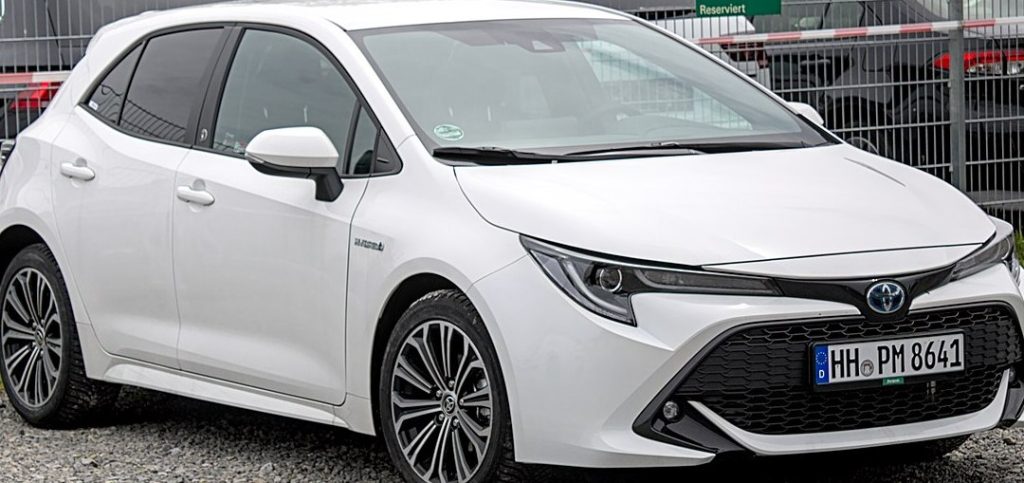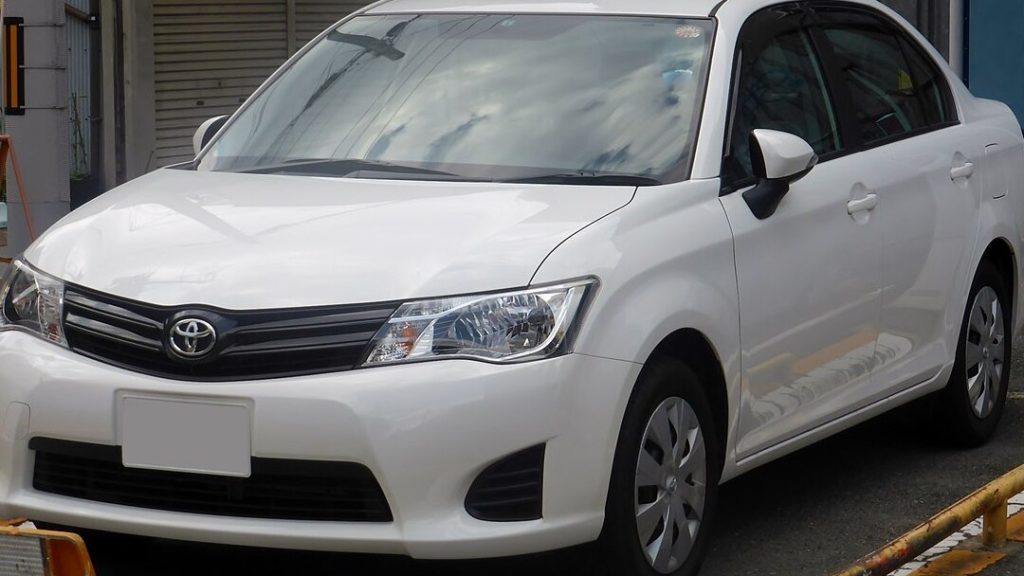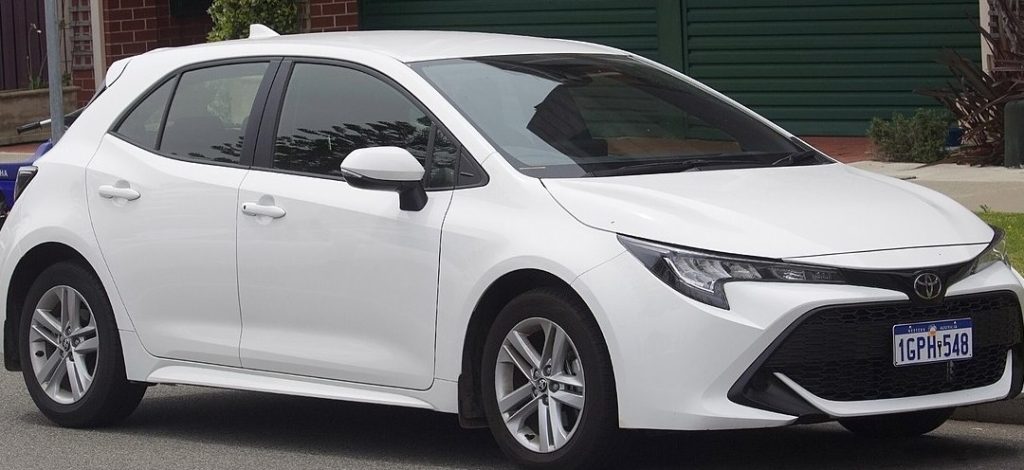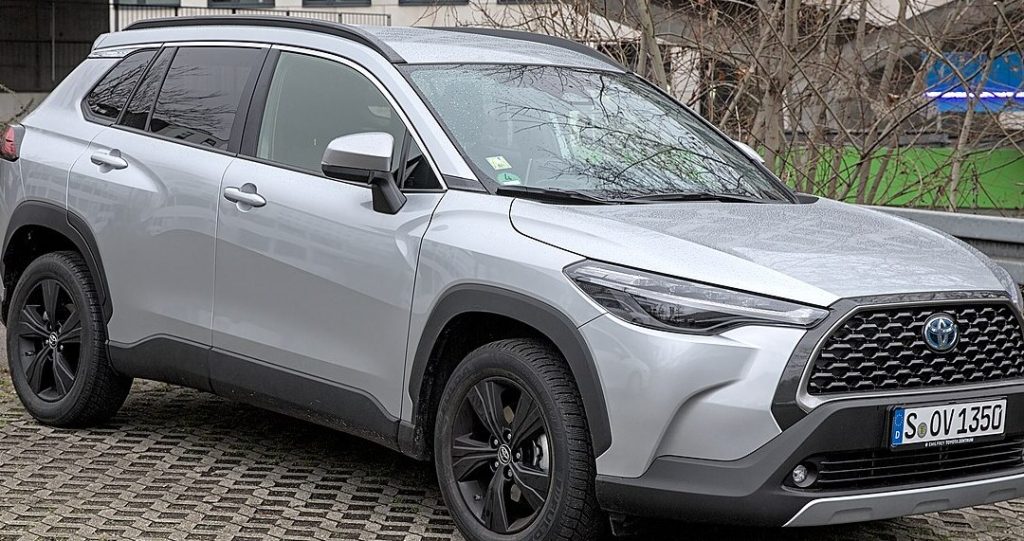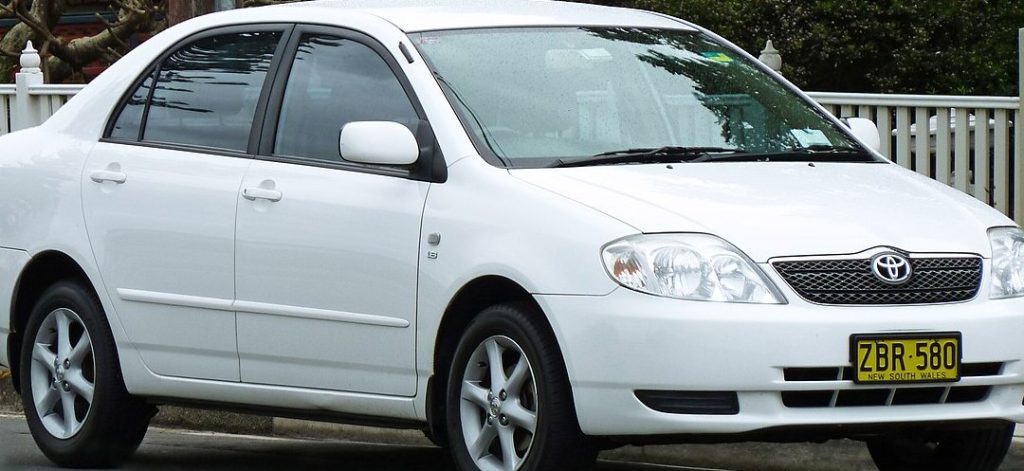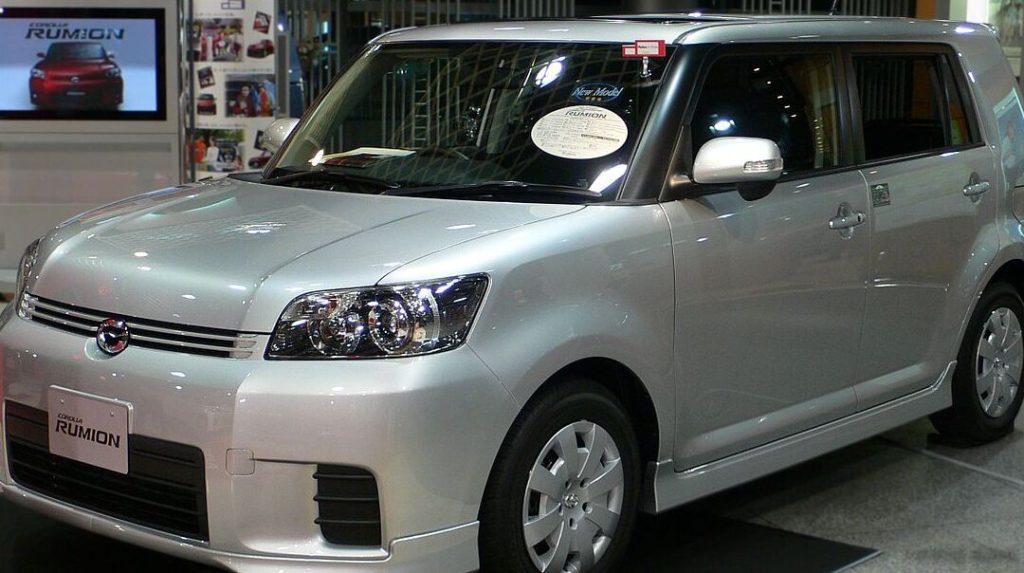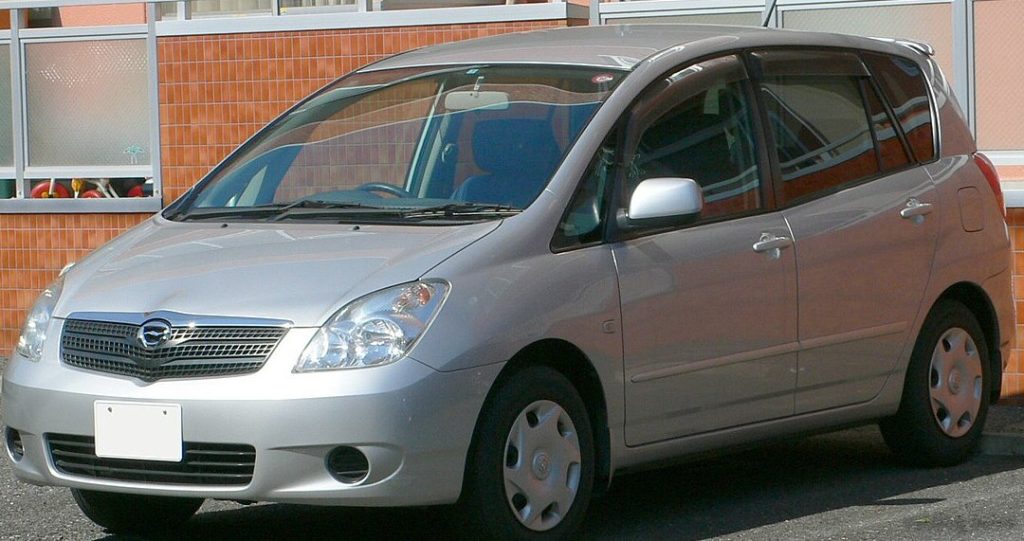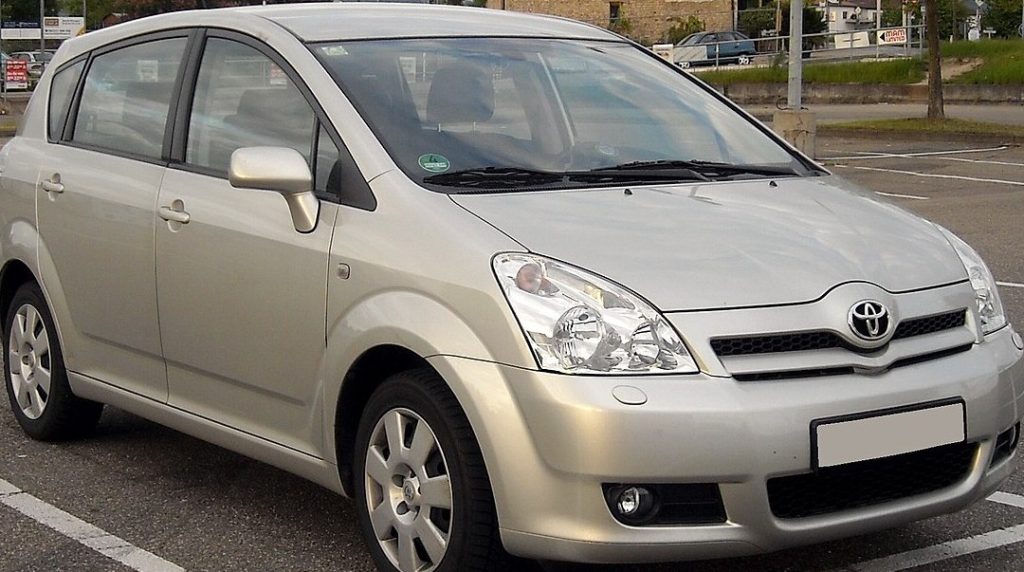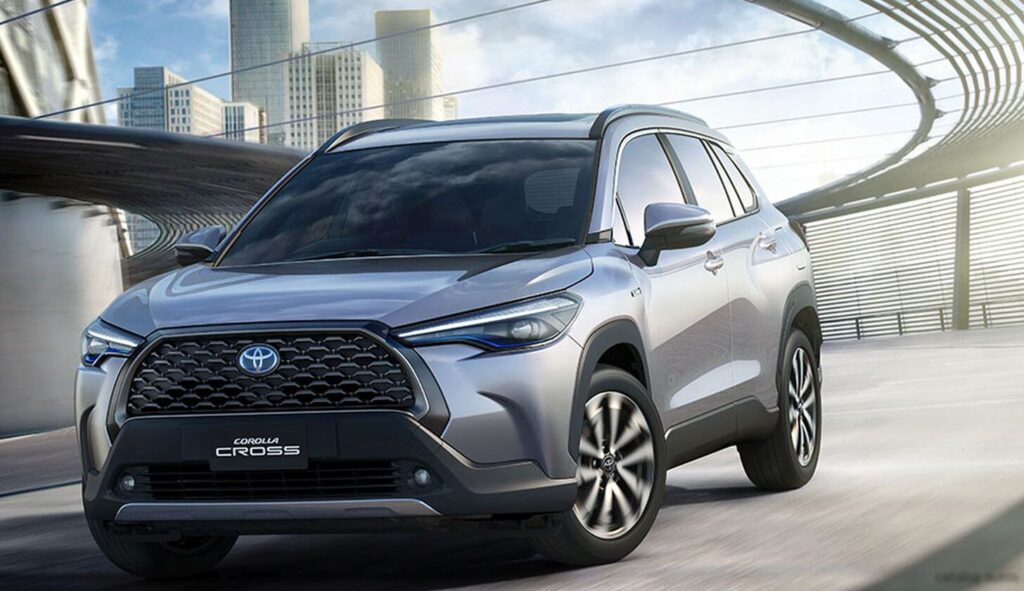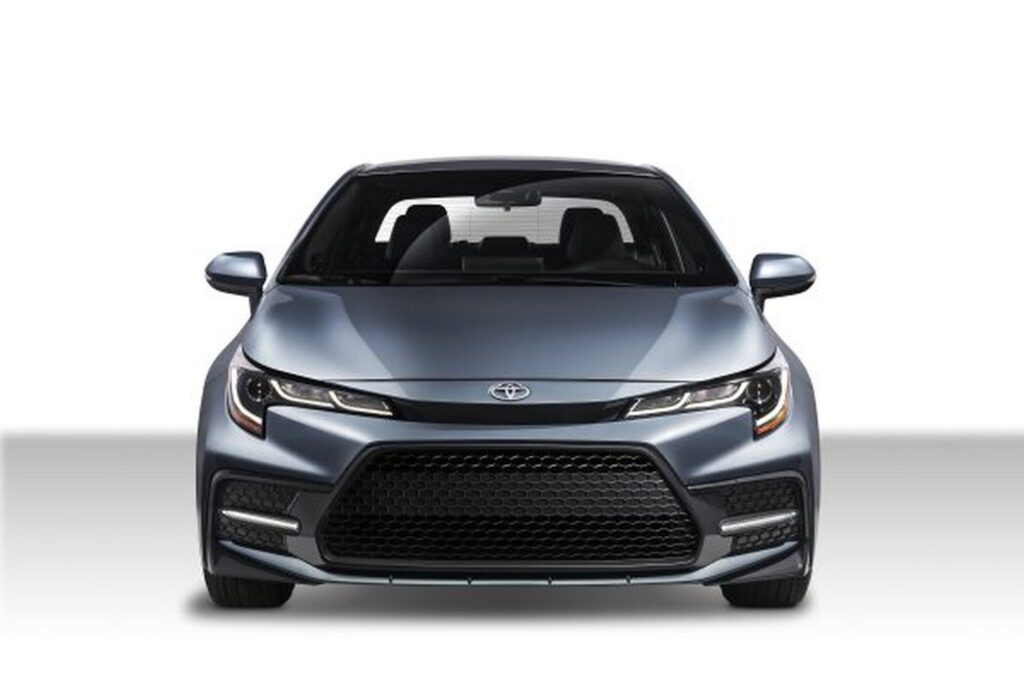
The Toyota Corolla, a name synonymous with reliability, affordability, and ubiquitous presence across global automotive markets, entered its twelfth generation (E210) with significant advancements. For the United States market, the Toyota Corolla XII (E210) (USA) 2.0 (169 Hp) represented a compelling evolution of the compact sedan, blending enhanced driving dynamics, modern design, and Toyota’s renowned engineering prowess. Produced from February 2019 to 2022, this iteration of the Corolla sedan aimed to shed its long-held reputation as merely a sensible appliance, injecting a dose of sportiness and technological sophistication previously uncommon for the model.
The E210 generation, underpinned by Toyota’s New Global Architecture (TNGA) platform (specifically the GA-C variant), brought a lower center of gravity, increased structural rigidity, and a more sophisticated suspension setup. This platform enabled the Corolla to deliver a more engaging driving experience, challenging competitors in the compact segment that had traditionally offered more spirited performance. The 2.0-liter engine variant, in particular, was a key offering for American consumers seeking a balance of power and efficiency in their daily commute or weekend adventures. This trim level occupied a mid-range position within the E210 Corolla lineup, offering a step up in performance from the base 1.8-liter models while remaining more accessible than potential hybrid options.
Powertrain & Engine Architecture
At the heart of the Toyota Corolla XII (E210) (USA) 2.0 (169 Hp) sedan lies the M20A-FKS engine, a naturally aspirated 2.0-liter inline-four powerplant from Toyota’s “Dynamic Force” engine family. This engine was engineered with a focus on both power output and fuel efficiency, utilizing several advanced technologies. It delivers a respectable 169 horsepower at 6600 rpm and 151.2 lb.-ft. of torque at 4400 rpm. This output represents a significant upgrade over the base 1.8-liter engine offered in other Corolla trims, providing a more confident acceleration and improved highway passing capability.
Key to the M20A-FKS engine’s performance and efficiency is its sophisticated design. It features a high compression ratio of 13:1, which contributes to greater thermal efficiency. The valvetrain is a Double Overhead Camshaft (DOHC) configuration with 4 valves per cylinder, optimizing airflow for combustion. Furthermore, the engine incorporates Toyota’s D4-S fuel injection system, which combines both direct injection and multi-port manifold injection. This dual-injection strategy allows for precise fuel delivery across the engine’s operating range, enhancing power, reducing emissions, and improving fuel economy. The engine utilizes a timing chain, contributing to reduced maintenance compared to timing belts.
Power is routed to the front wheels via a 6-speed intelligent Manual Transmission (iMT). This gearbox is a notable inclusion in a market increasingly dominated by automatic transmissions, offering enthusiasts a more direct and engaging driving experience. The “intelligent” aspect of the iMT often includes rev-matching capabilities, which automatically blips the throttle on downshifts for smoother gear changes and reduced driveline shock. The transmission’s gear ratios are tuned for a balance of acceleration and fuel efficiency, with a final drive ratio optimized for highway cruising.
Driving Characteristics
The 2.0-liter, 169 hp, manual transmission combination in the Corolla XII (E210) offered a noticeably more engaging driving experience compared to the base 1.8-liter engine. While not a sports car, the increased power and the direct connection of the manual gearbox allowed for more spirited acceleration and greater driver control. The iMT’s rev-matching feature made the driving experience more accessible to drivers of varying skill levels, smoothing out gear changes and reducing the learning curve. Compared to automatic transmission equipped Corollas, the manual version felt more responsive and connected to the road.
The 6-speed iMT’s gear ratios were well-chosen, providing adequate acceleration in each gear. First gear was relatively short, providing quick off-the-line acceleration, while higher gears were spaced to optimize fuel economy during highway cruising. The engine’s torque curve, while not exceptionally broad, provided sufficient pulling power throughout the rev range, making it easy to maintain speed on inclines and during passing maneuvers. The overall driving experience was characterized by a balance of responsiveness and refinement, making it suitable for both daily commuting and weekend drives.
Equipment & Trim Levels
The 2.0-liter Corolla typically came standard with features such as Toyota Safety Sense 3.0, which included Pre-Collision System with Pedestrian Detection, Lane Departure Alert with Steering Assist, Automatic High Beams, and Dynamic Radar Cruise Control. Interior features included a standard 7-inch touchscreen infotainment system with Apple CarPlay and Android Auto compatibility, a backup camera, and automatic climate control. Upholstery was typically cloth, though optional packages could include SofTex trimmed seats.
Higher trim levels, such as the SE and XSE, added features like a larger 8-inch touchscreen display, wireless charging, a premium audio system, and blind spot monitoring with rear cross-traffic alert. Optional extras included a sunroof, heated front seats, and keyless entry with push-button start. The exterior styling also differed slightly between trim levels, with the SE and XSE models featuring more aggressive body kits and alloy wheel designs.
Chassis & Braking
The Corolla E210 boasts a refined chassis. The front suspension utilizes an independent McPherson strut setup with coil springs and an anti-roll bar, offering a good balance of comfort and handling. At the rear, an independent multi-link spring suspension with a stabilizer bar replaced the torsion beam setup of previous generations, significantly improving ride quality, stability, and responsiveness. This advanced suspension system contributes heavily to the E210’s more dynamic character.
Braking performance is handled by ventilated discs measuring 274 mm at the front and solid discs measuring 259 mm at the rear, complemented by an Anti-lock Braking System (ABS) for enhanced safety and control during emergency stops. Steering is managed by an electric power-assisted rack and pinion system, providing precise feedback and ease of maneuverability. The vehicle’s ride height of 5.12 inches is typical for a compact sedan, balancing aerodynamic efficiency with practical ground clearance.
Market Reception & Comparison
Critics generally praised the 2.0-liter Corolla for its improved driving dynamics and more responsive engine compared to the base 1.8-liter model. The inclusion of the 6-speed iMT was also well-received by enthusiasts. Fuel economy figures were competitive, with the 2.0-liter model achieving an estimated 29 US mpg in urban driving, 36.2 US mpg on the highway, and a combined rating of 32.2 US mpg.
Compared to other trims in the Corolla lineup, the 2.0-liter model offered a noticeable performance advantage, but at a slightly higher price point. Reliability was consistent with Toyota’s reputation, with few reported issues specific to the 2.0-liter engine or iMT transmission. Compared to rivals like the Honda Civic and Mazda3, the Corolla offered a compelling blend of value, reliability, and driving enjoyment, though some critics noted that the Civic and Mazda3 offered a more refined driving experience.
Technical Specifications
| Category | Specification |
| Brand | Toyota |
| Model | Corolla |
| Generation | Corolla XII (E210) (USA) |
| Engine Type | 2.0 (169 Hp) |
| Production Start | February, 2019 |
| Production End | 2022 |
| Powertrain Architecture | Internal Combustion Engine |
| Body Type | Sedan |
| Seats | 5 |
| Doors | 4 |
| Fuel Consumption (Urban) | 29 US mpg (8.1 l/100 km) |
| Fuel Consumption (Extra Urban) | 36.2 US mpg (6.5 l/100 km) |
| Fuel Consumption (Combined) | 32.2 US mpg (7.3 l/100 km) |
| Fuel Type | Petrol (Gasoline) |
| Weight-to-Power Ratio | 8.2 kg/Hp (121.9 Hp/tonne) |
| Weight-to-Torque Ratio | 6.8 kg/Nm (147.9 Nm/tonne) |
| Power | 169 Hp @ 6600 rpm |
| Power per Liter | 85.1 Hp/l |
| Torque | 151.2 lb.-ft. @ 4400 rpm (205 Nm) |
| Engine Layout | Front, Transverse |
| Engine Model/Code | M20A-FKS |
| Engine Displacement | 2.0 Liters (1987 cm3 / 121.25 cu. in.) |
| Number of Cylinders | 4 |
| Engine Configuration | Inline |
| Cylinder Bore | 3.17 in. (80.5 mm) |
| Piston Stroke | 3.84 in. (97.6 mm) |
| Compression Ratio | 13:1 |
| Valves per Cylinder | 4 |
| Fuel Injection System | Direct injection and Multi-port manifold injection |
| Engine Aspiration | Naturally aspirated |
| Valvetrain | DOHC |
| Kerb Weight | 3055.61 lbs. (1386 kg) |
| Trunk (Boot) Space – Minimum | 13.1 cu. ft. (371 l) |
| Fuel Tank Capacity | 13.21 US gal (50 l) |
| Length | 182.28 in. (4630 mm) |
| Width | 70.12 in. (1781 mm) |
| Height | 56.5 in. (1435 mm) |
| Wheelbase | 106.3 in. (2700 mm) |
| Ride Height (Ground Clearance) | 5.12 in. (130 mm) |
| Minimum Turning Circle | 34.12 ft. (10.4 m) |
| Drivetrain Architecture | Front-wheel drive (ICE drives front wheels) |
| Number of Gears and Type | 6 gears, manual transmission iMT |
| Front Suspension | Independent, McPherson with coil spring and anti-roll bar |
| Rear Suspension | Independent multi-link spring suspension with stabilizer |
| Front Brakes | Ventilated discs, 274 mm |
| Rear Brakes | Disc, 259 mm |
| Assisting Systems | ABS (Anti-lock braking system) |
| Steering Type | Steering rack and pinion |
| Power Steering | Electric Steering |
| Tire Size | 225/40 R18 |
Legacy
The Toyota Corolla XII (E210) (USA) 2.0 (169 Hp) continues to hold a strong position in the used car market. Its reputation for reliability, combined with its relatively modern features and engaging driving experience, makes it a desirable option for buyers seeking a dependable and affordable compact sedan. The M20A-FKS engine has proven to be a robust and long-lasting powerplant, with few reported major issues. The 6-speed iMT transmission, while requiring more driver involvement than an automatic, is also known for its durability. Overall, the E210 Corolla 2.0 represents a well-rounded and practical choice for those seeking a reliable and enjoyable driving experience.