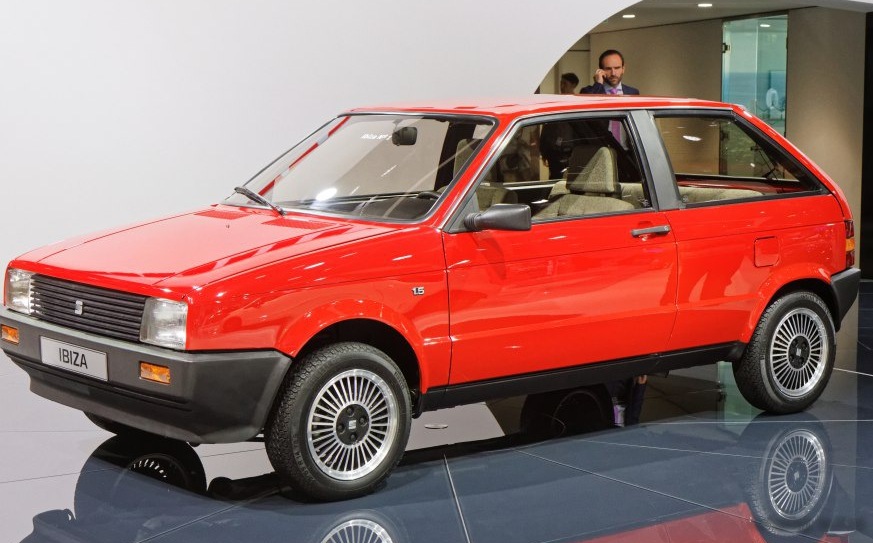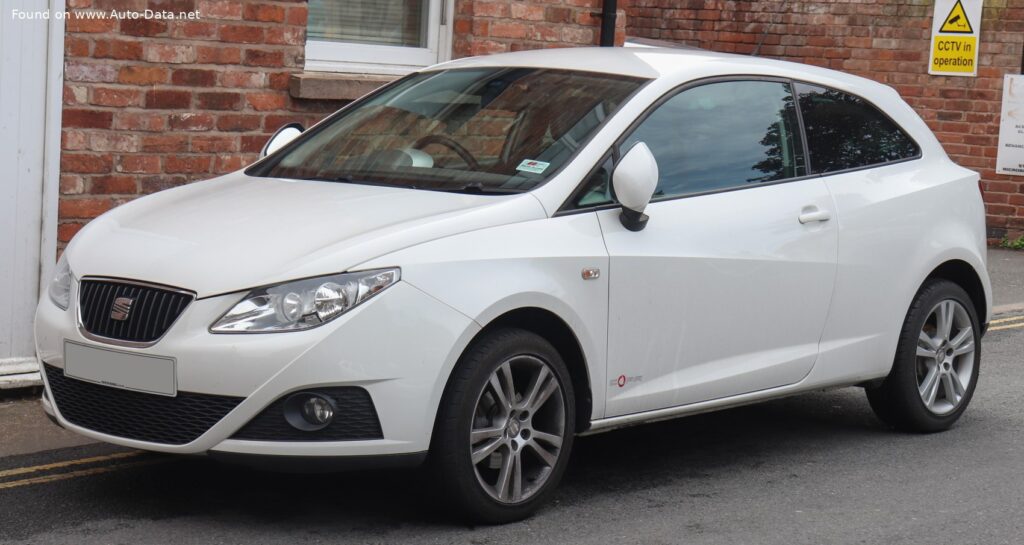
The Seat Ibiza IV SC 1.9 TDI (90 Hp) DPF represents a significant iteration of Seat’s long-running and highly successful Ibiza model line. Introduced in 2008, this particular variant, known by its “SC” designation (SportCoupé), marked the fourth generation of the Ibiza. As a product of the Spanish automotive manufacturer Seat, a subsidiary of the Volkswagen Group, the Ibiza IV SC was designed primarily for the competitive European B-segment (subcompact) market. It aimed to blend youthful styling, practical dimensions, and, in this diesel-powered configuration, impressive fuel efficiency with a distinctly sporty flair. The 1.9 TDI engine, renowned for its robust performance and economy, coupled with a Diesel Particulate Filter (DPF), showcased Seat’s commitment to delivering a compelling package for consumers navigating rising fuel costs and tightening emission standards in the late 2000s. While never officially sold in the United States, the Ibiza played a crucial role in Seat’s strategy to capture a significant share of the European urban and enthusiast market.
Powertrain & Engine Architecture
At the heart of this particular Ibiza model was the venerable 1.9-liter TDI (Turbocharged Direct Injection) diesel engine, a powerplant with a legendary reputation within the Volkswagen Group for its durability and fuel economy. Designated with the engine code BXJ, this inline four-cylinder unit boasted an engine displacement of 1896 cubic centimeters (115.7 cubic inches). It delivered a respectable 90 horsepower at 4000 rpm, a figure that, while not overtly powerful, was more than adequate for its lightweight subcompact chassis. More importantly for a diesel of its era, the engine produced a robust 210 Newton meters (154.89 lb.-ft.) of torque, available across a broad and usable band from 1800 to 2500 rpm. This ample low-end torque was a hallmark of TDI engines, providing strong acceleration from a standstill and excellent in-gear flexibility, making it well-suited for both city driving and highway cruising.
The powertrain architecture featured a front, transverse engine layout driving the front wheels through a 5-speed manual transmission. This setup was typical for the segment, prioritizing efficiency and packaging. The BXJ engine utilized a Bosch EDC16C34 engine control unit (ECU) managing fuel injection and other engine parameters. Fuel was delivered via common rail direct injection, allowing for precise control over injection timing and quantity, optimizing combustion efficiency and reducing emissions. The valvetrain employed a single overhead camshaft (SOHC) operating two valves per cylinder. The turbocharger, typically a Garrett GT1749V or similar, provided forced induction, boosting power and torque output. The DPF, positioned downstream of the turbocharger, captured soot particles from the exhaust gases, periodically undergoing a regeneration cycle to burn off the accumulated soot. This regeneration process was automatically managed by the ECU, but could sometimes be triggered manually under specific driving conditions.
Driving Characteristics
The Seat Ibiza IV SC 1.9 TDI (90 Hp) DPF offered a driving experience focused on practicality and fuel efficiency rather than outright performance. The 90 horsepower output, while sufficient for everyday driving, meant that acceleration was not particularly brisk. The 0 to 60 mph sprint took approximately 11.2 seconds, and the top speed was around 110.6 mph (178 km/h). However, the engine’s strong low-end torque compensated for the lack of peak horsepower, providing responsive acceleration in urban environments and effortless cruising on the highway. The 5-speed manual transmission was well-matched to the engine’s characteristics, with gear ratios optimized for fuel economy and drivability. Compared to the higher-output 1.6-liter gasoline versions of the Ibiza IV SC, the 1.9 TDI offered significantly more torque, resulting in better in-gear acceleration and reduced need for frequent gear changes. However, the gasoline engines generally provided a more rev-happy and engaging driving experience. Compared to the later 1.6 TDI engines, the 1.9 TDI was known for its greater robustness and simpler construction, although it was also slightly less refined and fuel-efficient.
Equipment & Trim Levels
The Seat Ibiza IV SC 1.9 TDI (90 Hp) DPF typically occupied a mid-range position within the Ibiza IV SC lineup. Standard equipment included central locking, electric front windows, power steering, an ABS anti-lock braking system, and a basic audio system. Safety features included driver and passenger airbags. The interior upholstery was typically cloth, with a functional and durable design. Optional extras included air conditioning, alloy wheels, a CD player with MP3 compatibility, and rear electric windows. Higher trim levels, such as the “Sport” or “Stylance” variants, added features like sport seats, leather-wrapped steering wheel, and upgraded audio systems. The dashboard layout was relatively simple and driver-focused, with clearly labeled controls and a straightforward instrument cluster. The “SC” body style, with its three-door configuration, often appealed to younger buyers seeking a more sporty and stylish appearance.
Chassis & Braking
The Ibiza IV SC 1.9 TDI (90 Hp) DPF was built on the Volkswagen Group’s PQ25 platform, shared with the Volkswagen Polo. The front suspension utilized an independent McPherson strut setup with coil springs and an anti-roll bar, providing a comfortable ride and responsive handling. The rear suspension featured a semi-independent torsion beam axle, which was cost-effective and provided adequate stability for everyday driving. Braking duties were handled by ventilated discs at the front and solid discs at the rear. The ABS anti-lock braking system was standard, enhancing safety by preventing wheel lockup during hard braking. Steering was provided by a rack and pinion system with electric power assistance, offering light and precise control. Tire sizes varied depending on the trim level, ranging from 175/70 R14 to 195/55 R15 or even 215/45 R16 on sportier models. The suspension tuning was generally geared towards comfort and ride quality, but the Ibiza SC offered a reasonably engaging driving experience, particularly with the optional sport suspension.
Market Reception & Comparison
Critics generally praised the Seat Ibiza IV SC 1.9 TDI (90 Hp) DPF for its fuel efficiency, robust engine, and stylish design. The 1.9 TDI engine was particularly well-regarded for its durability and low running costs. However, some reviewers noted that the engine could be somewhat noisy and lacked the refinement of some of its competitors. The Ibiza SC’s sporty styling and engaging handling were also appreciated, but the limited rear seat space and practicality of the three-door body style were drawbacks for some buyers. In terms of fuel economy, the 1.9 TDI version consistently outperformed the gasoline-powered Ibiza IV SC models, achieving around 52.3 US mpg on the combined cycle. Reliability was generally good, with the 1.9 TDI engine proving to be a long-lasting and dependable unit. However, the DPF could be a potential source of problems if not properly maintained, requiring periodic regeneration and occasional replacement. Compared to rivals like the Ford Fiesta and Renault Clio, the Ibiza SC offered a compelling combination of style, efficiency, and value.
Technical Specifications
| Category | Specification |
| Brand | Seat |
| Model | Ibiza |
| Generation | Ibiza IV SC |
| Type (Engine) | 1.9 TDI (90 Hp) DPF |
| Production Start | 2008 |
| Production End | 2009 |
| Powertrain Architecture | Internal Combustion Engine (Front Wheel Drive) |
| Body Type | Coupe (3-Door) |
| Seats | 5 |
| Doors | 3 |
| Fuel Consumption (Urban, NEDC) | 6 l/100 km (39.2 US mpg) |
| Fuel Consumption (Extra Urban, NEDC) | 3.7 l/100 km (63.6 US mpg) |
| Fuel Consumption (Combined, NEDC) | 4.5 l/100 km (52.3 US mpg) |
| CO2 Emissions (NEDC) | 119 g/km |
| Fuel Type | Diesel |
| Acceleration 0 – 60 mph | 11.2 seconds |
| Maximum Speed | 110.6 mph (178 km/h) |
| Emission Standard | Euro 4 |
| Weight-to-Power Ratio | 12.2 kg/Hp (81.8 Hp/tonne) |
| Weight-to-Torque Ratio | 5.2 kg/Nm (190.9 Nm/tonne) |
| Power | 90 Hp @ 4000 rpm |
| Torque | 210 Nm (154.89 lb.-ft.) @ 1800-2500 rpm |
| Engine Displacement | 1896 cm3 (1.9 Liters, 115.7 cu. in.) |
| Engine Code | BXJ |
Legacy
The Seat Ibiza IV SC 1.9 TDI (90 Hp) DPF, while not a high-performance variant, has proven to be a reliable and economical choice in the used car market. The 1.9 TDI engine is known for its longevity and relatively simple construction, making it a popular choice for buyers seeking a durable and fuel-efficient vehicle. However, potential buyers should be aware of the potential for DPF-related issues, particularly if the vehicle has not been properly maintained. Regular servicing and ensuring the DPF regeneration cycle is completed are crucial for preventing problems. Today, these Ibizas represent an affordable entry point into diesel ownership, offering a practical and stylish option for urban commuting and longer journeys. The combination of a robust engine, decent fuel economy, and relatively low maintenance costs has ensured that the Ibiza IV SC 1.9 TDI (90 Hp) DPF remains a viable and popular choice for budget-conscious buyers.