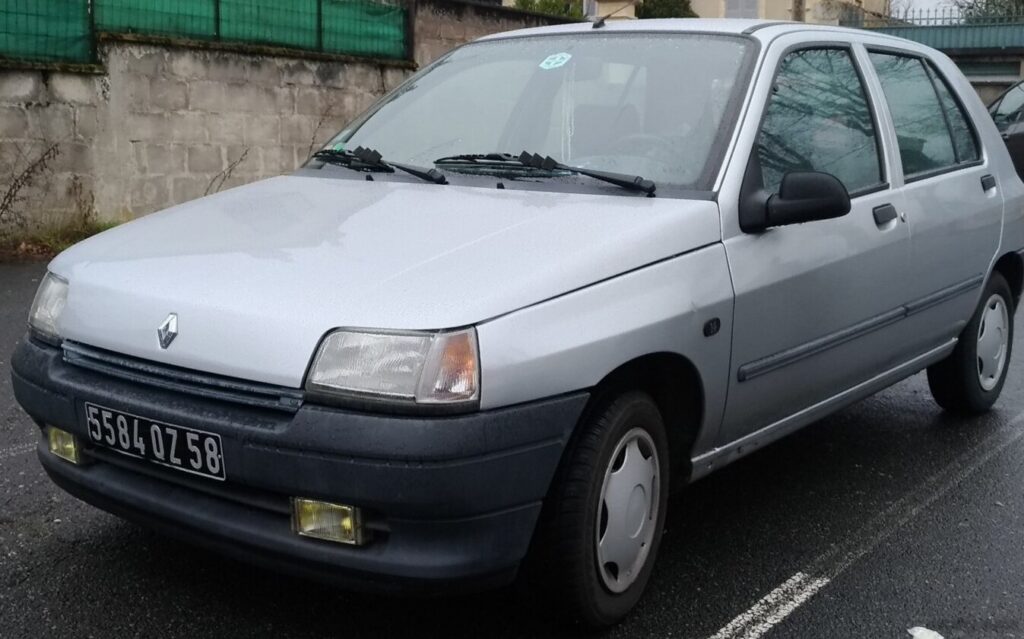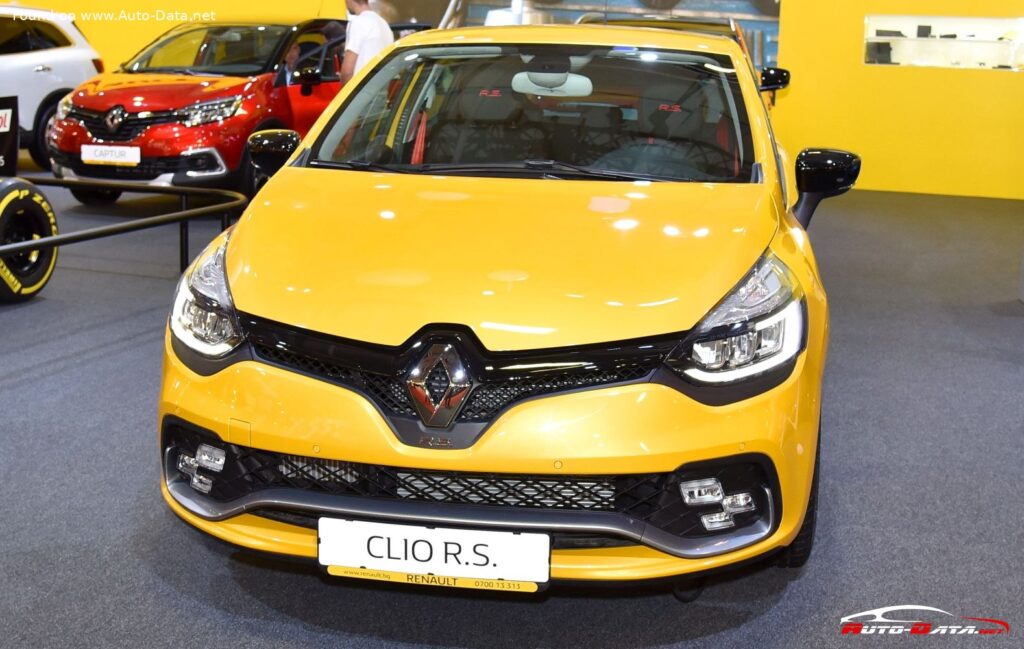
The Renault Clio IV (Phase II, 2016) represents a significant refresh of Renault’s highly successful fourth-generation subcompact car, a model that has consistently ranked among Europe’s best-selling vehicles. Launched in 2012, the Clio IV itself marked a radical departure from its predecessors with a bold, emotive design language spearheaded by Laurens van den Acker. The Phase II iteration, introduced for the 2016 model year, brought subtle but impactful updates to maintain its competitive edge in the fiercely contested European B-segment market. This article focuses on the 1.2 Energy TCe (120 Hp) S&S variant, a powertrain designed to offer a compelling blend of performance and efficiency for a broad range of drivers.
The 1.2 Energy TCe (120 Hp) S&S: A Mid-Range Offering
While the Renault Clio is an iconic nameplate globally, particularly across Europe, it has never been officially sold in the United States market. Therefore, its significance is best understood within the context of its primary markets, where it serves as a benchmark for small, practical, and stylish hatchbacks. The Clio IV Phase II continued to embody Renault’s commitment to delivering a car that was both aesthetically pleasing and dynamically competent, offering modern technology and improved refinement to discerning European consumers. The 1.2 Energy TCe 120 Hp variant occupied a crucial mid-range position within the Clio IV lineup. It sat above the base-level 1.2 Energy TCe 90 Hp engine and below the more performance-oriented models like the Clio RS. This positioning aimed to attract buyers who desired a step up in performance and refinement from the entry-level model, without the higher price tag and sportier focus of the range-topping versions.
Powertrain & Engine Architecture
At the heart of this particular Renault Clio IV (Phase II, 2016) model lies the 1.2 Energy TCe (Turbo Control efficiency) engine, a modern, downsized gasoline (petrol) unit engineered for optimal performance and fuel economy. This inline four-cylinder engine, designated with the code H5F 408, boasts a displacement of 1197 cubic centimeters (73.05 cubic inches), or approximately 1.2 liters. Despite its modest size, the engine is remarkably potent, thanks to advanced technologies such as direct fuel injection, a turbocharger, and an intercooler. The engine utilizes a multi-point fuel injection system, delivering precise fuel metering for improved combustion efficiency. The valvetrain features dual overhead camshafts (DOHC) with four valves per cylinder, optimizing airflow for enhanced power output. The turbocharger, a key component of the Energy TCe engine, utilizes a wastegate to regulate boost pressure, ensuring smooth and controlled power delivery. The engine’s front, transverse layout contributes to efficient packaging and front-wheel-drive dynamics.
Transmission Details
Power is channeled to the front wheels via a slick-shifting 6-speed manual transmission, offering drivers precise control over the engine’s output. This transmission was chosen for its balance of efficiency and driver engagement. The gear ratios are optimized to provide strong acceleration in lower gears and comfortable cruising at highway speeds. The inclusion of a Start & Stop System (S&S) significantly enhances fuel efficiency in urban environments by automatically shutting off the engine when the vehicle is stationary, contributing to its Euro 6b emission standard compliance.
Driving Characteristics
The 1.2 Energy TCe 120 Hp / 6-speed manual combination in the Clio IV Phase II delivers a noticeably more spirited driving experience compared to the 90 Hp version. The increased horsepower and torque provide quicker acceleration and more confident overtaking capabilities. While not a sports car, the 120 Hp variant feels responsive and agile, particularly in urban environments. The broad torque band, peaking at 2000 rpm, ensures that the engine feels flexible and willing throughout the rev range. The 6-speed transmission allows for precise gear selection, maximizing efficiency and performance. Compared to the higher-output Clio RS, the 1.2 Energy TCe offers a more relaxed and fuel-efficient driving experience, prioritizing everyday usability over outright performance. The gear ratios are tuned for a balance between acceleration and fuel economy, making it well-suited for both city driving and longer highway journeys.
Equipment & Trim Levels
The Renault Clio IV Phase II (1.2 Energy TCe 120 Hp) typically came equipped with a range of standard features designed to enhance comfort, convenience, and safety. These included air conditioning, power windows, power door locks, and a basic audio system with USB connectivity. Higher trim levels offered upgrades such as a touchscreen infotainment system with navigation, Bluetooth connectivity, and smartphone integration. Interior upholstery typically consisted of cloth seats, with optional leather upholstery available on higher-spec models. The dashboard configuration featured a modern design with a clear instrument cluster and intuitive controls. Optional extras included parking sensors, a rearview camera, automatic headlights and wipers, and alloy wheels. Safety features were comprehensive, including Anti-lock Braking System (ABS), Electronic Stability Control (ESC), and multiple airbags.
Chassis & Braking
The Clio IV Phase II utilized a MacPherson strut front suspension and a torsion beam rear suspension. This setup provided a good balance between ride comfort and handling agility. The torsion beam rear suspension was chosen for its compact design and lightweight characteristics, contributing to the car’s overall efficiency. The steering system utilized a rack and pinion setup, ensuring direct and responsive handling, a hallmark of European compacts. Braking duties were handled by ventilated discs at the front and drum brakes at the rear. This configuration was typical for vehicles in this weight class, providing adequate stopping power for everyday driving. The Clio IV Phase II also featured ABS (Anti-lock Braking System) as standard, enhancing braking performance and stability in emergency situations.
Market Reception & Comparison
Critics generally praised the Renault Clio IV Phase II (1.2 Energy TCe 120 Hp) for its stylish design, comfortable ride, and efficient powertrain. The 1.2 Energy TCe engine was lauded for its responsiveness and fuel economy. Compared to the base-level 90 Hp version, the 120 Hp variant offered a noticeable improvement in performance, making it a more appealing option for drivers who frequently travel on highways or carry passengers. Fuel economy figures typically ranged from 45 to 55 mpg (combined cycle), depending on driving conditions and trim level. Reliability was generally considered to be good, although some owners reported minor issues with the infotainment system. Compared to rivals like the Ford Fiesta and Volkswagen Polo, the Clio IV Phase II offered a compelling combination of value, style, and driving dynamics.
Technical Specifications
| Brand | Renault |
| Model | Clio |
| Generation | Clio IV (Phase II, 2016) |
| Type (Engine) | 1.2 Energy TCe (120 Hp) S&S |
| Start of Production | 2016 year |
| End of Production | 2018 year |
| Powertrain Architecture | Internal Combustion engine |
| Body Type | Hatchback |
| Seats | 5 |
| Doors | 5 |
| Fuel Type | Petrol (Gasoline) |
| Acceleration 0 – 60 mph | 8.6 sec |
| Acceleration 0 – 100 km/h | 9 sec |
| Maximum Speed | 123.65 mph (199 km/h) |
| Emission Standard | Euro 6 b |
| Weight-to-Power Ratio | 9.1 kg/Hp, 110.1 Hp/tonne |
| Weight-to-Torque Ratio | 5.3 kg/Nm, 188.1 Nm/tonne |
| Power | 120 Hp @ 5500 rpm |
| Power per Liter | 100.3 Hp/l |
| Torque | 151.2 lb.-ft. (205 Nm) @ 2000 rpm |
| Engine Layout | Front, Transverse |
| Engine Model/Code | H5F 408 |
| Engine Displacement | 1197 cm3 (73.05 cu. in.) |
| Number of Cylinders | 4 |
| Engine Configuration | Inline |
| Number of Valves per Cylinder | 4 |
| Fuel Injection System | Direct injection |
| Engine Aspiration | Turbocharger, Intercooler |
| Engine Oil Capacity | 4.6 l (4.86 US qt) |
| Coolant Capacity | 5 l (5.28 US qt) |
| Engine Systems | Start & Stop System |
| Kerb Weight | 2403.04 – 2575 lbs. (1090-1168 kg) |
| Max. Weight | 3657.47 – 3677.31 lbs. (1659-1668 kg) |
| Max Load | 1102.31 – 1254.43 lbs. (500-569 kg) |
| Length | 159.92 in. (4062 mm) |
| Width | 68.15 in. (1731 mm) |
| Width (including mirrors) | 76.57 in. (1945 mm) |
| Height | 57.01 in. (1448 mm) |
| Wheelbase | 101.93 in. (2589 mm) |
| Front Track | 59.29 in. (1506 mm) |
| Rear (Back) Track | 59.29 in. (1506 mm) |
| Front Overhang | 33.5 in. (851 mm) |
| Rear Overhang | 24.49 in. (622 mm) |
| Ride Height (Ground Clearance) | 4.72 in. (120 mm) |
| Drivetrain Architecture | The Internal combustion engine (ICE) drives the front wheels of the vehicle. |
| Drive Wheel | Front wheel drive |
| Number of Gears and Type of Gearbox | 6 gears, manual transmission |
| Front Brakes | Ventilated discs |
| Rear Brakes | Drum |
| Assisting Systems | ABS (Anti-lock braking system) |
| Steering Type | Steering rack and pinion |
| Tires Size | 185/65 R15; 195/55 R16; 205/45 R17 |
| Wheel Rims Size | 15; 16; 17 |
Legacy
The Renault Clio has long been a cornerstone of the French automaker’s success, and the fourth generation, including the Phase II refresh, continued this proud tradition. In its primary European market, the Renault Clio IV (Phase II, 2016) solidified its position as one of the top-selling cars, frequently battling rivals like the Ford Fiesta, Volkswagen Polo, and Peugeot 208 for market dominance in the highly competitive B-segment. Its appeal stemmed from a blend of distinctive styling, practical five-door packaging, a comfortable ride, and a range of efficient powertrains. The 1.2 Energy TCe (120 Hp) S&S variant, in particular, played a crucial role in offering a compelling mid-range option. It provided a level of performance that was engaging for drivers seeking more than basic transportation, without sacrificing the fuel economy that small car buyers demand. Its compliance with the Euro 6b emission standard demonstrated Renault’s commitment to environmental responsibility, a key factor for European consumers and regulatory bodies. The Clio IV’s refreshed design in 2016, with subtle exterior tweaks and interior enhancements, helped it maintain its fresh appearance and competitive edge against newer entries. Its reputation for offering a good balance of style, technology, and driving dynamics made it a popular choice for young drivers, urban families, and those seeking an economical yet enjoyable daily driver. It remained a vital model for Renault, contributing significantly to its sales volumes and brand image across the continent before being succeeded by the fifth-generation Clio in 2019.