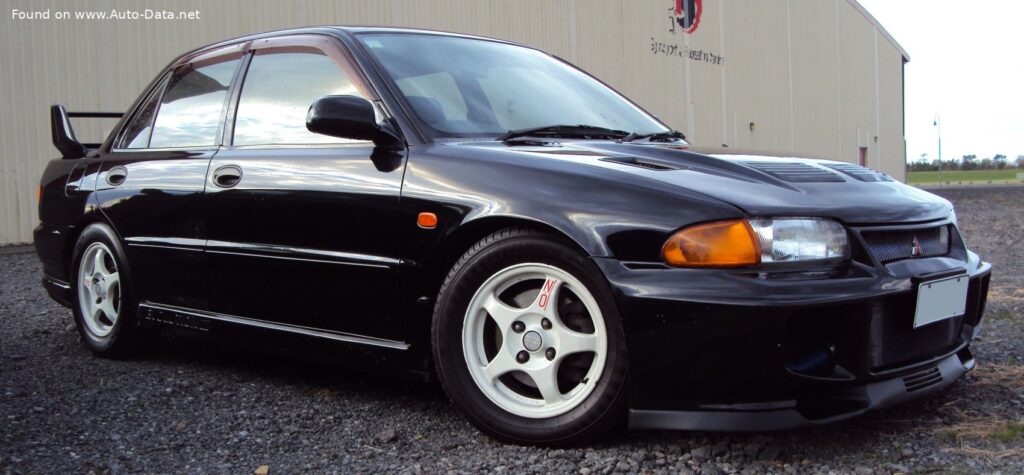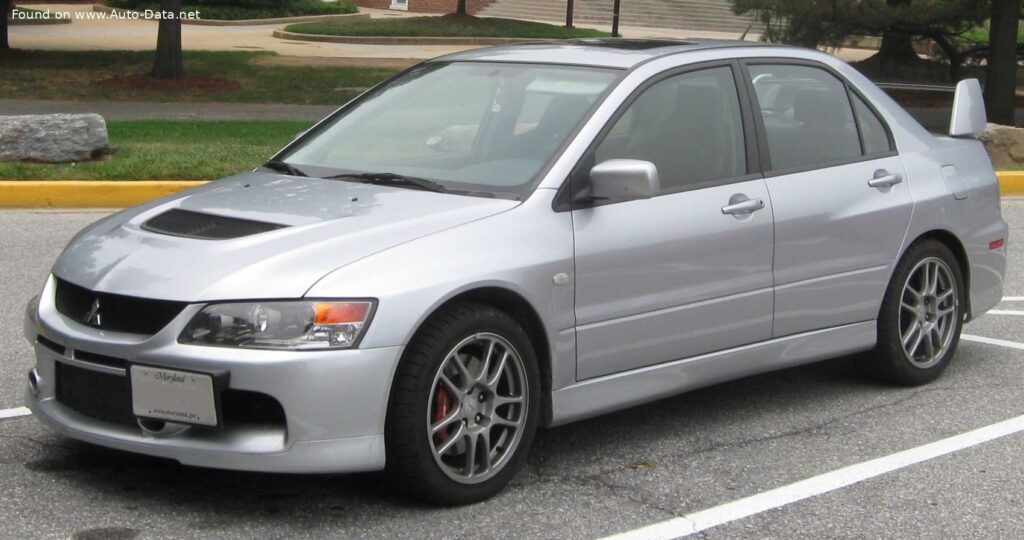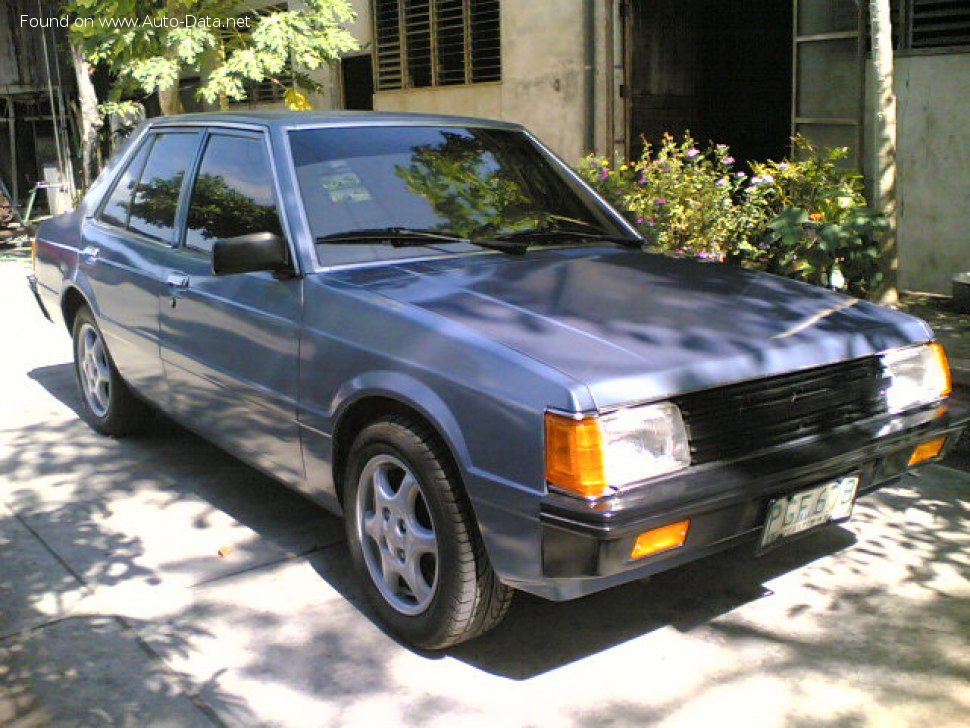
The Mitsubishi Lancer II 1.2 (55 Hp) represents a significant, though often overlooked, chapter in Mitsubishi’s compact car history. Produced from 1980 to 1981, this variant of the second-generation Lancer (internally designated as the 1HX0 series) was primarily aimed at markets prioritizing fuel economy and affordability, particularly in Asia and Europe. It stood as a transitional model, clinging to a traditional rear-wheel-drive (RWD) layout as competitors increasingly adopted front-wheel-drive (FWD) configurations. The Lancer II 1.2 served as an entry-level offering within the Lancer II lineup, positioned below the more powerful 1.6-liter and diesel variants.
Powertrain & Engine Architecture
The heart of the Lancer II 1.2 (55 Hp) is Mitsubishi’s 4G11 engine, a 1.2-liter (1244 cm³ or 75.91 cubic inches) inline-four cylinder gasoline engine. This engine was designed with simplicity and reliability as core tenets, rather than high performance. It features a single overhead camshaft (SOHC) valvetrain operating two valves per cylinder. Fuel delivery is managed by a carburetor, a common feature for economy cars of the era. The engine produces 55 horsepower at 5000 rpm and 66.38 lb-ft (90 Nm) of torque at 3500 rpm.
The engine is mounted longitudinally in the front of the vehicle, a configuration typical of RWD cars. It boasts a compression ratio of 9:1. The 4G11 is known for its robust construction and relatively straightforward maintenance requirements. Power is transferred to the rear wheels through a four-speed manual transmission, the standard transmission for this trim level. While offering a more connected driving experience than some contemporary FWD cars, the RWD layout and four-speed transmission limited overall efficiency and acceleration compared to newer FWD designs.
Driving Characteristics
The Lancer II 1.2 (55 Hp) delivers a driving experience focused on practicality and economy. Acceleration is modest, with the 55 horsepower engine requiring careful gear selection to maintain momentum, especially when loaded with passengers or cargo. The four-speed manual transmission offers a reasonable spread of gears, but the lack of overdrive can result in higher engine speeds at highway cruising speeds. The RWD layout provides a balanced feel, though it doesn’t offer the same level of traction in slippery conditions as a FWD vehicle.
Compared to the higher-output 1.6-liter Lancer II variants, the 1.2-liter model feels significantly less powerful. The 1.6-liter offered a noticeable improvement in acceleration and highway passing ability. Similarly, the diesel versions, while lacking the 1.2’s responsiveness, provided superior fuel economy and torque for hauling. The 1.2-liter’s appeal lay in its affordability and simplicity, making it a suitable choice for drivers prioritizing basic transportation over performance.
Equipment & Trim Levels
The Lancer II 1.2 (55 Hp) was typically offered as a fairly basic trim level. Standard features generally included cloth upholstery, vinyl floor covering, and a simple dashboard layout with analog gauges. Power steering, air conditioning, and a radio were typically optional extras. The interior focused on durability and functionality rather than luxury. The seats were designed for comfort during shorter commutes, and the cabin offered adequate space for five passengers, though rear legroom was somewhat limited.
Optional equipment varied depending on the market. In some regions, buyers could specify upgraded seat fabrics, a more comprehensive instrument cluster, or a basic audio system. The overall emphasis remained on providing a reliable and affordable vehicle, with optional extras kept to a minimum to maintain a competitive price point.
Chassis & Braking
The Lancer II 1.2 (55 Hp) utilizes an independent MacPherson strut suspension at the front, providing a comfortable ride and reasonable handling characteristics. The rear suspension is also independent, employing coil springs and a transverse stabilizer bar. This independent rear suspension was a relatively sophisticated feature for a car in this class, contributing to improved ride quality and stability compared to vehicles with a solid rear axle.
Braking duties are handled by disc brakes at the front and drum brakes at the rear. This combination provided adequate stopping power for the vehicle’s weight and performance. Steering is accomplished through a cone worm with recirculation balls system, offering reliable, though unassisted, steering feel. The curb weight of approximately 2028.25 pounds (920 kg) contributes to the car’s relatively nimble handling.
Market Reception & Comparison
The Mitsubishi Lancer II 1.2 (55 Hp) received generally positive reviews for its reliability and fuel efficiency. Critics acknowledged its modest performance but praised its build quality and affordability. It was seen as a sensible choice for budget-conscious buyers seeking a dependable daily commuter. However, its RWD layout and four-speed transmission were increasingly seen as outdated compared to the more modern FWD designs offered by competitors.
Compared to rivals like the Toyota Corolla and Nissan Sunny, the Lancer II 1.2 offered a similar level of practicality and reliability. The Corolla and Sunny, however, were beginning to gain market share due to their FWD layouts, which offered improved interior space and fuel economy. The Lancer II’s fuel economy was competitive for its time, but it couldn’t match the efficiency of some of the newer FWD models. Reliability was generally on par with its competitors, with the 4G11 engine proving to be a durable and long-lasting unit.
Technical Specifications
| General Information | |
| Brand | Mitsubishi |
| Model | Lancer |
| Generation | Lancer II |
| Type (Engine) | 1.2 (55 Hp) |
| Start of Production | 1980 year |
| End of Production | 1981 year |
| Powertrain Architecture | Internal Combustion Engine |
| Body Type | Sedan |
| Seats | 5 |
| Doors | 4 |
| Performance Specs | |
| Fuel Type | Petrol (Gasoline) |
| Maximum Speed | 86.99 mph (140 km/h) |
| Weight-to-Power Ratio | 16.7 kg/Hp (59.8 Hp/tonne) |
| Weight-to-Torque Ratio | 10.2 kg/Nm (97.8 Nm/tonne) |
| Engine Specs | |
| Power | 55 Hp @ 5000 rpm |
| Power per Liter | 44.2 Hp/l |
| Torque | 66.38 lb-ft (90 Nm) @ 3500 rpm |
| Engine Layout | Front, Longitudinal |
| Engine Model/Code | 4G11 |
| Engine Displacement | 1.2 liters (1244 cm³ / 75.91 cu. in.) |
| Number of Cylinders | 4 |
| Engine Configuration | Inline |
| Cylinder Bore | 2.74 in. (69.5 mm) |
| Piston Stroke | 3.23 in. (82 mm) |
| Compression Ratio | 9:1 |
| Number of Valves per Cylinder | 2 |
| Fuel Injection System | Carburetor |
| Engine Aspiration | Naturally Aspirated Engine |
| Valvetrain | SOHC |
| Engine Oil Capacity | 3.7 US qt (3.5 l) |
| Coolant Capacity | 6.87 US qt (6.5 l) |
| Space, Volume and Weights | |
| Kerb Weight | 2028.25 lbs (920 kg) |
| Max. Weight (GVWR) | 2954.19 lbs (1340 kg) |
| Max Load | 925.94 lbs (420 kg) |
| Fuel Tank Capacity | 13.21 US gal (50 l) |
| Permitted Trailer Load with Brakes (12%) | 1984.16 lbs (900 kg) |
| Permitted Trailer Load without Brakes | 1212.54 lbs (550 kg) |
| Dimensions | |
| Length | 166.34 in. (4225 mm) |
| Width | 63.78 in. (1620 mm) |
| Height | 54.13 in. (1375 mm) |
| Wheelbase | 96.06 in. (2440 mm) |
| Front Track | 52.56 in. (1335 mm) |
| Rear (Back) Track | 52.17 in. (1325 mm) |
| Front Overhang | 29.53 in. (750 mm) |
| Rear Overhang | 40.75 in. (1035 mm) |
| Ride Height (Ground Clearance) | 6.1 in. (155 mm) |
| Minimum Turning Circle (Turning Diameter) | 31.5 ft (9.6 m) |
| Climb Angle | 17.22° |
| Drivetrain, Brakes and Suspension Specs | |
| Drivetrain Architecture | The Internal Combustion Engine (ICE) drives the rear wheels of the vehicle. |
| Drive Wheel | Rear Wheel Drive |
| Number of Gears and Type of Gearbox | 4 gears, Manual Transmission |
| Front Suspension | Independent type MacPherson |
| Rear Suspension | Independent coil spring, Transverse stabilizer |
| Front Brakes | Disc |
| Rear Brakes | Drum |
| Steering Type | Cone worm with recirculation balls |
Legacy
The Mitsubishi Lancer II 1.2 (55 Hp), while not a performance icon, holds a significant place in Mitsubishi’s history. It solidified the Lancer nameplate as a reliable and affordable option in the global compact car market. The 4G11 engine proved to be a durable and long-lasting unit, and many examples remain on the road today, a testament to its robust construction.
In the used car market, the Lancer II 1.2 is often sought after by enthusiasts looking for a simple, classic Japanese car. Its affordability and ease of maintenance make it an attractive option for those seeking a project car or a reliable daily driver. While parts availability may be limited in some regions, the 4G11 engine is relatively straightforward to repair, and many aftermarket parts are still available. The Lancer II 1.2 represents a bygone era of automotive engineering, characterized by simplicity, durability, and a focus on providing practical transportation.