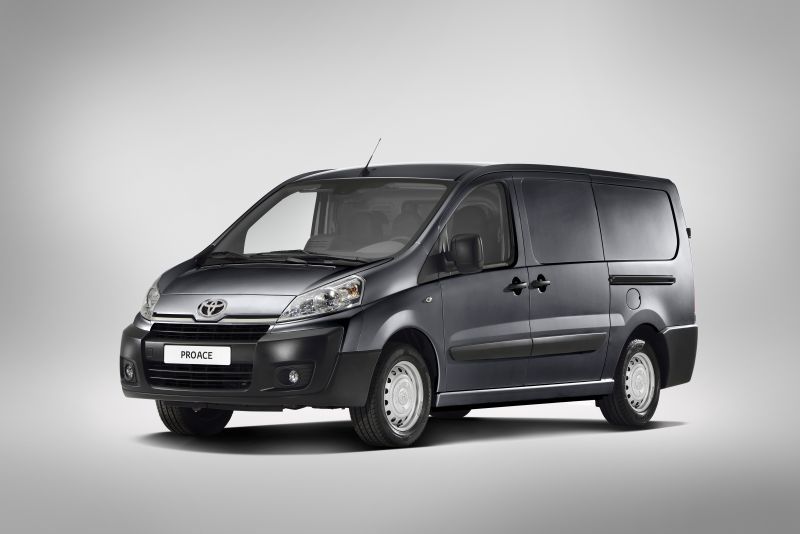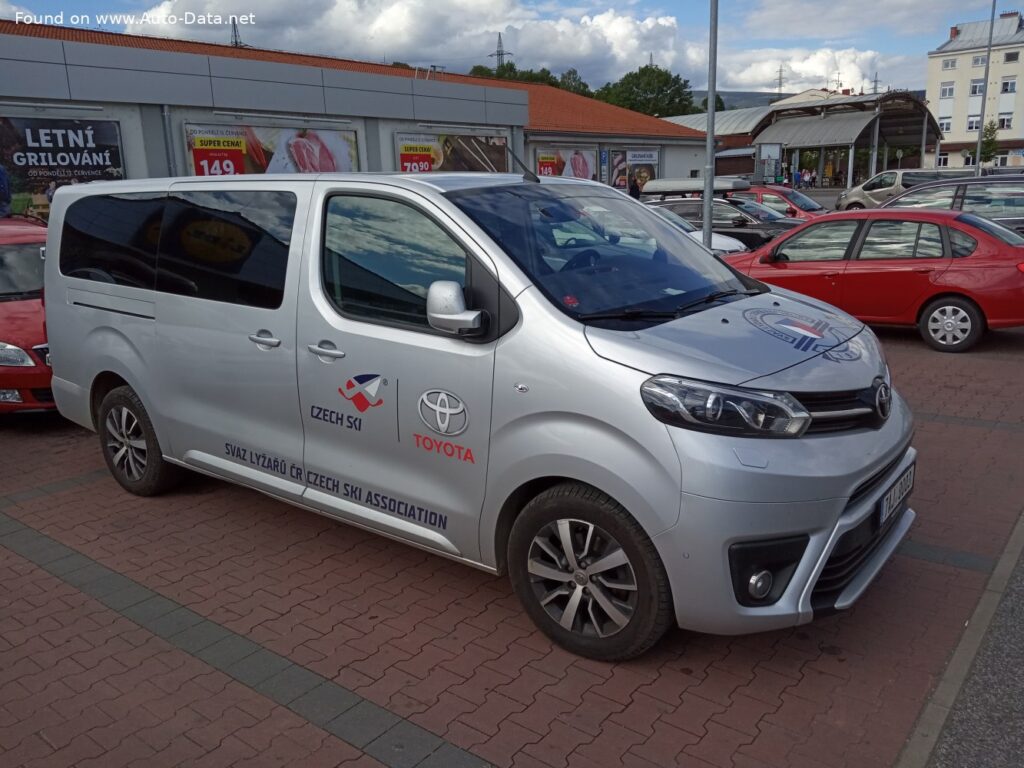
The Toyota Proace Verso II LWB 2.0 D-4D (144 Hp) represents Toyota’s offering in the European minivan and passenger shuttle segment. Launched in April 2020 as part of the second generation of the Proace Verso, this long-wheelbase variant is a testament to the brand’s commitment to providing versatile, efficient, and practical vehicles. While not a primary fixture in the North American market, the Proace Verso plays a crucial role in Toyota’s European and Asian portfolios, embodying a strategic collaboration with Stellantis (formerly PSA Group) to deliver a compelling package of space, comfort, and diesel efficiency. The Proace Verso is based on the EMP2 platform, also known as the 1HX0/A3 platform, shared with the Citroën Spacetourer, Peugeot Traveller, and Opel/Vauxhall Zafira Life.
Powertrain & Engine Architecture
At the heart of the Toyota Proace Verso II LWB is a 2.0-liter D-4D (Diesel) inline-four engine, designated by the code AH01. This powertrain is engineered to provide a blend of robust performance and impressive fuel efficiency. With an engine displacement of 1997 cubic centimeters (121.86 cu. in.), this unit generates 144 horsepower at 4000 rpm and 340 Nm (250.77 lb.-ft.) of torque, available from a low 2000 rpm. This strong low-end torque is vital for effortless acceleration and the ability to haul heavy loads.
The engine’s architecture features a front, transverse layout, driving the front wheels through a 6-speed manual transmission. This front-wheel-drive setup optimizes interior space and offers predictable handling. The 2.0 D-4D benefits from a diesel common rail fuel injection system, ensuring precise fuel delivery for optimal combustion and efficiency. A turbocharger and intercooler force-feed air into the engine, boosting power output without increasing displacement. The engine also features a four-valve-per-cylinder OHC valvetrain, contributing to efficient breathing and performance. The fuel injection system utilizes piezoelectric injectors for precise fuel atomization and control.
The Proace Verso II LWB 2.0 D-4D meets the stringent Euro 6d-ISC-FCM emission standard, incorporating a particulate filter and a Start & Stop system. These technologies help reduce emissions and improve fuel economy. Official NEDC combined fuel consumption figures range from 5.1 to 5.3 liters per 100 kilometers, translating to 46.1 to 44.4 US miles per gallon. The vehicle’s weight-to-power ratio is 14.4 kg/Hp (69.4 Hp/tonne), indicating a practical power output for its substantial kerb weight of 2074 kg (4572.39 lbs).
Driving Characteristics
The 144 hp 2.0 D-4D engine in the Proace Verso II LWB provides adequate, though not exhilarating, performance. Compared to higher-output versions of the Proace Verso, or those equipped with a manual transmission, this configuration prioritizes fuel economy and ease of driving over outright speed. The 6-speed manual transmission is well-matched to the engine’s torque curve, allowing for smooth gear changes and efficient cruising. The gear ratios are optimized for maximizing fuel efficiency at highway speeds, while still providing sufficient power for overtaking maneuvers. Acceleration from 0 to 60 mph is estimated to be around 11-12 seconds, making it suitable for everyday driving but not for performance enthusiasts. The front-wheel-drive configuration provides predictable handling, but it lacks the all-wheel-drive capability offered on some competitor models.
Compared to the 1.5 BlueHDi engine offered in some European markets, the 2.0 D-4D provides a noticeable increase in torque, resulting in better performance when fully loaded or towing a trailer. However, the 1.5 BlueHDi generally offers slightly better fuel economy. The 2.0 D-4D strikes a balance between performance and efficiency, making it a versatile choice for a wide range of applications.
Equipment & Trim Levels
The Proace Verso II LWB 2.0 D-4D typically comes with a generous level of standard equipment, positioning it as a mid-range offering within the Proace Verso lineup. Standard features generally include air conditioning, a touchscreen infotainment system with Bluetooth connectivity, USB ports, and a rearview camera. Safety features such as ABS, electronic stability control, and multiple airbags are also standard. Interior upholstery is typically cloth, with options for leather upgrades available. The dashboard configuration is functional and modern, with a focus on ergonomics and ease of use.
Optional extras available for this trim include navigation system, parking sensors, automatic climate control, heated seats, and a panoramic sunroof. Higher trim levels offer additional features such as leather upholstery, premium audio systems, and advanced driver-assistance systems like adaptive cruise control and lane departure warning. The long-wheelbase configuration allows for flexible seating arrangements, with options for 8 or 9 seats, and the ability to remove or fold down seats to maximize cargo space.
Chassis & Braking
The Proace Verso II LWB is built on a robust chassis featuring an independent McPherson type front suspension and a wishbone rear suspension, providing a comfortable ride and stable handling characteristics. The suspension is tuned to prioritize comfort and ride quality, even when fully loaded. Braking is handled by disc brakes on both the front and rear axles, complemented by an Anti-lock Braking System (ABS) for enhanced safety. The steering system is a rack and pinion setup with electric power steering, offering light and precise control. Standard tire size is 225/55 R17 on 17-inch wheel rims, providing a good balance of grip, comfort, and durability.
The rear suspension configuration differs from some competitors, which utilize a more sophisticated multi-link setup. However, the wishbone rear suspension provides adequate performance for the intended use of the vehicle. The braking system is generally considered to be effective, providing sufficient stopping power for a vehicle of its weight. Stabilizer bars are fitted to both the front and rear axles to reduce body roll during cornering.
Market Reception & Comparison
Critics generally view the Toyota Proace Verso II LWB 2.0 D-4D as a practical and versatile minivan, offering a good balance of space, comfort, and efficiency. The 2.0 D-4D engine is praised for its strong low-end torque and reasonable fuel economy. However, some critics note that the engine can be somewhat noisy under heavy acceleration. The Proace Verso’s reliability and durability are also highly regarded, thanks to Toyota’s reputation for quality.
Compared to other trims in the Proace Verso lineup, the 2.0 D-4D offers a good compromise between performance and fuel economy. The lower-powered 1.5 BlueHDi engine provides better fuel economy but lacks the 2.0 D-4D’s torque. The higher-output 2.0 D-4D engine offers more performance but at the expense of fuel efficiency. In terms of reliability, the 2.0 D-4D is generally considered to be as reliable as other engines in the Proace Verso lineup. Against competitors like the Volkswagen Multivan and Mercedes-Benz V-Class, the Proace Verso offers a more affordable price point, but may lack some of the premium features and refinement of those models.
Technical Specifications
| Category | Specification |
| General Information | |
| Brand | Toyota |
| Model | Proace Verso II LWB |
| Engine Type | 2.0 D-4D (144 Hp) |
| Start of Production | April, 2020 |
| Powertrain Architecture | Internal Combustion Engine |
| Body Type | Minivan |
| Seats | 8-9 |
| Doors | 5 |
| Performance Specs | |
| Fuel Consumption (Urban, NEDC) | 5.6-5.8 l/100 km (42 – 40.6 US mpg) |
| Fuel Consumption (Extra Urban, NEDC) | 4.8-5.0 l/100 km (49 – 47 US mpg) |
| Fuel Consumption (Combined, NEDC) | 5.1-5.3 l/100 km (46.1 – 44.4 US mpg) |
| CO2 Emissions (NEDC) | 135-139 g/km |
| Fuel Type | Diesel |
| Emission Standard | Euro 6d-ISC-FCM |
| Weight-to-Power Ratio | 14.4 kg/Hp (69.4 Hp/tonne) |
| Weight-to-Torque Ratio | 6.1 kg/Nm (163.9 Nm/tonne) |
| Engine Specs | |
| Power | 144 Hp @ 4000 rpm. |
| Power per Liter | 72.1 Hp/l |
| Torque | 340 Nm @ 2000 rpm (250.77 lb.-ft. @ 2000 rpm) |
| Engine Layout | Front, Transverse |
| Engine Model/Code | AH01 |
| Engine Displacement | 1997 cm3 (121.86 cu. in.) |
| Number of Cylinders | 4 |
| Engine Configuration | Inline |
| Number of Valves per Cylinder | 4 |
| Fuel Injection System | Diesel Commonrail |
| Engine Aspiration | Turbocharger, Intercooler |
| Valvetrain | OHC |
| Engine Oil Capacity | 6.1 l (6.45 US qt) |
| Engine Systems | Start & Stop System, Particulate filter |
| Space, Volume and Weights | |
| Kerb Weight | 2074 kg (4572.39 lbs) |
| Max. Weight | 2850 kg (6283.17 lbs) |
| Max Load | 776 kg (1710.79 lbs) |
| Trunk (Boot) Space – Minimum | 912 l (32.21 cu. ft.) |
| Trunk (Boot) Space – Maximum | 4554 l (160.82 cu. ft.) |
| Fuel Tank Capacity | 69 l (18.23 US gal) |
| Permitted Trailer Load with Brakes (12%) | 1900 kg (4188.78 lbs) |
| Permitted Trailer Load without Brakes | 750 kg (1653.47 lbs) |
| Permitted Towbar Download | 84 kg (185.19 lbs) |
| Dimensions | |
| Length | 5309 mm (209.02 in.) |
| Width | 1920 mm (75.59 in.) |
| Height | 1890 mm (74.41 in.) |
| Wheelbase | 3275 mm (128.94 in.) |
| Front Track | 1627 mm (64.06 in.) |
| Rear (Back) Track | 1600 mm (62.99 in.) |
| Drivetrain, Brakes and Suspension Specs | |
| Drivetrain Architecture | Internal Combustion engine (ICE) drives the front wheels. |
| Drive Wheel | Front-wheel drive |
| Number of Gears and Type of Gearbox | 6 gears, manual transmission |
| Front Suspension | Independent type McPherson |
| Rear Suspension | Wishbone |
| Front Brakes | Disc |
| Rear Brakes | Disc |
| Assisting Systems | ABS (Anti-lock braking system) |
| Steering Type | Steering rack and pinion |
| Power Steering | Electric Steering |
| Tires Size | 225/55 R17 |
| Wheel Rims Size | 17 inches |
Legacy
The Toyota Proace Verso II LWB 2.0 D-4D has established itself as a reliable and practical choice in the European minivan market. The 2.0 D-4D engine, while not the most powerful in its class, is known for its durability and relatively low maintenance costs. The Proace Verso’s shared platform with other Stellantis vehicles ensures a wide availability of parts and service support. On the used car market, these models generally hold their value well, particularly those with a full service history and low mileage. The Proace Verso II LWB continues to be a popular choice for families, shuttle services, and businesses seeking a versatile and efficient people mover.