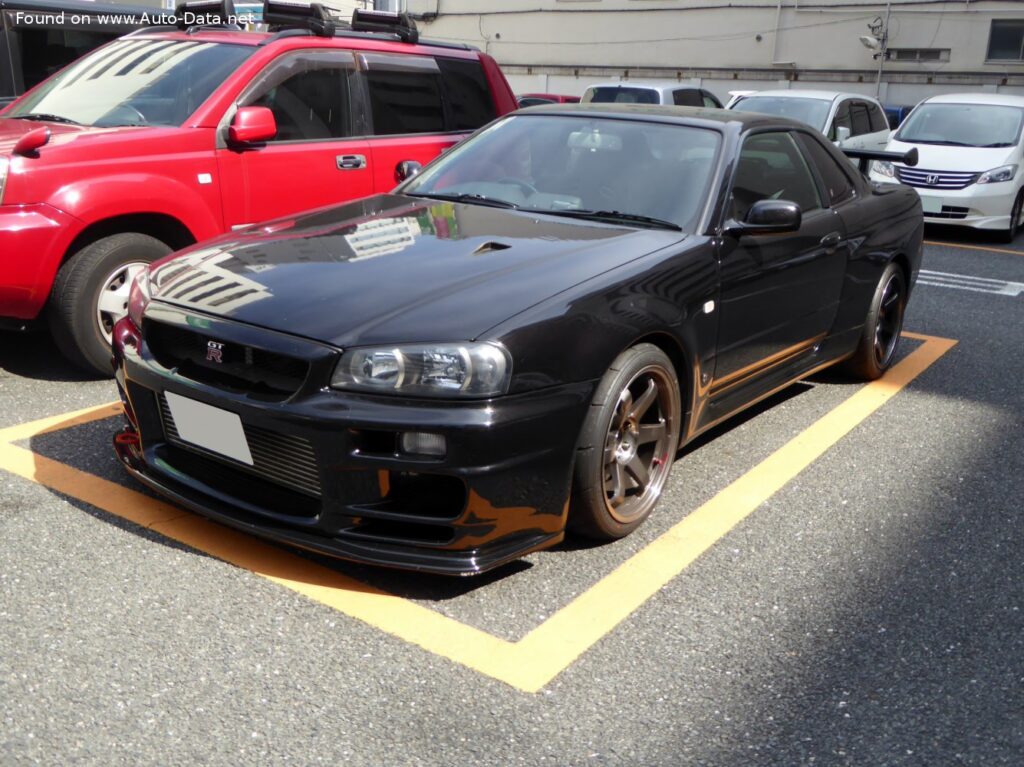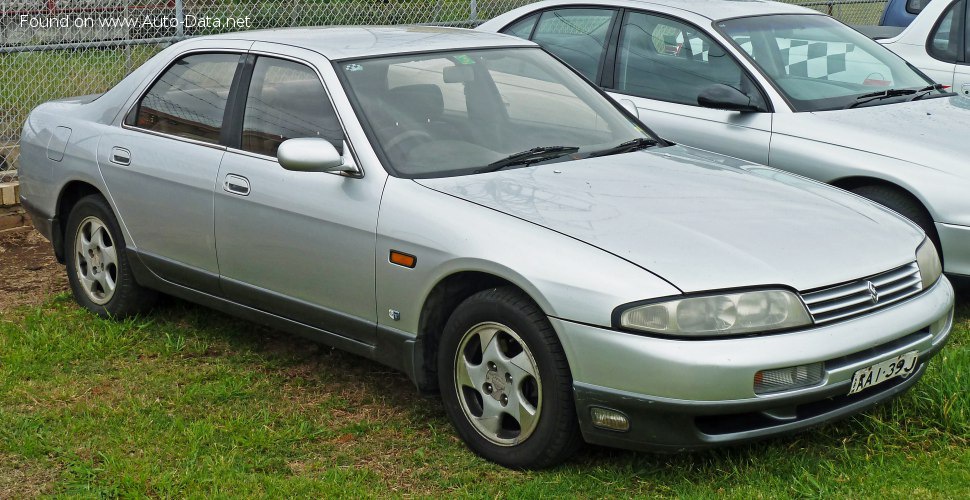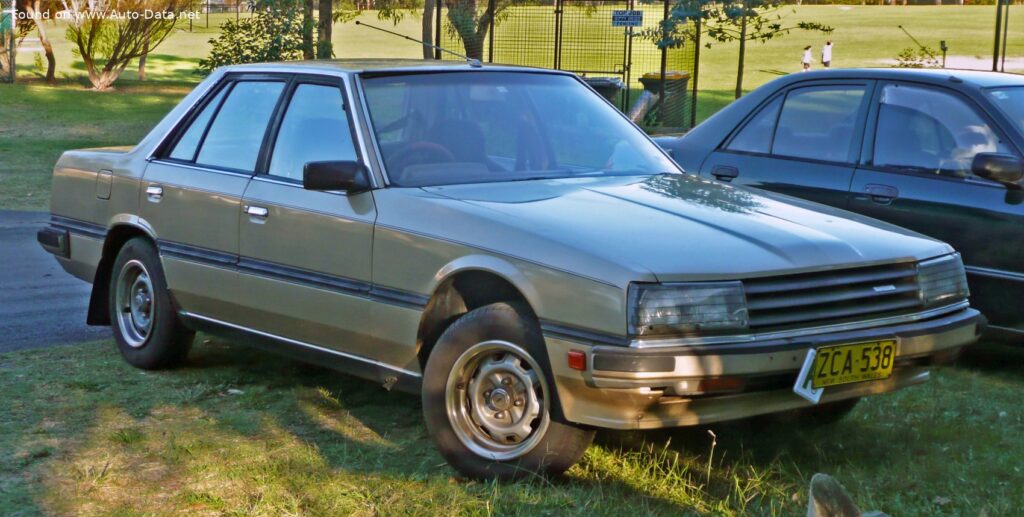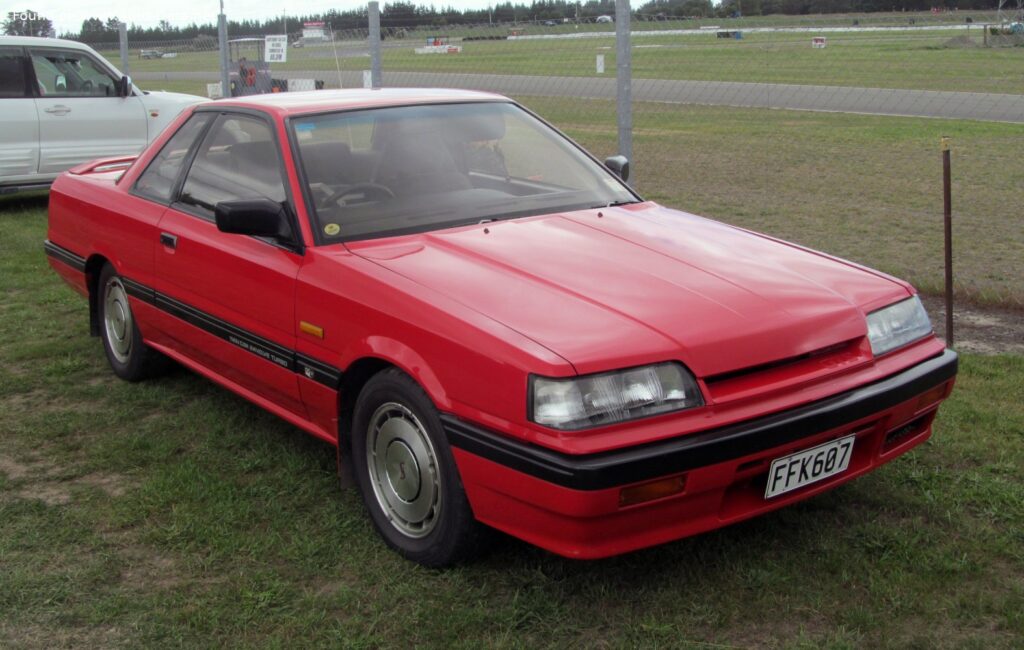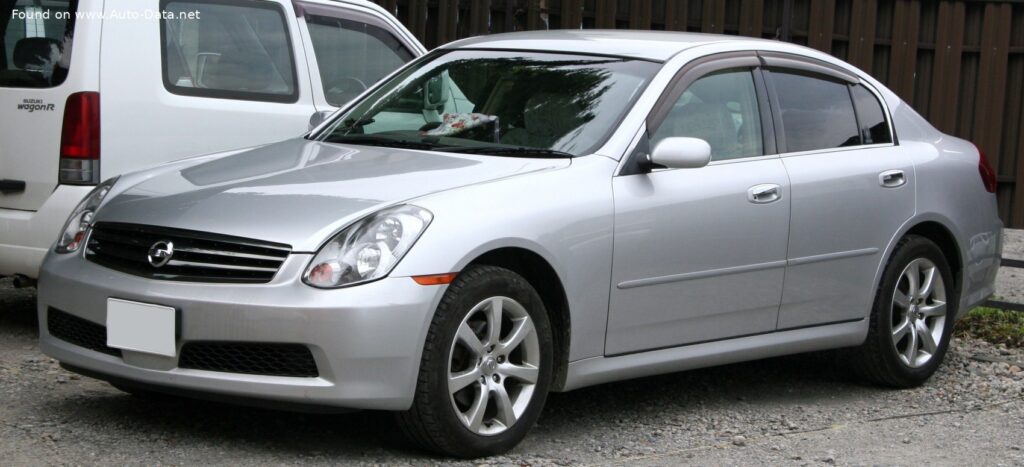
The Nissan Skyline XI (V35), produced from 2001 to 2006, marked a significant departure from its revered predecessors in the iconic Skyline lineage. This eleventh generation of the Nissan Skyline, specifically the 3.0 i V6 24V GT variant with 260 horsepower, represented a strategic shift for Nissan, moving the Skyline nameplate from its traditional performance-focused, often turbocharged, inline-six roots towards a more refined, luxury-sport sedan and coupe architecture. While primarily marketed in Japan as the Skyline, this generation gained widespread international recognition, particularly in North America, where it was rebadged and sold as the first generation Infiniti G35 sedan and coupe. This dual identity underscored Nissan’s ambition to position the V35 as a global competitor in the premium sports sedan segment, challenging established European and domestic rivals.
The V35 Skyline 3.0 i GT: Positioning and Overview
The 3.0 i V6 24V GT trim occupied a mid-range position within the V35 Skyline lineup. It served as the gateway to the V6 engine options, offering a substantial performance upgrade over the entry-level 2.5-liter models while remaining more accessible than the higher-performance variants like the 3.5-liter models. It was designed to appeal to buyers seeking a blend of sporty driving dynamics and everyday comfort, making it a popular choice for both enthusiasts and those prioritizing a refined driving experience. The V35 chassis, known as the FM (Front Midship) platform, was a key element in achieving this balance.
Powertrain & Engine Architecture
At the heart of the Nissan Skyline XI (V35) 3.0 i V6 24V GT lies the VQ30DD engine, a member of Nissan’s highly regarded VQ engine family. This is a 3.0-liter (2987 cm³ or 182.28 cubic inches) naturally aspirated V6 engine. It features a sophisticated direct injection fuel system and a Double Overhead Camshaft (DOHC) valvetrain with 24 valves (four valves per cylinder). The direct injection system optimizes fuel delivery and combustion efficiency, contributing to both performance and fuel economy. The engine utilizes a cast aluminum block and cylinder heads, contributing to weight reduction.
The VQ30DD produces 260 horsepower at 6400 rpm and 239 lb-ft (324 Nm) of torque at 4800 rpm. The engine is longitudinally mounted, contributing to the car’s favorable front-midship weight distribution. A compression ratio of 11:1 was employed to maximize efficiency and power output using regular unleaded gasoline. The engine’s design prioritized smooth power delivery and responsiveness across a broad RPM range.
Power is transmitted to the rear wheels via a 5-speed automatic transmission. This transmission, while not offering the engagement of a manual gearbox, provided smooth and relatively quick shifts, catering to the target audience’s preference for convenience and comfort. The automatic transmission featured adaptive shift logic, adjusting shift points based on driving conditions and driver input.
Driving Characteristics
The 3.0 i V6 24V GT with the 5-speed automatic offered a comfortable and capable driving experience. Acceleration from 0 to 60 mph took approximately 7.2 seconds, and the car could reach an electronically limited top speed of 142.92 mph (230 km/h). Compared to the manual transmission versions of the same engine, the automatic resulted in a slight performance decrease due to inherent transmission losses. However, the automatic provided a more relaxed driving experience, particularly in city traffic. Compared to the higher-output 3.5-liter V6 models, the 3.0-liter engine offered a more manageable power curve, making it easier to modulate throttle inputs and maintain control in various driving conditions. The gear ratios were tuned for a balance between acceleration and fuel efficiency, with the lower gears providing brisk off-the-line performance and the higher gears optimized for highway cruising.
Equipment & Trim Levels
The 3.0 i GT trim came standard with a comprehensive list of features for its time. Interior appointments included cloth upholstery, power-adjustable front seats, automatic climate control, a premium audio system, and power windows and locks. Optional extras included leather upholstery, a sunroof, navigation system, and upgraded audio systems. The dashboard layout was driver-focused, with logically arranged controls and clear instrumentation. Exterior features included alloy wheels, a rear spoiler, and color-matched side moldings. The overall interior design aimed for a balance of sportiness and luxury, reflecting the car’s positioning as a premium sports sedan.
Chassis & Braking
The V35 Skyline utilized Nissan’s FM platform, which positioned the engine behind the front axle, resulting in a near-perfect 53:47 front-to-rear weight distribution. This configuration significantly improved handling balance and responsiveness. The suspension consisted of independent wishbone suspension at all four corners, providing a comfortable ride while maintaining excellent control. The braking system featured ventilated disc brakes on all four wheels, providing ample stopping power. An Anti-lock Braking System (ABS) was standard, enhancing safety during emergency braking. The 3.0 i GT typically came equipped with 215/55 R17 V-rated tires, offering a good balance of grip and ride comfort. Rear drum brakes were not used on this trim level.
Market Reception & Comparison
Critics generally praised the V35 Skyline 3.0 i GT for its refined driving dynamics, powerful engine, and comfortable interior. It was often lauded as a compelling alternative to European sports sedans, offering a similar level of performance and luxury at a more competitive price point. Fuel economy was considered respectable for a V6-powered vehicle, averaging around 27.4 US mpg combined. Reliability was generally good, although some owners reported issues with the automatic transmission over the long term. Compared to the 2.5-liter models, the 3.0 i GT offered a significant performance boost, making it a more engaging driving experience. Compared to the 3.5-liter models, the 3.0 i GT was more fuel-efficient and slightly more affordable, appealing to a broader range of buyers.
Technical Specifications
| Category | Specification |
| Brand | Nissan |
| Model | Skyline XI (V35) |
| Type (Engine) | 3.0 i V6 24V GT (260 Hp) |
| Production Start | 2001 |
| Production End | 2006 |
| Powertrain Architecture | Internal Combustion Engine |
| Body Type | Sedan |
| Seats | 5 |
| Doors | 4 |
| Fuel Consumption (Combined) | 8.6 l/100 km |
| Fuel Type | Petrol (Gasoline) |
| Acceleration 0-60 mph | 7.2 sec |
| Maximum Speed | 230 km/h |
| Weight-to-Power Ratio | 5.7 kg/Hp |
| Power | 260 Hp @ 6400 rpm |
| Torque | 324 Nm @ 4800 rpm |
| Engine Displacement | 2987 cm³ |
| Number of Cylinders | 6 |
| Compression Ratio | 11:1 |
| Fuel Injection System | Direct Injection |
| Curb Weight | 1490 kg |
| Fuel Tank Capacity | 80 l |
| Length | 4765 mm |
| Width | 1750 mm |
| Height | 1470 mm |
| Wheelbase | 2850 mm |
| Gearbox | 5-speed automatic |
| Front Suspension | Wishbone |
| Rear Suspension | Wishbone |
| Front Brakes | Ventilated Discs |
| Rear Brakes | Ventilated Discs |
| Tire Size | 215/55 R17 V |
Legacy
The Nissan Skyline XI (V35) 3.0 i V6 24V GT, and the Infiniti G35 that shared its underpinnings, has proven to be a relatively reliable vehicle in the used car market. The VQ30DD engine is known for its durability, although regular maintenance is crucial to prevent issues such as oil consumption and timing chain wear. The automatic transmission, while generally reliable, can experience problems with valve body solenoids and torque converter failure. Today, the V35 remains a popular choice for enthusiasts seeking an affordable and capable sports sedan. Its combination of performance, comfort, and style has ensured its continued appeal, and it is often seen as a gateway into the world of rear-wheel-drive performance cars. Parts availability is generally good, and a strong aftermarket support network exists for those seeking to modify or upgrade their V35 Skyline.