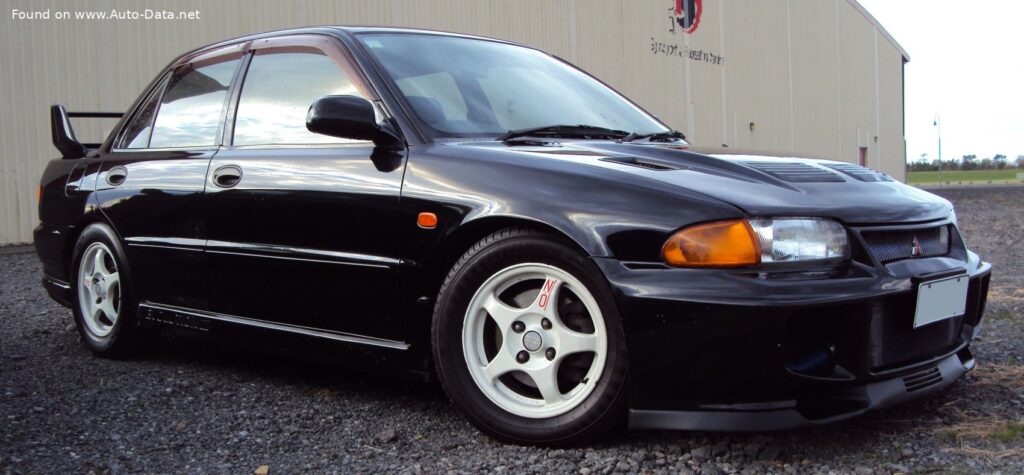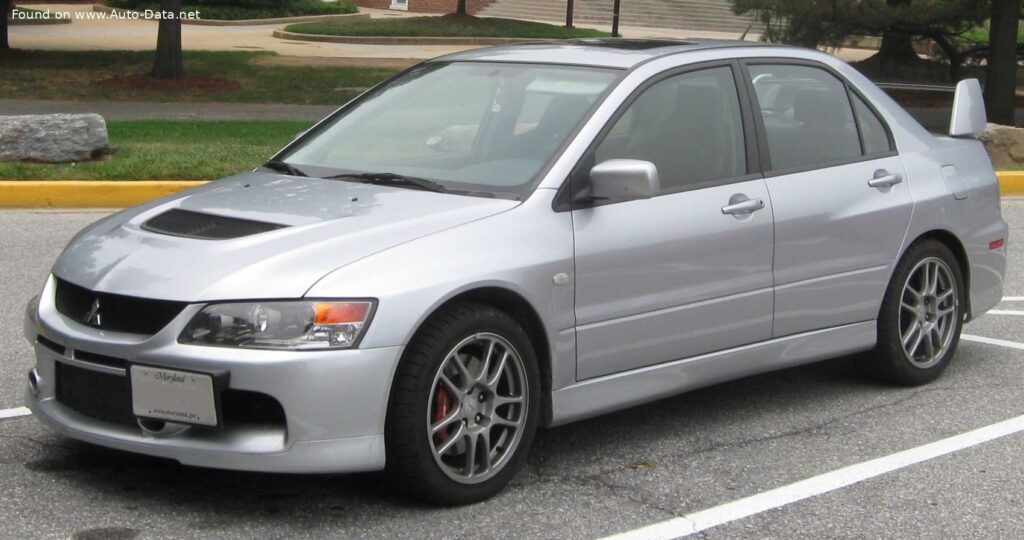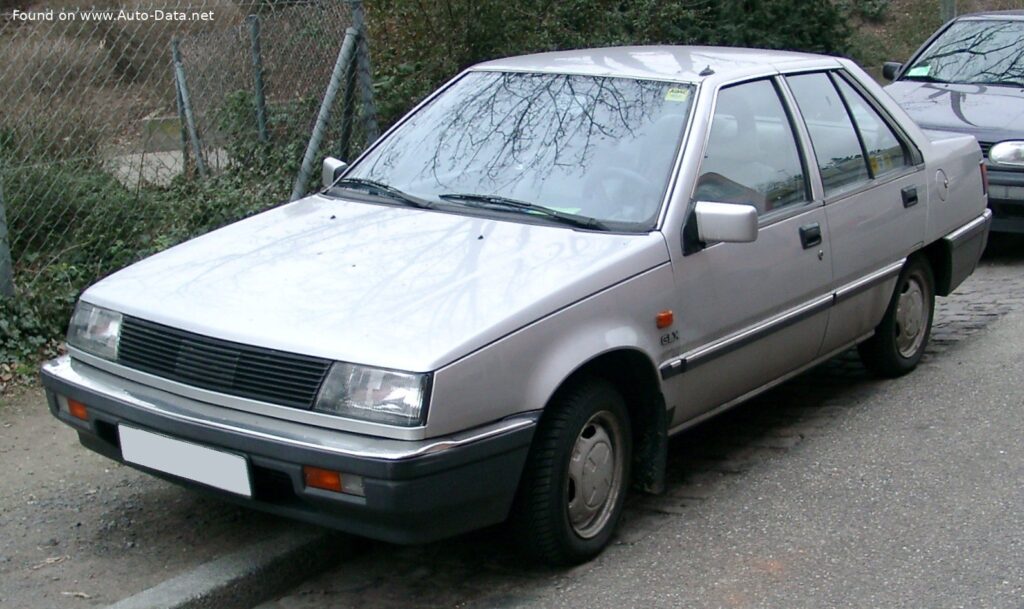
The Mitsubishi Lancer III 1.2 (55 Hp), designated chassis code C10 series, represents a pivotal generation in the Lancer’s history. Introduced in 1984, this iteration showcased a more aerodynamic and contemporary design compared to its predecessors, while upholding Mitsubishi’s commitment to robust engineering and dependability. This specific 1.2-liter, 55 horsepower variant was positioned as an entry-level, highly economical compact sedan, primarily aimed at markets outside of North America where fuel efficiency, affordability, and lower taxation on smaller displacement engines were prioritized. While the Lancer nameplate was sold in the United States, this particular model served as a practical vehicle in Asian, European, and other international markets, embodying a no-frills approach to personal transportation common in the mid-1980s.
Powertrain & Engine Architecture
The Mitsubishi Lancer III 1.2 (55 Hp) was powered by the Mitsubishi 4G16 engine, a naturally aspirated, inline four-cylinder gasoline engine. Displacing 1,198 cubic centimeters (approximately 1.2 liters or 73.11 cubic inches), the engine was designed for efficiency and longevity rather than high performance. It produced 55 horsepower at 5,000 revolutions per minute (rpm) and 66.38 lb-ft of torque at 3,500 rpm. These figures, while modest by today’s standards, were sufficient for the car’s intended purpose and the driving conditions of its target markets.
The 4G16 engine featured a Single Overhead Camshaft (SOHC) valvetrain with two valves per cylinder, a reliable and common configuration for the era. Fuel delivery was managed by a carburetor, a technology still prevalent in the mid-1980s before the widespread adoption of electronic fuel injection. This contributed to the engine’s simplicity and ease of maintenance. The powertrain was typically mated to a 5-speed manual transmission, driving the front wheels – a layout becoming increasingly standard for compact cars due to its packaging efficiency and improved traction.
Driving Characteristics
The Lancer III 1.2 (55 Hp) offered a driving experience focused on economy and practicality. Acceleration from 0 to 60 miles per hour took approximately 14.2 seconds, with a top speed of around 93 miles per hour (150 km/h). While significantly slower than higher-output Lancer variants like those equipped with larger engines, the 1.2-liter model provided adequate performance for urban driving and highway cruising. The 5-speed manual transmission allowed drivers to optimize engine speed for fuel efficiency or to extract the most available power when needed.
Compared to manual transmission versions, the automatic transmission (when available) offered increased convenience but at the cost of some performance and fuel economy. The automatic’s gear ratios were tuned for smooth operation and fuel efficiency, resulting in a more relaxed driving experience but less responsiveness. The modest torque output of the 4G16 engine meant that the automatic transmission required frequent downshifts when encountering hills or overtaking other vehicles. The weight-to-power ratio of 15.2 kg per horsepower underscored its role as an efficient commuter rather than a performance vehicle.
Equipment & Trim Levels
The Mitsubishi Lancer III 1.2 (55 Hp) was typically offered in a basic trim level, reflecting its position as an entry-level model. Standard features generally included cloth upholstery, vinyl floor covering, and a simple dashboard layout with analog gauges. Power steering and air conditioning were often optional extras, depending on the market. The radio was usually a basic AM/FM unit, and power windows and central locking were rarely included as standard equipment.
Interior appointments were functional and durable, prioritizing practicality over luxury. The focus was on providing comfortable seating for five occupants and a straightforward driving environment. Optional extras could include upgraded seat fabrics, a more sophisticated radio, and exterior trim enhancements. The overall aim was to offer a reliable and affordable vehicle with essential features for everyday use.
Chassis & Braking
The Lancer III’s chassis featured an independent MacPherson strut suspension at the front and an independent coil spring system with a transverse stabilizer and trailing arm at the rear. This configuration provided a comfortable ride and predictable handling, suitable for a variety of road conditions. The suspension was tuned for compliance rather than sporty handling, prioritizing ride comfort and stability.
Braking was typically handled by disc brakes at the front and drum brakes at the rear, a common setup for vehicles of this class and power output. The braking system was adequate for the car’s weight and performance, providing sufficient stopping power for everyday driving. Steering was a rack-and-pinion system, offering direct and responsive feedback to the driver. Standard wheel rims were 13-inch steel units, often fitted with hubcaps.
Market Reception & Comparison
The Mitsubishi Lancer III 1.2 (55 Hp) was generally well-received in markets where fuel efficiency and affordability were key considerations. Critics praised its reliability, low running costs, and practical design. However, its modest performance was often noted, and it was generally considered less refined than some of its European competitors. Fuel economy was a strong point, with urban consumption around 27.7 US mpg and highway ratings of 43.6 US mpg.
Compared to other Lancer trims, such as those equipped with larger engines, the 1.2-liter model offered significantly lower performance but superior fuel economy. It competed with other Japanese compacts like the Toyota Corolla, Honda Civic, and Nissan Sunny (Sentra), as well as European rivals like the Volkswagen Golf and Opel Kadett (Vauxhall Astra). The Lancer III distinguished itself through its straightforward engineering and durable powertrain.
Technical Specifications
| Category | Specification |
| General Information | |
| Brand | Mitsubishi |
| Model | Lancer |
| Generation | Lancer III |
| Type (Engine) | 1.2 (55 Hp) |
| Start of Production | 1984 |
| End of Production | 1986 |
| Powertrain Architecture | Internal Combustion engine |
| Body type | Sedan (4 Doors, 5 Seats) |
| Performance Specifications | |
| Fuel consumption (economy) – urban | 8.5 l/100 km (27.7 US mpg) |
| Fuel consumption (economy) – extra urban | 5.4 l/100 km (43.6 US mpg) |
| Fuel Type | Petrol (Gasoline) |
| Acceleration 0 – 60 mph | 14.2 sec (Calculated by Auto-Data.net) |
| Maximum speed | 150 km/h (93.21 mph) |
| Weight-to-power ratio | 15.2 kg/Hp (65.9 Hp/tonne) |
| Weight-to-torque ratio | 9.3 kg/Nm (107.8 Nm/tonne) |
| Engine Specifications | |
| Power | 55 Hp @ 5000 rpm |
| Power per liter | 45.9 Hp/l |
| Torque | 90 Nm @ 3500 rpm (66.38 lb.-ft. @ 3500 rpm) |
| Engine layout | Front, Longitudinal |
| Engine Model/Code | 4G16 |
| Engine displacement | 1198 cm3 (1.2 Liters / 73.11 cu. in.) |
| Number of cylinders | 4 (Inline configuration) |
| Cylinder Bore | 68.2 mm (2.69 in.) |
| Piston Stroke | 82 mm (3.23 in.) |
| Compression ratio | 9.5:1 |
| Number of valves per cylinder | 2 |
| Fuel injection system | Carburetor |
| Engine aspiration | Naturally aspirated engine |
| Valvetrain | SOHC (Single Overhead Camshaft) |
| Engine oil capacity | 3.5 l (3.7 US qt) |
| Coolant capacity | 5 l (5.28 US qt) |
| Space, Volume and Weights | |
| Kerb Weight | 835 kg (1840.86 lbs.) |
| Max. weight (Gross Vehicle Weight) | 1340 kg (2954.19 lbs.) |
| Max load | 505 kg (1113.33 lbs.) |
| Fuel tank capacity | 45 l (11.89 US gal) |
| Permitted trailer load with brakes (12%) | 1000 kg (2204.62 lbs.) |
| Permitted trailer load without brakes | 400 kg (881.85 lbs.) |
| Dimensions | |
| Length | 4125 mm (162.4 in.) |
| Width | 1635 mm (64.37 in.) |
| Height | 1360 mm (53.54 in.) |
| Wheelbase | 2380 mm (93.7 in.) |
| Front track | 1390 mm (54.72 in.) |
| Rear (Back) track | 1340 mm (52.76 in.) |
| Drag coefficient (Cd) | 0.38 |
| Drivetrain, Brakes and Suspension Specifications | |
| Drivetrain Architecture | Front wheel drive (Internal Combustion engine drives the front wheels) |
| Number of gears and type of gearbox | 5 gears, manual transmission |
| Front suspension | Independent type McPherson |
| Rear suspension | Independent coil spring, Transverse stabilizer, Trailing arm |
| Front brakes | Disc |
| Rear brakes | Drum |
| Steering type | Steering rack and pinion |
| Wheel rims size | 5J x 13 |
Legacy
The Mitsubishi Lancer III 1.2 (55 Hp) played a significant role in establishing Mitsubishi’s presence in the global compact car market during the 1980s. While not a performance icon, this model solidified Mitsubishi’s reputation for producing reliable, fuel-efficient, and affordable vehicles. In many Asian, European, and developing markets, it was a popular choice for families and individuals seeking dependable transportation without a high price tag.
Its long-term reliability has been generally good, with many examples still surviving today. However, age-related issues such as corrosion and wear on rubber components are common. In the used car market, the Lancer III 1.2 (55 Hp) is valued as a classic car, appreciated for its simplicity and historical significance. While not highly sought after by collectors, it represents a foundational model in the Lancer lineage, paving the way for the more performance-oriented variants that would follow. It remains a testament to Mitsubishi’s engineering philosophy of the era: building durable, efficient vehicles that met the practical needs of drivers worldwide.