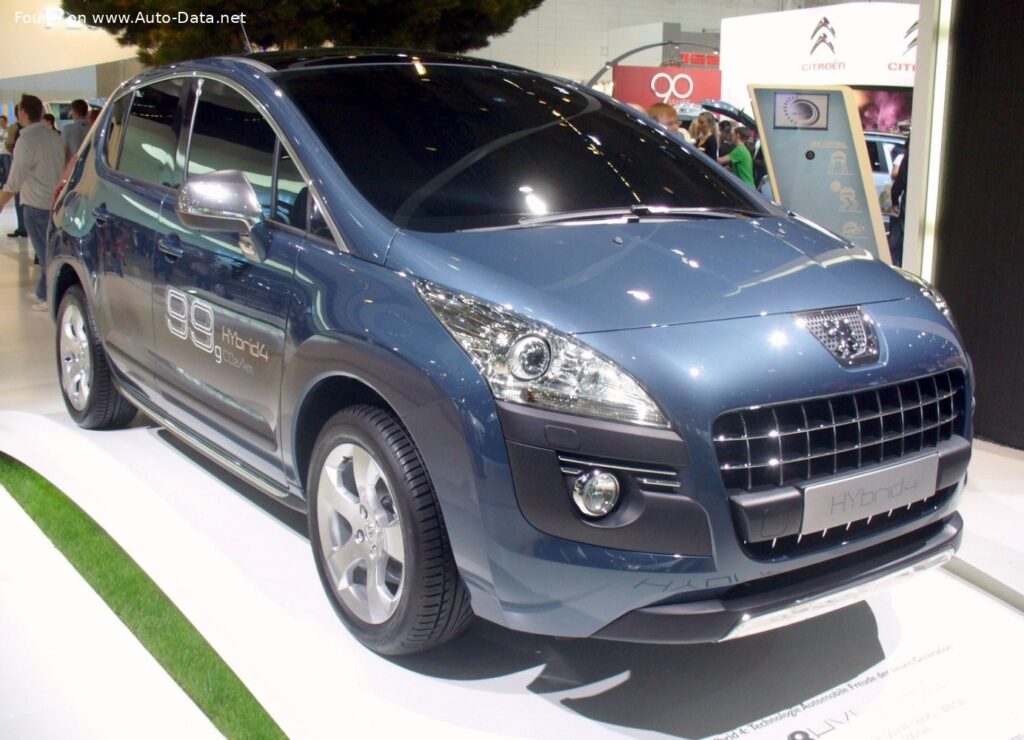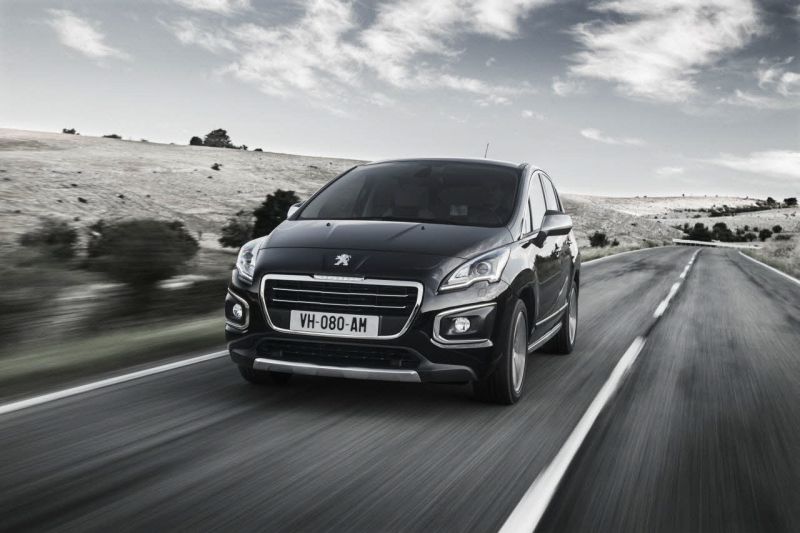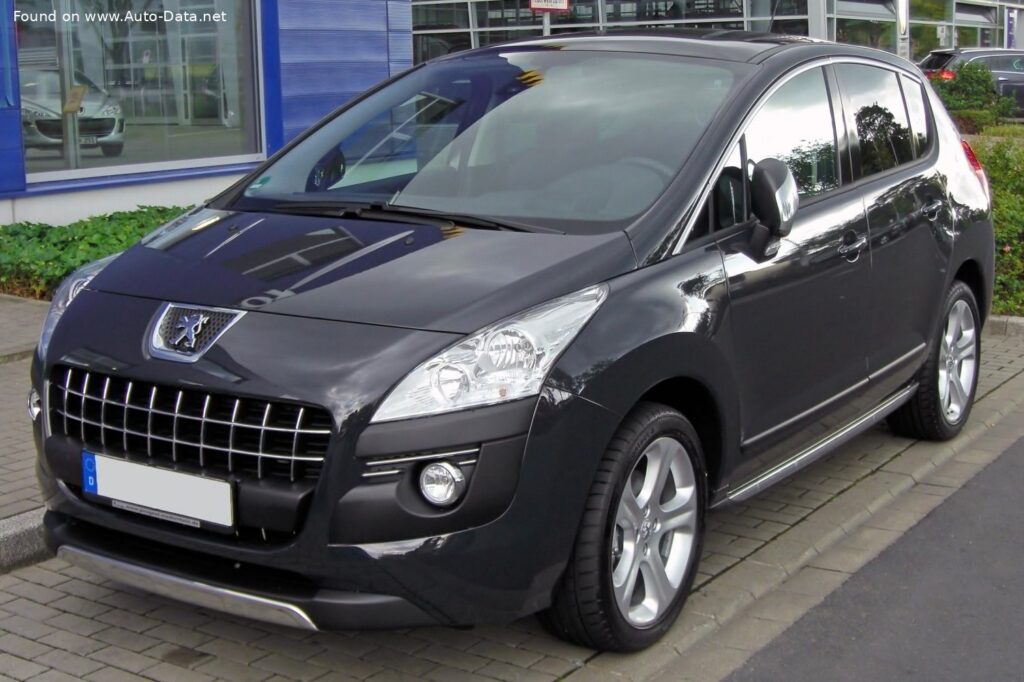
The Peugeot 3008 I (Phase I, 2009) represented a significant and somewhat unconventional entry for the French automaker into the burgeoning compact crossover SUV segment. Launched in 2009, this first-generation 3008, specifically the Phase I variant, aimed to blend the practicality of a multi-purpose vehicle (MPV) with the elevated driving position and rugged aesthetics of an SUV. Positioned primarily for the European and Asian markets, where it competed fiercely with established rivals, the 3008 was designed to offer a unique blend of comfort, versatility, and driving dynamics. The 1.6 THP (Turbo High Pressure) engine, delivering 156 horsepower, stood out as a particularly compelling powertrain option, offering a balance of performance and fuel efficiency that was highly regarded in its class.
The 1.6 THP Variant: Positioning and Role
The 1.6 THP 156 hp variant of the Peugeot 3008 I (Phase I) occupied a mid-range position within the model lineup. It wasn’t the entry-level option – that was typically reserved for lower-powered diesel engines – but it also wasn’t the flagship trim. Instead, it targeted buyers who desired a more spirited driving experience than the base models could offer, without the higher price tag associated with the more powerful, and often diesel-fueled, top-of-the-line versions. This trim level appealed to families and individuals who valued a balance between performance, fuel economy, and equipment. It was a popular choice for those who frequently undertook longer journeys, where the engine’s torque and highway cruising ability were particularly beneficial.
Powertrain & Engine Architecture
At the heart of the Peugeot 3008 I (Phase I) 1.6 THP lies the EP6CDT engine, a collaborative development between PSA Peugeot Citroën and BMW. This 1.6-liter (1598 cc) inline four-cylinder gasoline engine utilizes a front, transverse engine layout. The engine’s key features include direct fuel injection and a turbocharger with an intercooler, technologies that were considered advanced for a mainstream compact vehicle at the time. Direct injection optimizes fuel delivery and combustion efficiency, while the turbocharger boosts power output by forcing more air into the cylinders. The engine employs a dual overhead camshaft (DOHC) valvetrain with four valves per cylinder, further enhancing its breathing and performance.
The 1.6 THP engine produces 156 horsepower (hp) at 6000 rpm and 240 Nm (177.01 lb-ft) of torque at a remarkably low 1400 rpm. This broad torque band is a defining characteristic of the engine, providing strong acceleration and responsiveness across a wide range of driving conditions. Power is transmitted to the front wheels through a six-speed manual transmission. The transmission’s gear ratios are optimized to balance acceleration and fuel efficiency, with a relatively tall sixth gear for comfortable highway cruising. The engine’s oil capacity is 4.25 liters, and the coolant system holds 6.2 liters, indicating a well-engineered thermal management system.
Driving Characteristics
The 1.6 THP-equipped 3008 offered a noticeably more engaging driving experience compared to the lower-powered diesel variants. The engine’s readily available torque made it feel responsive in everyday driving situations, such as merging onto highways or overtaking slower vehicles. While not a sports car, the 1.6 THP provided sufficient power for confident and enjoyable driving. Acceleration from 0 to 60 mph was achieved in approximately 8.5 seconds, and the top speed was around 125.52 mph (202 km/h). The six-speed manual transmission allowed drivers to maintain optimal engine speed for performance or fuel efficiency. Compared to a hypothetical higher-output version, the 1.6 THP prioritized usability and fuel economy over outright speed. The manual transmission, while engaging, lacked the convenience of an automatic, which was offered on some other 3008 variants.
Equipment & Trim Levels
The 1.6 THP variant of the Peugeot 3008 I (Phase I) typically came equipped with a respectable level of standard features. These included air conditioning, power windows, power door locks, a CD/MP3 stereo system, and alloy wheels. Higher trim levels, often denoted by names like “Sport” or “Allure,” added features such as automatic climate control, a panoramic sunroof, parking sensors, and upgraded interior upholstery. Interior materials were generally of good quality for the price point, with a focus on comfort and ergonomics. The dashboard layout was modern and functional, with intuitive controls. Optional extras included a navigation system, leather seats, and a premium sound system. The standard seating configuration provided comfortable accommodation for five passengers, and the rear seats could be folded down to increase cargo capacity.
Chassis & Braking
The Peugeot 3008 I (Phase I) utilized an independent McPherson strut suspension setup with coil springs and an anti-roll bar at the front, providing a comfortable ride and stable handling. The rear suspension employed a semi-independent coil spring arrangement. This suspension configuration was well-suited to the vehicle’s weight and intended use. Braking duties were handled by ventilated discs at the front and solid discs at the rear. The braking system was equipped with ABS (Anti-lock Braking System) to enhance braking control under challenging conditions. The electric power steering system provided light and precise steering feel, making it easy to maneuver in urban environments. Tire sizes typically ranged from 225/50 R17 to 235/45 R18, depending on the trim level.
Market Reception & Comparison
The Peugeot 3008 I (Phase I) 1.6 THP received generally positive reviews from automotive critics. It was praised for its comfortable ride, refined engine, and stylish interior. The engine’s fuel efficiency was also a strong point, with combined fuel consumption rated at 7.3 liters per 100 kilometers (32.2 US mpg). Compared to the lower-powered diesel variants, the 1.6 THP offered a more engaging driving experience. However, it wasn’t as fuel-efficient as the diesel models. Compared to competitors like the Nissan Qashqai and Volkswagen Tiguan, the 3008 offered a unique blend of style and practicality. Some critics noted that the 3008’s styling was somewhat polarizing, but its overall quality and refinement were generally well-regarded. Reliability reports suggested that the 1.6 THP engine was generally reliable, although some owners reported issues with the turbocharger and fuel injectors.
Technical Specifications
| Category | Specification |
| Brand | Peugeot |
| Model | 3008 |
| Generation | 3008 I (Phase I, 2009) |
| Type (Engine) | 1.6 THP (156 Hp) |
| Start of production | 2009 year |
| End of production | 2013 year |
| Powertrain Architecture | Internal Combustion engine |
| Body type | SUV |
| Seats | 5 |
| Doors | 5 |
| Fuel consumption (economy) – urban | 10 l/100 km (23.5 US mpg) |
| Fuel consumption (economy) – extra urban | 5.8 l/100 km (40.6 US mpg) |
| Fuel consumption (economy) – combined | 7.3 l/100 km (32.2 US mpg) |
| Fuel Type | Petrol (Gasoline) |
| Acceleration 0 – 60 mph | 8.5 sec |
| Maximum speed | 202 km/h (125.52 mph) |
| Emission standard | Euro 5 |
| Weight-to-power ratio | 9.4 kg/Hp, 106.9 Hp/tonne |
| Weight-to-torque ratio | 6.1 kg/Nm, 164.5 Nm/tonne |
| Power | 156 Hp @ 6000 rpm |
| Power per liter | 97.6 Hp/l |
| Torque | 240 Nm (177.01 lb.-ft.) @ 1400 rpm |
| Engine layout | Front, Transverse |
| Engine Model/Code | 5FV EP6CDT |
| Engine displacement | 1598 cm3 (97.52 cu. in.) |
| Number of cylinders | 4 |
| Engine configuration | Inline |
| Number of valves per cylinder | 4 |
| Fuel injection system | Direct injection |
| Engine aspiration | Turbocharger, Intercooler |
| Engine oil capacity | 4.25 l (4.49 US qt) |
| Coolant | 6.2 l (6.55 US qt) |
| Kerb Weight | 1459 kg (3216.54 lbs.) |
| Max. weight | 2020 kg (4453.34 lbs.) |
| Max load | 561 kg (1236.79 lbs.) |
| Trunk (boot) space – minimum | 432 l (15.26 cu. ft.) |
| Trunk (boot) space – maximum | 1241 l (43.83 cu. ft.) |
| Fuel tank capacity | 60 l (15.85 US gal) |
| Length | 4365 mm (171.85 in.) |
| Width | 1837 mm (72.32 in.) |
| Height | 1635 mm (64.37 in.) |
| Wheelbase | 2613 mm (102.87 in.) |
| Minimum turning circle (turning diameter) | 10.9 m (35.76 ft.) |
| Drivetrain Architecture | Front-wheel drive, Internal Combustion engine |
| Drive wheel | Front wheel drive |
| Number of gears and type of gearbox | 6 gears, manual transmission |
| Front suspension | Independent, type McPherson with coil spring and anti-roll bar |
| Rear suspension | Semi-independent, coil spring |
| Front brakes | Ventilated discs |
| Rear brakes | Disc |
| Assisting systems | ABS (Anti-lock braking system) |
| Steering type | Steering rack and pinion |
| Power steering | Electric Steering |
| Tires size | 225/50 R17; 235/45 R18 |
| Wheel rims size | 17; 18 |
Legacy
The 1.6 THP engine, while not without its occasional issues, proved to be a relatively durable and efficient powerplant. In the used car market, 3008s equipped with this engine are generally sought after for their balance of performance and economy. Regular maintenance, including oil changes and inspections of the turbocharger and fuel injectors, is crucial for ensuring long-term reliability. The first-generation Peugeot 3008, and particularly the 1.6 THP variant, represents a significant step in Peugeot’s evolution as a manufacturer of stylish, practical, and well-engineered vehicles. It laid the foundation for the brand’s subsequent success in the competitive crossover SUV segment.