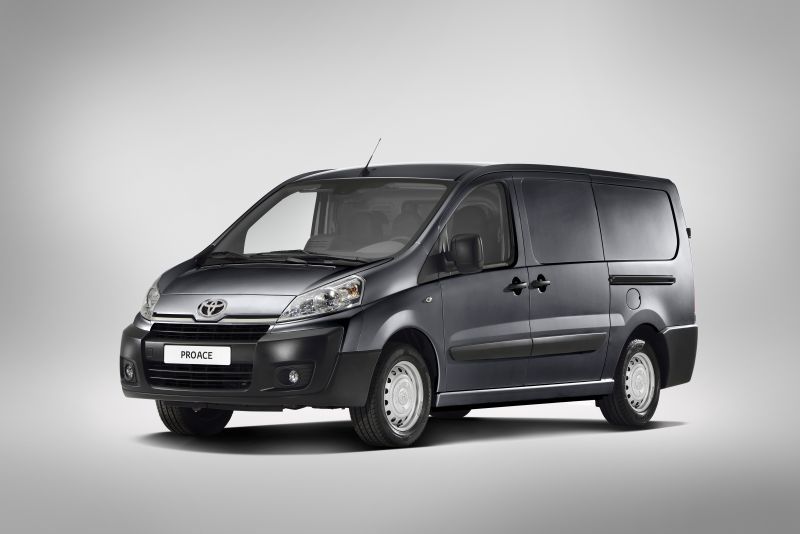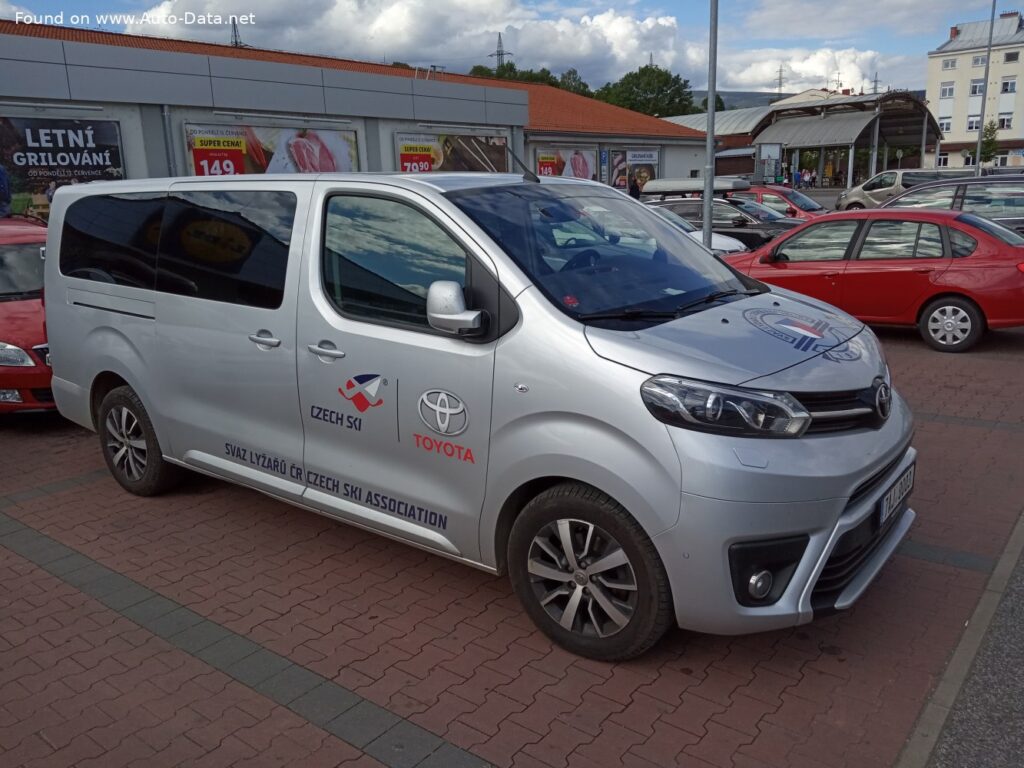
The Toyota Proace Verso II LWB 75 kWh (136 Hp) Electric represents a significant step for Toyota in the burgeoning electric vehicle (EV) segment, particularly within the passenger minivan and shuttle vehicle market. Launched in April 2021, this second-generation Proace Verso variant specifically targets the demand for zero-emission transportation solutions for families, businesses, and public services across Europe and other international markets where such versatile vans are highly popular. As a Battery Electric Vehicle (BEV), it combines the practicality and spaciousness expected of a long-wheelbase minivan with the environmental benefits and operational efficiencies of an all-electric powertrain.
The Proace Verso II LWB: Positioning and Origins
While the Proace Verso model line is a product of a collaborative venture, primarily with the former PSA Group (now Stellantis), Toyota’s iteration brings its renowned reputation for reliability and customer service to the platform. The “Verso” designation traditionally denotes passenger-oriented variants within Toyota’s light commercial vehicle lineup, distinguishing it from the cargo-focused Proace Van. The LWB (Long Wheelbase) configuration further enhances its appeal, offering maximum interior volume for up to nine occupants or substantial cargo. This specific 75 kWh, 136 hp electric variant sits as a key offering within the Proace Verso II range, targeting customers prioritizing zero-emission operation and ample space. It’s positioned as a premium option compared to internal combustion engine versions, reflecting the higher initial cost of EV technology.
Powertrain & Engine Architecture
At the heart of the Toyota Proace Verso II LWB Electric is an advanced all-electric powertrain, engineered for smooth, quiet operation and immediate torque delivery. The vehicle is propelled by a single synchronous electric motor, strategically positioned on the front axle in a transverse orientation, driving the front wheels. This motor generates 136 horsepower (Hp), providing ample power for urban and highway driving, particularly given its primary role as a people mover or cargo transporter.
Instantaneous torque is a significant advantage of electric vehicles, and the Proace Verso II LWB Electric delivers a robust 260 Nm (191.77 lb.-ft.) of system torque. Power is managed through a single-speed automatic transmission, simplifying the driving experience and contributing to the powertrain’s overall efficiency. The transmission is a reduction gear system, typical of EVs, designed to optimize torque delivery and efficiency rather than offering multiple gear ratios.
Energy storage is handled by a substantial 75 kWh gross capacity lithium-ion battery pack, cleverly integrated below the floor. This placement not only optimizes interior space but also contributes to a lower center of gravity, enhancing stability and handling. The battery technology allows for an impressive all-electric range (WLTP) of 314 kilometers, or approximately 195.11 miles, making it suitable for a wide array of daily commutes, family trips, and commercial routes without frequent recharging.
Driving Characteristics
The Proace Verso II LWB Electric offers a driving experience markedly different from its internal combustion engine counterparts. The immediate torque delivery of the electric motor provides brisk acceleration, particularly from a standstill. While not designed for sporty performance, the 136 hp output is sufficient for confident merging and overtaking maneuvers. The single-speed transmission contributes to a seamless and linear power delivery, lacking the gear changes associated with traditional automatic transmissions. Compared to diesel versions of the Proace Verso, the electric model offers a quieter and smoother ride, with significantly reduced vibrations. The lower center of gravity, due to the battery pack’s placement, enhances stability, especially when fully loaded. However, the added weight of the battery pack does slightly impact handling agility compared to lighter, gasoline-powered versions.
Equipment & Trim Levels
The Toyota Proace Verso II LWB Electric typically comes well-equipped, reflecting its position as a premium offering. Standard features generally include air conditioning, a touchscreen infotainment system with smartphone integration (Apple CarPlay and Android Auto), a rearview camera, and a comprehensive suite of safety features, including automatic emergency braking, lane departure warning, and adaptive cruise control. Interior upholstery is typically cloth, with options for leather or synthetic leather upgrades. Dashboard configuration is modern and functional, prioritizing ease of use. Optional extras often include a panoramic sunroof, heated seats, upgraded audio systems, and advanced driver-assistance systems like blind-spot monitoring and parking assist.
Chassis & Braking
The chassis and suspension are engineered for comfort and stability, even when fully loaded. It features an independent McPherson-type front suspension, known for its robust and space-efficient design, paired with a wishbone rear suspension, which provides a good balance of ride comfort and handling capability. Braking is handled by disc brakes on both the front and rear axles, complemented by an Anti-lock Braking System (ABS) for enhanced safety during emergency stops. Steering is managed by an electric power-assisted rack and pinion system, offering light and precise control. The vehicle rides on 225/55 R17 tires mounted on 17-inch wheel rims, providing a good compromise between ride comfort and handling. The rear suspension setup is tuned to accommodate the increased weight of the battery pack, ensuring a stable and controlled ride even with a full passenger load.
Market Reception & Comparison
Critics have generally praised the Toyota Proace Verso II LWB Electric for its spacious interior, comfortable ride, and zero-emission operation. Its practicality and versatility have been highlighted as key strengths, making it a compelling option for families and businesses alike. Fuel economy, expressed as MPGe, is competitive with other electric vehicles in its class. Reliability is expected to be strong, leveraging Toyota’s reputation for build quality and durability. Compared to diesel versions of the Proace Verso, the electric model offers lower running costs due to reduced fuel and maintenance expenses. However, the higher initial purchase price remains a barrier for some buyers. Compared to other electric minivans, such as the Mercedes-Benz EQV, the Proace Verso often offers a more competitive price point, though may lack some of the luxury features found in the Mercedes.
Technical Specifications
| Category | Specification |
| General Information | |
| Brand | Toyota |
| Model | Proace Verso II LWB |
| Type (Engine) | 75 kWh (136 Hp) Electric |
| Start of Production | April, 2021 |
| Powertrain Architecture | BEV (Battery Electric Vehicle) |
| Body Type | Minivan |
| Seats | 8-9 |
| Doors | 5 |
| Performance Specifications | |
| Fuel Type | Electricity |
| Maximum Speed | 130 km/h (80.78 mph) |
| Weight-to-Power Ratio | 17 kg/Hp (58.8 Hp/tonne) |
| Weight-to-Torque Ratio | 8.9 kg/Nm (112.4 Nm/tonne) |
| Electric Car & Hybrid Specifications | |
| Gross Battery Capacity | 75 kWh |
| Battery Technology | Lithium-ion (Li-Ion) |
| Battery Location | Below the floor |
| All-electric Range (WLTP) | 314 km (195.11 miles) |
| Average Energy Consumption (WLTP) | 26.9-28 kWh/100 km (43.29 – 45.06 kWh/100 miles) (78 – 75 MPGe) |
| Electric Motor Power | 136 Hp |
| Electric Motor Torque | 260 Nm (191.77 lb.-ft.) |
| Electric Motor Model/Code | ZK01 |
| Electric Motor Location | Front axle, Transverse |
| Electric Motor Type | Synchronous |
| System Power | 136 Hp |
| System Torque | 260 Nm (191.77 lb.-ft.) |
| Space, Volume, and Weights | |
| Kerb Weight | 2314 kg (5101.5 lbs.) |
| Max. Weight (GVWR) | 3100 kg (6834.33 lbs.) |
| Max Load | 786 kg (1732.83 lbs.) |
| Trunk (boot) Space – Minimum | 989 l (34.93 cu. ft.) |
| Trunk (boot) Space – Maximum | 4554 l (160.82 cu. ft.) |
| Permitted Trailer Load with Brakes (12%) | 1000 kg (2204.62 lbs.) |
| Permitted Towbar Download | 60 kg (132.28 lbs.) |
| Dimensions | |
| Length | 5309 mm (209.02 in.) |
| Width | 1920 mm (75.59 in.) |
| Height | 1890 mm (74.41 in.) |
| Wheelbase | 3275 mm (128.94 in.) |
| Front Track | 1627 mm (64.06 in.) |
| Rear (Back) Track | 1600 mm (62.99 in.) |
| Drivetrain, Brakes, and Suspension | |
| Drivetrain Architecture | One electric motor drives the front wheels. |
| Drive Wheel | Front-wheel drive |
| Number of Gears and Type of Gearbox | 1 gear, automatic transmission |
| Front Suspension | Independent type McPherson |
| Rear Suspension | Wishbone |
| Front Brakes | Disc |
| Rear Brakes | Disc |
| Assisting Systems | ABS (Anti-lock braking system) |
| Steering Type | Steering rack and pinion |
| Power Steering | Electric Steering |
| Tires Size | 225/55 R17 |
| Wheel Rims Size | 17 inches |
Legacy
The Toyota Proace Verso II LWB 75 kWh (136 Hp) Electric plays a crucial role in Toyota’s broader strategy for electrification, particularly in markets outside the United States where large, versatile minivans and light commercial vehicles are integral to both private and commercial transport. While not typically sold in North America under this specific badge, the Proace Verso family, including its electric variant, is a significant competitor in the European, Asian, and other global markets. Its long-term reliability is anticipated to be high, benefiting from Toyota’s established expertise in electric powertrain technology and battery management systems. In the used car market, these models are expected to hold their value well, particularly as demand for electric vehicles continues to grow and emission regulations become more stringent. The Proace Verso II LWB Electric represents a practical and sustainable transportation solution, contributing to a cleaner and more efficient automotive future.