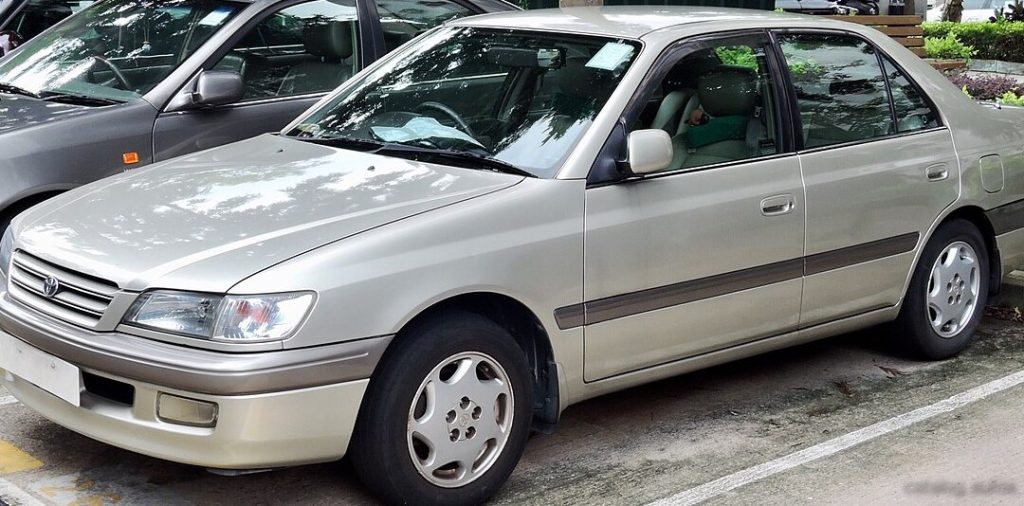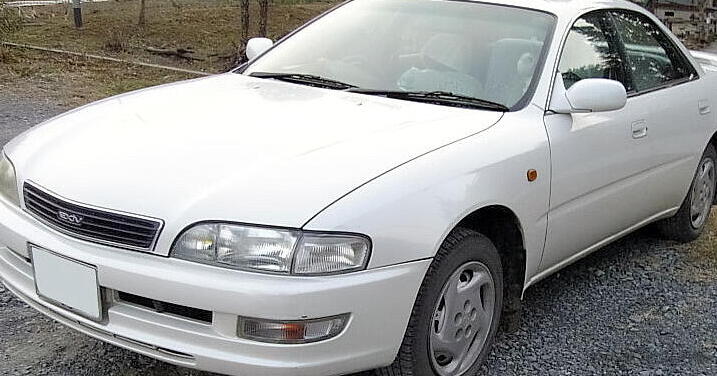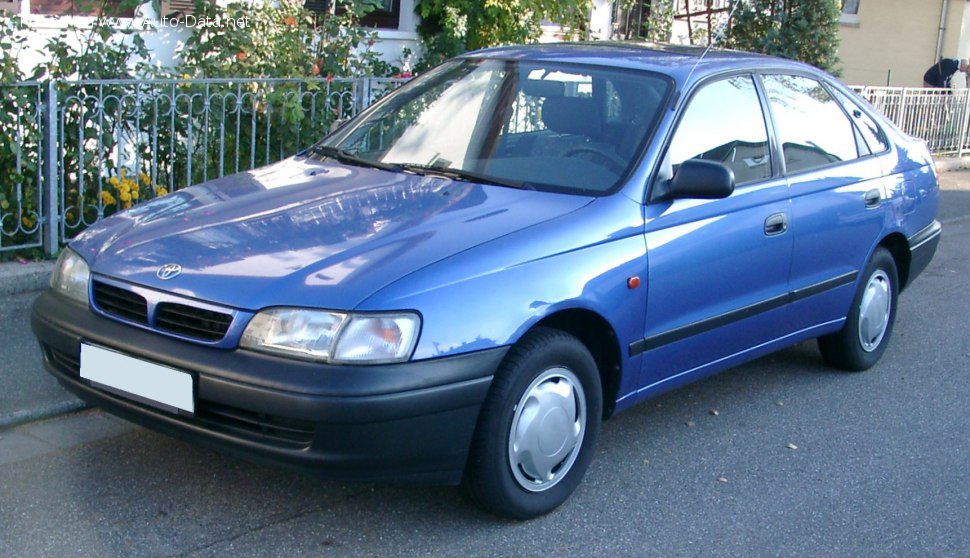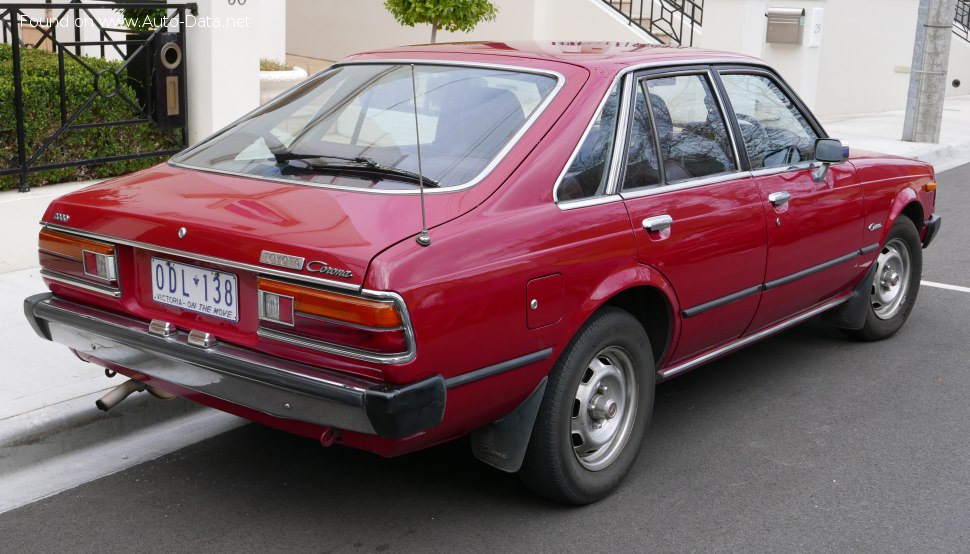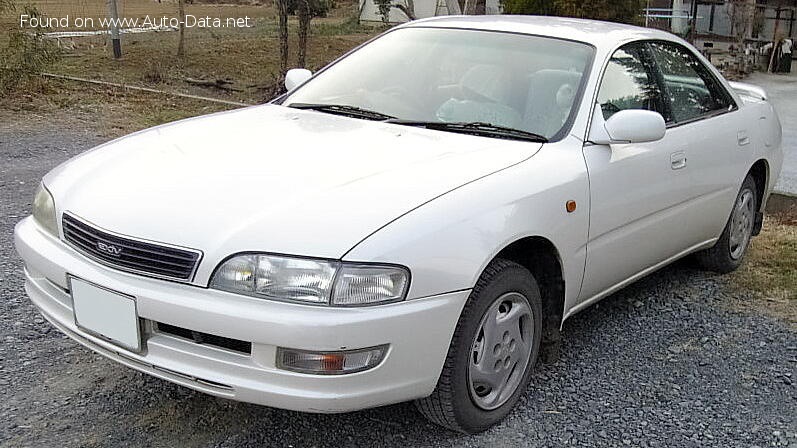
The Toyota Corona EXiV 2.0i (140 Hp) Automatic represents a fascinating chapter in Toyota’s history, particularly within the Japanese Domestic Market (JDM). Launched in 1989, the Corona EXiV was not merely another variant of the long-standing Corona nameplate but a distinct, more stylish, and sportier offering designed to appeal to a younger, more design-conscious demographic. The “EXiV” designation itself was an acronym for “Extra Impressive View,” emphasizing its sleek, low-slung profile and hardtop styling, a popular trend in Japan during the late 1980s and early 1990s.
The 2.0i Automatic: Positioning in the EXiV Lineup
This specific model, equipped with the 2.0-liter, 140 horsepower engine and an automatic transmission, sat comfortably in the mid-range of the EXiV lineup. It was positioned to bridge the gap between the more utilitarian Corona sedan and the truly sporty Celica, offering a blend of practicality, comfort, and a dash of driving enjoyment. Lower trims typically featured smaller displacement engines (1.6L or 1.8L) and were geared towards budget-conscious buyers. Higher-end EXiV models often included more luxurious appointments, upgraded audio systems, and sometimes even limited-edition styling packages. As a model exclusively sold in Japan, the Toyota Corona EXiV showcased Toyota’s strategy of creating diverse product offerings for its various domestic dealer networks, each with a unique character and target audience. Its production run from 1989 to 1993 marks it as a classic example of late-80s and early-90s JDM design and engineering, reflecting the economic boom and technological advancements of the era.
Powertrain & Engine Architecture
Under the hood, the Toyota Corona EXiV 2.0i (140 Hp) Automatic featured a robust and reliable 1998 cm³ (121.93 cu. in.) inline-four engine. This naturally aspirated gasoline unit is widely believed to be Toyota’s 3S-FE engine, a mainstay of the company’s lineup during this period. The engine was configured with a front, transverse layout, driving the front wheels. It boasted a multi-port fuel injection system, a sophisticated fuel delivery method for its time, ensuring efficient combustion and responsive throttle input. The engine’s architecture included four valves per cylinder, resulting in a total of 16 valves, which contributed to its respectable power output and smooth operation.
With a bore and stroke both measuring 86 mm (3.39 in.), the engine had a ‘square’ design, often indicative of a good balance between torque and high-rpm power. The compression ratio of 9.5:1 was fairly standard for a naturally aspirated engine of this period, allowing for decent thermal efficiency without requiring premium fuel. The 3S-FE engine utilized a timing belt to drive the camshaft(s), a component requiring periodic replacement as part of scheduled maintenance. The engine also featured a cast iron block and an aluminum cylinder head, a common construction for durability and weight reduction.
The 4-Speed Automatic Transmission
The 2.0i Automatic was paired with a four-speed automatic transmission, designated A240E. This transmission was a common choice for Toyota vehicles of the era, known for its reliability and smooth shifting characteristics. It featured electronically controlled torque converter lock-up, improving fuel efficiency at highway speeds. While not offering the driver engagement of a manual transmission, the A240E provided convenient and effortless operation, aligning with the EXiV’s target of a stylish yet comfortable everyday sedan. The transmission’s gear ratios were optimized for a balance of acceleration and fuel economy, prioritizing smooth cruising over sporty performance.
Driving Characteristics
The engine produced a healthy 140 horsepower at 6000 rpm, which was a competitive figure for a 2.0-liter non-turbocharged engine in 1989. Torque peaked at 186 Nm (137.19 lb.-ft.) at 4400 rpm, providing ample pulling power for daily driving and highway cruising. Mated to the 4-speed automatic transmission, the powertrain was designed for smooth, effortless operation rather than outright performance. Compared to the available manual transmission, the automatic version offered slightly reduced acceleration due to inherent transmission losses and less driver control. However, it provided a more relaxed driving experience, particularly in urban traffic.
Considering its kerb weight of 1250 kg (2755.78 lbs.), the EXiV achieved a weight-to-power ratio of 8.9 kg/Hp (112 Hp/tonne) and a weight-to-torque ratio of 6.7 kg/Nm (148.8 Nm/tonne). These figures suggest a lively, though not blistering, performance for its class. The front-wheel-drive architecture, combined with a well-tuned suspension, aimed to provide predictable handling and a comfortable ride, typical of Toyota’s engineering philosophy for its mainstream models. The automatic transmission’s shift points were programmed to prioritize fuel efficiency and smooth transitions, resulting in a less aggressive driving experience compared to a manual transmission.
Equipment & Trim Levels
The Corona EXiV 2.0i Automatic typically came standard with features expected of a mid-range Japanese sedan of the time. These included air conditioning, power windows, power steering, and a basic audio system. Interior upholstery was typically cloth, available in a range of colors. The dashboard featured a straightforward layout with analog gauges for speed, tachometer, fuel level, and coolant temperature. Optional extras included upgraded audio systems with cassette players or even early CD players, alloy wheels, and a sunroof. Higher trim levels within the 2.0i range might have added features like leather upholstery, woodgrain interior trim, and more advanced audio systems.
Chassis & Braking
The Corona EXiV utilized a MacPherson strut front suspension and a torsion beam rear suspension. This setup provided a good balance of ride comfort and handling for everyday driving. The front suspension featured coil springs and a stabilizer bar to reduce body roll during cornering. The rear suspension, while simpler, offered adequate damping and stability. The braking system comprised ventilated discs at the front for effective heat dissipation and drum brakes at the rear, a common setup for cars in this class. ABS (Anti-lock Braking System) was available as an option, enhancing safety by preventing wheel lock-up during hard braking. The vehicle rode on 185/65 R14 tires mounted on 6.0J x 14 wheel rims, a sensible combination for ride comfort and grip.
Market Reception & Comparison
Critics generally viewed the Toyota Corona EXiV as a stylish and well-built alternative to more conventional sedans. The hardtop styling was particularly praised for its sleek and modern appearance. The 2.0i Automatic variant was considered a good all-rounder, offering a comfortable ride, decent performance, and Toyota’s renowned reliability. Compared to the smaller-engined EXiV models, the 2.0i provided noticeably more power and responsiveness. However, it wasn’t as sporty as the Celica, which was specifically designed for performance driving. Fuel economy was respectable for its class, averaging around 25-30 mpg in mixed driving conditions. Reliability was a strong point, with the 3S-FE engine and A240E transmission proving to be durable and long-lasting.
Technical Specifications
| Specification | Value |
| Brand | Toyota |
| Model | Corona |
| Generation | Corona EXiV |
| Type (Engine) | 2.0i (140 Hp) Automatic |
| Start of Production | 1989 year |
| End of Production | 1993 year |
| Powertrain Architecture | Internal Combustion engine |
| Body Type | Sedan |
| Seats | 5 |
| Doors | 4 |
| Fuel Type | Petrol (Gasoline) |
| Weight-to-Power Ratio | 8.9 kg/Hp, 112 Hp/tonne |
| Weight-to-Torque Ratio | 6.7 kg/Nm, 148.8 Nm/tonne |
| Power | 140 Hp @ 6000 rpm |
| Power per Liter | 70.1 Hp/l |
| Torque | 186 Nm @ 4400 rpm (137.19 lb.-ft. @ 4400 rpm) |
| Engine Layout | Front, Transverse |
| Engine Displacement | 1998 cm³ (121.93 cu. in.) |
| Number of Cylinders | 4 |
| Engine Configuration | Inline |
| Cylinder Bore | 86 mm (3.39 in.) |
| Piston Stroke | 86 mm (3.39 in.) |
| Compression Ratio | 9.5:1 |
| Number of Valves per Cylinder | 4 |
| Fuel Injection System | Multi-port manifold injection |
| Engine Aspiration | Naturally aspirated engine |
| Kerb Weight | 1250 kg (2755.78 lbs.) |
| Length | 4505 mm (177.36 in.) |
| Width | 1690 mm (66.54 in.) |
| Height | 1320 mm (51.97 in.) |
| Wheelbase | 2525 mm (99.41 in.) |
| Front Track | 1465 mm (57.68 in.) |
| Rear (Back) Track | 1430 mm (56.3 in.) |
| Minimum Turning Circle (Turning Diameter) | 9.4 m (30.84 ft.) |
| Drivetrain Architecture | The Internal combustion engine (ICE) drives the front wheels of the vehicle. |
| Drive Wheel | Front wheel drive |
| Number of Gears and Type of Gearbox | 4 gears, automatic transmission |
| Front Brakes | Ventilated discs |
| Rear Brakes | Drum |
| Assisting Systems | ABS (Anti-lock braking system) |
| Tires Size | 185/65 R14 |
| Wheel Rims Size | 6.0J x 14 |
Legacy
The Toyota Corona EXiV, particularly the 2.0i (140 Hp) Automatic variant, has developed a cult following among JDM enthusiasts. Its distinctive styling and Toyota’s reputation for reliability have made it a desirable classic. The 3S-FE engine and A240E transmission are known for their longevity, and well-maintained examples can still provide years of reliable service. In the used car market, prices for EXiVs have been steadily increasing, particularly for those in original condition. Finding parts can sometimes be a challenge, as the model was never officially sold outside of Japan, but a growing aftermarket and dedicated online communities are helping to keep these cars on the road. The Corona EXiV stands as a testament to Toyota’s ability to create stylish, reliable, and engaging vehicles that resonated with a specific audience, leaving a lasting legacy in the world of Japanese automotive history.