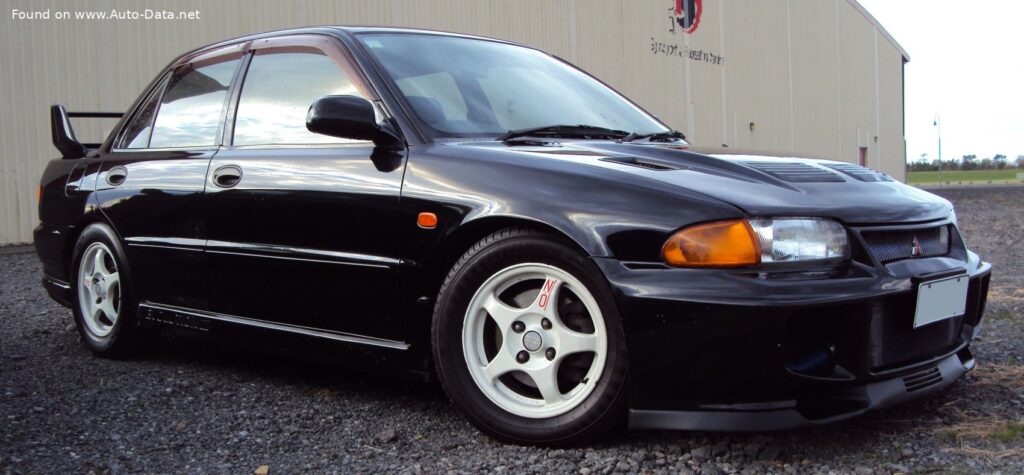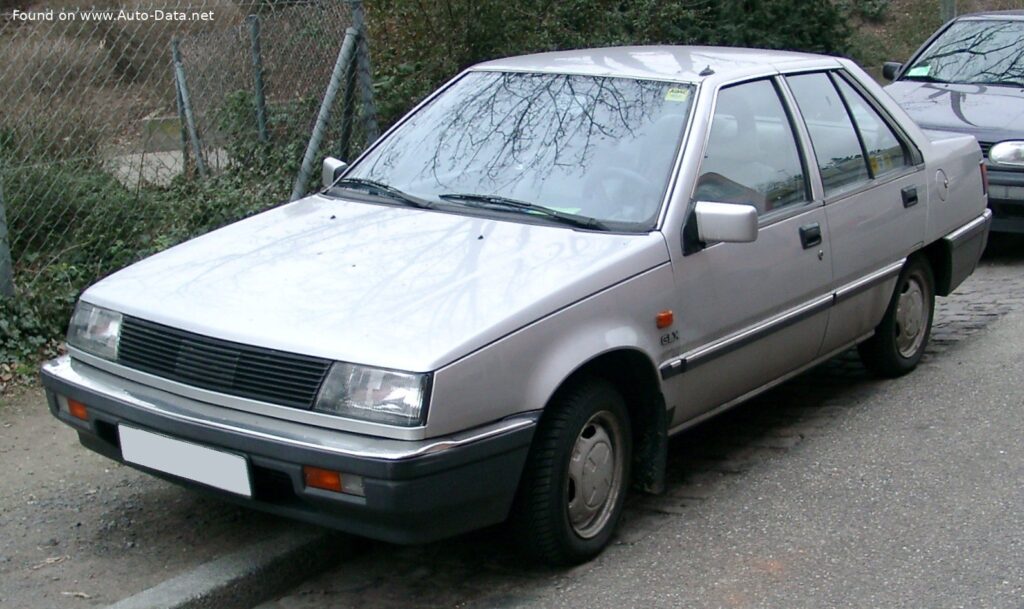
The Mitsubishi Lancer III, known by its chassis code C10 series, was the third generation of Mitsubishi’s successful compact car line. Launched in 1983 and produced through 1988, this iteration represented a significant evolution in design and engineering for the Lancer. The Mitsubishi Lancer III 1.5 (75 Hp) variant was a cornerstone of the lineup, particularly in markets prioritizing fuel economy and reliability. It served as the entry-level model, offering a practical and affordable option for a broad range of buyers.
The 1.5L 75 Hp Lancer III: Positioning and Role
The 1.5-liter, 75 horsepower Lancer III occupied the base trim level within the broader Lancer III range. Above it sat variants with larger engines, such as the 1.6-liter and, in some markets, even 2.0-liter options offering increased performance. The 1.5L model was specifically targeted towards buyers seeking economical transportation, families needing a reliable daily driver, and those for whom outright speed wasn’t a primary concern. It was designed to be a sensible and cost-effective choice, emphasizing practicality over performance. While the Lancer name was sometimes associated with sportier models in other regions (through rebadging as Dodge/Plymouth Colts in North America), the Lancer III in its core markets maintained a focus on straightforward, dependable transportation.
Powertrain & Engine Architecture
The heart of the Mitsubishi Lancer III 1.5 (75 Hp) was the Mitsubishi 4G15 engine, a 1.5-liter (1468 cm³) inline four-cylinder unit. This engine was designed with durability and efficiency in mind. It featured a Single Overhead Camshaft (SOHC) valvetrain with two valves per cylinder. The 4G15 was naturally aspirated and utilized a carburetor fuel system – a common and cost-effective technology for the mid-1980s. The carburetor, typically a Keihin or Mikuni unit, managed the air-fuel mixture, providing reliable operation with minimal maintenance requirements.
The engine produced 75 horsepower at 5500 rpm and 83.34 lb-ft of torque at 4000 rpm. Power delivery was smooth and predictable, characteristic of a well-tuned carbureted engine. The 9.5:1 compression ratio contributed to both efficiency and reasonable performance. The engine’s relatively simple design made it easy to service and repair, contributing to its long-term reliability. The 4G15 engine was known for its ability to tolerate lower-quality gasoline, a significant advantage in some markets.
The Lancer III 1.5 was primarily offered with a 5-speed manual transmission, providing drivers with direct control over the engine’s power. However, a 3-speed automatic transmission was also available, albeit less common. This automatic transmission was a conventional hydraulic unit, offering smooth but less responsive shifts compared to modern automatic gearboxes. The automatic transmission’s gear ratios were optimized for fuel efficiency and comfortable cruising, rather than sporty acceleration.
Driving Characteristics
The driving experience in the Lancer III 1.5 (75 Hp) was characterized by its smooth and predictable nature. The 75 horsepower engine provided adequate power for everyday driving, but acceleration was not its strong suit. 0 to 60 mph times were around 12.1 seconds, and the top speed was approximately 99.42 mph (160 km/h). Compared to the higher-output variants, the 1.5L model felt noticeably slower, particularly when fully loaded or climbing hills.
The 5-speed manual transmission allowed drivers to maximize the engine’s efficiency and maintain control in various driving conditions. The gear ratios were relatively long, prioritizing fuel economy over rapid acceleration. The automatic transmission, while convenient, resulted in a slight decrease in performance and fuel economy. The front-wheel-drive configuration provided decent handling, although it lacked the sophistication of more advanced suspension systems found in some competitors. The steering was light and easy to use, making it well-suited for urban driving.
Equipment & Trim Levels
The Mitsubishi Lancer III 1.5 (75 Hp) was typically equipped with basic but functional features. Standard amenities included cloth upholstery, a simple dashboard layout with essential gauges (speedometer, fuel gauge, temperature gauge), a heater, and manual windows and door locks. A basic AM/FM radio was often included, though higher-end audio systems were available as options.
Optional extras included upgraded upholstery, a more sophisticated radio with cassette player, power windows, and central locking. Some models also offered a sunroof. The interior trim was generally durable and practical, designed to withstand the rigors of daily use. The focus was on providing a comfortable and functional environment without excessive luxury.
Chassis & Braking
The Lancer III 1.5 featured a McPherson strut front suspension with coil springs and an anti-roll bar, providing a comfortable ride and reasonable handling. The rear suspension utilized a trailing arm setup with coil springs, offering a balance between ride comfort and stability. The suspension was tuned for everyday driving, prioritizing comfort over sporty handling.
Braking duties were handled by front disc brakes and rear drum brakes. This combination provided adequate stopping power for the vehicle’s weight and performance. The braking system was relatively simple and reliable, but it lacked the sophistication of more advanced systems found in some competitors. The steering system was a rack-and-pinion setup, offering direct and responsive steering feel.
Market Reception & Comparison
The Mitsubishi Lancer III 1.5 (75 Hp) received generally positive reviews for its reliability, fuel economy, and affordability. Critics praised its robust build quality and its ability to withstand harsh driving conditions. However, some reviewers noted its modest performance and relatively basic interior. Compared to other trims in the Lancer III lineup, the 1.5L model offered the best value for money, making it an attractive option for budget-conscious buyers.
In terms of fuel economy, the Lancer III 1.5 achieved an estimated 27 US mpg in urban driving and 42.8 US mpg on the highway, making it one of the most fuel-efficient cars in its class. Reliability was also a strong point, with the 4G15 engine proving to be exceptionally durable. Compared to competitors like the Honda Civic and Toyota Corolla, the Lancer III 1.5 offered a similar level of reliability and fuel economy, but often at a slightly lower price point.
Technical Specifications
| Brand | Mitsubishi |
| Model | Lancer |
| Generation | Lancer III |
| Type (Engine) | 1.5 (75 Hp) |
| Start of Production | 1983 year |
| End of Production | 1988 year |
| Powertrain Architecture | Internal Combustion engine |
| Body Type | Sedan |
| Seats | 5 |
| Doors | 4 |
| Fuel Consumption (Urban) | 27 US mpg (8.7 l/100 km) |
| Fuel Consumption (Extra Urban) | 42.8 US mpg (5.5 l/100 km) |
| Fuel Type | Petrol (Gasoline) |
| Acceleration 0 – 60 mph | 12.1 sec |
| Maximum Speed | 99.42 mph (160 km/h) |
| Power | 75 Hp @ 5500 rpm |
| Torque | 83.34 lb.-ft. @ 4000 rpm (113 Nm @ 4000 rpm) |
| Engine Layout | Front, Longitudinal |
| Engine Model/Code | 4G15 |
| Engine Displacement | 1468 cm³ (1.5 l / 89.58 cu. in.) |
| Number of Cylinders | 4 |
| Engine Configuration | Inline |
| Cylinder Bore | 2.97 in. (75.5 mm) |
| Piston Stroke | 3.23 in. (82 mm) |
| Compression Ratio | 9.5:1 |
| Valves per Cylinder | 2 |
| Fuel Injection System | Carburetor |
| Engine Aspiration | Naturally Aspirated |
| Valvetrain | SOHC |
Legacy
The Mitsubishi Lancer III 1.5 (75 Hp) powertrain proved to be exceptionally reliable, with many examples exceeding 200,000 miles with proper maintenance. The 4G15 engine is known for its durability and its ability to withstand years of use. In the used car market today, these Lancers are often sought after by enthusiasts and those looking for a simple, affordable, and dependable vehicle. Parts availability is generally good, and the engine’s straightforward design makes it relatively easy to repair. While not a performance icon, the Lancer III 1.5 holds a respected place in automotive history as a practical and reliable compact car that served countless drivers well.