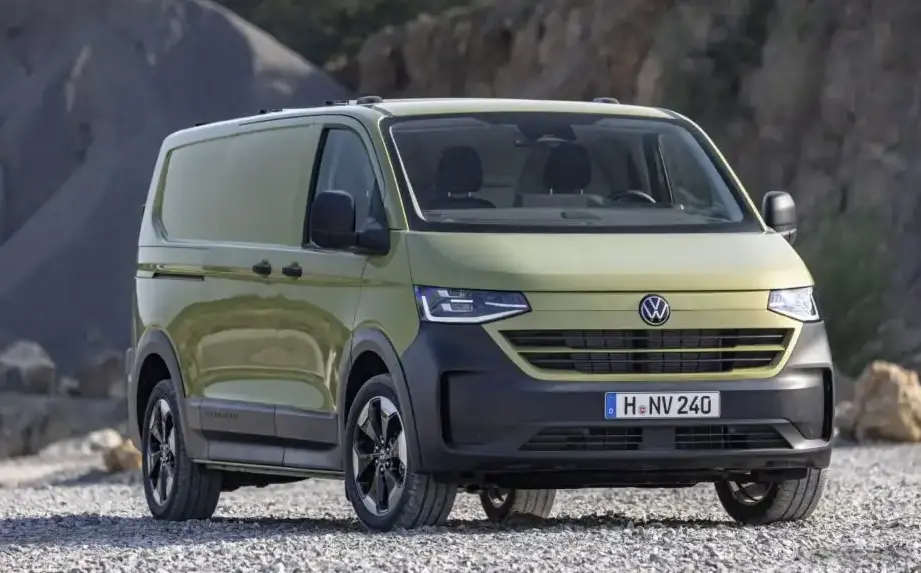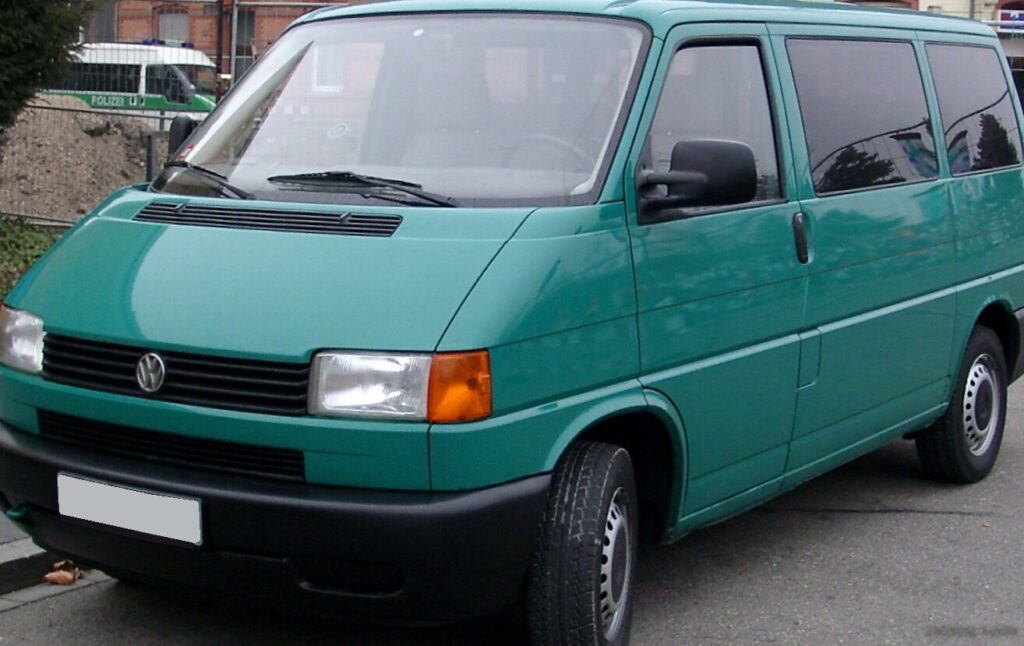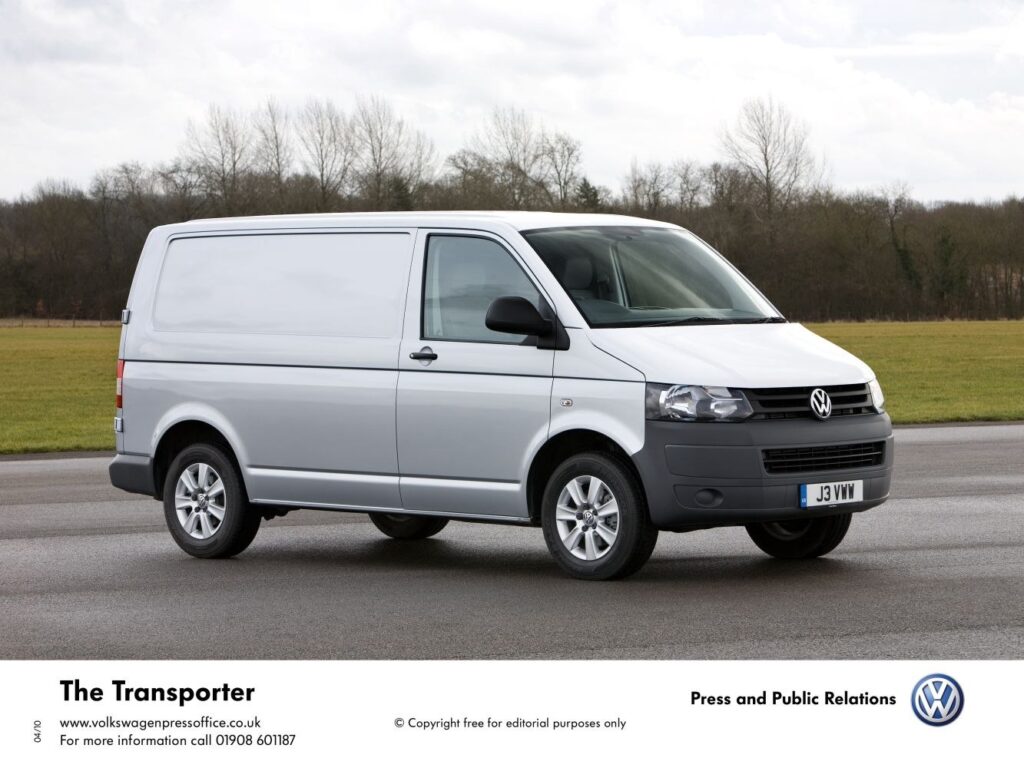
The Volkswagen Transporter, a name synonymous with versatility and reliability in the light commercial vehicle segment, has a storied history dating back to the iconic Type 2. The model in focus, the Volkswagen Transporter (T5, facelift 2009) Panel Van, represents a crucial period in this lineage, specifically a refined iteration of the fifth-generation (T5) model. Produced between 2012 and 2015, this particular variant, equipped with the 2.0 TSI (150 Hp) engine and configured as an L1H2 Panel Van, was a cornerstone of Volkswagen’s commercial offerings in its primary markets, predominantly Europe and parts of Asia. While the Transporter nameplate has a global presence, this specific panel van configuration, particularly with a gasoline engine, was tailored to meet the diverse demands of European businesses, where it competed fiercely against other well-established commercial vans.
Volkswagen Transporter (T5, facelift 2009) Panel Van: An Overview
The T5 generation, originally launched in 2003, received a significant facelift in 2009, introducing updated styling, improved powertrains, and enhanced interior features. This particular 2012-2015 model benefits from these revisions, presenting a modern and efficient solution for tradespeople, delivery services, and various logistical operations. Its powertrain architecture is based on a conventional internal combustion engine driving the front wheels, a proven and reliable setup for a vehicle of its class. As a panel van, its core purpose is utility, offering substantial cargo capacity while maintaining a manageable footprint for urban and inter-urban use.
Engine & Performance
Powering the Volkswagen Transporter (T5, facelift 2009) Panel Van is a sophisticated 2.0-liter TSI gasoline engine, designated with the model code EA888 / CJKB. This inline four-cylinder engine, positioned transversely at the front, is a testament to Volkswagen’s engineering prowess, combining direct fuel injection with turbocharging and an intercooler to deliver a robust and efficient performance package. With a displacement of 1,984 cubic centimeters (121.07 cubic inches), it produces a respectable 150 horsepower (Hp) across a broad rev range, specifically from 3,750 to 6,000 rpm. This wide power band ensures strong pulling power and flexibility in various driving conditions, whether navigating city streets or cruising on highways.
Torque output is equally impressive for a commercial vehicle of this size, peaking at 280 Nm (206.52 lb.-ft.) available from a low 1,500 rpm and sustained up to 3,750 rpm. This ample low-end torque is crucial for a panel van, enabling confident acceleration even when fully loaded and facilitating smooth starts. The engine boasts a compression ratio of 9.8:1 and features a DOHC (Double Overhead Camshaft) valvetrain with four valves per cylinder, optimizing combustion efficiency and overall engine response. Mated to a 6-speed manual transmission, the drivetrain architecture sends power to the front wheels, a configuration known for its packaging efficiency and predictable handling characteristics.
Performance figures reflect the engine’s capability, with the Transporter accelerating from 0 to 60 mph in a calculated 10.5 seconds (0-100 km/h in 11.1 seconds). Its top speed is rated at 108.12 mph (174 km/h), more than adequate for its intended commercial applications. Despite its cargo-hauling capabilities, the 2.0 TSI engine demonstrates reasonable fuel economy for a gasoline-powered van. The combined NEDC cycle rating shows a consumption of 9.5-9.8 liters per 100 km, translating to approximately 24.8-24 US mpg. CO2 emissions range from 222-228 g/km, adhering to the Euro 5 emission standard prevalent during its production years, highlighting Volkswagen’s commitment to environmental responsibility in its commercial fleet.
Design & Features
The Volkswagen Transporter (T5, facelift 2009) Panel Van is a purpose-built commercial vehicle, with its design prioritizing functionality, durability, and practicality. As a panel van, it features a fully enclosed rear cargo area with no rear windows, offering maximum security for goods and a blank canvas for branding. The specific “L1H2” designation refers to its dimensions: L1 signifies the standard or short wheelbase, while H2 denotes a medium-to-high roof configuration. This combination provides a generous cargo volume of up to 6,700 liters (236.61 cubic feet), making it highly capable of transporting a wide array of goods and equipment.
The exterior design, updated during the 2009 facelift, adopted Volkswagen’s more contemporary design language, featuring a revised front grille, headlights, and bumper, aligning it with passenger car models like the Golf and Passat of the era. This gave the Transporter a more modern and professional appearance, important for businesses that value brand image. The vehicle’s dimensions are substantial yet manageable for urban environments: a length of 192.6 inches (4,892 mm), a width of 74.96 inches (1,904 mm), and a height of 85.67 inches (2,176 mm). The 118.11-inch (3,000 mm) wheelbase contributes to a stable ride and a minimum turning circle of 39.04 feet (11.9 m), aiding maneuverability in tight spaces.
Inside, the Transporter Panel Van is designed for the working professional. It typically accommodates 2-3 seats in the front cabin, configured for driver and passengers, often with a bench seat option. The cabin ergonomics are straightforward and robust, built to withstand the rigors of daily commercial use. Features like hydraulic power steering and an anti-lock braking system (ABS) contribute to driver comfort and safety. The suspension system, featuring an independent McPherson type with coil springs and an anti-roll bar at the front, and an independent coil spring with trailing arms and a transverse stabilizer at the rear, is tuned for a balance of load-carrying capability and ride comfort. Ventilated disc brakes on both front (308×29.5 mm) and rear (294×22 mm) ensure strong stopping power, essential for a vehicle that often operates with heavy loads.
Technical Specifications
| Category | Specification |
| General Information | |
| Brand | Volkswagen |
| Model | Transporter |
| Generation | Transporter (T5, facelift 2009) Panel Van |
| Type (Engine) | 2.0 TSI (150 Hp) L1H2 |
| Start of Production | 2012 year |
| End of Production | 2015 year |
| Powertrain Architecture | Internal Combustion engine |
| Body type | Van |
| Performance Specs | |
| Fuel consumption (urban, NEDC) | 12.7-13 l/100 km (18.5 – 18.1 US mpg) |
| Fuel consumption (extra urban, NEDC) | 7.7-8 l/100 km (30.5 – 29.4 US mpg) |
| Fuel consumption (combined, NEDC) | 9.5-9.8 l/100 km (24.8 – 24 US mpg) |
| CO2 emissions (NEDC) | 222-228 g/km |
| Fuel Type | Petrol (Gasoline) |
| Acceleration 0 – 60 mph | 10.5 sec |
| Acceleration 0 – 100 km/h | 11.1 sec |
| Maximum speed | 174 km/h (108.12 mph) |
| Emission standard | Euro 5 |
| Engine Specs | |
| Power | 150 Hp @ 3750-6000 rpm |
| Torque | 280 Nm @ 1500-3750 rpm (206.52 lb.-ft. @ 1500-3750 rpm) |
| Engine displacement | 1984 cm3 (121.07 cu. in.) |
| Number of cylinders | 4 (Inline configuration) |
| Compression ratio | 9.8:1 |
Legacy and Market Impact
The Volkswagen Transporter series has forged an unparalleled legacy in the automotive world, evolving from the beloved “Bus” of the 1950s into a modern, sophisticated range of commercial and passenger vehicles. The T5 generation, and particularly its facelifted version from 2009-2015, carried this torch with distinction in markets where it was sold. In its primary market, Europe, the Volkswagen Transporter (T5, facelift 2009) Panel Van was a formidable competitor in the fiercely contested light commercial vehicle (LCV) segment. Its reputation for durability, practicality, and a car-like driving experience made it a preferred choice for businesses of all sizes.
While the Transporter in this panel van configuration was not officially sold in the United States, its impact on the global LCV landscape is undeniable. In Europe, it faced strong competition from rivals such as the Ford Transit Custom, Mercedes-Benz Vito, Renault Trafic, and Opel Vivaro. What often set the Transporter apart was its premium feel, even in a commercial guise, and the option of sophisticated powertrains like the 2.0 TSI. While diesel engines typically dominated the European LCV market for their fuel efficiency and torque, the gasoline TSI option appealed to those requiring lower emissions in certain urban zones, or for lighter duties where the refinement of a gasoline engine was appreciated.
The T5 facelift models, including this 2.0 TSI L1H2 Panel Van, were praised for their improved interior quality, updated infotainment options (though basic in a panel van), and enhanced safety features for the era, such as ABS. Its robust chassis and versatile cargo area allowed for numerous conversions and customizations, further cementing its role as a flexible workhorse. The L1H2 configuration, with its standard length and higher roof, struck an excellent balance between cargo capacity and urban maneuverability, making it ideal for a wide range of metropolitan and regional logistics tasks.
The Transporter’s enduring appeal lies in its ability to combine utilitarian function with Volkswagen’s renowned build quality and engineering. It consistently ranked among the top-selling vans in Europe, demonstrating its strong market acceptance and customer loyalty. The T5 generation ultimately paved the way for the subsequent T6 and T6.1 models, each building upon the solid foundation of its predecessors while incorporating modern technology and design. The 2012-2015 2.0 TSI Panel Van therefore stands as a significant iteration within this iconic lineage, a testament to Volkswagen’s commitment to delivering capable and reliable commercial vehicles to businesses worldwide, even if its specific variants remained tailored to specific regional markets.