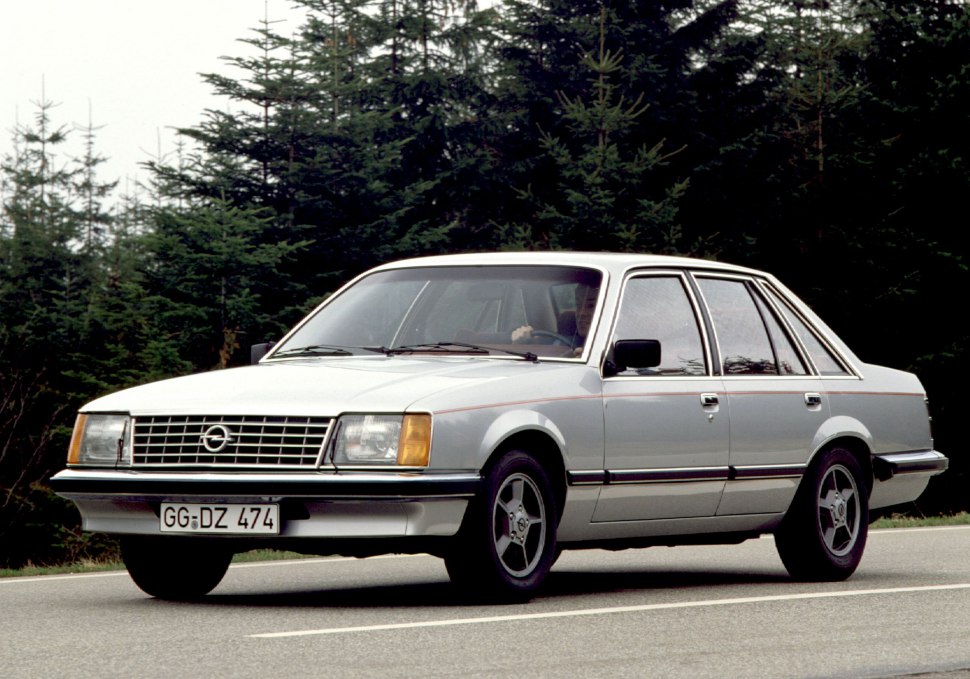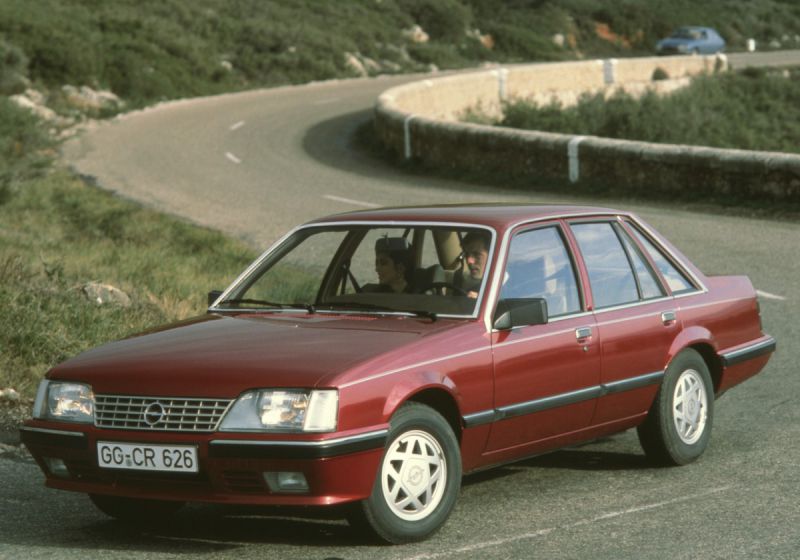
The Opel Senator A (facelift 1982) 2.3 Comprex D represents a fascinating chapter in Opel’s history, embodying the German automaker’s ambition to deliver a sophisticated and technologically advanced executive car to the European market. Introduced as part of the Senator A’s mid-cycle refresh in 1982, and specifically the 2.3 Comprex D variant produced from 1985-1986, this model distinguished itself with a unique diesel engine featuring advanced combustion technology for the time. While not officially sold in the United States, the Senator A occupied a crucial position as Opel’s largest and most luxurious vehicle, competing with models like the Ford Granada, BMW 5 Series, and Mercedes-Benz W123. The 2.3 Comprex D, in particular, aimed to bridge the gap between performance and fuel economy, appealing to drivers seeking a refined driving experience without sacrificing efficiency.
The Opel Senator A: A Legacy of German Engineering
The Opel Senator lineage began in 1978 as a replacement for the Opel Admiral and Diplomat, representing a shift towards a more modern and streamlined design philosophy. The Senator A was conceived as a spacious, comfortable, and technologically advanced vehicle, intended to appeal to discerning European buyers. The 1982 facelift brought significant changes to the exterior, including a revised front grille, updated headlights, and a more aerodynamic profile. Interior refinements were also made, enhancing the overall sense of luxury and sophistication. The Senator A was available with a range of engines, including both gasoline and diesel options, catering to diverse customer preferences. However, the 2.3 Comprex D stood out due to its innovative engine technology and its focus on maximizing fuel efficiency without compromising performance.
Engine & Performance
The heart of the Opel Senator A (facelift 1982) 2.3 Comprex D is its 2.3-liter inline-four diesel engine. This engine wasn’t simply a standard diesel; it incorporated Opel’s “Comprex” technology – a pre-chamber combustion system. This system utilized a small auxiliary combustion chamber connected to the main cylinder, into which fuel was injected and ignited by a glow plug. The resulting flame then propagated to the main cylinder, promoting more complete combustion and reducing emissions. This technology was relatively advanced for a diesel engine of the era, offering improvements in both power output and fuel efficiency.
The 2.3 Comprex D engine produced 95 horsepower and a respectable amount of torque for a diesel, although exact torque figures vary depending on the source, typically around 148 lb-ft. While these figures might seem modest by modern standards, they were competitive for a diesel engine of this displacement in the 1980s. The engine was typically paired with a four-speed manual or a three-speed automatic transmission, delivering power to the rear wheels. Performance was adequate for comfortable highway cruising and city driving, with a top speed of around 105 mph. The Comprex system contributed to a smoother and quieter diesel experience compared to conventional indirect injection diesels of the time, a significant selling point for a luxury vehicle.
Design & Features
The Opel Senator A (facelift 1982) presented a classic, understated European executive car design. The body style was a four-door sedan, characterized by clean lines, a relatively long wheelbase, and a spacious interior. The facelifted model featured a more integrated front end with a horizontal grille and rectangular headlights, giving it a more modern appearance. The interior was designed with comfort and practicality in mind, offering ample legroom and headroom for both front and rear passengers.
Features included power steering, central locking, and electric windows, all considered premium features for the time. The seats were upholstered in high-quality cloth or leather, and the dashboard was equipped with a comprehensive array of gauges and controls. Safety features, while not as advanced as those found in modern vehicles, included front disc brakes and a robust chassis designed for stability and handling. The Senator A was also equipped with a relatively large trunk, providing ample space for luggage and other cargo. The overall design and features of the Senator A aimed to provide a refined and comfortable driving experience, appealing to drivers who valued both luxury and practicality.
Technical Specifications
| Specification | Detail |
| Model | Opel Senator A (facelift 1982) 2.3 Comprex D |
| Production Years | 1985-1986 |
| Engine Type | Inline-Four Diesel with Comprex Pre-Chamber Combustion |
| Engine Displacement | 2.3 Liters (2264 cc) |
| Horsepower | 95 HP (70 kW) |
| Torque | Approximately 148 lb-ft |
| Fuel System | Direct Injection with Comprex System |
| Transmission | 4-Speed Manual or 3-Speed Automatic |
| Drivetrain | Rear-Wheel Drive |
| Brakes | Front Disc, Rear Drum |
| Curb Weight | Approximately 3,350 lbs (1,520 kg) |
| Top Speed | Approximately 105 mph (169 km/h) |
| Fuel Economy (Combined) | Approximately 33-37 mpg (depending on transmission) |
| Body Style | 4-Door Sedan |
The Opel Senator A (facelift 1982) 2.3 Comprex D, while largely unknown in the American market, represents a significant achievement in European automotive engineering. Its innovative diesel engine technology, combined with its spacious interior and refined features, made it a compelling choice for discerning buyers seeking a luxurious and efficient executive car. The Senator A ultimately paved the way for future Opel models, solidifying the brand’s reputation for quality, innovation, and reliability within the European automotive landscape. Though production ceased in the late 1980s, the Senator A remains a sought-after classic among enthusiasts, appreciated for its unique blend of style, performance, and technological sophistication.