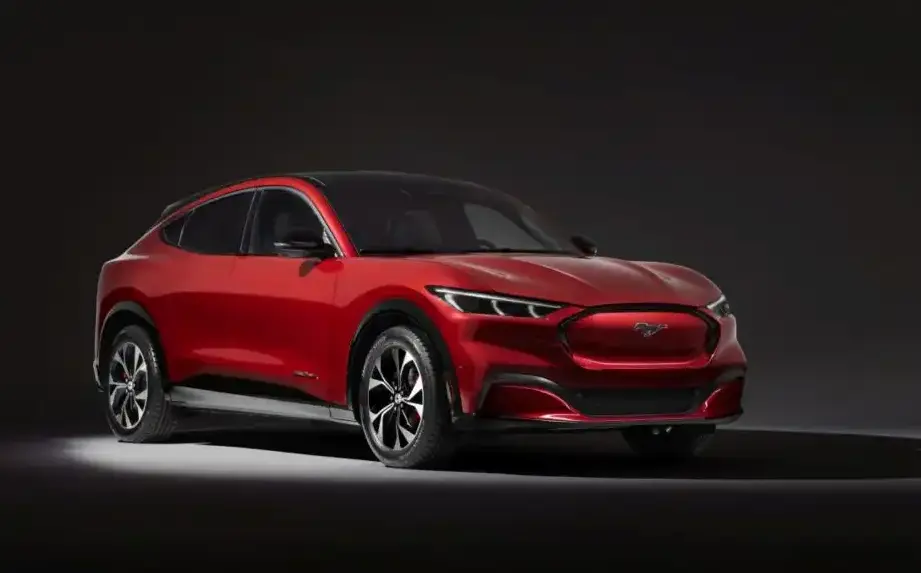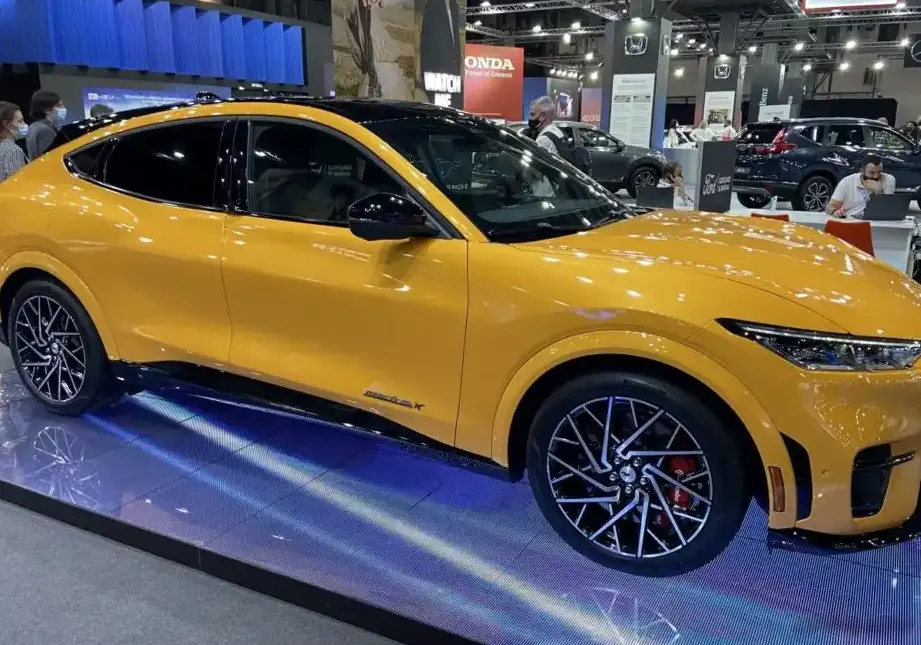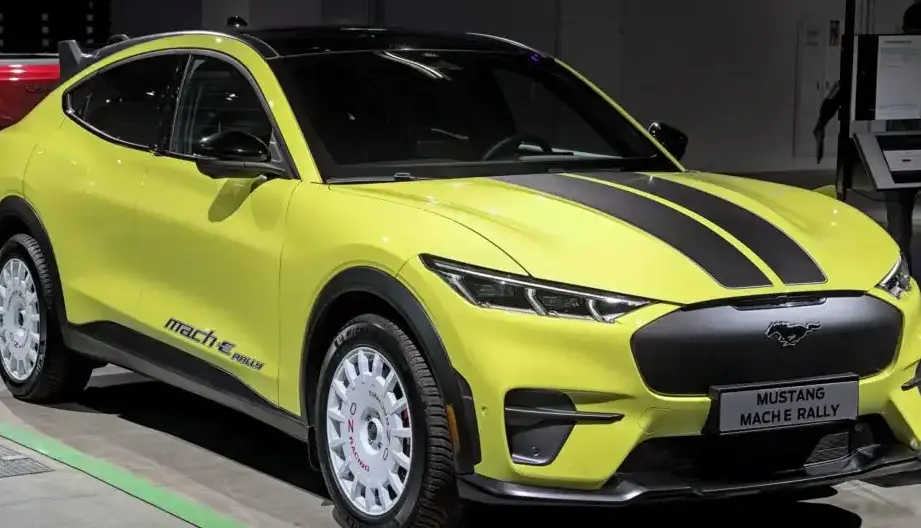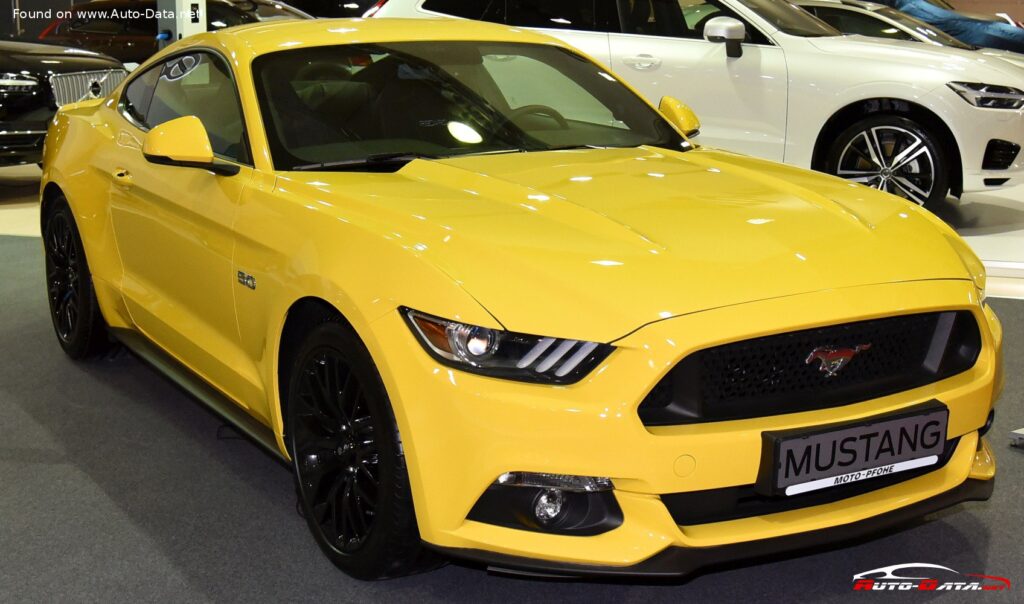
The sixth generation of the iconic Ford Mustang, internally codenamed S550, marked a pivotal moment in the history of the legendary pony car. Launched for the 2015 model year, this generation was the first to be truly designed and marketed as a global vehicle, moving beyond its traditional North American confines. Among its most significant and, at times, controversial additions was the Ford Mustang VI 2.3 EcoBoost (317 Hp) Automatic variant. This model introduced a turbocharged four-cylinder engine to the Mustang lineup, a departure from the long-standing V6 and V8 options, aiming to offer a compelling blend of performance, efficiency, and a more accessible entry point to the Mustang brand for international markets, while still retaining the rear-wheel-drive dynamics and muscular styling that defined its predecessors.
The S550 generation was celebrated for its radical redesign, which incorporated independent rear suspension for the first time across the entire Mustang lineup, a long-awaited upgrade that significantly improved handling and ride comfort. The 2.3 EcoBoost model, produced from 2015 to 2017 in this specific output configuration, represented Ford’s commitment to modern powertrain technology, delivering respectable power figures that challenged perceptions of what a four-cylinder Mustang could achieve. It quickly found a niche among enthusiasts seeking a more fuel-efficient yet spirited driving experience, particularly in regions where engine displacement and fuel economy are critical considerations.
Engine & Performance: The EcoBoost Revolution in the Ford Mustang VI
At the heart of the Ford Mustang VI 2.3 EcoBoost (317 Hp) Automatic is a sophisticated turbocharged 2.3-liter (2264 cm3 or 138.16 cu. in.) inline four-cylinder engine, part of Ford’s highly acclaimed EcoBoost family. This engine, shared with performance vehicles like the Focus RS, was specifically tuned for the Mustang to deliver a robust output of 317 horsepower at 5500 rpm. This power figure was notably higher than the outgoing V6 engine and surprisingly close to earlier generation V8s, demonstrating the significant advancements in forced induction technology.
Torque delivery was equally impressive, with 432 Nm (318.63 lb-ft) available at a relatively low 3000 rpm. This broad torque band ensured strong acceleration and responsive throttle feel across a wide range of driving conditions, making the car feel energetic both around town and on the open highway. The engine utilized direct fuel injection and a twin-scroll turbocharger with an intercooler, optimizing combustion efficiency and minimizing turbo lag. Its DOHC (Double Overhead Camshaft) valvetrain with 4 valves per cylinder further contributed to its refined performance characteristics.
Paired with a 6-speed automatic transmission, the powertrain delivered power smoothly to the rear wheels, upholding the Mustang’s traditional front-engine, rear-wheel-drive architecture. This combination offered a balanced driving experience, capable of spirited performance while maintaining a combined fuel economy rating of approximately 24 US mpg (9.8 l/100 km). While not a V8, the EcoBoost variant provided a compelling proposition for those prioritizing modern efficiency without sacrificing the essence of the Mustang’s performance heritage. The weight-to-power ratio of 5.2 kg/Hp (191.8 Hp/tonne) and a curb weight of 3644.24 lbs (1653 kg) underscored its athletic capabilities.
Design & Features: Modern Muscle with Global Appeal
The sixth-generation Mustang’s design language was a masterful evolution, retaining iconic styling cues while embracing a more contemporary and aggressive stance. The Ford Mustang VI 2.3 EcoBoost (317 Hp) Automatic was exclusively offered in a Fastback body type, featuring a sleek, sloping roofline that harked back to classic Mustang designs. With two doors and seating for four, it perfectly embodied the sports coupe aesthetic. Its dimensions—188.35 inches (4784 mm) in length, 75.43 inches (1916 mm) in width, and 54.37 inches (1381 mm) in height—gave it a substantial road presence, complemented by a wide stance and muscular fenders.
A significant engineering leap for the S550 generation was the adoption of a fully independent suspension system. The front featured an independent McPherson type, while the rear employed an independent multi-link spring suspension with a stabilizer bar. This upgrade dramatically improved the Mustang’s handling dynamics, offering superior ride comfort and cornering ability compared to previous generations’ live rear axle setup. Braking performance was ensured by ventilated discs on both the front and rear axles, augmented by an Anti-lock Braking System (ABS) for enhanced safety and control.
The interior of the Mustang VI blended classic design elements with modern technology. While specific interior features varied by market and trim, the overall cabin design aimed for a driver-focused experience. Standard features included a rack and pinion steering system, and the car rode on 255/40 R19 tires mounted on 19-inch wheel rims, providing ample grip and a distinctive visual appeal. The trunk offered a respectable 14.41 cu. ft. (408 liters) of space, making it practical for daily use or weekend getaways.
Technical Specifications
| Category | Specification |
| Brand | Ford |
| Model | Mustang |
| Generation | Mustang VI |
| Type (Engine) | 2.3 EcoBoost (317 Hp) Automatic |
| Start of Production | 2015 year |
| End of Production | 2017 year |
| Powertrain Architecture | Internal Combustion engine |
| Body type | Fastback |
| Seats | 4 |
| Doors | 2 |
| Performance Specs | |
| Fuel consumption (economy) – combined | 9.8 l/100 km (24 US mpg, 28.8 UK mpg, 10.2 km/l) |
| CO2 emissions | 225 g/km |
| Fuel Type | Petrol (Gasoline) |
| Weight-to-power ratio | 5.2 kg/Hp, 191.8 Hp/tonne |
| Weight-to-torque ratio | 3.8 kg/Nm, 261.3 Nm/tonne |
| Engine Specs | |
| Power | 317 Hp @ 5500 rpm |
| Power per liter | 140 Hp/l |
| Torque | 432 Nm @ 3000 rpm (318.63 lb.-ft. @ 3000 rpm) |
| Engine layout | Front, Longitudinal |
| Engine Model/Code | EcoBoost |
| Engine displacement | 2264 cm3 (2.3 l, 138.16 cu. in.) |
| Number of cylinders | 4 |
| Engine configuration | Inline |
| Cylinder Bore | 87.55 mm (3.45 in.) |
| Piston Stroke | 94 mm (3.7 in.) |
| Compression ratio | 9.5:1 |
| Number of valves per cylinder | 4 |
| Fuel injection system | Direct injection |
| Engine aspiration | Turbocharger, Intercooler |
| Valvetrain | DOHC |
| Engine oil capacity | 5.4 l (5.71 US qt, 4.75 UK qt) |
| Coolant | 8.96 l (9.47 US qt, 7.88 UK qt) |
| Space, Volume and Weights | |
| Kerb Weight | 1653 kg (3644.24 lbs) |
| Trunk (boot) space – minimum | 408 l (14.41 cu. ft.) |
| Fuel tank capacity | 59 l (15.59 US gal, 12.98 UK gal) |
| Dimensions | |
| Length | 4784 mm (188.35 in.) |
| Width | 1916 mm (75.43 in.) |
| Width with mirrors folded | 1956 mm (77.01 in.) |
| Width including mirrors | 2080 mm (81.89 in.) |
| Height | 1381 mm (54.37 in.) |
| Wheelbase | 2720 mm (107.09 in.) |
| Front track | 1582 mm (62.28 in.) |
| Rear (Back) track | 1655 mm (65.16 in.) |
| Minimum turning circle (turning diameter) | 12.2 m (40.03 ft.) |
| Drivetrain, Brakes and Suspension Specs | |
| Drivetrain Architecture | The Internal combustion engine (ICE) drives the rear wheels of the vehicle. |
| Drive wheel | Rear wheel drive |
| Number of gears and type of gearbox | 6 gears, automatic transmission |
| Front suspension | Independent type McPherson |
| Rear suspension | Independent multi-link spring suspension with stabilizer |
| Front brakes | Ventilated discs |
| Rear brakes | Ventilated discs |
| Assisting systems | ABS (Anti-lock braking system) |
| Steering type | Steering rack and pinion |
| Tires size | 255/40 R19 |
| Wheel rims size | 19 |
Legacy and Market Impact of the Ford Mustang VI 2.3 EcoBoost (317 Hp) Automatic
The introduction of the EcoBoost engine in the sixth-generation Mustang was a strategic move that significantly broadened the car’s appeal, especially in international markets where fuel prices, emissions regulations, and taxation based on engine displacement made the traditional V8 a less viable option. The Ford Mustang VI 2.3 EcoBoost (317 Hp) Automatic allowed Ford to offer the iconic American muscle car experience to a wider global audience, making it a true competitor in the global sports coupe segment.
In Europe and Asia, where the Mustang was officially sold for the first time in many countries, the EcoBoost variant quickly became the volume seller. Its combination of respectable performance, iconic styling, and comparatively better fuel efficiency and lower emissions (225 g/km CO2) resonated with consumers who might have otherwise overlooked the Mustang. This global strategy paid off, making the S550 Mustang one of the best-selling sports coupes worldwide for several years after its launch.
Domestically in the USA, the EcoBoost Mustang faced initial skepticism from purists but eventually carved out its own niche. It offered a more affordable entry point into Mustang ownership than the V8 GT, while still delivering strong performance that was more than adequate for daily driving and spirited weekend cruises. It effectively competed with other four-cylinder turbocharged sports coupes such as the Chevrolet Camaro 2.0T and even some European offerings like the BMW 2 Series or Audi A5, often providing a more compelling value proposition.
The legacy of this particular EcoBoost variant lies in its role as a bridge—connecting Mustang’s storied past with a future focused on efficiency and global reach. It proved that a four-cylinder engine could indeed power a Mustang without diluting its essence, challenging long-held beliefs and opening the door for further technological advancements in the pony car segment. The S550 generation, spearheaded by models like the 2.3 EcoBoost, cemented the Mustang’s status not just as an American icon, but as a globally recognized and desired performance machine. Its success paved the way for future iterations and powertrains, ensuring the Mustang’s continued relevance in an evolving automotive landscape.