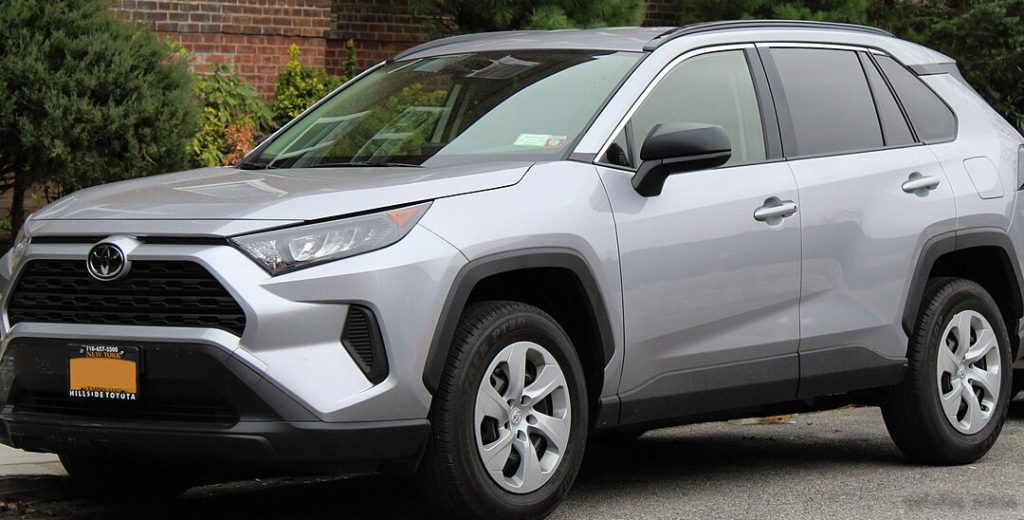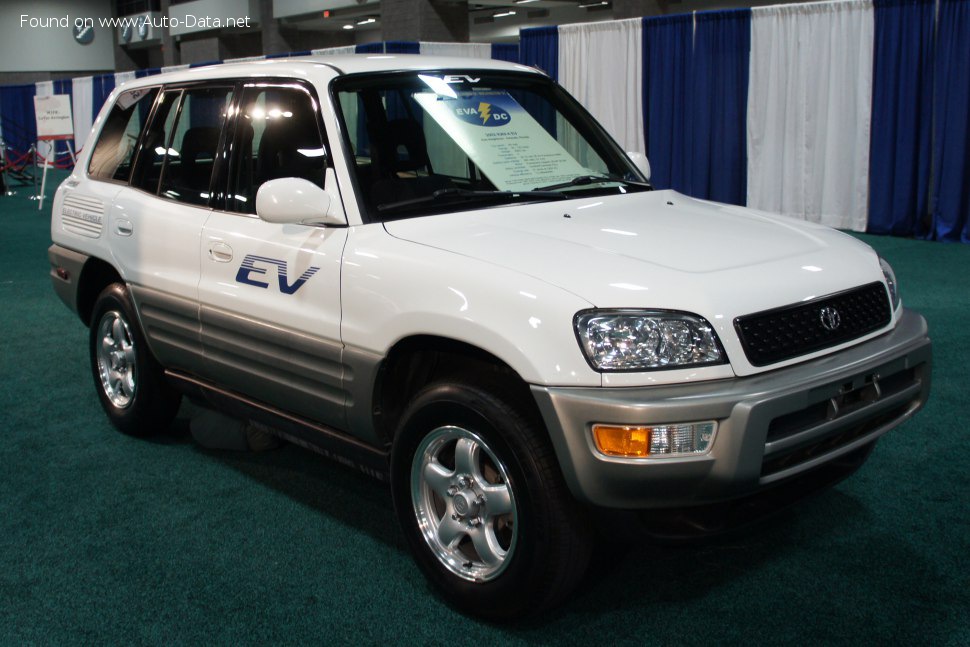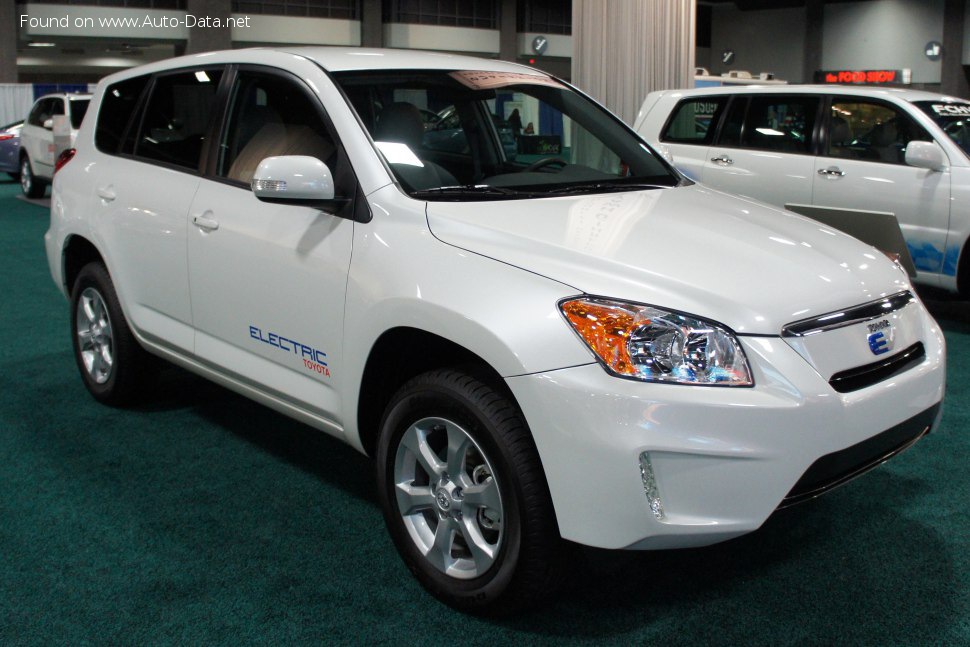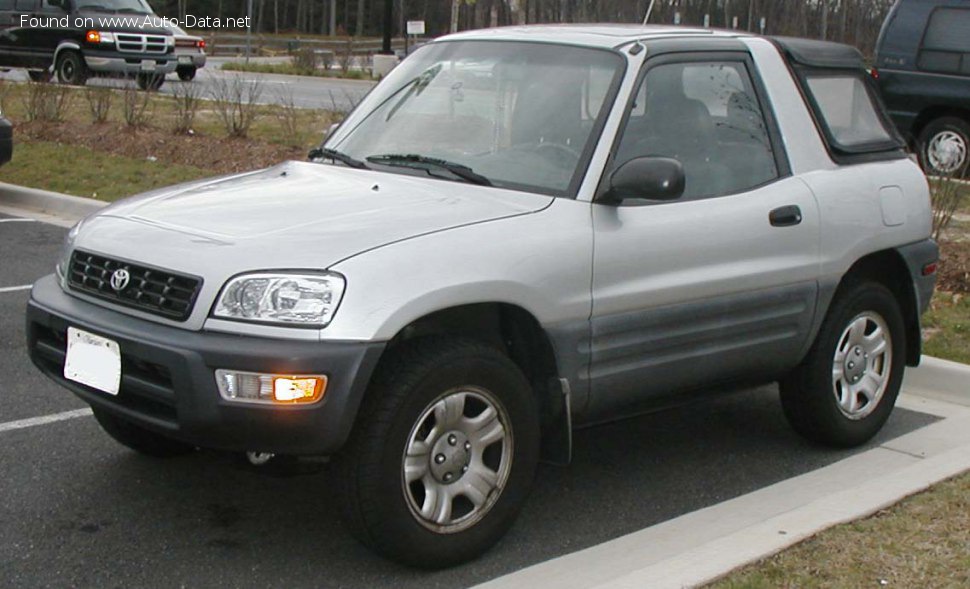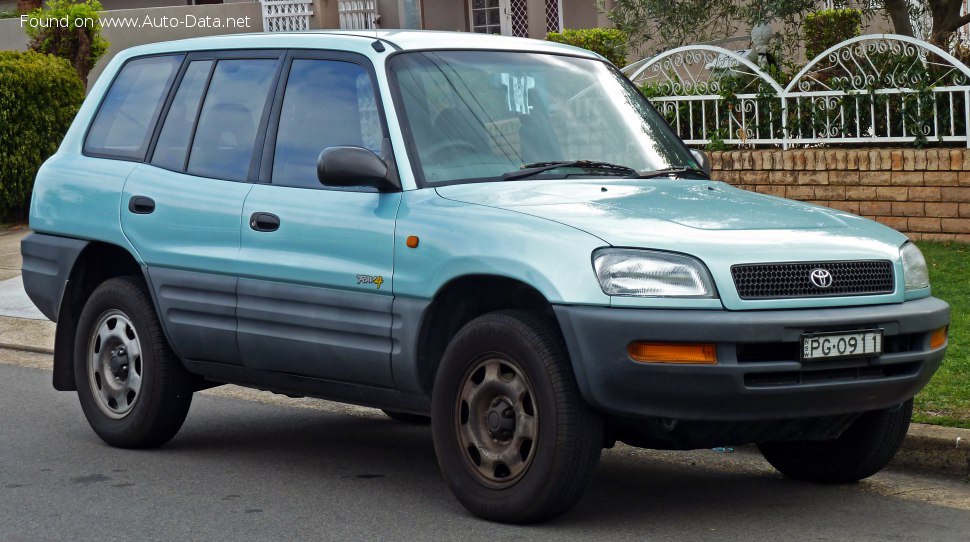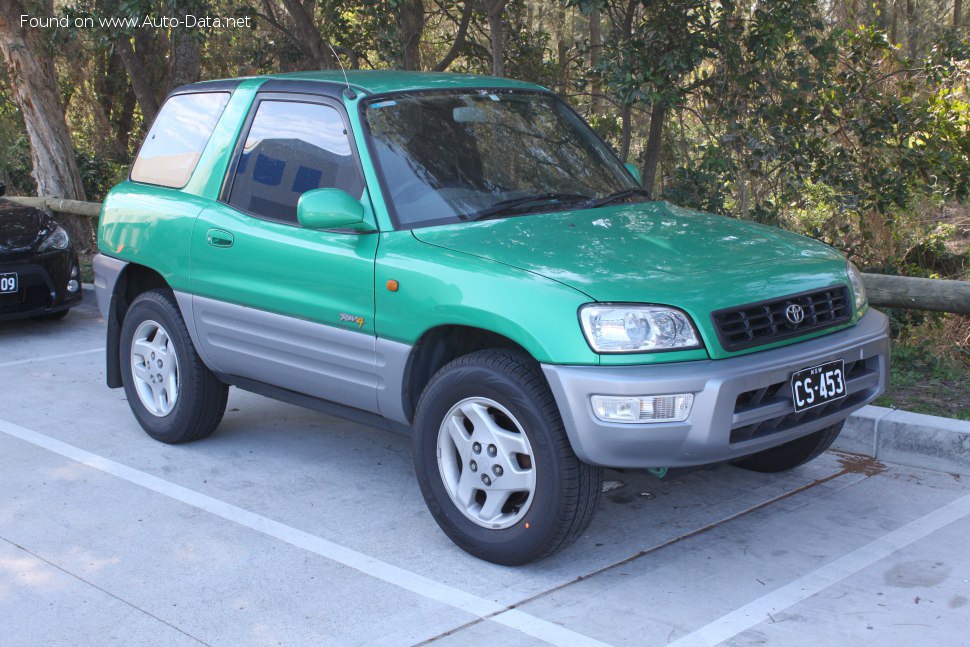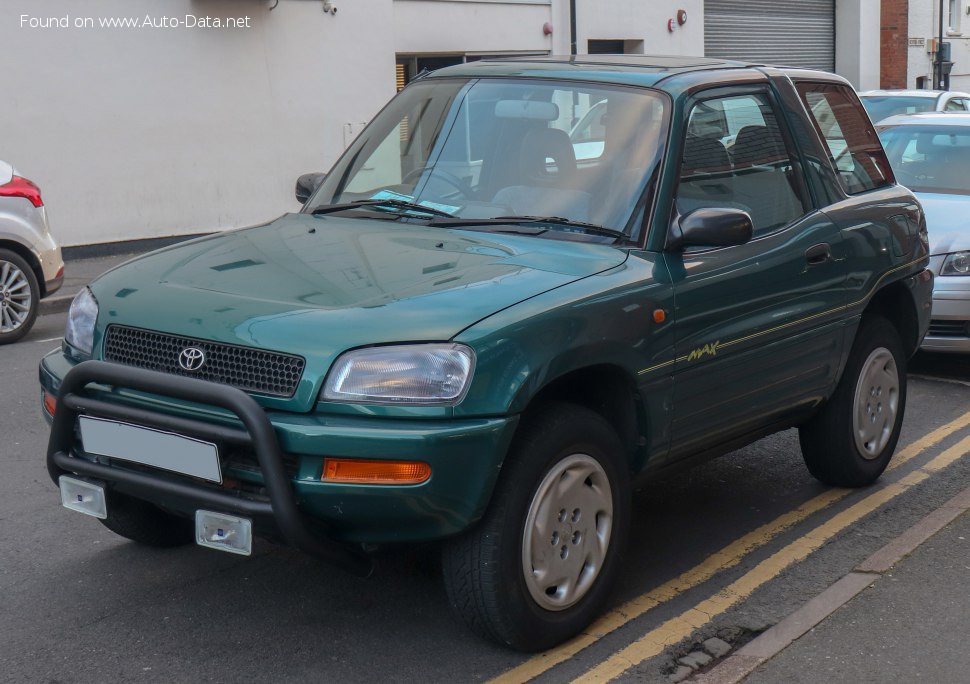
The Toyota RAV4, an acronym for “Recreational Activity Vehicle: 4-wheel drive,” debuted in 1994, establishing a new automotive segment: the compact sport utility vehicle (SUV). The first generation, designated XA10, was a revolutionary concept, blending SUV practicality and a higher driving position with the fuel efficiency, maneuverability, and car-like handling of a passenger car. The Toyota RAV4 I (XA10) 3-door 2.0i 16V (129 Hp) 4WD Automatic variant was a particularly agile and spirited offering, designed to appeal to a youthful, active demographic seeking adventure without sacrificing urban usability. Produced from 1994 to 2000, this initial RAV4 laid the foundation for what would become one of the best-selling and most influential crossover vehicles globally, profoundly shaping consumer expectations for modern SUVs.
Engine & Performance of the Toyota RAV4 I (XA10)
The Toyota RAV4 I (XA10) 3-door 2.0i 16V (129 Hp) 4WD Automatic was powered by Toyota’s 3S-FE engine. This 2.0-liter (1998 cm3 or 121.93 cubic inches) inline-four cylinder gasoline engine was known for its robust reliability and smooth operation. Featuring a DOHC (Double Overhead Camshaft) valvetrain with four valves per cylinder and multi-port fuel injection, the engine delivered 129 horsepower at 5600 rpm. Its naturally aspirated design contributed to a linear power delivery, making it predictable and easy to drive.
Torque output was 175 Nm, translating to approximately 129.07 lb.-ft. of torque at 4600 rpm. This provided ample power for urban commuting and light off-road excursions, especially considering the vehicle’s relatively low curb weight of 2,660.98 pounds (1207 kg). Power was routed through a 4-speed automatic transmission, offering smooth and unobtrusive shifts suited for the RAV4’s intended use as a versatile daily driver and weekend explorer. The permanent all-wheel-drive (4WD) system ensured confident traction on various surfaces, from paved roads to unpaved trails, giving the RAV4 a genuine sense of capability.
Performance figures were modest but adequate for the era. The RAV4 I (XA10) 3-door 2.0i 16V (129 Hp) 4WD Automatic could reach a top speed of 106.25 mph (171 km/h). Fuel economy was a significant selling point, offering a combined rating of approximately 24.2 US mpg (9.7 l/100 km), competitive for an all-wheel-drive vehicle of its size and capability at the time. This balance of power, efficiency, and all-weather traction made the RAV4 an attractive option for a broad customer base.
Design & Features
The design of the first-generation Toyota RAV4 was iconic and immediately recognizable. The 3-door variant exuded a sporty and adventurous character. Its compact dimensions – a length of 145.87 inches (3705 mm), a width of 66.73 inches (1695 mm), and a height of 65.16 inches (1655 mm) – made it incredibly agile and easy to maneuver in tight city spaces. The short wheelbase of 86.61 inches (2200 mm) contributed to its nimble handling and impressive 34.78-foot (10.6 m) turning circle.
The exterior styling featured a rounded, friendly aesthetic, departing from the boxy designs of traditional SUVs. It had prominent plastic cladding along the lower body, signaling its rugged intentions, and a tailgate-mounted spare tire, a classic SUV cue. The short overhangs (28.94 inches front, 30.31 inches rear) and a generous ground clearance of 8.07 inches (205 mm), coupled with impressive 37° approach and 42° departure angles, hinted at its genuine off-road capability for light-duty trails.
Inside, the RAV4 offered a surprisingly spacious cabin for its exterior dimensions, accommodating five occupants, though the rear seats in the 3-door model were better suited for occasional use or children. The interior was functional and ergonomic, featuring durable materials designed to withstand an active lifestyle. While not opulent, it provided all the necessary comforts for the mid-1990s. Trunk space was modest at 6.22 cubic feet (176 liters) with all seats in place, but expanded to a more practical 18.36 cubic feet (520 liters) with the rear seats folded, demonstrating its versatility. Safety features for the era included standard airbags and anti-lock brakes (on most trims), reflecting Toyota’s commitment to passenger protection.
Technical Specifications: Toyota RAV4 I (XA10)
| Category | Specification |
|---|---|
| General Information | |
| Brand | Toyota |
| Model | RAV4 |
| Generation | RAV4 I (XA10) 3-door |
| Type (Engine) | 2.0i 16V (129 Hp) 4WD Automatic |
| Production Start | 1994 |
| Production End | 2000 |
| Powertrain Architecture | Internal Combustion Engine |
| Body Type | SUV |
| Seats | 5 |
| Doors | 3 |
| Performance Specs | |
| Fuel Consumption (Urban) | 10.5 l/100 km (22.4 US mpg) |
| Fuel Consumption (Extra Urban) | 7.1 l/100 km (33.1 US mpg) |
| Fuel Consumption (Combined) | 9.7 l/100 km (24.2 US mpg) |
| Fuel Type | Petrol (Gasoline) |
| Maximum Speed | 171 km/h (106.25 mph) |
| Engine Specs | |
| Power | 129 Hp @ 5600 rpm |
| Torque | 175 Nm @ 4600 rpm (129.07 lb.-ft. @ 4600 rpm) |
| Engine Displacement | 1998 cm3 (121.93 cu. in. / 2.0 Liters) |
| Number of Cylinders | 4 |
| Dimensions | |
| Length | 3705 mm (145.87 in.) |
| Width | 1695 mm (66.73 in.) |
| Height | 1655 mm (65.16 in.) |
| Wheelbase | 2200 mm (86.61 in.) |
| Kerb Weight | 1207 kg (2660.98 lbs.) |
Legacy and Market Impact
The first-generation Toyota RAV4, particularly the Toyota RAV4 I (XA10) 3-door 2.0i 16V (129 Hp) 4WD Automatic, carved out a significant niche and left an indelible mark on the automotive landscape. Before its arrival, SUVs were largely truck-based, rugged, and often cumbersome vehicles, primarily appealing to buyers needing serious off-road capability or significant towing capacity. The RAV4 redefined the segment by proving that an SUV could be car-based, comfortable, fuel-efficient, and fun to drive, all while retaining a degree of all-weather versatility and a higher driving position.
It essentially pioneered the “crossover” segment, inspiring countless competitors from other manufacturers. Its success demonstrated a substantial market demand for vehicles that offered SUV aesthetics and capability without the compromises of traditional body-on-frame designs. In its primary markets, including North America, Europe, and Asia, the RAV4 quickly gained popularity among urban dwellers and families seeking a versatile vehicle for daily commutes, weekend adventures, and light recreational activities. Its compact size made it particularly well-suited for European cities and Japanese roads, where larger SUVs were less practical.
Competitors eventually emerged, such as the Honda CR-V, Subaru Forester, and later the Nissan X-Trail, all aiming to capture a share of the burgeoning compact SUV market that the RAV4 had opened up. However, the RAV4 consistently held its own, building a reputation for Toyota’s hallmark reliability, low running costs, and strong resale value. Its innovative design and concept made it a trendsetter, fundamentally shifting consumer perceptions of what an SUV could be.
The RAV4 I (XA10) is now regarded as a modern classic, a vehicle that not only anticipated but actively created a new automotive category. Its heritage is evident in every modern crossover SUV on the road today. For many, it represents a pivotal moment in automotive history, a vehicle that perfectly blended practicality, style, and capability, setting the stage for the global dominance of the crossover SUV.