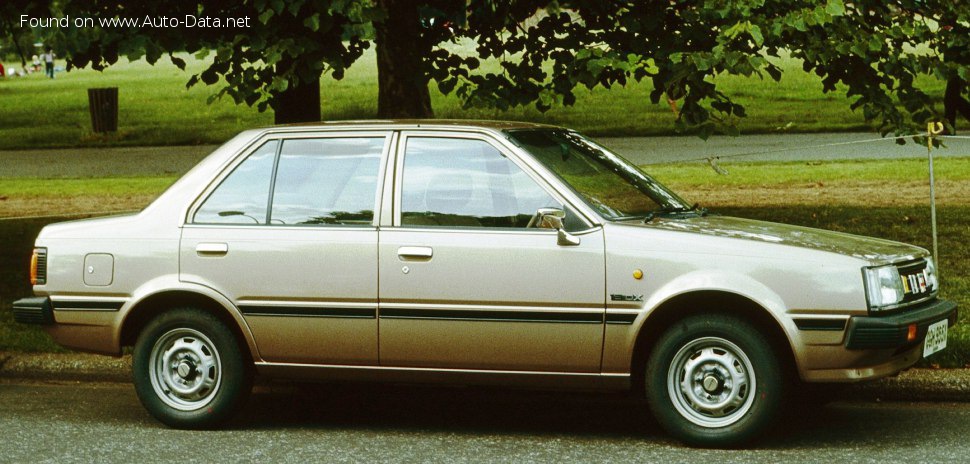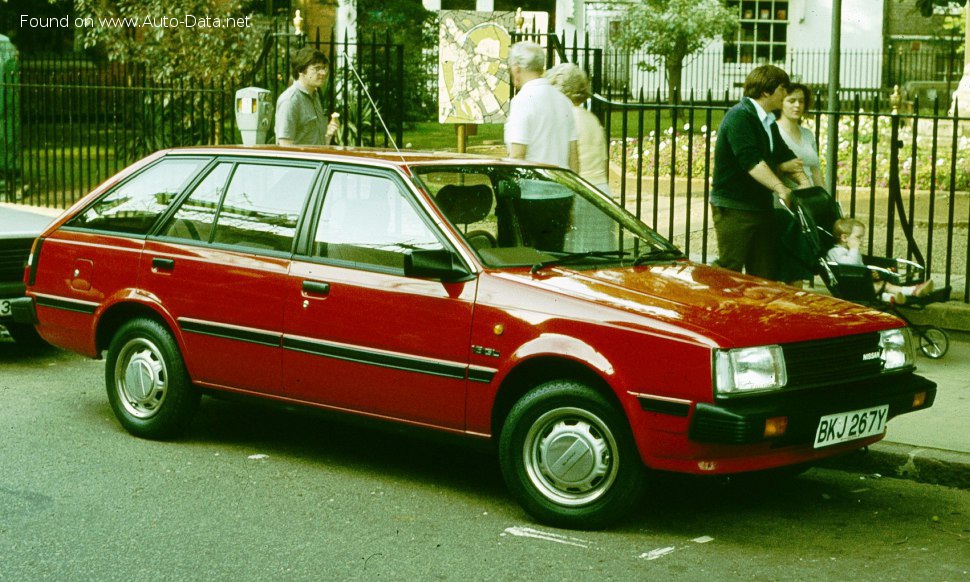
The Nissan Sunny, a nameplate synonymous with reliable and economical transportation for decades, saw a pivotal moment with the introduction of its B11 generation. Launched in 1982, the Nissan Sunny I Wagon (B11) represented a significant evolutionary step for Nissan’s compact car lineup, transitioning to a more modern front-wheel-drive (FWD) architecture. This shift marked a departure from the traditional rear-wheel-drive (RWD) layouts that had characterized previous Sunny generations, aligning the model with contemporary automotive trends focused on packaging efficiency, improved interior space, and enhanced fuel economy. While the B11 platform was widely known in North America as the Sentra, particularly in its sedan and coupe forms, the Sunny I Wagon, especially with its 1.7-liter diesel engine variant, carved out a specific niche primarily in European and Asian markets where fuel efficiency and cargo utility were paramount considerations for consumers. This particular iteration, the 1.7 D (54 HP), exemplifies the era’s focus on practicality and durability over outright performance, serving as a dependable family hauler or light commercial vehicle.
Engine & Performance of the Nissan Sunny I Wagon (B11)
At the heart of the Nissan Sunny I Wagon (B11) 1.7 D lies a powertrain engineered for endurance and economy rather than blistering speed. The vehicle is equipped with a 1.7-liter naturally aspirated diesel engine, a common and highly regarded choice in many global markets during the 1980s due to its inherent fuel efficiency and robust construction. This engine produced a modest 54 horsepower, a figure that, by modern standards, might seem low, but was entirely adequate for the intended purpose of this compact station wagon. In an era before widespread turbocharging in passenger car diesels, a naturally aspirated unit like this prioritized reliability and low running costs.
Its power delivery was characterized by a steady, linear pull, perfectly suited for urban commuting, long-distance highway cruising at moderate speeds, and carrying a full load of passengers or cargo without excessive strain. The drivetrain architecture of the Nissan Sunny I Wagon (B11) 1.7 D is front-wheel drive, a fundamental change for the Sunny line with the B11 generation. This FWD setup, combined with the compact diesel engine, offered several advantages. It allowed for a more spacious interior by eliminating the need for a large transmission tunnel and rear differential, maximizing passenger and cargo room within the car’s relatively compact footprint. Furthermore, FWD generally provides better traction in adverse weather conditions, a valuable attribute for a family vehicle. While specific torque figures are not widely published, naturally aspirated diesels of this displacement typically delivered a healthy amount of low-end torque, contributing to good drivability and ease of pulling away from a standstill, even with the modest horsepower rating. This powertrain combination solidified the Sunny’s reputation as a no-nonsense, economical choice for consumers who valued practicality and longevity above all else.
Design & Features: The Practicality of the Nissan Sunny I Wagon (B11)
The design of the Nissan Sunny I Wagon (B11) is a testament to the functional aesthetic prevalent in the early to mid-1980s. As a station wagon (often referred to as an “estate” in many markets), its body style was inherently designed for utility. The B11 generation adopted a sharper, more angular styling compared to its predecessors, reflecting the contemporary design language of the era. The wagon variant specifically featured a boxy rear section, meticulously crafted to maximize cargo volume, which was a primary selling point for this type of vehicle. With its practical proportions and relatively compact exterior dimensions, the Sunny Wagon was adept at navigating congested city streets while still offering substantial carrying capacity.
The Sunny I Wagon was typically offered with either three or five doors, with the five-door configuration being the more common and practical choice for a family-oriented station wagon, providing easier access to the rear seats and cargo area. Inside, the vehicle was designed to accommodate five occupants comfortably, featuring durable upholstery and straightforward ergonomics. While specific luxury features were minimal in this particular diesel variant, which was positioned as an economical workhorse, the focus was on functionality and robustness. Dashboards were clear and uncluttered, with controls that were easy to operate. Storage compartments were thoughtfully integrated, contributing to the car’s overall utility. Safety features, typical for the early 1980s, included basic seatbelts and a sturdy unibody construction, designed to offer reasonable occupant protection. The enduring appeal of the Sunny Wagon lay in its honest, unpretentious design that prioritized space, visibility, and ease of use, making it a highly versatile vehicle for a wide array of daily tasks.
Nissan Sunny I Wagon (B11): Technical Specifications
| Category | Specification |
| Brand | Nissan |
| Model | Sunny |
| Generation | Sunny I Wagon (B11) |
| Type (Engine) | 1.7 D (54 HP) |
| Start of Production | 1982 |
| End of Production | 1986 |
| Powertrain Architecture | Internal Combustion engine |
| Body type | Station wagon (estate) |
| Seats | 5 |
| Doors | 3/5 |
| Fuel Type | Diesel |
| Power | 54 HP |
| Engine Aspiration | Naturally aspirated engine |
| Drivetrain Architecture | The Internal combustion engine (ICE) drives the front wheels of the vehicle. |
| Drive wheel | Front wheel drive |
Legacy and Market Impact of the Nissan Sunny I Wagon (B11)
The Nissan Sunny I Wagon (B11), particularly in its economical 1.7 D guise, left a significant mark on the automotive landscape of the 1980s, solidifying Nissan’s reputation as a producer of reliable, affordable, and practical vehicles on a global scale. While its sedan and coupe siblings, known as the Sentra in the North American market, focused on mainstream appeal, the Sunny Wagon’s impact was more pronounced in regions where compact utility and fuel economy were highly valued, such as Europe, parts of Asia, and emerging markets. It was a car that resonated with families needing versatile transport and small businesses requiring dependable light-duty hauling.
Its primary competitors in the compact wagon segment of the early 1980s included a host of other highly capable and practical vehicles. In Japan and Asia, it contended with rivals like the Toyota Corolla Wagon and the Mazda Familia (323) Wagon, both of which also offered similar propositions of reliability and efficiency. In Europe, the Sunny Wagon faced stiff competition from models such as the Opel Kadett Caravan, Ford Escort Estate, and Volkswagen Golf Variant, all of which vied for market share among consumers seeking economical and spacious compacts. What distinguished the Sunny was often its perceived bulletproof reliability and competitive pricing, attributes that fostered strong customer loyalty.
The historical significance of the Nissan Sunny I Wagon (B11) stems from several factors. Firstly, it was a key player in Nissan’s global strategy, demonstrating the brand’s ability to adapt to diverse market demands, offering a range of body styles and engine options, including a frugal diesel, to cater to specific regional preferences. Secondly, its transition to a front-wheel-drive platform was a pivotal moment, showcasing Nissan’s commitment to modern engineering and interior packaging efficiency, setting a precedent for future generations of the Sunny and Sentra. Lastly, the 1.7 D variant, with its emphasis on low running costs and durability, played a crucial role in making motoring accessible and sustainable for countless individuals and families during a period when fuel prices were a significant concern. The Sunny I Wagon (B11) stands as a testament to practical engineering and global automotive strategy, a dependable workhorse that contributed significantly to Nissan’s legacy of building cars for the everyday driver. Its unpretentious design and solid mechanicals ensured that many examples continued to serve their owners faithfully for decades, a true hallmark of its enduring quality and impact.