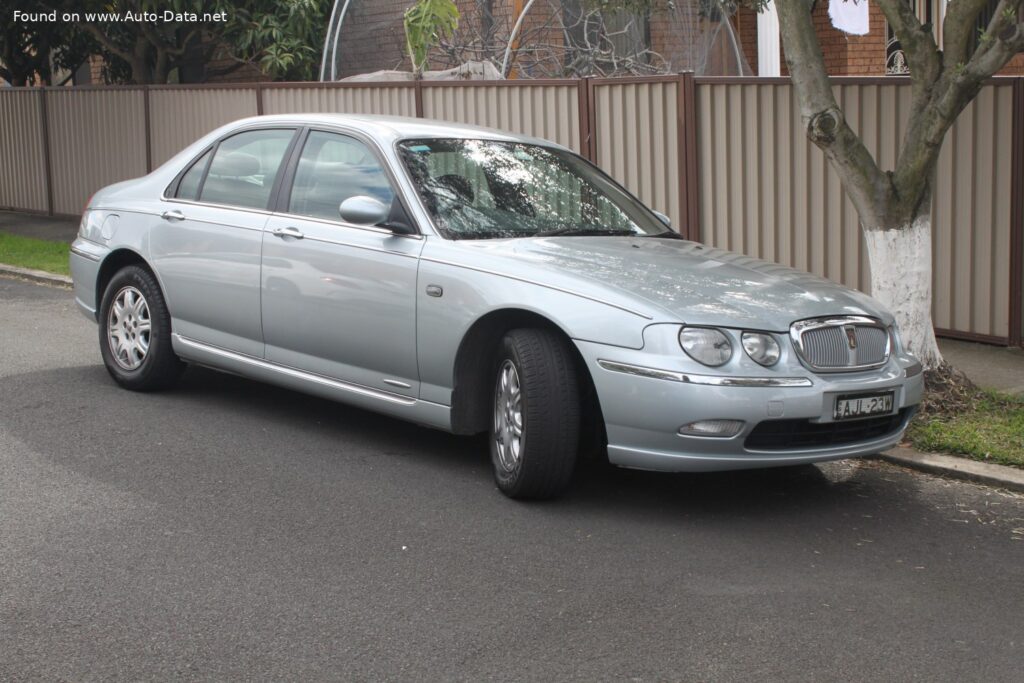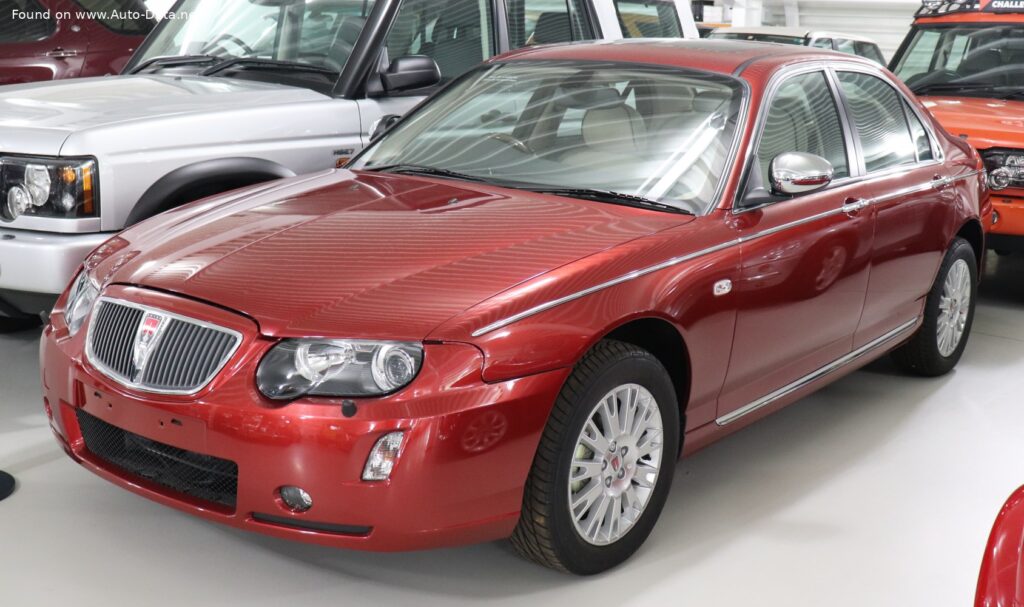
The Rover 75 (facelift 2004) represents a significant, and ultimately bittersweet, moment in British automotive history. Introduced in 1998 and receiving a notable refresh in 2004, the 75 was a product of BMW’s stewardship of the Rover Group, intended to revive the brand with a blend of classic British styling, modern engineering, and a comfortable driving experience. The 2004 facelift, detailed here, was a final attempt by the then-independent MG Rover to bolster sales and maintain relevance in a fiercely competitive market, continuing production until 2005. The Rover 75 (facelift 2004) 1.8 (120 horsepower) Automatic, specifically, embodies the marque’s dedication to refinement and comfort, even amidst the company’s financial difficulties.
The Rover 75: A British Executive Sedan
The Rover 75 was positioned within the European mid-size executive car segment, competing with vehicles like the Ford Mondeo, Vauxhall/Opel Vectra, and Volkswagen Passat. However, unlike many of its rivals which prioritized sporty handling or technological innovation, the Rover 75 aimed for a more traditional British experience – prioritizing ride comfort, a spacious interior, and a sense of understated luxury. It was never officially offered for sale in the United States. The American market had largely moved away from the type of large, comfortable sedans the Rover 75 represented, favoring smaller, more fuel-efficient, or performance-oriented vehicles. The car found its primary audience in the United Kingdom and across continental Europe, appealing to buyers who valued a relaxed driving experience and a distinctive aesthetic. The 2004 facelift was a crucial update, designed to modernize the car’s appearance and address some criticisms leveled at the original design.
Design Evolution with the 2004 Facelift
The 2004 facelift brought a series of subtle but impactful changes to the Rover 75’s exterior. The most noticeable alterations included a revised front grille, incorporating a more prominent chrome surround and a redesigned mesh pattern. The headlights were also updated with clear lenses and a new internal configuration, giving the car a more contemporary look. The front bumper was reshaped to integrate fog lamps more seamlessly, and the rear received updated taillights and a revised boot lid garnish. These changes, while not radical, successfully refreshed the car’s appearance, making it appear more modern without sacrificing its inherent character. Inside, the facelift included minor trim updates and improvements to the infotainment system, although the overall cabin layout remained largely unchanged. The focus remained on providing a comfortable and well-appointed interior, with generous use of wood veneer and leather upholstery on higher trim levels.
Engine & Performance
The Rover 75 (facelift 2004) 1.8 is powered by an 1.8-liter (1796 cc or 109.6 cubic inches) naturally aspirated inline-four cylinder gasoline engine. This engine, designated as the ‘Series K’ engine, was a mainstay of Rover’s powertrain lineup. In this application, it produces 120 horsepower (89 kW) and approximately 123 lb-ft (167 Nm) of torque. While not a powerhouse, the engine provided adequate performance for comfortable cruising and everyday driving. The engine is paired with a five-speed automatic transmission, contributing to the car’s focus on ease of use and relaxed driving. Acceleration from 0 to 60 mph (0 to 97 km/h) takes approximately 10.5 seconds, and the top speed is around 120 mph (193 km/h). Fuel economy is rated at around 24 mpg (9.8 L/100km) combined, which was typical for a car of this size and class at the time. The Series K engine, while generally reliable, was known to be susceptible to head gasket failures if not properly maintained, a common issue for Rover vehicles of this era.
Chassis and Handling
The Rover 75 utilizes a front-engine, rear-wheel-drive layout, a configuration relatively uncommon in the mid-size segment. This layout contributes to the car’s balanced handling and comfortable ride. The suspension consists of independent double wishbones at the front and a multi-link setup at the rear, providing a smooth and controlled ride quality. Steering is power-assisted, offering a light and easy driving experience. The car’s emphasis is on comfort rather than sporty handling, making it well-suited for long-distance journeys. The rear-wheel-drive configuration also provides a more spacious interior compared to front-wheel-drive alternatives, as it eliminates the need for a transmission tunnel running through the center of the cabin.
Design & Features
The Rover 75 (facelift 2004) is a four-door, five-seater sedan with a traditional three-box design. The car’s styling is heavily influenced by classic British saloons, with a long bonnet, a spacious cabin, and a relatively short rear deck. The interior is designed to provide a comfortable and luxurious environment, with generous use of high-quality materials. Standard features on the 1.8 Automatic model include air conditioning, power windows, central locking, and an audio system. Higher trim levels offer additional features such as leather upholstery, wood veneer trim, and a sunroof. Safety features, while not as comprehensive as those found on modern vehicles, include anti-lock brakes (ABS) and airbags. The Rover 75’s design prioritizes comfort and refinement over outright performance or cutting-edge technology, appealing to buyers who value a relaxed and luxurious driving experience.
Technical Specifications
| Engine Type | 1.8L Inline-4 Cylinder Gasoline |
| Engine Displacement | 1796 cc (109.6 cu in) |
| Horsepower | 120 hp (89 kW) @ 5500 rpm |
| Torque | 123 lb-ft (167 Nm) @ 3900 rpm |
| Transmission | 5-Speed Automatic |
| Drivetrain | Rear-Wheel Drive |
| 0-60 mph | 10.5 seconds (approx.) |
| Top Speed | 120 mph (193 km/h) (approx.) |
| Fuel Economy (Combined) | 24 mpg (9.8 L/100km) (approx.) |
| Curb Weight | 3,351 lbs (1,520 kg) (approx.) |
| Length | 186.8 in (4745 mm) |
| Width | 70.9 in (1800 mm) |
| Height | 57.1 in (1450 mm) |