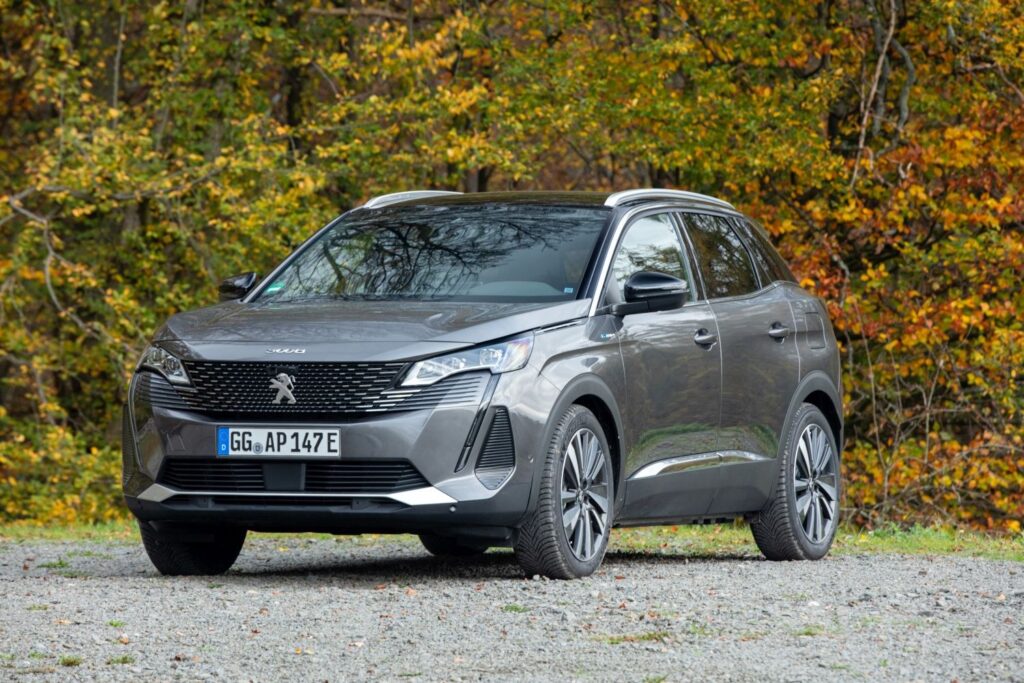
The Peugeot 3008 II Phase II, introduced in September 2020 as a significant mid-cycle refresh for the second-generation model, solidified Peugeot’s strong presence in the highly competitive European compact SUV segment. This particular variant, equipped with the efficient 1.2 PureTech (131 Hp) engine and an 8-speed automatic transmission, represents a popular choice for consumers prioritizing a blend of modern design, advanced technology, and practical fuel economy. While the Peugeot brand has a limited presence in the North American market, the 3008 is a critical model for Stellantis (formerly PSA Group) in Europe and other international markets, showcasing French automotive design and engineering prowess in a segment dominated by global contenders.
The second generation of the 3008, initially launched in 2016, marked a radical departure from its MPV-like predecessor, embracing a more conventional yet distinct SUV silhouette. The Phase II facelift further refined this successful formula, bringing updated styling cues, enhanced infotainment, and improved driver-assistance systems to keep it fresh against rivals. Its success is attributed to its striking aesthetics, premium-feeling interior, and dynamic driving characteristics, making it a compelling option for families and individuals seeking a versatile and stylish vehicle.
Peugeot 3008 II Phase II: A Detailed Overview
Engine and Performance
At the heart of this particular Peugeot 3008 II Phase II model is the acclaimed 1.2-liter PureTech gasoline engine. This compact, three-cylinder inline powerplant, designated HNY EB2DTS, benefits from direct fuel injection and a turbocharger with an intercooler, allowing it to punch above its weight in terms of output and efficiency. It delivers a respectable 131 horsepower at 5500 rpm, which is impressive for an engine of its modest displacement. Torque output stands at 230 Nm, or approximately 169.64 lb.-ft., available at a low 1750 rpm, ensuring responsive acceleration and flexible in-gear performance, crucial for both city driving and highway cruising.
Power is seamlessly managed by an advanced 8-speed automatic transmission, which contributes significantly to both driving comfort and fuel efficiency. This drivetrain architecture directs power to the front wheels, a common setup for compact SUVs in Europe, emphasizing road-oriented performance and efficiency over extreme off-road capability. The 3008 II Phase II with this powertrain achieves a 0 to 60 mph acceleration time of 9.2 seconds, with a top speed of 116.82 mph. These figures highlight its capability as a competent daily driver, offering enough zest for most driving scenarios without compromising on economy.
Fuel efficiency is a strong suit for this 3008 variant, with combined WLTP figures ranging from 32.2 to 38.6 US mpg. This is complemented by relatively low CO2 emissions, between 139-165 g/km, allowing it to meet the stringent Euro 6d-ISC-FCM emission standard. The inclusion of a Start & Stop System and a particulate filter further underscores Peugeot’s commitment to environmental performance and compliance with modern regulations, making it an attractive option in markets with high fuel prices and emission taxes.
Design and Features
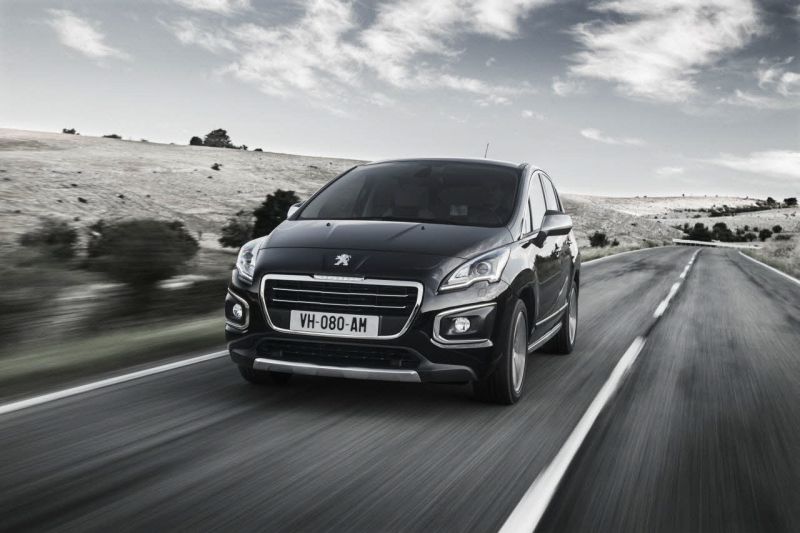
The Peugeot 3008 II Phase II is a five-door, five-seat SUV that embodies Peugeot’s contemporary design language, characterized by sharp lines, distinctive lighting signatures, and a muscular stance. The Phase II facelift introduced a new frameless grille, redesigned front bumper, and updated LED headlights with “fang-like” daytime running lights, giving the front fascia a more aggressive and modern look. At the rear, new full-LED taillights with a 3D claw effect and sequential turn signals added to its sophisticated appeal.
Inside, the 3008 maintains its “i-Cockpit” philosophy, featuring a small-diameter steering wheel, a configurable 12.3-inch digital instrument cluster, and an updated central touchscreen infotainment system (up to 10 inches depending on trim). The interior boasts high-quality materials and a distinctive, ergonomic layout that sets it apart from many competitors. Practicality is also a key strength, with a generous trunk capacity ranging from 18.36 cubic feet with all seats up, expanding to an impressive 52.34 cubic feet with the rear seats folded, making it suitable for various cargo needs.
Safety and driver-assistance features are comprehensive for a modern compact SUV. While specific details can vary by trim, the 3008 II Phase II typically includes advanced systems such as ABS (Anti-lock Braking System), Electronic Stability Control (ESC), and a suite of active safety technologies like lane departure warning, automatic emergency braking, and adaptive cruise control. The vehicle’s dimensions, including a length of 175.08 inches, a width of 72.48 inches, and a height of 63.94 inches, contribute to its agile handling and urban maneuverability, further aided by a tight minimum turning circle of 35.1 feet. With a ground clearance of 8.62 inches, it offers a confident stance and capability to handle light off-road excursions, though its primary domain remains paved roads.
Market Position and Competition
The Peugeot 3008 II Phase II primarily competes within the European compact SUV segment, facing rivals such as the Volkswagen Tiguan, Nissan Qashqai, Hyundai Tucson, and Kia Sportage. Its distinctive styling, premium interior, and efficient powertrain have allowed it to carve out a significant market share, particularly in France, Germany, and the United Kingdom. The 3008’s success demonstrates Peugeot’s ability to offer a compelling alternative to more mainstream competitors, appealing to buyers who prioritize design and driving experience.
Unlike many of its competitors, the Peugeot 3008 is not officially sold in the United States. However, its design and technology influence Stellantis’s North American SUV offerings, and it serves as a benchmark for European automotive design. The vehicle’s focus on fuel efficiency and compact dimensions reflects the priorities of European consumers, where fuel costs and urban congestion are significant factors.
Technical Specifications
| General Information | |
|---|---|
| Brand | Peugeot |
| Model | 3008 |
| Generation | 3008 II (Phase II, 2020) |
| Type (Engine) | 1.2 PureTech (131 Hp) Automatic |
| Start of Production | September, 2020 |
| End of Production | September, 2023 |
| Powertrain Architecture | Internal Combustion engine |
| Body Type | SUV |
| Seats | 5 |
| Doors | 5 |
| Performance Specifications | |
| Fuel Consumption (WLTP Combined) | 6.1-7.3 l/100 km (38.6 – 32.2 US mpg) |
| CO2 Emissions (WLTP) | 139-165 g/km |
| Fuel Type | Petrol (Gasoline) |
| Acceleration 0 – 60 mph | 9.2 sec |
| Maximum Speed | 116.82 mph (188 km/h) |
| Emission Standard | Euro 6d-ISC-FCM |
| Weight-to-Power Ratio | 10.1 kg/Hp (99.2 Hp/tonne) |
| Weight-to-Torque Ratio | 5.7 kg/Nm (174.2 Nm/tonne) |
| Engine Specifications | |
| Power | 131 Hp @ 5500 rpm |
| Power per Liter | 109.3 Hp/l |
| Torque | 230 Nm (169.64 lb.-ft.) @ 1750 rpm |
| Engine Layout | Front, Transverse |
| Engine Model/Code | HNY EB2DTS |
| Engine Displacement | 1199 cm3 (1.2 liters / 73.17 cu. in.) |
| Number of Cylinders | 3 |
| Engine Configuration | Inline |
| Number of Valves per Cylinder | 4 |
| Fuel Injection System | Direct injection |
| Engine Aspiration | Turbocharger, Intercooler |
| Engine Oil Capacity | 3.5 l (3.7 US qt) |
| Engine Systems | Start & Stop System, Particulate filter |
| Space, Volume, and Weights | |
| Curb Weight | 2910.1 lbs. (1320 kg) |