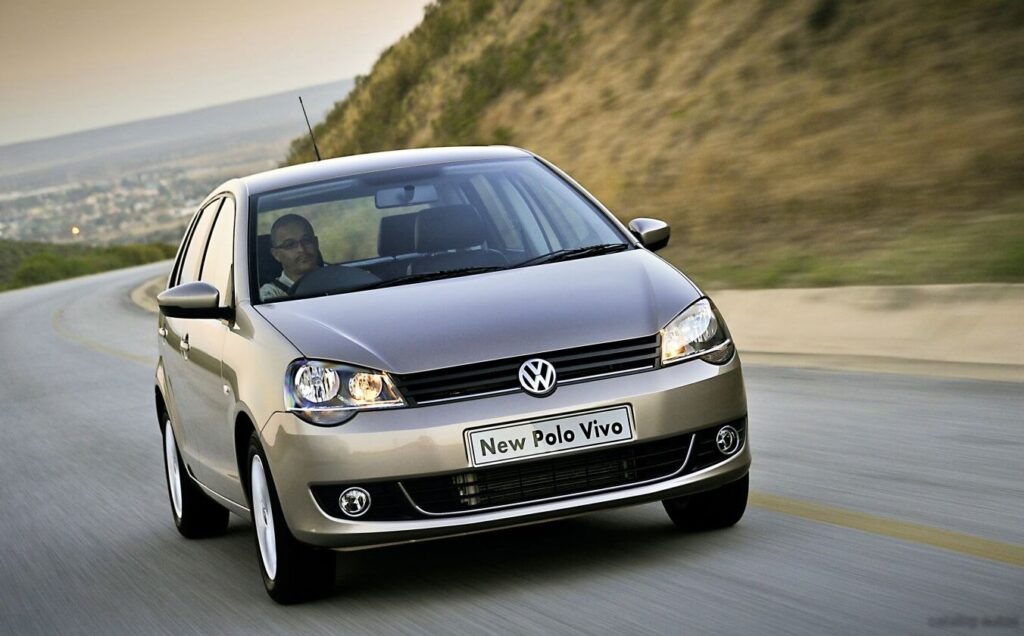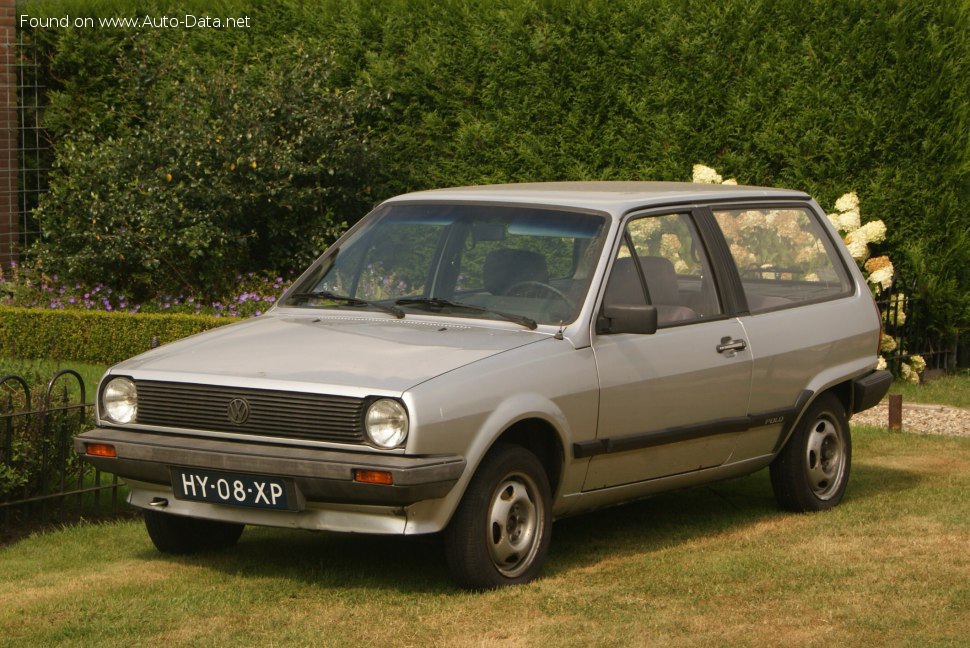
The Volkswagen Polo II (86C) 1.3 (60 Hp) represents a pivotal moment in Volkswagen’s history with compact cars. Introduced in 1981, this second-generation Polo followed the success of the original, establishing itself as a dependable, economical, and practical option within the competitive European supermini market. This article details the early 1.3-liter (60 Hp) variant, available in the initial production year of the 86C, which served as an accessible entry point into German engineering for many European drivers. While the Polo 86C enjoyed a lengthy production run until 1994, this specific engine configuration was a cornerstone of its early appeal.
The Volkswagen Polo II (86C): A European Icon
Unlike many Volkswagen models that reached American dealerships, the Polo II (86C) was primarily developed for and sold in Europe and select international markets. This makes it a less familiar vehicle to U.S. automotive enthusiasts. However, its engineering principles and overall influence align with Volkswagen’s global reputation for quality and efficiency. The 1.3-liter (60 Hp) version, prioritizing affordability and fuel economy, perfectly matched the needs of European consumers in the early 1980s, offering a blend of compact size, versatile practicality, and robust mechanics.
Engine & Performance
The Volkswagen Polo II (86C) 1.3 was powered by a naturally aspirated 1.3-liter (approximately 79 cubic inches) internal combustion engine, designated with the engine code HH. This powertrain produced 60 horsepower (Hp), a respectable output for its time and class. Before the widespread adoption of turbocharging and advanced engine management systems, 60 Hp from a naturally aspirated 1.3-liter engine was considered adequate for a lightweight supermini intended for city commuting and occasional longer trips.
The engine was designed for simplicity and durability, hallmarks of Volkswagen’s compact car line. Its naturally aspirated design provided predictable power delivery and reduced manufacturing costs, contributing to the Polo’s affordability. Fueling was via gasoline, and the design emphasized efficiency over speed, a crucial factor for European drivers facing fluctuating fuel prices. The powertrain followed a common front-engine, front-wheel-drive layout, optimizing interior space and handling. Routine maintenance was straightforward, with an engine oil capacity of 3 liters (3.17 US quarts) and a coolant capacity of 4 liters (4.23 US quarts), further enhancing its appeal as a daily driver.
Design & Features
The Volkswagen Polo II (86C) marked a significant design shift from its predecessor, adopting a more angular and boxy aesthetic characteristic of 1980s European cars. This variant, like most in the 86C generation, was offered as a practical hatchback. The hatchback body style was popular in Europe, praised for its versatility, easy access to the cargo area, and foldable rear seats for increased luggage capacity – essential for families and individuals in crowded urban environments.
The Polo II’s design prioritized function over form. Its clean lines and upright stance maximized interior space within a compact footprint. While not overtly styled for aesthetic appeal, the 86C’s design proved enduring and practical. Standard features for a 1981 economy car included a simple dashboard, manual windows, and basic fabric upholstery. Safety features, by modern standards, were basic, focusing on passive measures like seatbelts and a robust body shell. However, the Polo II offered a reliable and predictable driving experience, prioritizing ease of use over luxury. Its compact size made it highly maneuverable in tight European city streets and easy to park, a significant advantage in its target markets.
Technical Specifications
| Category | Specification |
| Brand | Volkswagen |
| Model | Polo |
| Generation | Polo II (86C) |
| Engine Type | 1.3 (60 Hp) |
| Start of Production | 1981 |
| End of Production | 1981 |
| Powertrain Architecture | Internal Combustion engine |
| Body Type | Hatchback |
| Fuel Type | Petrol (Gasoline) |
| Power | 60 Hp |
| Engine Model/Code | HH |
| Engine Aspiration | Naturally aspirated engine |
| Engine Oil Capacity | 3 l (3.17 US qt | 2.64 UK qt) |
| Coolant Capacity | 4 l (4.23 US qt | 3.52 UK qt) |
| Drivetrain | Front-wheel drive |
Legacy and Market Impact
The Volkswagen Polo II (86C), including its early 1.3-liter (60 Hp) models, established a strong legacy in the European automotive market. It was a key component of Volkswagen’s strategy to offer a full range of vehicles, from the entry-level Polo to the mid-range Golf and the executive Passat. The 86C generation, with a production run exceeding a decade, became synonymous with reliability, low running costs, and a practical approach to motoring.
In its primary market, the Polo II faced competition from rivals like the Ford Fiesta, Opel Corsa (Vauxhall Nova in the UK), Renault 5, Fiat Uno, and Peugeot 205. Despite this competition, the Polo secured a significant market share, appealing to buyers who valued Volkswagen’s reputation for build quality and engineering. Its practical hatchback body and economical engines, like the 1.3-liter (60 Hp) unit, made it ideal for young drivers, small families, and urban commuters across Europe.
The historical significance of the Polo II (86C) lies in its role in solidifying Volkswagen’s position in the supermini segment. It demonstrated that a small car could be durable, enjoyable to drive, and still embody the robust German engineering associated with larger Volkswagen models. The success of the 86C paved the way for subsequent Polo generations, which continued to evolve and adapt to changing market demands while maintaining core values of practicality and efficiency. Today, the Polo II (86C) is appreciated by enthusiasts as a classic example of early 1980s European compact car design, valued for its unpretentious charm and mechanical simplicity. It remains an accessible way to experience Volkswagen’s automotive heritage.