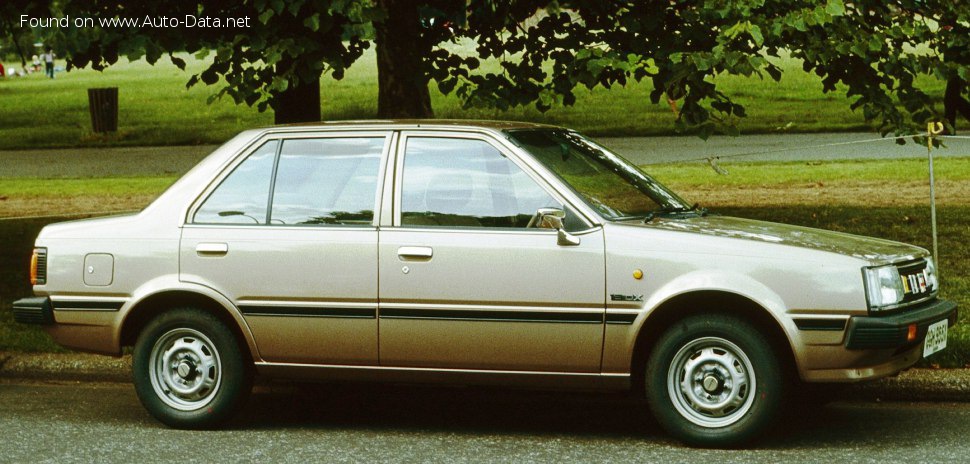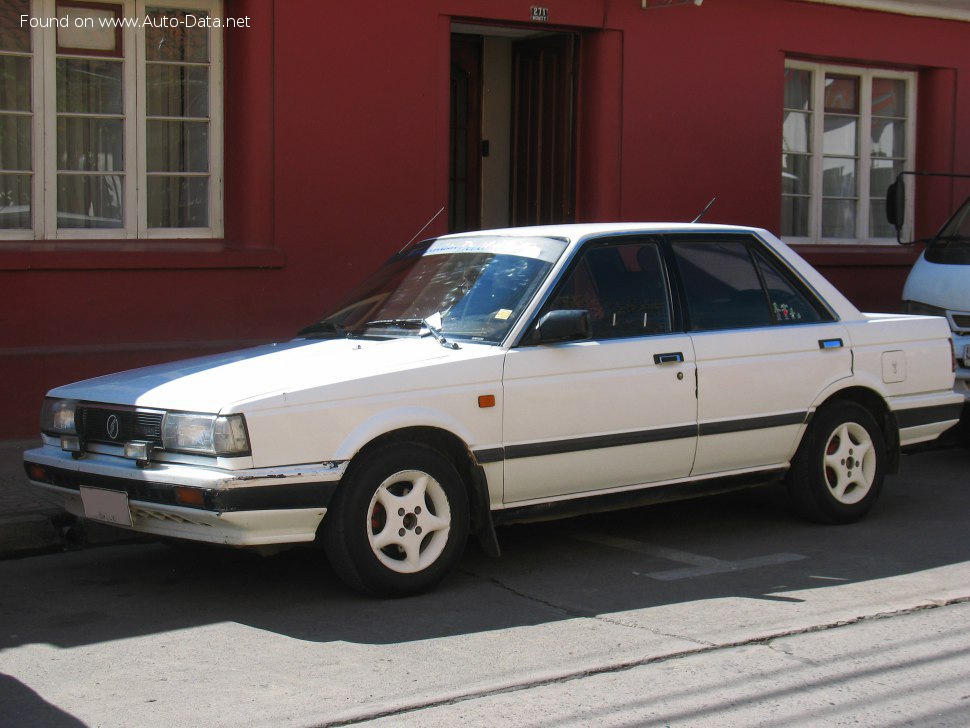
The Nissan Sunny II GA15DE (B12) 1.5 (71 Hp) represents a significant chapter in Nissan’s history, embodying the brand’s commitment to producing reliable, economical, and practical compact vehicles for the global market. Launched in 1986 as part of the B12 generation, this iteration of the Nissan Sunny was known by various names across different regions, most notably as the Nissan Sentra in North America. It succeeded the B11 generation and continued to build on its predecessor’s reputation for durability and low running costs. The B12 generation marked an evolution in design and engineering for Nissan’s compact lineup, moving towards more refined driving dynamics and improved interior comfort while retaining the core values of affordability and efficiency.
The model in focus, equipped with the 1.5-liter GA15DE engine producing 71 horsepower, was a workhorse variant designed for everyday commuting and family duties. Positioned in the highly competitive compact sedan segment, the Sunny II B12 faced formidable rivals from other Japanese and international manufacturers. Its production run from 1986 to 1988 highlights its role as a foundational model during a period of rapid technological advancement in the automotive industry, bridging the gap between earlier, more utilitarian designs and the increasingly sophisticated compact cars that would follow. This article delves into the specific characteristics of the Nissan Sunny II GA15DE (B12), examining its engineering, design, performance, and lasting impact.
The Nissan Sunny II GA15DE (B12): Engineering for the Everyday
The B12 generation of the Nissan Sunny, and its Sentra counterpart in the U.S., was developed with a clear objective: to offer a competent, no-frills transportation solution that was both reliable and economical. This generation introduced a more angular, yet aerodynamically conscious, design compared to its predecessors, reflecting the prevailing automotive aesthetics of the mid-to-late 1980s. The B12 platform was engineered for front-wheel drive, a configuration that had become standard for compact cars, offering advantages in packaging efficiency, interior space, and traction, especially in adverse weather conditions.
The B12 platform was versatile, underpinning not only the sedan but also coupe, hatchback, and even a unique “Sportwagon” (known as the Sentra Wagon in the U.S.) body style. This flexibility allowed Nissan to cater to a broad spectrum of consumer needs within the compact segment. The sedan, however, remained the cornerstone of the lineup, appealing to families and individuals seeking a practical and dependable vehicle. The engineering philosophy behind the Nissan Sunny II GA15DE (B12) emphasized ease of maintenance and longevity, making it a popular choice in markets where vehicle durability was paramount. Its robust construction and straightforward mechanicals contributed significantly to its reputation as a car that simply “kept going.”
Engine & Performance: The GA15DE Powertrain
At the heart of the Nissan Sunny II GA15DE (B12) was the GA15DE engine, a 1.5-liter, naturally aspirated gasoline (petrol) unit. This particular engine variant produced a modest 71 horsepower, a figure that, by today’s standards, might seem low, but was entirely adequate for a compact sedan in the mid-1980s. The GA series of engines from Nissan was renowned for its reliability and fuel efficiency, characteristics that were highly valued by consumers in this segment. The “DE” designation typically indicates a dual overhead camshaft (DOHC) configuration with electronic fuel injection, which was a step up from older carburetor designs, offering better fuel economy, smoother operation, and reduced emissions.
The powertrain architecture specified that the internal combustion engine drove the front wheels, a common and efficient setup for compact cars. This front-wheel-drive configuration, combined with the relatively lightweight body of the B12 sedan, allowed the 71 horsepower to provide sufficient motivation for daily commuting, city driving, and moderate highway speeds. Performance was never the primary focus of this model; instead, the emphasis was on economical operation, dependable starting, and consistent power delivery. The naturally aspirated design meant predictable throttle response and simplified maintenance, contributing to the car’s overall practicality. Drivers of the Sunny II GA15DE (B12) could expect a smooth, if not exhilarating, driving experience, characterized by its ability to reliably transport occupants from point A to point B with minimal fuss.
Design & Features: B12 Sedan Aesthetics and Interior
The design of the Nissan Sunny II GA15DE (B12) sedan was a product of its time, characterized by a functional and somewhat boxy aesthetic that prioritized interior volume and visibility. The four-door sedan body type offered a classic profile, appealing to a broad demographic seeking a conventional family car. While not overtly styled for visual flair, the B12’s design was clean and unpretentious, with large glass areas contributing to an airy cabin feel and good outward visibility for the driver. The overall impression was one of sensible practicality rather than cutting-edge design.
Inside, the B12 sedan was designed to comfortably accommodate five occupants. The interior layout was straightforward and ergonomic, with controls logically placed and easy to operate. Materials, while not luxurious, were chosen for their durability and ease of cleaning, a common trait in economical cars of that era. The seats were designed for comfort on longer journeys, and the cabin offered sufficient headroom and legroom for its class. Features were relatively basic compared to modern vehicles, but typical for the mid-1980s compact segment. This would include standard items like manual windows, a basic heating and ventilation system, and a simple radio. Power steering was often available, making urban maneuvering easier. Safety features were rudimentary by today’s standards, primarily consisting of three-point seatbelts for front occupants and lap belts for rear passengers, along with a robust body structure for crash protection. The design philosophy was clear: provide a dependable, comfortable, and practical environment for daily use without unnecessary complexities or high-tech distractions.
Technical Specifications
| Attribute | Value |
| Brand | Nissan |
| Model | Sunny |
| Generation | Sunny II GA15DE (B12) |
| Type (Engine) | 1.5 (71 Hp) |
| Start of production | 1986 year |
| End of production | 1988 year |
| Powertrain Architecture | Internal Combustion engine |
| Body type | Sedan |
| Seats | 5 |
| Doors | 4 |
| Fuel Type | Petrol (Gasoline) |
| Power | 71 Hp |
| Engine aspiration | Naturally aspirated engine |
| Drivetrain Architecture | The Internal combustion engine (ICE) drives the front wheels of the vehicle. |
| Drive wheel | Front wheel drive |
Legacy and Market Impact: Global Reach and North American Success
The Nissan Sunny II GA15DE (B12), and its global siblings like the Nissan Sentra in North America, carved out a significant niche in the compact car market during its production run from 1986 to 1988. Its legacy is primarily defined by its unwavering reputation for reliability, affordability, and exceptional fuel economy. These attributes made it a highly attractive option for budget-conscious consumers, first-time car buyers, and families seeking dependable transportation. In an era where Japanese manufacturers were rapidly gaining market share through their commitment to quality and efficiency, the B12 Sunny/Sentra played a crucial role in solidifying Nissan’s position as a major global player.
Competitors in its segment were numerous and fierce, including perennial rivals such as the Honda Civic, Toyota Corolla, Mazda 323 (later Protegé), as well as domestic offerings like the Ford Escort and Chevrolet Cavalier. The Nissan Sunny II GA15DE (B12) distinguished itself through its robust mechanicals, straightforward design, and a perception of being a “no-nonsense” vehicle that offered excellent value for money. While it may not have boasted the most powerful engines or the most luxurious interiors, its strengths lay in its ability to consistently deliver on its promise of reliable, economical transport.
The B12 generation also showcased Nissan’s engineering prowess in creating a versatile platform. Beyond the sedan, its various body styles, including a popular wagon variant, demonstrated its adaptability to different consumer needs. This versatility, combined with its fundamental reliability, ensured its widespread appeal across diverse international markets. Even decades after its production ceased, many B12 examples can still be found on roads worldwide, a testament to their enduring build quality and the foresight in their engineering. The Nissan Sunny II GA15DE (B12) may not have been a trendsetter in terms of style or performance, but its impact as a reliable, accessible workhorse cemented its place in automotive history and contributed significantly to Nissan’s global success. It represents an era when simplicity, durability, and efficiency were paramount, and it delivered on all fronts.