The Renault Espace III (JE) 2.2 TD 12V (113 Hp) represents a significant chapter in the evolution of the modern minivan, particularly within the European automotive landscape of the late 1990s. First introduced in 1984, the Renault Espace pioneered the Multi-Purpose Vehicle (MPV) concept in Europe. The third generation, launched in 1996 and produced until 2000, refined this concept, offering a blend of practicality, comfort, and innovative design. The 2.2 TD 12V variant, with its efficient diesel engine, was a core offering catering to the European market’s preference for fuel economy in larger family vehicles. While never officially sold in the United States, the Espace III set a benchmark for its segment, defining the standards for spaciousness and modularity.
The Renault Espace III (JE) 2.2 TD 12V (113 Hp): A European Minivan Icon
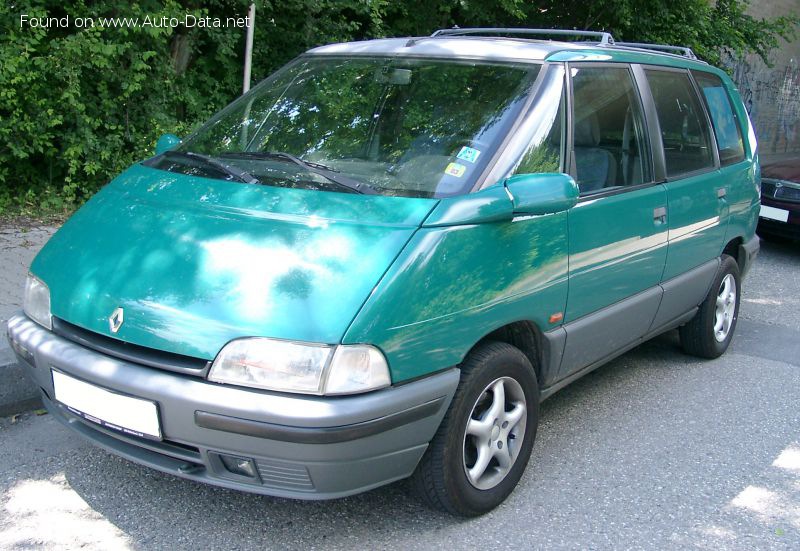
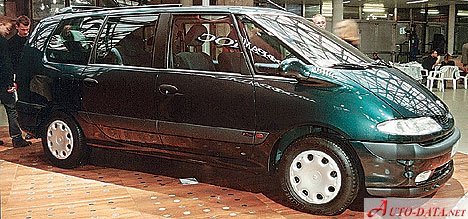
The third-generation Espace marked a stylistic shift from the angular designs of its predecessors, adopting a softer, more aerodynamic aesthetic reflective of late 1990s automotive trends. Its distinctive cab-forward silhouette, expansive glass area, and practical sliding rear doors (available on some variants) made it instantly recognizable. Renault’s commitment to creating functional and comfortable family vehicles, without compromising driving refinement, is embodied in the Espace III 2.2 TD 12V.
This generation was particularly praised for its interior flexibility. Individual rear seats could be slid, folded, or removed entirely, allowing for a multitude of configurations. This modularity, combined with a comfortable ride and good visibility, cemented the Espace’s reputation as the ultimate family touring vehicle. Thoughtful storage solutions and materials quality (for its class) further enhanced passenger comfort.
Powertrain and Performance Characteristics
The Renault Espace III (JE) 2.2 TD 12V was powered by the G8T engine, a 2.2-liter (2188 cm3 or 133.52 cu. in.) inline-four turbo-diesel. This engine was designed for durability and efficiency, featuring an Overhead Camshaft (OHC) valvetrain with three valves per cylinder – a common configuration for diesel engines of the era balancing breathing with mechanical simplicity. The engine utilized a precombustion chamber injection system, a robust technology for indirect injection diesels before the widespread adoption of common rail systems.
The engine produced 113 horsepower (Hp) at 4300 revolutions per minute (rpm) and 184.39 lb.-ft. (250 Nm) of torque, peaking at 2000 rpm. This torque delivery was crucial for a vehicle of the Espace’s size, providing ample pulling power for highway cruising and carrying passengers and luggage. A 5-speed manual transmission and front-wheel drive completed the powertrain.
Performance was geared towards steady cruising rather than outright speed. Acceleration from 0 to 60 mph took approximately 13.8 seconds, with a top speed of 108.74 mph (175 km/h). While modest by modern standards, these figures were competitive for a large family minivan in the late 1990s, especially considering its fuel efficiency. The Espace III 2.2 TD 12V achieved a combined average of 29.4 US mpg (8 l/100 km), with urban consumption at 22.2 US mpg (10.6 l/100 km) and extra-urban driving yielding up to 36.2 US mpg (6.5 l/100 km). CO2 emissions were 216 g/km, meeting the Euro 2 emission standard.
Design and Practical Features
The Renault Espace III (JE) excelled in packaging, optimizing its dimensions for maximum interior utility. Measuring 177.83 inches (4517 mm) in length, 71.26 inches (1810 mm) in width, and 69.8 inches (1773 mm) in height, it balanced a commanding presence with maneuverability. The 106.38-inch (2702 mm) wheelbase contributed to a stable ride and generous cabin space.
As a 5-door, 7-seat minivan/MPV, versatility was paramount. Trunk space ranged from a minimum of 9.71 cubic feet (275 liters) with all seats in place to a cavernous 100.65 cubic feet (2850 liters) with the rear seats removed or folded. This cargo capacity underscored its utility for families and light commercial use.
The suspension prioritized comfort and stability. The front featured an independent McPherson strut system with coil springs and an anti-roll bar, while the rear utilized a semi-independent setup with coil springs. Ventilated discs at the front and drum brakes at the rear provided braking power. Hydraulic power steering and 205/65 R15 tires completed the chassis setup.
With a kerb weight of 3593.53 lbs (1630 kg) and a maximum permissible weight of 5533.6 lbs (2510 kg), the Espace III was robustly constructed. It could tow up to 3747.86 lbs (1700 kg) with brakes, adding to its practicality.
Technical Specifications
| Category | Specification |
| Brand | Renault |
| Model | Espace |
| Generation | Espace III (JE) |
| Type (Engine) | 2.2 TD 12V (113 Hp) |
| Start of Production | 1996 |
| End of Production | 2000 |
| Fuel Consumption (Urban) | 10.6 l/100 km (22.2 US mpg) |
| Fuel Consumption (Extra Urban) | 6.5 l/100 km (36.2 US mpg) |
| Fuel Consumption (Combined) | 8 l/100 km (29.4 US mpg) |
| CO2 Emissions | 216 g/km |
| Power | 113 Hp @ 4300 rpm |
| Torque | 250 Nm @ 2000 rpm (184.39 lb.-ft.) |
| Engine Displacement | 2188 cm3 (2.2 Liters) |
| Kerb Weight | 1630 kg (3593.53 lbs.) |
| Max. Weight | 2510 kg (5533.6 lbs.) |
| Length | 4517 mm (177.83 in.) |
| Width | 1810 mm (71.26 in.) |
| Height | 1773 mm (69.8 in.) |
Legacy and Market Impact in Europe
The Renault Espace III (JE) 2.2 TD 12V played a pivotal role in solidifying the Espace’s position as a leader in the European minivan segment. It refined the MPV concept, offering a blend of practicality, comfort, and innovative design. Its unique composite body construction and spacious, adaptable interior distinguished it from competitors.
In the competitive European market, the Espace III faced rivals like the Ford Galaxy/Volkswagen Sharan/SEAT Alhambra, Chrysler Voyager, and PSA/Fiat Eurovans. The Espace often stood out due to its perceived quality, comfortable ride, innovative seating, and French design flair. The 2.2 TD 12V engine was a popular choice, offering the fuel efficiency and low-end torque valued by European families.
The Espace III’s ability to comfortably carry seven people and their luggage made it a staple for large families. Its strong resale value and Renault’s service network further enhanced its appeal. While later generations moved away from the composite body, the Espace III remains a significant chapter in its history, showcasing Renault’s innovation in family transport design and leaving a lasting legacy in the automotive world.