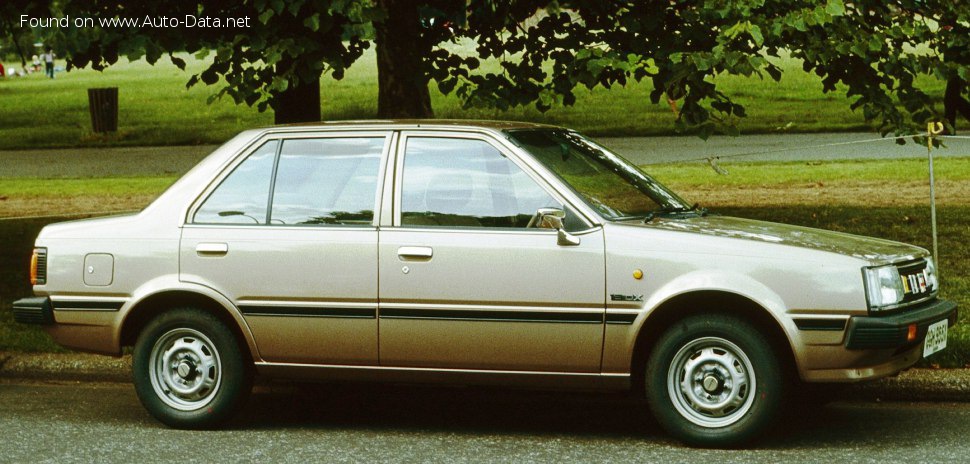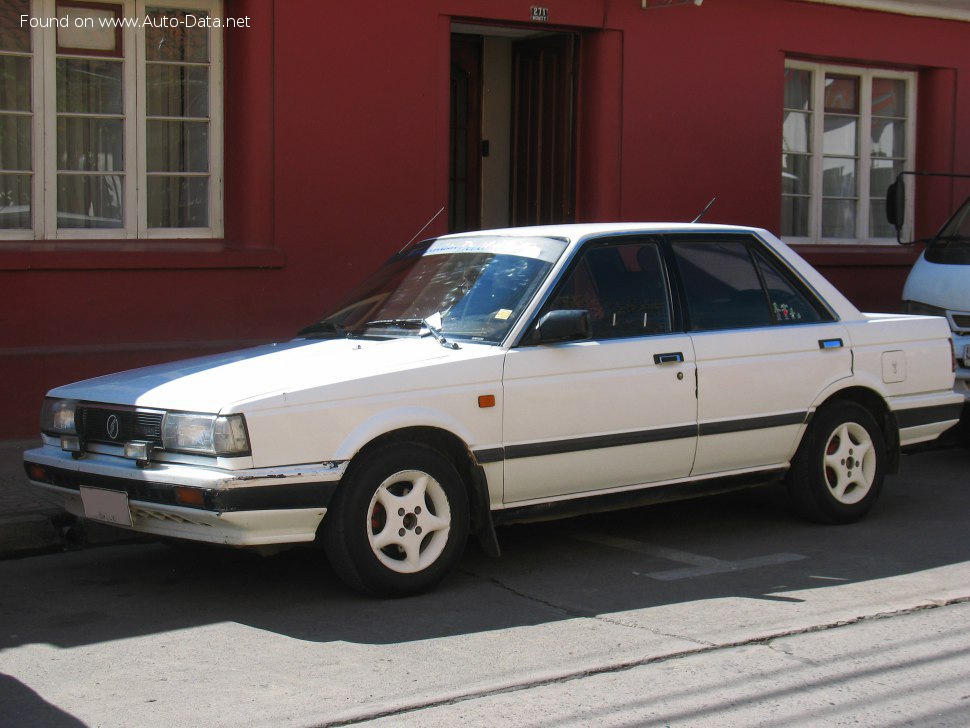
The Nissan Sunny, a nameplate synonymous with reliable and economical compact transportation for decades, saw its B12 generation roll out from 1986 to 1989. Known globally under various guises, including the Nissan Sentra in North America, the B12 series continued the Sunny’s tradition of offering practical, no-frills motoring. However, within this broad and popular lineup existed a particularly distinctive variant: the Nissan Sunny II GA15DE (B12) 1.6 i (73 Hp) 4×4 (A). This specific model, a four-door sedan equipped with a permanent all-wheel-drive system, represented a niche offering that blended the Sunny’s inherent practicality with enhanced traction capabilities, making it a compelling choice for consumers in regions where challenging weather or varied terrain demanded more from a compact vehicle.
At a time when all-wheel-drive technology was primarily associated with larger SUVs or performance-oriented rally cars, its integration into a humble compact sedan like the Sunny B12 was a testament to Nissan’s commitment to offering diverse solutions. While not a high-performance machine, the 1.6-liter naturally aspirated engine, combined with its robust 4×4 drivetrain and automatic transmission, positioned this Sunny variant as a remarkably capable and versatile vehicle for its era. It carved out a unique space in the compact segment, particularly in markets outside the United States where such a configuration had greater relevance and demand.
The Nissan Sunny II GA15DE (B12) Legacy: A Foundation of Reliability
The Nissan Sunny B12 generation, following in the footsteps of its successful predecessors, was engineered with a strong emphasis on durability, fuel efficiency, and straightforward maintenance. Its design philosophy reflected the pragmatic needs of the mid-to-late 1980s automotive market, where consumers sought dependable vehicles that could withstand the rigors of daily use without excessive running costs. The B12 series introduced a more contemporary, albeit still somewhat boxy, styling compared to earlier generations, balancing aerodynamic efficiency with interior space.
What truly set the specific Nissan Sunny II GA15DE (B12) 1.6 i (73 Hp) 4×4 (A) apart was its advanced (for the time) powertrain architecture. While front-wheel drive was becoming the standard for compact cars, Nissan opted to offer an all-wheel-drive option in certain markets, recognizing the value of enhanced grip and stability. This decision reflected a forward-thinking approach, anticipating the growing consumer appreciation for AWD systems that would become more widespread in subsequent decades. The B12 Sunny’s enduring reputation for reliability continues to resonate, making well-maintained examples sought after by enthusiasts and collectors who appreciate its mechanical integrity and historical significance.
Engine & Performance: Practical Power with All-Weather Capability
Under the hood of the Nissan Sunny II GA15DE (B12) 1.6 i (73 Hp) 4×4 (A) was Nissan’s GA15DE engine. This 1.6-liter inline-four gasoline unit was a naturally aspirated powerplant designed for efficiency and smooth operation rather than outright speed. Producing a modest 73 horsepower, the engine delivered dependable performance suitable for urban commuting and comfortable highway cruising. Its fuel-injected nature, denoted by the “i” in its designation, ensured better fuel economy and cleaner emissions compared to carbureted engines common in previous generations, highlighting Nissan’s incremental advancements in engine technology.
The true highlight of this particular Sunny variant was its permanent all-wheel-drive (4×4) system. Unlike part-time 4×4 systems that required manual engagement, the Sunny’s setup continuously distributed power to all four wheels. This provided superior traction and stability in adverse conditions such as rain, snow, or unpaved roads, offering drivers an added layer of confidence and control. Paired with an automatic transmission (indicated by the “A”), the drivetrain prioritized ease of use, making the AWD system seamless and intuitive for the everyday driver. While 73 horsepower might seem modest by today’s standards, its combination with a well-engineered 4×4 system created a surprisingly capable and sure-footed compact sedan, perfectly aligned with the practical demands of its target markets.
Powertrain Details
The GA15DE engine, while not a powerhouse, was known for its longevity and relatively simple maintenance requirements. It utilized a single overhead camshaft (SOHC) design and a two-valve-per-cylinder configuration. The automatic transmission, typically a three- or four-speed unit depending on the specific market, was chosen for its convenience and ease of operation, complementing the all-wheel-drive system’s focus on usability. The permanent all-wheel-drive system employed a viscous coupling to distribute torque between the front and rear axles, ensuring a consistent level of traction without requiring driver intervention.
Design & Features: Functional Aesthetics of the 1980s
The Nissan Sunny II GA15DE (B12) adopted a design language characteristic of the mid-1980s, prioritizing functionality and interior space within a compact footprint. As a four-door sedan, it offered practical access for up to five occupants, making it a suitable choice for small families or as a dependable daily driver. The exterior styling was clean and unadorned, featuring crisp lines and a relatively low beltline that contributed to good outward visibility. While not overtly flashy, its design was purposeful, aiming for durability and ease of repair.
Inside, the Sunny B12 provided a straightforward and ergonomic cabin. Materials were chosen for their hard-wearing properties, reflecting the car’s utilitarian purpose. Standard features for the era would have included basic instrumentation, manual window winders, and a simple audio system. Comfort was adequate, with cloth seating designed for support during typical commutes. Safety features were rudimentary by modern standards, primarily consisting of three-point seatbelts for front occupants and lap belts for rear passengers, along with the inherent structural integrity of the sedan body. The integration of the 4×4 drivetrain was achieved without significantly compromising interior passenger or cargo space, maintaining the Sunny’s reputation as a practical and versatile compact.
Market Positioning
The Sunny B12 4×4 was particularly popular in regions with inclement weather or challenging road conditions, such as parts of Europe, Canada, and certain Asian markets. It offered a compelling alternative to larger, more expensive all-wheel-drive vehicles, providing a practical and affordable solution for drivers who needed enhanced traction and stability. The car’s relatively compact size also made it well-suited for navigating narrow city streets and parking in tight spaces.
TECHNICAL SPECIFICATIONS
| Category | Specification |
| Brand | Nissan |
| Model | Sunny |
| Generation | Sunny II GA15DE (B12) |
| Type (Engine) | 1.6 i (73 Hp) 4×4 (A) |
| Start of Production | 1986 |
| End of Production | 1989 |
| Powertrain Architecture | Internal Combustion engine |
| Body type | Sedan |
| Seats | 5 |
| Doors | 4 |
| Fuel Type | Petrol (Gasoline) |
| Power | 73 Hp |
| Engine Aspiration | Naturally aspirated engine |
| Drivetrain Architecture | The Internal combustion engine (ICE) drives permanently the four wheels of the vehicle. |
| Drive Wheel | All wheel drive (4×4) |
Legacy & Market Impact: The Enduring Appeal of the Nissan Sunny II GA15DE (B12) 1.6 i (73 Hp) 4×4 (A)
The Nissan Sunny B12 generation, and particularly its unique 4×4 sedan variant, left a notable mark in the compact car segment, especially in markets beyond North America. Its primary legacy lies in its unwavering reputation for reliability and cost-effectiveness. The Sunny was a car that simply worked, day in and day out, requiring minimal fuss and proving incredibly durable over long periods. This characteristic solidified Nissan’s image as a manufacturer of dependable vehicles.
In its specific market segment, the Nissan Sunny II GA15DE (B12) 1.6 i (73 Hp) 4×4 (A) faced competition from other compact sedans like the Honda Civic, Toyota Corolla, and Mazda 323. However, its all-wheel-drive capability placed it in a more specialized niche. Its most direct competitors in the AWD compact space might have been Subaru’s Leone (known as the Loyale in some markets) or certain AWD variants of the Toyota Corolla All-Trac, which also offered similar all-weather versatility in a compact package. The Sunny’s approach was often seen as a more conventional sedan platform adapted for AWD, contrasting with Subaru’s more dedicated AWD lineage.
Historically, this particular Sunny played a significant role in demonstrating the viability and appeal of all-wheel drive beyond traditional utility vehicles or high-performance cars. For many consumers in regions with harsh winters or winding, unpaved roads, it provided a practical and affordable alternative to larger, thirstier 4x4s. Its permanent all-wheel-drive system, combined with a fuel-efficient engine and automatic transmission, offered a compelling blend of practicality, safety, and convenience. Today, the Nissan Sunny B12 is recognized as a classic, appreciated for its robust engineering and as a testament to Nissan’s innovative spirit in bringing advanced drivetrain technologies to the mainstream compact car market. Well-preserved examples are increasingly valued for their rarity, especially the distinctive AWD models, serving as a reminder of an era when compact sedans were engineered with a broader range of capabilities in mind.