The Rover 75 Tourer 2.0 CDTi (131 Hp) represents a significant and often-overlooked chapter in British automotive history. Introduced in 2001 as the station wagon variant of the Rover 75, it aimed to blend traditional British luxury with modern engineering, offering a refined and practical vehicle for the European market. This article details the Rover 75 Tourer 2.0 CDTi (131 Hp) produced between 2002 and 2004, a diesel-powered model that appealed to buyers seeking fuel efficiency, torque, and a comfortable driving experience.
Rover 75 Tourer 2.0 CDTi: A British Estate Car
Positioned within the competitive European D-segment, the Rover 75 Tourer sought to challenge established manufacturers with its distinctive styling, high-quality interior, and emphasis on ride comfort. While never officially sold in the United States, the Rover 75 garnered a reputation among enthusiasts as a car prioritizing a serene driving experience and classic British elegance. The 2.0 CDTi engine was a key component of its appeal, providing a robust and economical powertrain option for European consumers.
Engine & Performance
The Rover 75 Tourer 2.0 CDTi’s powertrain was designed for efficient and potent performance, particularly suited for long-distance travel. The 2.0 CDTi designation refers to a 1,951 cubic centimeter (119.06 cu. in.) inline four-cylinder diesel engine, internally coded M47R or 204D2. This engine was a derivative of BMW’s M47 turbodiesel, adapted for transverse mounting within the Rover 75. It incorporated a sophisticated common rail direct fuel injection system, a turbocharger, and an intercooler – technologies considered advanced for diesel engines in the early 2000s.
This powerplant generated 131 horsepower at 4,000 revolutions per minute (rpm) and 221.27 lb.-ft. of torque peaking at 1,900 rpm. The ample low-end torque was a defining characteristic, providing strong acceleration and excellent flexibility in everyday driving. A five-speed manual transmission, common for efficiency and driver engagement in its class, transferred power to the front wheels.
Performance figures included a 0 to 60 mph acceleration time of approximately 10.1 seconds and a top speed of 118.06 mph. While not a performance-oriented vehicle, these figures were competitive within its segment, enabling comfortable cruising on European highways. Fuel economy was a significant selling point, with a combined cycle rating of 40.6 US miles per gallon (5.8 l/100 km). Urban consumption was 29 US mpg (8.1 l/100 km), while extra-urban driving could achieve up to 53.5 US mpg (4.4 l/100 km), highlighting the diesel engine’s inherent efficiency.
Design & Features
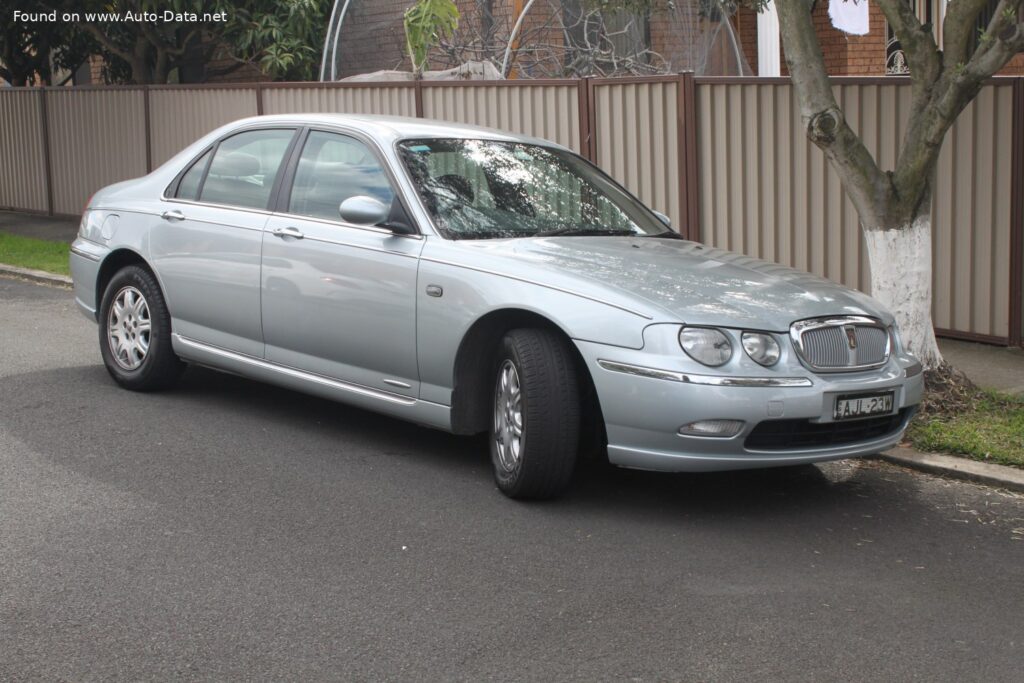
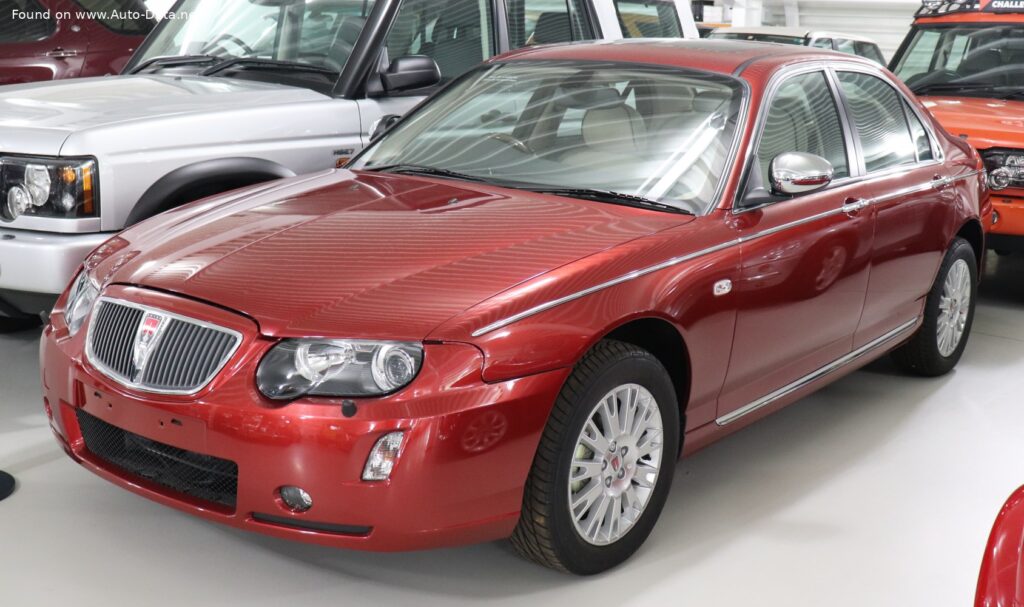
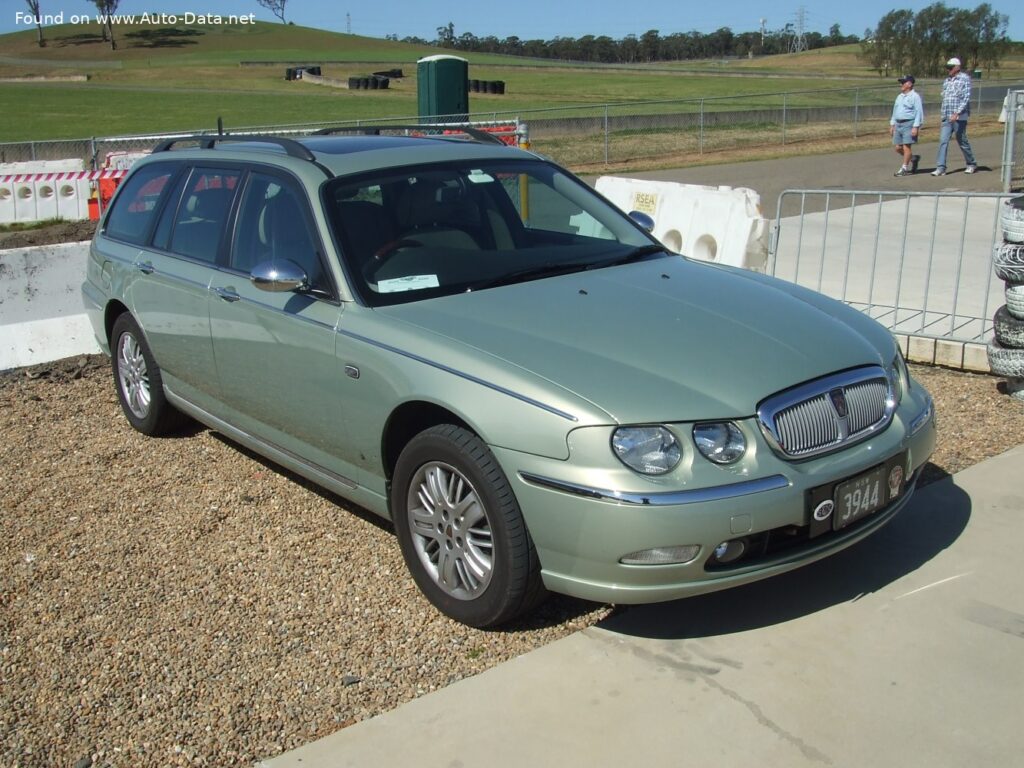
The Rover 75 Tourer’s design represented a deliberate departure from the angular aesthetics prevalent at the turn of the millennium. It embraced a “retro-modern” philosophy, drawing inspiration from classic Rover models and British automotive heritage. The exterior featured flowing lines, a distinctive chrome grille, and quad headlamps, creating a timeless and elegant appearance. The Tourer variant seamlessly integrated an extended roofline and a large tailgate, preserving the sedan’s sophisticated front end while adding significant practicality.
With dimensions of 188.66 inches in length, 70 inches in width, and 56.06 inches in height, and a 108.11-inch wheelbase, the Rover 75 Tourer offered a substantial presence. The five-door, five-seat configuration made it a practical family vehicle. Trunk space was generous, ranging from 14.13 cubic feet with all seats in place to 43.15 cubic feet with the rear seats folded, accommodating luggage, groceries, or sports equipment.
The interior continued the theme of understated luxury, featuring high-quality materials, often with wood and chrome accents. The dashboard layout was ergonomic, with clear instrumentation and intuitively placed controls. Standard features included power windows, remote central locking, and a well-appointed audio system. Safety features included ABS (Anti-lock Braking System), and the car’s robust construction contributed to a reassuring sense of security. The front suspension utilized a wishbone setup, while the rear employed coil springs, contributing to the car’s renowned comfortable ride quality.
Technical Specifications
| Category | Specification |
| General Information | |
| Brand | Rover |
| Model | 75 |
| Generation | 75 Tourer |
| Type (Engine) | 2.0 CDTi (131 Hp) |
| Start of Production | 2002 |
| End of Production | 2004 |
| Powertrain Architecture | Internal Combustion Engine |
| Body Type | Station wagon (estate) |
| Seats | 5 |
| Doors | 5 |
| Performance Specs | |
| Fuel Consumption (Economy) – Urban | 8.1 l/100 km (29 US mpg) |
| Fuel Consumption (Economy) – Extra Urban | 4.4 l/100 km (53.5 US mpg) |
| Fuel Consumption (Economy) – Combined | 5.8 l/100 km (40.6 US mpg) |
| CO2 Emissions | 163 g/km |
| Fuel Type | Diesel |
| Acceleration 0 – 60 mph | 10.1 sec |
| Maximum Speed | 190 km/h (118.06 mph) |
| Engine Specs | |
| Power | 131 Hp @ 4000 rpm |
| Torque | 300 Nm @ 1900 rpm (221.27 lb.-ft. @ 1900 rpm) |
| Engine Layout | Front, Transverse |
| Engine Model/Code | M47R / 204D2 |
| Engine Displacement | 1951 cm3 (119.06 cu. in.) |
| Number of Cylinders | 4 |
| Engine Configuration | Inline |
Legacy and Market Impact
The Rover 75 Tourer, and the Rover 75 range as a whole, occupies a unique place in automotive history. Launched during a period of significant change for Rover, it was praised for its refined driving dynamics, comfortable interior, and distinctive styling. Many considered it Rover’s best-ever car, a testament to the engineering and design efforts during BMW’s ownership. Its traditional British character resonated with European buyers who valued comfort and a serene driving experience.
In Europe, the Rover 75 Tourer 2.0 CDTi (131 Hp) competed with models like the Volkswagen Passat Variant, Ford Mondeo Estate, and Peugeot 406 Break. While competitors offered more contemporary designs or sportier handling, the Rover 75 distinguished itself with comfort, luxury, and a nostalgic ambiance. The 2.0 CDTi engine was crucial in diesel-focused markets due to its low running costs and strong torque.
Despite critical acclaim, the Rover 75 couldn’t reverse the fortunes of MG Rover Group. Its production coincided with the company’s final years, and the car became a symbol of Rover’s potential and the challenges faced by the British automotive industry. Today, the Rover 75 Tourer is remembered as a comfortable, well-engineered, and aesthetically pleasing car, appreciated by enthusiasts for its blend of British luxury and BMW-derived mechanicals. It represents one of the last truly British-designed and built executive cars, a testament to a brand that delivered a compelling product despite significant difficulties.