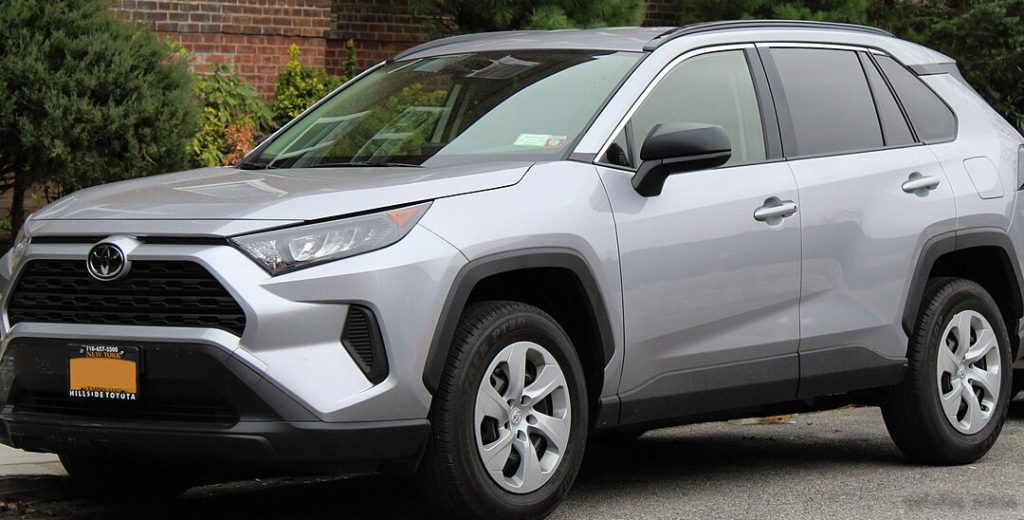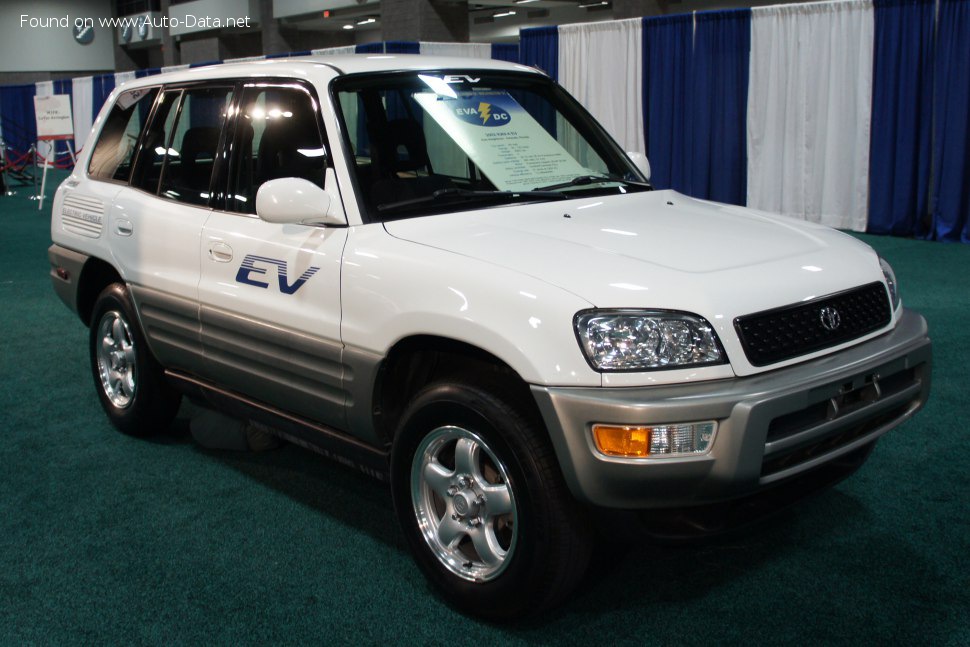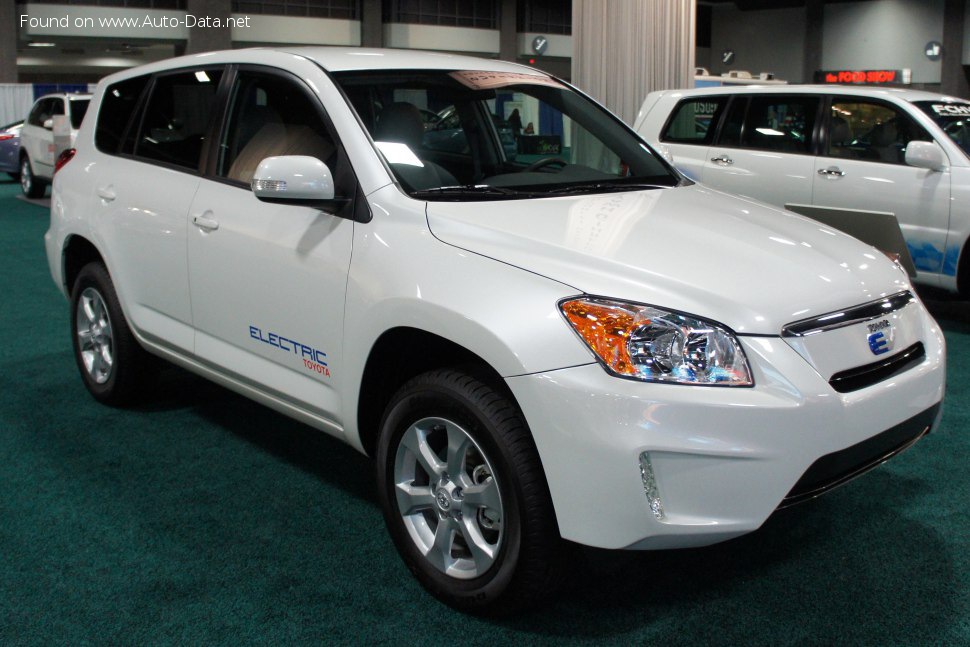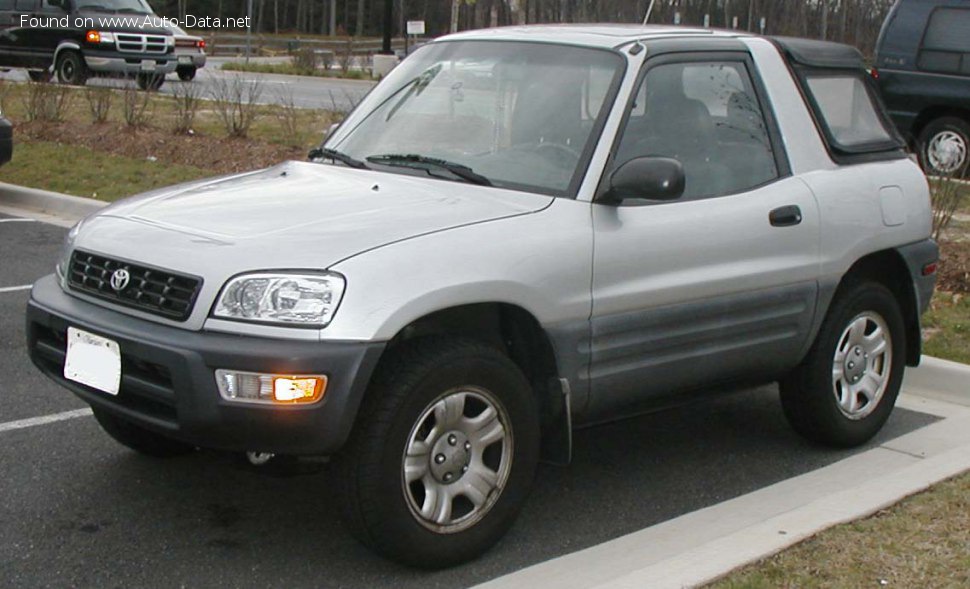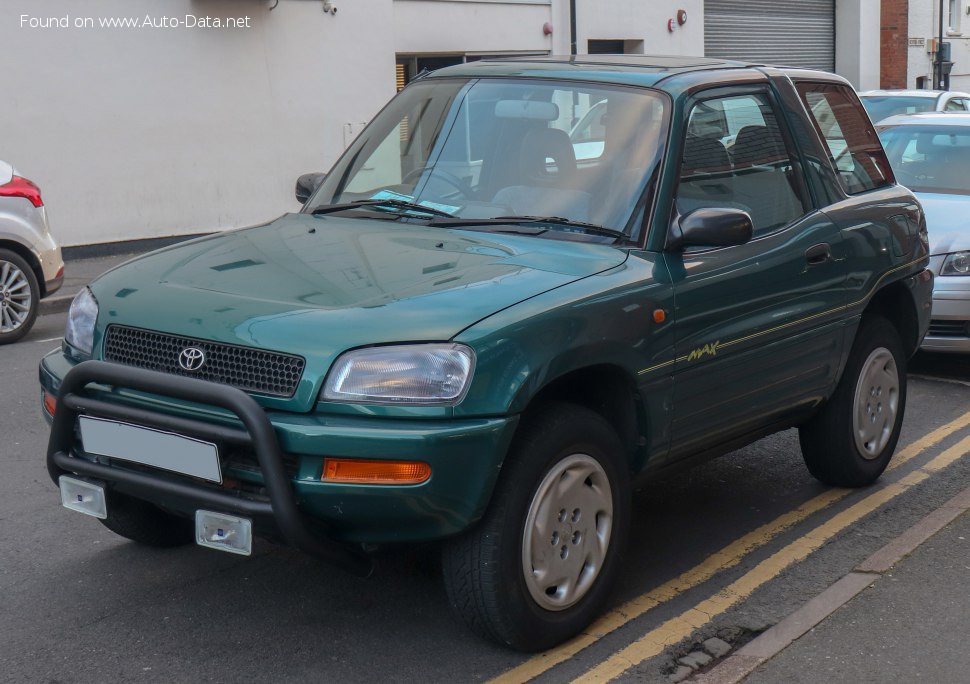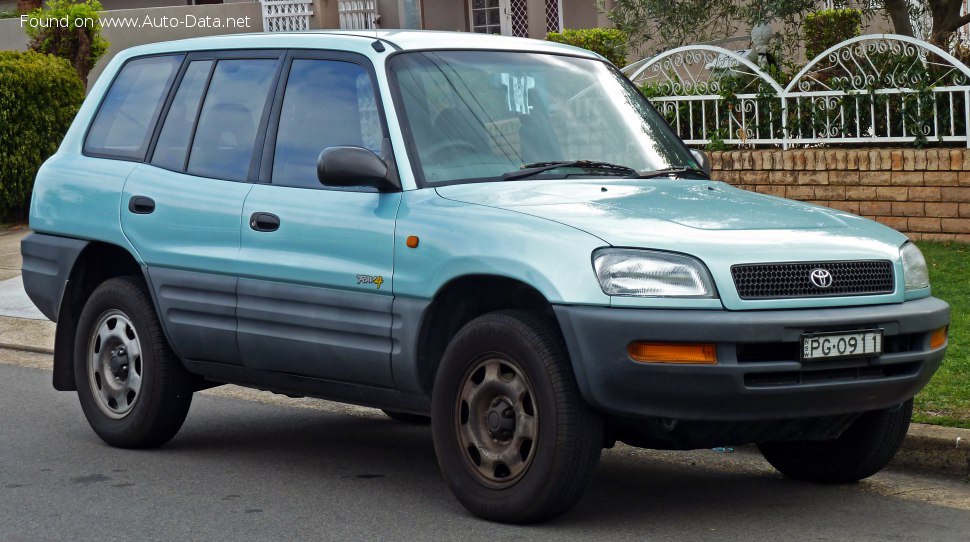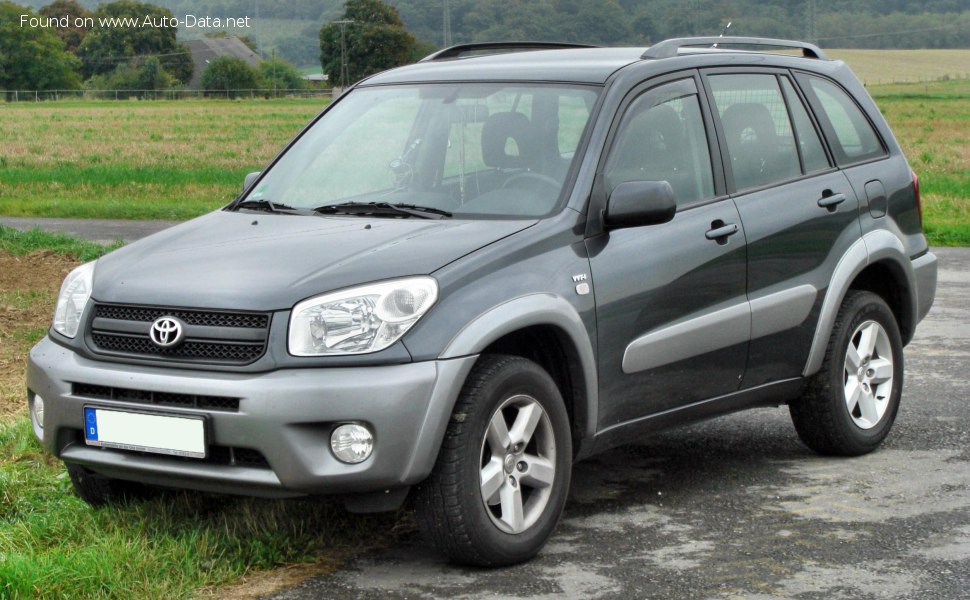
The Toyota RAV4 II (XA20, facelift 2003) 5-door 2.4i (161 Hp) represents a crucial iteration of one of the automotive world’s most influential vehicles. Launched initially in 2000, the second-generation RAV4, internally designated XA20, continued to build upon the groundbreaking success of its predecessor. The 2003 facelift brought subtle yet significant refinements, ensuring the RAV4 remained a formidable contender in the rapidly expanding compact SUV market. This particular variant, equipped with the robust 2.4-liter inline-four engine, offered a compelling blend of practicality, reliability, and spirited performance, solidifying its position as a favorite among consumers seeking a versatile and efficient daily driver with SUV aspirations. Positioned squarely in the burgeoning crossover segment, the RAV4 II effectively bridged the gap between traditional passenger cars and larger, more rugged SUVs, appealing to a broad demographic in North America and beyond.
The Evolution of the Toyota RAV4 II (XA20, facelift 2003)
When the original RAV4 (Recreational Activity Vehicle: 4-wheel drive) debuted in 1994, it essentially created the compact crossover SUV segment. Its car-like handling, combined with SUV practicality, proved to be a winning formula. The second generation, the XA20, which ran from 2000 to 2005, evolved this concept with a more refined design, improved interior space, and enhanced driving dynamics. The 2003 facelift was a mid-cycle refresh designed to keep the model competitive and fresh against a growing array of rivals.
The updates for the 2003 model year were primarily cosmetic, focusing on subtle exterior enhancements such as redesigned front bumpers, grilles, and headlights, along with updated taillight clusters. These changes gave the RAV4 II a slightly more contemporary and aggressive look without straying from its familiar and well-loved aesthetic. Inside, minor trim and material improvements were introduced, along with potential updates to the infotainment system, though the core layout and functionality remained largely consistent with the pre-facelift model. The introduction of the more powerful 2.4-liter engine in certain markets was also a key part of this refresh, offering a significant boost in performance over the earlier 2.0-liter options.
Engine & Performance
At the heart of this specific Toyota RAV4 II (XA20, facelift 2003) 5-door 2.4i (161 Hp) model was Toyota’s highly regarded 2AZ-FE engine. This naturally aspirated, 2.4-liter (2362 cm³ or 144.14 cu. in.) inline-four cylinder engine was a staple in many Toyota models of the era, celebrated for its reliability, smooth operation, and robust power delivery. Featuring a DOHC (Double Overhead Camshaft) valvetrain with 4 valves per cylinder and multi-port manifold fuel injection, the 2AZ-FE produced a respectable 161 horsepower at 6000 rpm. Its peak torque output stood at 224 Nm (165.21 lb-ft) at a relatively accessible 4000 rpm, providing ample thrust for daily driving and highway cruising.
Power was sent to the front wheels via a precise 5-speed manual transmission, offering an engaging driving experience for those who preferred to shift their own gears. While all-wheel drive (AWD) was available for the RAV4 II, this particular variant specified front-wheel drive, contributing to its slightly better fuel economy and lighter curb weight. The engine’s compression ratio of 9.8:1 ensured efficient combustion, and its naturally aspirated design meant predictable power delivery. Fuel efficiency was commendable for its class and era, with urban consumption rated at 9.8 l/100 km (approximately 24 US mpg) and extra-urban at 7.8 l/100 km (approximately 30.2 US mpg), making it an economical choice for commuters and families alike.
Design & Features
The Toyota RAV4 II (XA20, facelift 2003) maintained its characteristic compact SUV profile, blending rugged cues with a passenger-car-like aesthetic. Its 5-door body type offered practical access to both front and rear seating, accommodating up to five occupants comfortably. The exterior dimensions, ranging from 165.55 to 167.52 inches in length, 68.31 to 70.28 inches in width, and 65.75 to 66.14 inches in height, made it nimble enough for city driving and parking, yet substantial enough to feel secure on the highway. A wheelbase of 98.03 inches contributed to its stable ride quality.
Inside, the RAV4 II was designed with practicality and versatility in mind. The minimum trunk space of 23.94 cubic feet (678 liters) was generous for its class, easily expandable to an impressive 67.42 cubic feet (1909 liters) with the rear seats folded down, making it highly capable for cargo hauling, groceries, or weekend adventures. The interior featured durable materials and a straightforward, ergonomic layout, typical of Toyota’s focus on user-friendliness.
Underneath, the RAV4 II utilized an independent McPherson strut front suspension with coil springs and an anti-roll bar, paired with a sophisticated double wishbone rear suspension. This setup provided a comfortable ride and agile handling, distinguishing it from more truck-like SUVs. Braking duties were handled by ventilated discs at the front and solid discs at the rear, augmented by an Anti-lock Braking System (ABS) for enhanced safety. The hydraulic rack and pinion power steering offered direct feedback, contributing to the RAV4’s car-like driving dynamics. With a respectable ground clearance of 6.3 inches and approach/departure angles of 27° and 28° respectively, the RAV4 II was capable of handling light off-road trails and adverse weather conditions, further enhancing its utility.
Technical Specifications: Toyota RAV4 II (XA20, facelift 2003) 5-door 2.4i (161 Hp)
| Category | Specification |
| General Information | |
| Brand | Toyota |
| Model | RAV4 II (XA20, facelift 2003) 5-door |
| Type (Engine) | 2.4i (161 Hp) |
| Production Start | 2000 |
| Production End | 2006 |
| Body Type | SUV |
| Seats | 5 |
| Doors | 5 |
| Performance Specs | |
| Fuel Consumption (Urban) | 9.8 l/100 km |
| Fuel Consumption (Extra Urban) | 7.8 l/100 km |
| Fuel Type | Petrol (Gasoline) |
| Weight-to-Power Ratio | 8.5 kg/Hp |
| Engine Specs | |
| Power | 161 Hp @ 6000 rpm |
| Torque | 224 Nm @ 4000 rpm |
| Engine Layout | Front, Transverse |
| Engine Model/Code | 2AZ-FE |
| Engine Displacement | 2362 cm³ |
| Number of Cylinders | 4 |
| Engine Configuration | Inline |
| Cylinder Bore | 88.5 mm |
| Piston Stroke | 96 mm |
| Compression Ratio | 9.8:1 |
| Valves per Cylinder | 4 |
| Fuel Injection System | Multi-port manifold injection |
| Engine Aspiration | Naturally aspirated |
| Valvetrain | DOHC |
| Space, Volume and Weights | |
| Kerb Weight | 1361 kg |
| Trunk Space (Minimum) | 678 l |
| Trunk Space (Maximum) | 1909 l |
| Fuel Tank Capacity | 56 l |
| Dimensions | |
| Length | 4205-4255 mm |
| Width | 1735-1785 mm |
| Height | 1670-1680 mm |
| Wheelbase | 2490 mm |
| Drivetrain, Brakes and Suspension | |
| Drivetrain Architecture | Internal Combustion engine drives front wheels |
| Drive Wheel | Front-wheel drive |
| Gearbox Type | 5 gears, manual transmission |
Legacy and Market Impact of the Toyota RAV4 II (XA20, facelift 2003)
The Toyota RAV4 II (XA20, facelift 2003) significantly contributed to the mainstream acceptance and popularity of the compact SUV segment. It was a primary competitor to vehicles like the Honda CR-V, Ford Escape, and Nissan X-Trail (marketed as the Rogue in North America), consistently outperforming many rivals in terms of sales, particularly in the critical North American market. Its reputation for bulletproof reliability, low maintenance costs, and excellent resale value made it a highly attractive proposition for budget-conscious families and individuals.
Toyota’s strategy with the RAV4 was to offer the utility and higher driving position of an SUV with the fuel economy and handling of a passenger car, a concept that would later become known as the “crossover.” The XA20 generation, especially after its 2003 facelift, perfected this formula. It wasn’t designed for extreme off-roading, but its available all-wheel-drive system (though not on this specific FWD model) and decent ground clearance made it capable in snowy conditions or on unpaved roads, satisfying the needs of most casual adventurers.
The RAV4’s success demonstrated that consumers desired a more refined and car-like SUV experience, moving away from the body-on-frame, truck-based SUVs of previous decades. Its influence can be seen in the proliferation of compact crossovers that dominate today’s automotive landscape. The 2.4-liter engine variant, in particular, offered a sweet spot between performance and efficiency, ensuring that the RAV4 was not just practical but also enjoyable to drive. The legacy of the Toyota RAV4 II is one of innovation, reliability, and market leadership, cementing its place as a pivotal model in automotive history and a cornerstone of Toyota’s enduring global success.