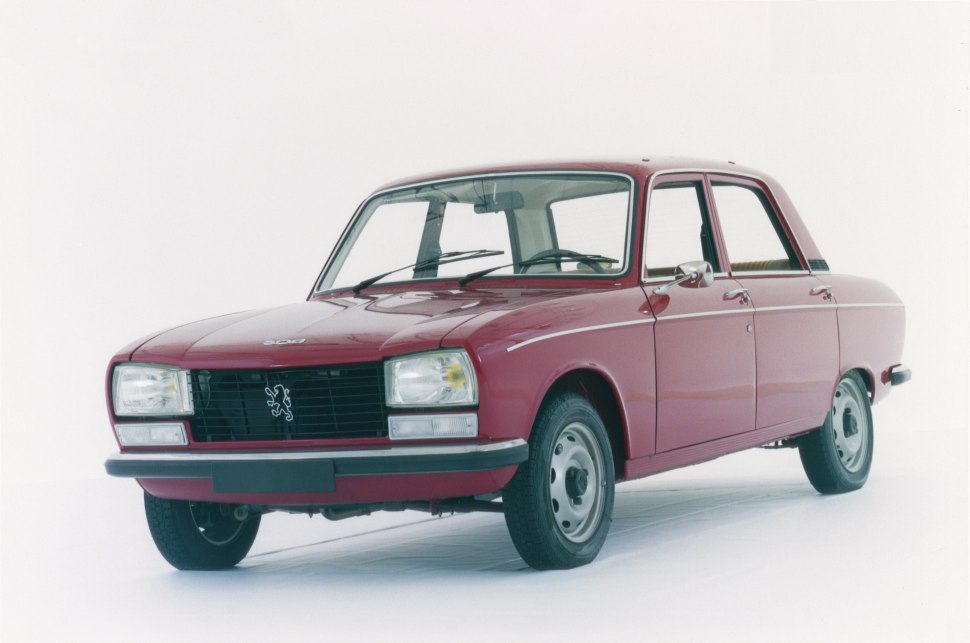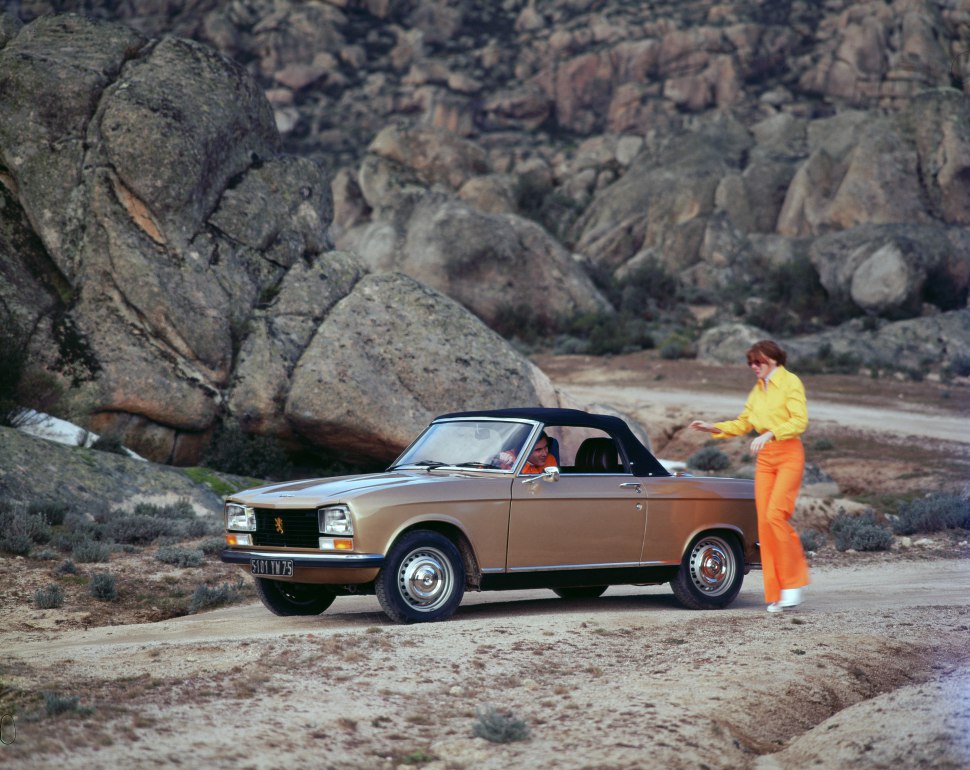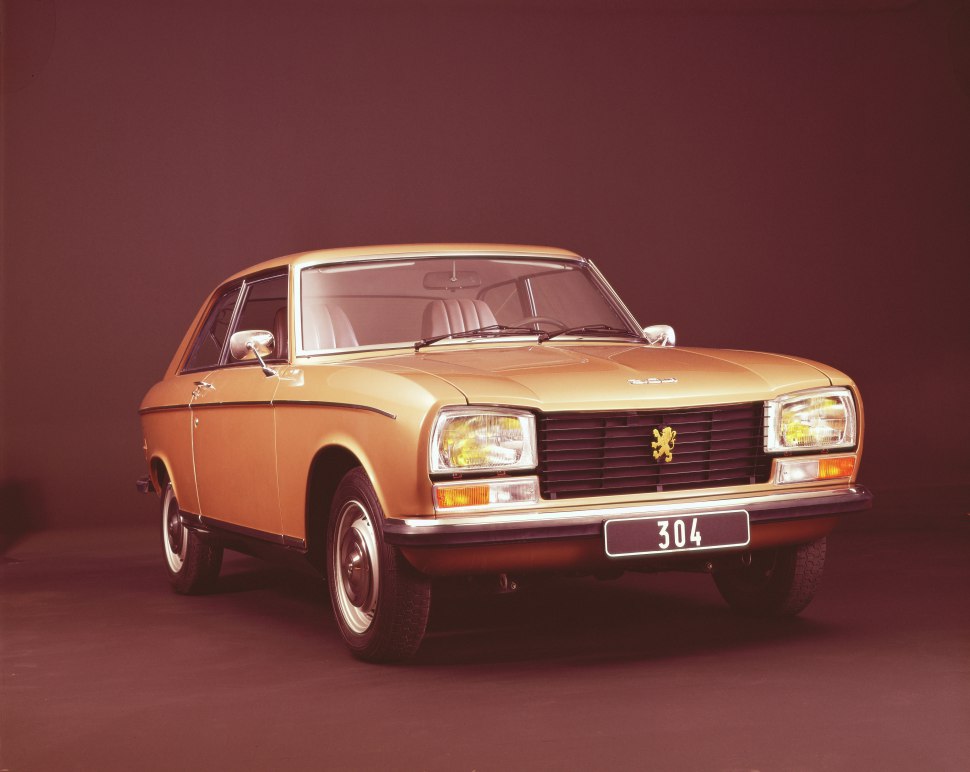
The Peugeot 304, a compact front-wheel-drive family car, represents a significant chapter in the French automaker’s history. Launched in 1969, it was essentially a more upscale and slightly larger derivative of the popular Peugeot 204, sharing many of its mechanical components but featuring a distinct, more modern design penned by Pininfarina. The 304 was strategically positioned to bridge the gap between Peugeot’s entry-level offerings and its larger executive sedans, catering to the burgeoning European market for practical, economical, and stylish family transportation.
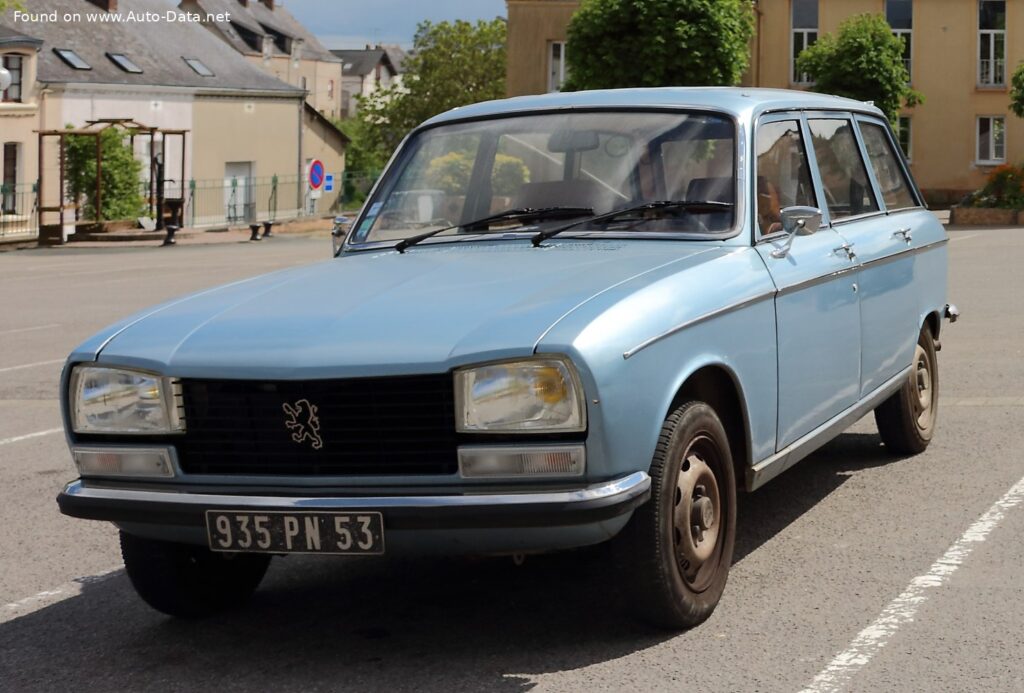
The specific variant under review, the Peugeot 304 Break 1.4 D (45 Hp), was produced between 1976 and 1979. The “Break” designation, equivalent to a station wagon or estate car in American English, highlighted its utilitarian focus. This particular model, equipped with a diesel engine, underscored Peugeot’s long-standing commitment to diesel technology and its reputation for producing robust, fuel-efficient engines, especially relevant during the energy crises of the 1970s. While never officially imported to the United States, the 304 Break played a crucial role in Europe, offering a blend of French design flair, practical spaciousness, and frugal running costs to families and businesses alike.
Engine & Performance: The Heart of the Peugeot 304 Break 1.4 D (45 Hp)
At the core of the 1976-1979 Peugeot 304 Break 1.4 D (45 Hp) was its naturally aspirated diesel engine, identified by the engine code XL4D. This 1.4-liter (approximately 85 cubic inches) four-cylinder unit delivered a modest but dependable 45 horsepower. In an era when diesel engines were primarily valued for their longevity and fuel economy rather than outright performance, this powertrain was perfectly suited to the 304 Break’s intended purpose as a utilitarian family vehicle.
The XL4D engine was a testament to Peugeot’s engineering philosophy: robust, simple, and reliable. While 45 horsepower might seem low by modern standards, it provided adequate propulsion for the vehicle’s size and weight, especially when considering European speed limits and driving conditions of the 1970s. The naturally aspirated design meant predictable power delivery without the complexities of turbocharging, contributing to easier maintenance and greater durability. Diesel engines of this period were known for their strong low-end torque, which, despite the low horsepower figure, aided in carrying heavy loads and navigating city traffic with reasonable ease.
Fuel efficiency was a major selling point for diesel vehicles in the 1970s, and the 304 Break 1.4 D was no exception. Its economical operation made it an attractive choice for families and commercial users who needed to keep running costs down. The engine’s design also ensured a long service life, a characteristic that further cemented Peugeot’s reputation for building durable and dependable vehicles. This powertrain architecture, an internal combustion engine, was a conventional but proven setup, delivering power to the front wheels, a layout that Peugeot had pioneered and perfected in its smaller models, offering good traction and interior packaging efficiency.
Design & Features: Practicality Meets French Style
The Peugeot 304 Break adopted the practical and versatile station wagon body type, a popular choice in Europe for families requiring extra cargo space. Its design, while sharing a familial resemblance with the 304 sedan, featured an extended roofline and a large rear tailgate, maximizing utility. The styling cues were characteristic of Peugeot’s aesthetic from the era: clean lines, a distinctive grille with the iconic lion emblem, and large glass areas that provided excellent visibility for the driver and passengers.
Inside, the 304 Break was designed with functionality and comfort in mind. The interior layout was straightforward, prioritizing ergonomics and ease of use. While luxury features were scarce by today’s standards, the materials chosen were durable and hard-wearing, intended to withstand the rigors of family life. Seating was comfortable for four adults, with adequate legroom and headroom, particularly in the front. The true highlight, however, was the expansive cargo area. With the rear seats folded down, the 304 Break offered a significant amount of load-carrying capacity, making it ideal for hauling luggage, groceries, or even small commercial goods.
Safety features for the 1970s were rudimentary compared to modern cars. The 304 Break would have included features like seatbelts (often two-point in the rear), a robust chassis, and good outward visibility. Peugeot also paid attention to ride quality, a hallmark of French cars, ensuring that the 304 Break offered a comfortable and composed driving experience, even on less-than-perfect European roads. The front-wheel-drive architecture contributed to stable handling and predictable road manners, further enhancing its appeal as a safe and reliable family transport.
A European Market Vehicle
It’s important to note that the Peugeot 304 was primarily a European market vehicle. It wasn’t designed to meet the stringent safety and emissions regulations of the United States at the time, nor was there a significant demand for small, economical station wagons in the American market during the late 1970s. Its success lay in providing a practical and affordable transportation solution for European families and businesses.
Technical Specifications
| Category | Specification |
| General Information | |
| Brand | Peugeot |
| Model | 304 |
| Generation | 304 Break |
| Type (Engine) | 1.4 D (45 Hp) |
| Start of Production | 1976 year |
| End of Production | 1979 year |
| Powertrain Architecture | Internal Combustion engine |
| Body type | Station wagon (estate) |
| Performance Specs | |
| Fuel Type | Diesel |
| Power | 45 Hp |
| Engine Specs | |
| Engine Model/Code | XL4D |
| Engine Aspiration | Naturally aspirated engine |
| Engine Oil Capacity | 5 liters (5.28 US qt | 4.4 UK qt) |
| Coolant Capacity | 6.5 liters (6.87 US qt | 5.72 UK qt) |
Legacy and Market Impact
The Peugeot 304 Break, particularly its diesel variants like the 1.4 D (45 Hp), left a notable legacy in the European automotive market. It reinforced Peugeot’s reputation as a leader in diesel engine technology, offering a practical and economical alternative to gasoline-powered vehicles during a period of rising fuel costs. The 304 series, and the Break in particular, was lauded for its robust build quality, comfortable ride, and excellent practicality, making it a popular choice for families, tradespeople, and rural dwellers across France and neighboring countries.
In its segment, the 304 Break competed with a diverse range of European compact station wagons. Key rivals included the Renault 12 Break, another French stalwart known for its ruggedness; the Simca 1100 Break, which also championed front-wheel-drive packaging; and offerings from German and British manufacturers such as the Ford Escort Estate and Opel Kadett Caravan. What set the 304 Break apart was its distinctive French flair, its slightly more upscale positioning compared to some direct competitors, and the proven reliability of its diesel powertrain.
The 304 series, including the Break, was instrumental in establishing Peugeot’s market presence in the compact segment, paving the way for future successful models like the 305 and later the 306. Its historical significance lies in its role as a bridge between older, more traditional rear-wheel-drive designs and the modern era of front-wheel-drive, fuel-efficient compacts. Today, the Peugeot 304 Break 1.4 D is remembered by enthusiasts as a charming classic, embodying the utilitarian spirit and understated elegance of 1970s French automotive engineering. While not a performance icon, its enduring appeal lies in its honest design, mechanical integrity, and the practical solutions it offered to everyday transportation needs.