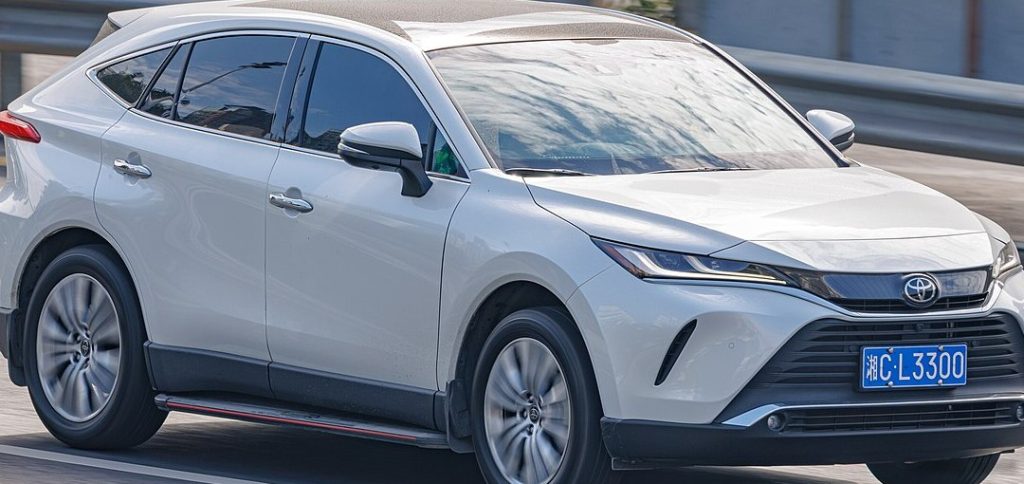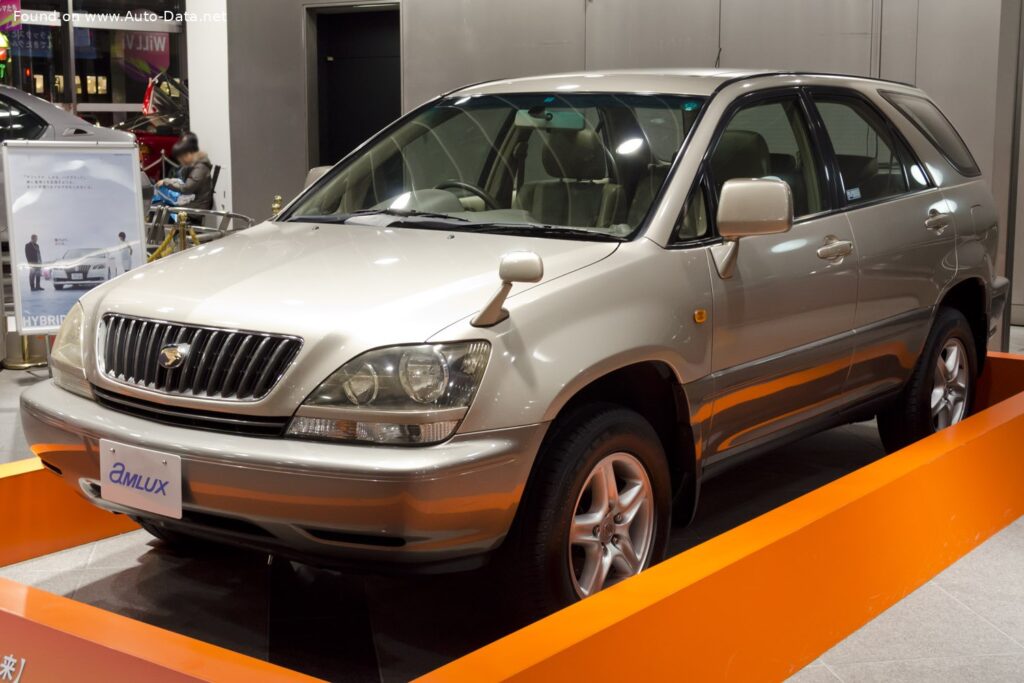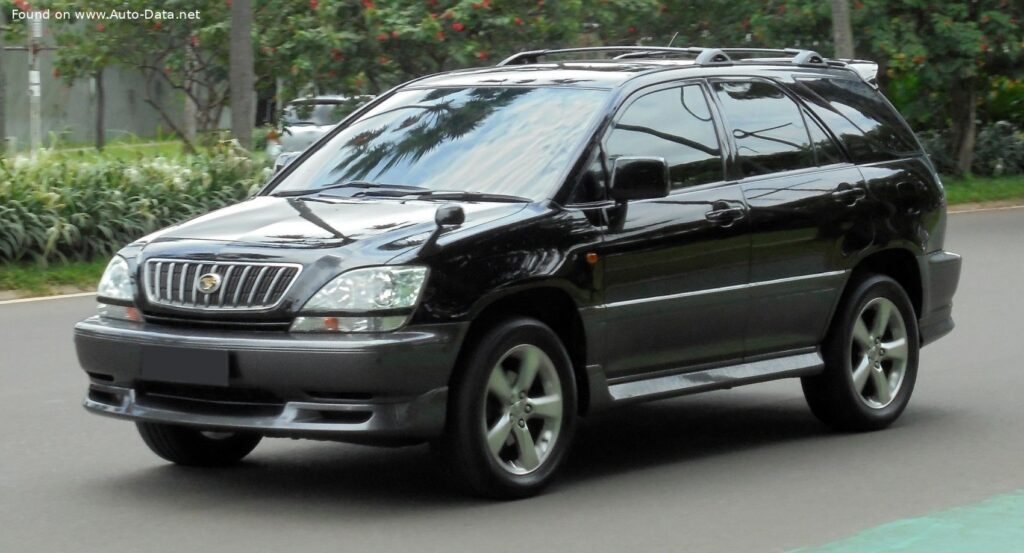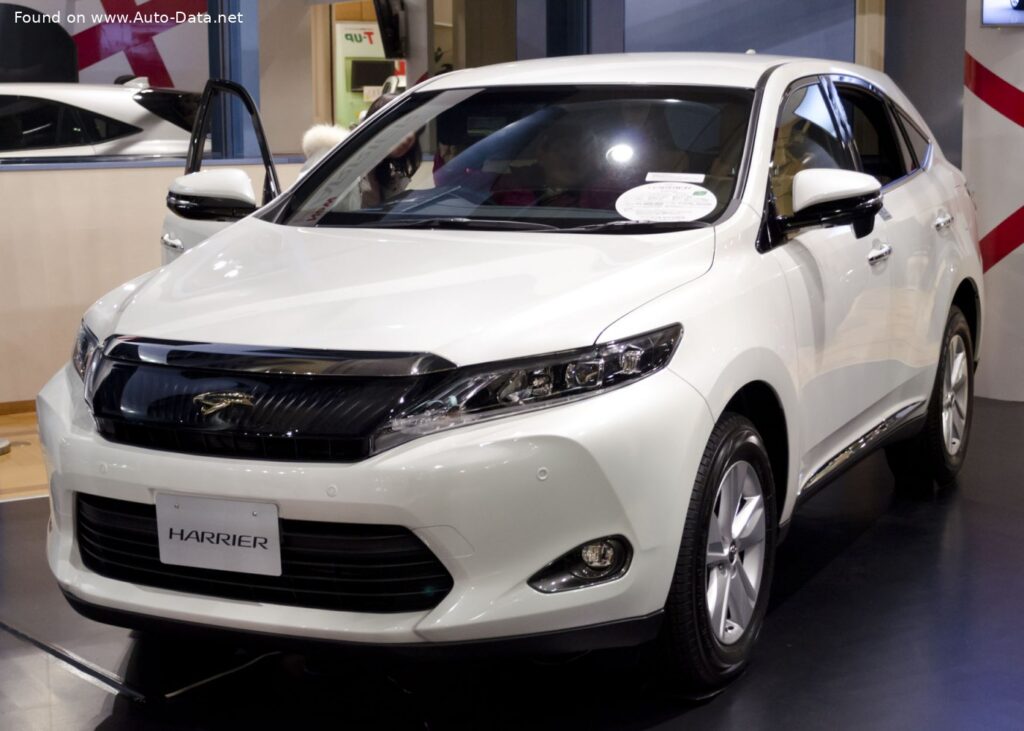
The Toyota Harrier III (XU60) represents the third generation of Toyota’s mid-size crossover SUV, a model initially developed primarily for the Japanese Domestic Market (JDM) and other select Asian regions. Introduced in 2013 and produced through 2017, the XU60 marked a significant shift for the Harrier. While previous generations were often rebadged as the Lexus RX in North America, the XU60 established the Harrier as a standalone, premium offering within Toyota’s lineup, positioned above the RAV4 but below the Lexus brand. This particular variant, the 2.0 (151 Hp) 4×4 CVT-i, provided a balance of practicality, efficiency, and all-weather capability, appealing to consumers seeking a refined and versatile vehicle without the cost of a luxury brand.
Engine & Performance of the Toyota Harrier III (XU60)
The Toyota Harrier III (XU60) 2.0 (151 Hp) 4×4 CVT-i was powered by Toyota’s 3ZR-FAE engine, a 1,986 cubic centimeter (approximately 2.0 liters or 121.19 cubic inches) naturally aspirated inline four-cylinder. This engine was designed for a balance of efficiency and smooth power delivery, producing 151 horsepower at 6100 rpm and 193 Newton-meters (142.35 lb.-ft.) of torque at 3800 rpm. The engine featured a DOHC (Double Overhead Camshaft) valvetrain with four valves per cylinder and multi-port fuel injection, contributing to its responsiveness and fuel economy.
Power was transferred to all four wheels via Toyota’s Super CVT-i (Continuously Variable Transmission – intelligent). This advanced automatic transmission continuously adjusted gear ratios to optimize engine performance and fuel economy, providing smooth and linear acceleration. The “intelligent” aspect of the CVT-i allowed it to adapt shift patterns based on driving conditions and driver input, enhancing both efficiency and responsiveness. The all-wheel-drive (4×4) system enhanced traction and stability, making the Harrier suitable for varying road conditions. Combined fuel economy ranged from 6.5 to 6.7 liters per 100 kilometers (35.1 to 36.2 US miles per gallon). A 60-liter (15.85 US gallon) fuel tank provided a substantial driving range.
Design & Features
The design of the Toyota Harrier III (XU60) was a key element in its appeal, presenting a sleek and modern SUV with a premium aesthetic. The body style was a conventional five-door SUV, accommodating five passengers. The exterior styling featured sharp, angular lines, a prominent grille, and distinctive headlights, creating an assertive yet elegant appearance. The vehicle measured 4,720 mm (185.83 inches) in length, 1,835 mm (72.24 inches) in width, and 1,690 mm (66.54 inches) in height, balancing a commanding presence with maneuverability. A 2,660 mm (104.72 inches) wheelbase contributed to a spacious interior and stable ride.
The interior of the XU60 Harrier offered a well-appointed cabin focused on comfort and convenience. Typical features for a premium Toyota SUV of this era included high-quality materials, an advanced infotainment system, automatic climate control, and a comprehensive suite of safety features. Standard equipment included an Anti-lock Braking System (ABS), ventilated disc brakes at the front, and disc brakes at the rear, ensuring confident stopping power. The suspension system featured an independent McPherson strut setup at the front and a double wishbone arrangement at the rear, providing a comfortable and composed ride. Electric power steering offered light and precise control, enhancing the driving experience. The Harrier was available with tire sizes ranging from 225/65 R17 to 235/55 R18, mounted on 6.5J x 17 or 7.5J x 18 wheel rims. With a ground clearance of 190 mm (7.48 inches), it offered sufficient clearance for urban obstacles and light off-road conditions.
Technical Specifications
| Category | Specification |
| General Information | |
| Brand | Toyota |
| Model | Harrier |
| Generation | Harrier III (XU60) |
| Type (Engine) | 2.0 (151 Hp) 4×4 CVT-i |
| Start of Production | 2013 |
| End of Production | 2017 |
| Powertrain Architecture | Internal Combustion engine |
| Body type | SUV |
| Seats | 5 |
| Doors | 5 |
| Performance Specifications | |
| Fuel Consumption (Combined) | 6.5-6.7 l/100 km (35.1-36.2 US mpg) |
| Fuel Type | Petrol (Gasoline) |
| Weight-to-Power Ratio | 10.3 kg/Hp (96.8 Hp/tonne) |
| Weight-to-Torque Ratio | 8.1 kg/Nm (123.7 Nm/tonne) |
| Engine Specifications | |
| Power | 151 Hp @ 6100 rpm |
| Power per Liter | 76 Hp/l |
| Torque | 193 Nm @ 3800 rpm (142.35 lb.-ft. @ 3800 rpm) |
| Engine Layout | Front, Transverse |
| Engine Model/Code | 3ZR-FAE |
| Engine Displacement | 1986 cm3 (2.0 liters / 121.19 cu. in.) |
| Number of Cylinders | 4 |
| Engine Configuration | Inline |
| Cylinder Bore | 80.5 mm (3.17 in.) |
| Piston Stroke | 97.6 mm (3.84 in.) |
| Number of Valves per Cylinder | 4 |
| Fuel Injection System | Multi-port manifold injection |
| Engine Aspiration | Naturally aspirated engine |
| Valvetrain | DOHC |
| Engine Oil Capacity | 4.2 l (4.44 US qt) |
| Coolant Capacity | 5.9 l (6.23 US qt) |
| Space, Volume and Weights | |
| Kerb Weight | 1560-1630 kg (3439.21 – 3593.53 lbs.) |
| Max. Weight (Gross Vehicle Weight) | 1935 kg (4265.94 lbs.) |
| Max Load | 305-375 kg (672.41 – 826.73 lbs.) |
| Fuel Tank Capacity | 60 l (15.85 US gal) |
| Dimensions | |
| Length | 4720 mm (185.83 in.) |
| Width | 1835 mm (72.24 in.) |
| Height | 1690 mm (66.54 in.) |
| Wheelbase | 2660 mm (104.72 in.) |
| Front Track | 1560-1570 mm (61.42 – 61.81 in.) |
| Rear (Back) Track | 1560-1570 mm (61.42 – 61.81 in.) |
| Ride Height (Ground Clearance) | 190 mm (7.48 in.) |
| Minimum Turning Circle (Turning Diameter) | 11.2 m (36.75 ft.) |
| Drivetrain, Brakes and Suspension Specifications | |
| Drive Wheel | All wheel drive (4×4) |
| Number of Gears and Type of Gearbox | Automatic transmission Super CVT-i |
| Front Suspension | Independent type McPherson |
| Rear Suspension | Double wishbone |
| Front Brakes | Ventilated discs |
| Rear Brakes | Disc |
| Assisting Systems | ABS (Anti-lock braking system) |
| Steering Type | Steering rack and pinion |
| Power Steering | Electric Steering |
| Tires Size | 225/65 R17; 235/55 R18 |
| Wheel Rims Size | 6.5J x 17; 7.5J x 18 |
Legacy and Market Impact
The Toyota Harrier III (XU60) established a unique and significant position in the automotive market, particularly in Japan and other parts of Asia. Its evolution from a model previously sharing a platform with the Lexus RX in North America was crucial. By the XU60 generation, Toyota deliberately differentiated the Harrier, positioning it as a more upscale, stylish, and comfortable alternative to the RAV4, yet distinct from the Lexus brand. This strategic move allowed Toyota to attract buyers seeking premium features and aesthetics without the luxury price tag.
In the Japanese market, the Harrier was highly popular, often outselling competitors due to its elegant design, Toyota reliability, and well-appointed interior. Its competitors included the Nissan Murano, the Honda CR-V, and entry-level luxury SUVs from Mazda. The Harrier’s reputation for a smooth ride, quiet cabin, and efficient powertrain contributed to its success among urban families and professionals.
The XU60 generation’s impact was defined by its ability to maintain a strong premium image for Toyota. It demonstrated Toyota’s capability to offer sophisticated design and a refined driving experience under its own brand, separate from Lexus. Its success paved the way for future generations to continue this distinct identity. The Harrier remains a symbol of accessible premium quality and robust engineering in its markets, highlighting Toyota’s ability to tailor vehicles to specific regional tastes and demands.