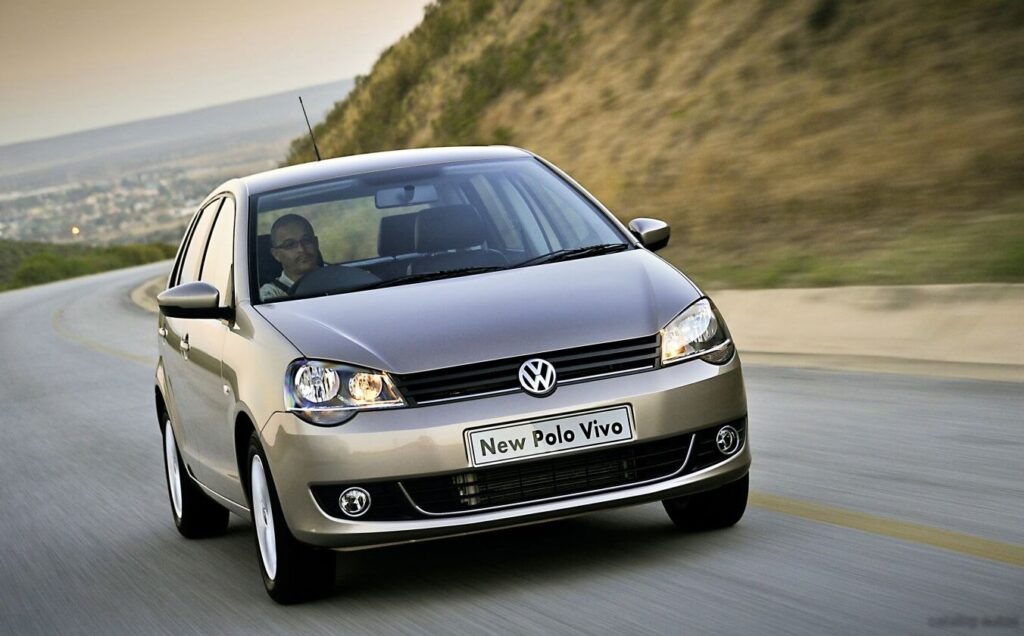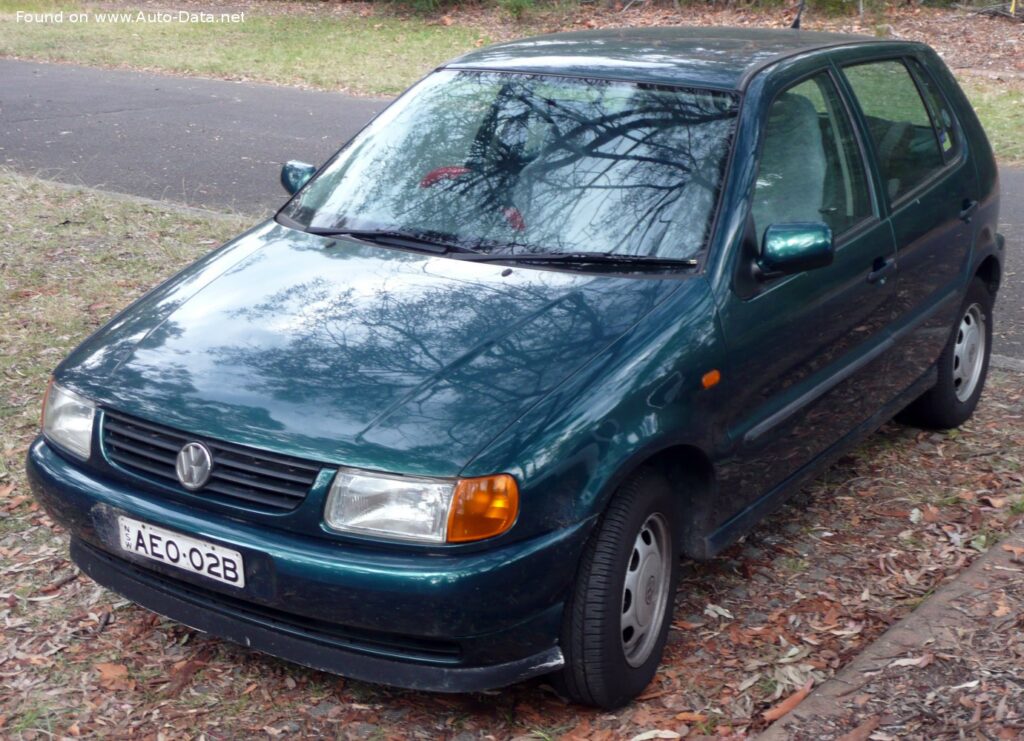
The Volkswagen Polo III (6N/6KV) 1.6 16V GTI represents a significant chapter in the history of the compact “hot hatch” segment, particularly within the European market. Produced from 1999 to 2000, this specific iteration of the Polo GTI was a performance-oriented variant of the third-generation Polo, which itself was a highly popular subcompact car in regions where it was sold. While the Polo line has never been officially offered in the United States, its impact and design language are indicative of Volkswagen’s broader automotive philosophy, which prioritizes a blend of practicality, quality, and often, an unexpected dose of driving enthusiasm. This GTI model, with its potent 1.6-liter 16-valve engine delivering 125 horsepower, carved out a niche for itself as an accessible, nimble, and engaging vehicle for enthusiasts seeking spirited performance in a small package. It was a direct competitor to other European pocket rockets of its era, embodying the spirit of the original Golf GTI in a more compact form factor.
The Volkswagen Polo III (6N/6KV) 1.6 16V GTI: A Pocket Rocket’s Legacy
Engine & Performance
At the heart of the Volkswagen Polo III (6N/6KV) 1.6 16V GTI was its naturally aspirated 1.6-liter (1598 cm³) inline-four engine, designated with the code AJV. This powerplant was a testament to Volkswagen’s engineering prowess in extracting considerable power from a relatively small displacement. Featuring a sophisticated DOHC (Double Overhead Camshaft) valvetrain with four valves per cylinder, the engine produced a robust 125 horsepower at a peaky 6500 rpm. Its power-per-liter output of 78.2 HP/l was impressive for its time, especially for a non-turbocharged unit.
Torque delivery was equally well-tuned for spirited driving, with 152 Nm (112.11 lb.-ft.) available at a relatively low 3000 rpm, ensuring strong mid-range acceleration. This combination of power and torque, coupled with the Polo GTI’s remarkably light curb weight of just 2226.67 pounds (1010 kg), resulted in an excellent weight-to-power ratio of 8.1 kg/Hp (123.8 Hp/tonne). The performance figures speak for themselves: the Polo GTI could sprint from 0 to 60 mph in a brisk 7.6 seconds, and its top speed was rated at 127.38 mph (205 km/h).
Power was sent to the front wheels via a slick-shifting 5-speed manual transmission, a choice that underscored the car’s driver-focused philosophy. The powertrain architecture, with the engine mounted transversely at the front, was typical for front-wheel-drive compact cars, optimizing packaging and contributing to predictable handling characteristics. Fueling was managed by a multi-port manifold injection system, ensuring efficient combustion of gasoline (petrol). Despite its performance aspirations, the Polo GTI also demonstrated reasonable fuel economy for its class, with an extra-urban consumption of 42.8 US mpg (5.5 l/100 km), though urban driving saw it closer to 24 US mpg (9.8 l/100 km). The engine’s compression ratio of 11.5:1 further highlighted its performance tuning.
Design & Features
The Volkswagen Polo III (6N/6KV) 1.6 16V GTI was offered primarily as a 3-door or 5-door hatchback, a versatile body style that combined sporty aesthetics with practical utility. Its design, while clearly part of the third-generation Polo family, received subtle yet effective enhancements to denote its GTI status. These typically included unique alloy wheels, a more aggressive front grille, specific badging, and potentially sportier bumpers and side skirts. The overall styling was clean and understated, characteristic of Volkswagen designs of the late 1990s, avoiding overly flamboyant elements in favor of a cohesive, purposeful look.
Inside, the Polo GTI continued the theme of understated sportiness. While specific trim details might vary by market, typical GTI features included bolstered sport seats upholstered in distinctive fabrics, a leather-wrapped steering wheel, and perhaps unique instrument cluster graphics or aluminum pedal covers. Despite its compact exterior dimensions—measuring 147.36 inches (3743 mm) in length, 65.16 inches (1655 mm) in width, and 55.83 inches (1418 mm) in height—the Polo GTI offered seating for five occupants, making it a viable option for small families or groups. The trunk space was practical, ranging from 8.65 cubic feet (245 liters) with the rear seats up, expanding to a generous 34.43 cubic feet (975 liters) with the seats folded down, showcasing its versatility.
From a chassis perspective, the Polo GTI featured an independent front suspension with coil springs and a trailing arm setup at the rear, a common and effective configuration for compact cars of the era. Stopping power was provided by disc brakes at both the front and rear, complemented by an Anti-lock Braking System (ABS) as a standard assisting system, enhancing safety and control during hard braking. The hydraulic power steering system, utilizing a rack and pinion setup, provided direct feedback and a communicative driving experience, which was crucial for a performance-oriented model. The car rode on 195/45 R15 tires mounted on 6J x 15 wheel rims, providing a good balance of grip and ride comfort for a compact hot hatch.
Technical Specifications
| Category | Specification |
|---|---|
| Brand | Volkswagen |
| Model | Polo |
| Generation | Polo III (6N/6KV) |
| Type (Engine) | 1.6 16V GTI (125 Hp) |
| Production Start | 1999 |
| Production End | 2000 |
| Powertrain Architecture | Internal Combustion Engine (ICE) |
| Body Type | Hatchback |
| Seats | 5 |
| Doors | 3-5 |
| Fuel Type | Petrol (Gasoline) |
| Fuel Consumption (Urban) | 9.8 l/100 km (24 US mpg) |
| Fuel Consumption (Extra Urban) | 5.5 l/100 km (42.8 US mpg) |
| Acceleration 0-60 mph | 7.6 seconds |
| Acceleration 0-100 km/h | 8 seconds |
| Maximum Speed | 205 km/h (127.38 mph) |
| Power | 125 Hp @ 6500 rpm |
| Power per liter | 78.2 Hp/l |
| Torque | 152 Nm (112.11 lb.-ft.) @ 3000 rpm |
| Engine Layout | Front, Transverse |
| Engine Model/Code | AJV |
| Engine Displacement | 1598 cm³ (1.6 Liters / 97.52 cu. in.) |
| Number of Cylinders | 4, Inline |
| Cylinder Bore | 76.5 mm (3.01 in.) |
| Piston Stroke | 86.9 mm (3.42 in.) |
| Compression Ratio | 11.5:1 |
| Valves per Cylinder | 4 |
| Fuel Injection System | Multi-port manifold injection |
| Engine Aspiration | Naturally aspirated engine |
| Valvetrain | DOHC |
| Engine Oil Capacity | 3.2 l (3.38 US qt) |
| Coolant Capacity | 6 l (6.34 US qt) |
| Kerb Weight | 1010 kg (2226.67 lbs) |
| Maximum Weight | 1500 kg (3306.93 lbs) |
| Maximum Load | 490 kg (1080.27 lbs) |
| Trunk Space (Minimum) | 245 l (8.65 cu. ft.) |
| Trunk Space (Maximum) | 975 l (34.43 cu. ft.) |
| Fuel Tank Capacity | 45 l (11.89 US gal) |
| Length | 3743 mm (147.36 in.) |
| Width | 1655 mm (65.16 in.) |
| Height | 1418 mm (55.83 in.) |
| Wheelbase | 2400 mm (94.49 in.) |
| Front Track | 1392 mm (54.8 in.) |
| Rear Track | 1400 mm (55.12 in.) |
| Drivetrain Architecture | Front-wheel drive (ICE drives front wheels) |
| Drive Wheel | Front wheel drive |
| Gearbox Type | 5 gears, manual transmission |
| Front Suspension | Coil spring |
| Rear Suspension | Trailing arm |
| Front Brakes | Disc |
| Rear Brakes | Disc |
| Assisting Systems | ABS (Anti-lock braking system) |
| Steering Type | Steering rack and pinion |
| Power Steering | Hydraulic Steering |
| Tires Size | 195/45 R15 |
| Wheel Rims Size | 6J x 15 |
Legacy and Market Impact
The Volkswagen Polo III (6N/6KV) 1.6 16V GTI held a significant, albeit niche, position in the European automotive landscape during its brief production run from 1999 to 2000. It served as a vital bridge between the more utilitarian Polo models and the iconic, larger Golf GTI, offering a more compact and often more affordable entry point into Volkswagen’s performance brand. In its primary markets, the Polo GTI cultivated a reputation as a lively and agile car, appreciated by drivers who valued nimble handling and accessible power over outright straight-line speed. Its direct competitors included other European hot hatches such as the Ford Fiesta ST (though the ST wasn’t introduced until a later generation for the Fiesta, earlier performance Fiesta variants were rivals), the Peugeot 206 GTi, and the Renault Clio RS. Each of these models vied for supremacy in the highly competitive subcompact performance segment.
The Polo GTI’s historical significance lies in its role in expanding the GTI ethos to a smaller platform, demonstrating that Volkswagen’s commitment to “Grand Touring Injection” wasn’t exclusive to its flagship models. It continued the tradition of offering a car that was practical for daily use yet capable of delivering genuine driving thrills when called upon. While it never reached the same legendary status as some Golf GTI generations, the Polo III GTI contributed to solidifying the Polo’s image as a versatile vehicle, capable of handling both mundane commutes and enthusiastic weekend drives. Its blend of a potent naturally aspirated engine, a precise manual gearbox, and a well-tuned chassis ensured that it remained a favorite among enthusiasts for years after its production ceased. Today, these models are sought after by collectors and enthusiasts who appreciate their direct driving feel and their place in the evolution of the hot hatch, representing a period when compact performance cars offered a raw, engaging experience without excessive electronic interference. The Polo GTI, in its various iterations, continues to be a testament to Volkswagen’s enduring legacy in the performance car world, even for models not sold on American shores.