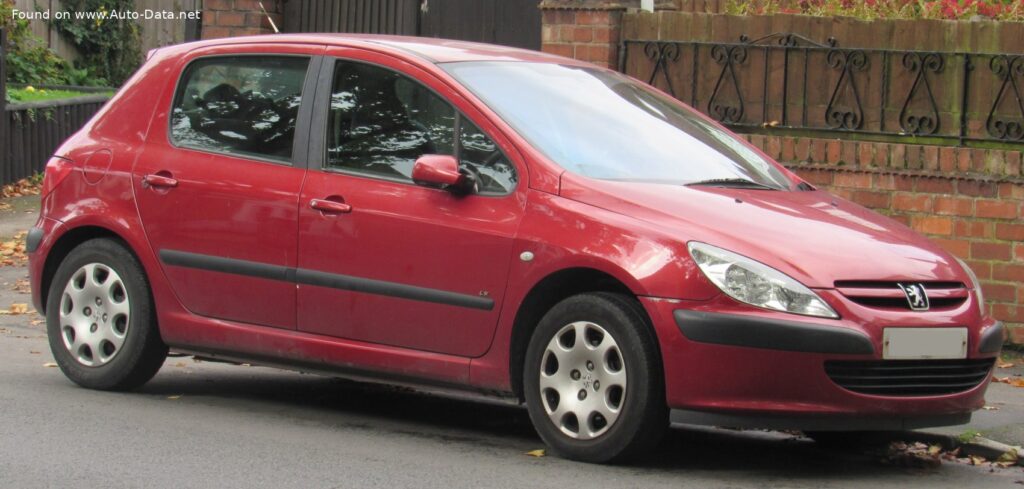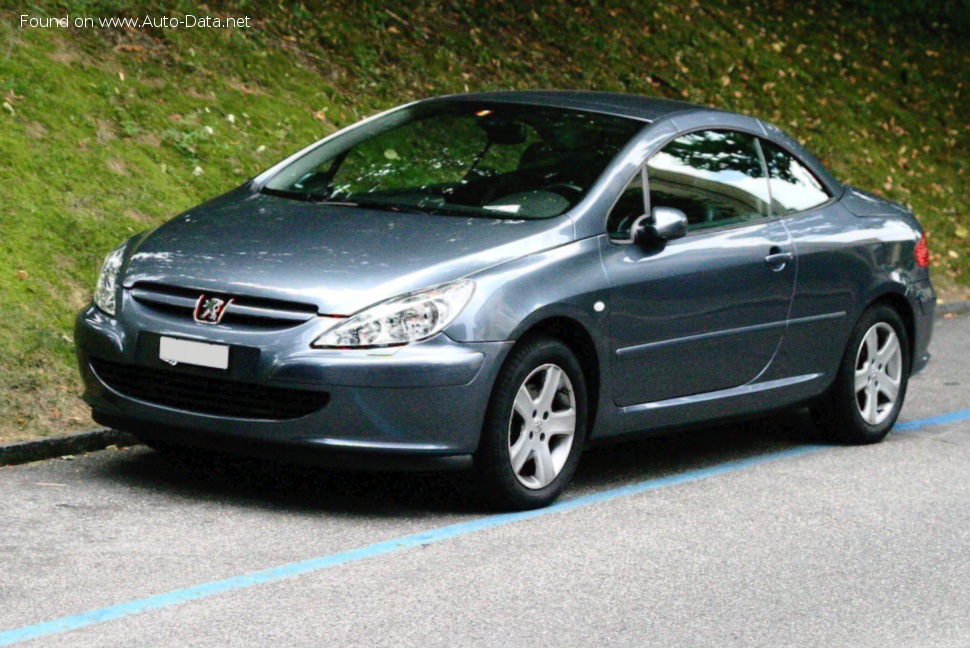
The Peugeot 307 CC 2.0 i 16V RC (177 Hp) represents a significant entry in the early 2000s European coupe-cabriolet market. As the convertible version of the popular 307 compact, it distinguished itself with a retractable hardtop, offering the practicality of a coupe with the open-air experience of a convertible. This high-performance RC variant, produced from 2003 to 2005, combined stylish design with a potent engine, appealing to drivers seeking a more engaging driving experience. While not officially sold in the United States, the 307 CC became a popular choice in Europe, establishing a new standard for affordable four-seater convertibles.
The Peugeot 307 CC: A European Success Story
The Peugeot 307, launched in 1997, was a crucial model for the French automaker, replacing the aging 306. The 307 quickly gained popularity for its modern design, spacious interior, and comfortable ride. The “CC” designation, standing for “Coupé Cabriolet,” signified Peugeot’s entry into a growing market segment. Prior to the 307 CC, retractable hardtops were largely confined to luxury vehicles; Peugeot successfully brought this technology to a more accessible price point. This innovation allowed the 307 CC to compete directly with rivals like the Renault Mégane CC and Opel Astra Cabriolet, offering a more secure and weather-resistant alternative to traditional soft-top convertibles. The 307 CC’s success helped solidify Peugeot’s reputation for innovative design and engineering within the European automotive landscape.
Engine & Performance
The heart of the Peugeot 307 CC 2.0 i 16V RC (177 Hp) is a 2.0-liter (1997 cc or 121.86 cubic inches) inline-four cylinder engine, internally designated RFK EW10J4S. This naturally aspirated engine is a testament to Peugeot’s engineering prowess, designed for a balance of performance and efficiency. The engine utilizes a Double Overhead Camshaft (DOHC) valvetrain with four valves per cylinder, maximizing airflow and contributing to its responsive nature. Fuel is delivered via a multi-port fuel injection system, ensuring precise fuel metering for optimal combustion. A compression ratio of 11:1 further enhances performance, extracting maximum power from each combustion cycle.
The engine produces 177 horsepower at 7000 rpm and 202 Nm (148.99 lb-ft) of torque at 4750 rpm. This output provides a spirited driving experience, particularly when combined with the RC variant’s standard 5-speed manual transmission. The transmission is known for its precise shifts and contributes to the car’s overall driver engagement. Acceleration from 0 to 60 mph is achieved in approximately 8.9 seconds, with a top speed of 127 mph. While these figures may not seem exceptional by modern standards, they were competitive within the coupe-cabriolet segment during the early 2000s. The front-wheel-drive configuration, common for vehicles in this class, provides adequate traction and contributes to the car’s relatively lightweight design.
Design & Features
The Peugeot 307 CC 2.0 i 16V RC boasts a sleek and modern design, characteristic of early 2000s automotive styling. The body style is a two-door, four-seater coupe-cabriolet, with the defining feature being its fully retractable hardtop. The hardtop mechanism, a complex system of motors and linkages, allows the roof to be lowered or raised in approximately 25 seconds, offering the convenience of both a coupe and a convertible. When retracted, the hardtop neatly stows away in the trunk, reducing cargo space but maintaining a streamlined appearance.
The RC variant, signifying “Rally Competition,” included several performance-oriented enhancements. These typically included sport-tuned suspension, offering improved handling and stability, and unique styling cues such as alloy wheels and a more aggressive front bumper. Inside, the 307 CC featured a comfortable and well-appointed cabin, with supportive seats and a user-friendly layout. Standard features included air conditioning, power windows, and a radio/CD player. Safety features, while not as comprehensive as those found in modern vehicles, included airbags and anti-lock brakes (ABS). The 307 CC prioritized a balance of style, comfort, and driving enjoyment, making it an appealing option for those seeking an open-air motoring experience.
Technical Specifications: Peugeot 307 CC 2.0 i 16V RC
| Engine Type | Inline-4, Naturally Aspirated |
| Engine Displacement | 1,997 cc (121.86 cu in) |
| Horsepower | 177 hp @ 7000 rpm |
| Torque | 202 Nm (148.99 lb-ft) @ 4750 rpm |
| Compression Ratio | 11:1 |
| Fuel System | Multi-port Fuel Injection |
| Transmission | 5-Speed Manual |
| Drivetrain | Front-Wheel Drive |
| 0-60 mph | 8.9 seconds (approx.) |
| Top Speed | 127 mph (approx.) |
| Curb Weight | 1,445 kg (3,185 lbs) |
| Fuel Capacity | 60 Liters (15.85 US gallons) |
| Body Style | 2-Door, 4-Seater Coupe-Cabriolet |
The Peugeot 307 CC 2.0 i 16V RC, while not a high-volume seller in the US market, remains a noteworthy vehicle in the history of European motoring. Its innovative retractable hardtop, combined with a spirited engine and stylish design, made it a popular choice for drivers seeking a versatile and enjoyable open-air driving experience. The 307 CC helped to popularize the coupe-cabriolet segment and paved the way for future generations of retractable hardtop convertibles.