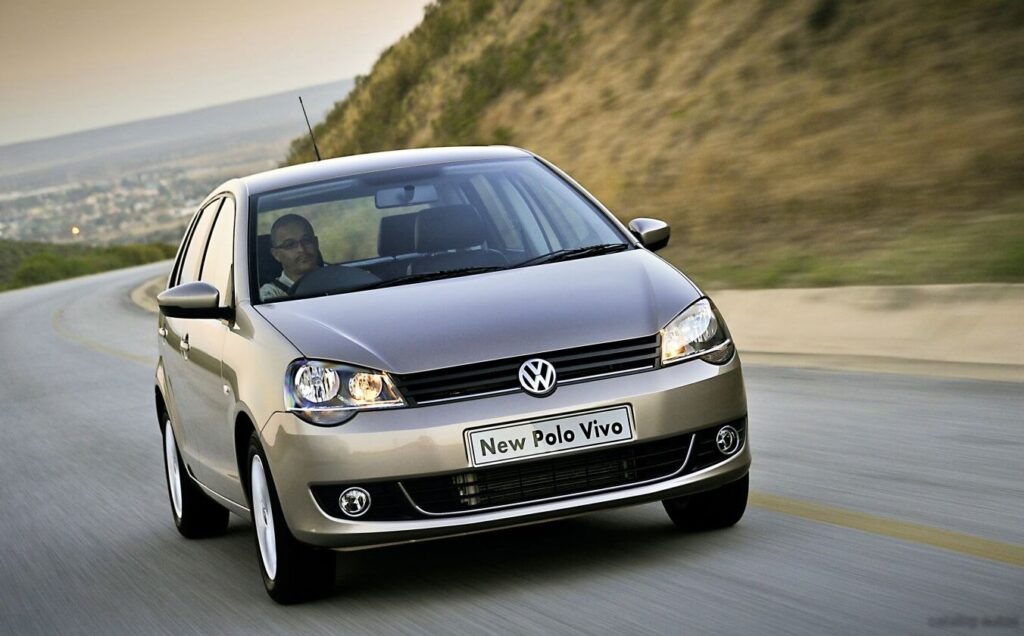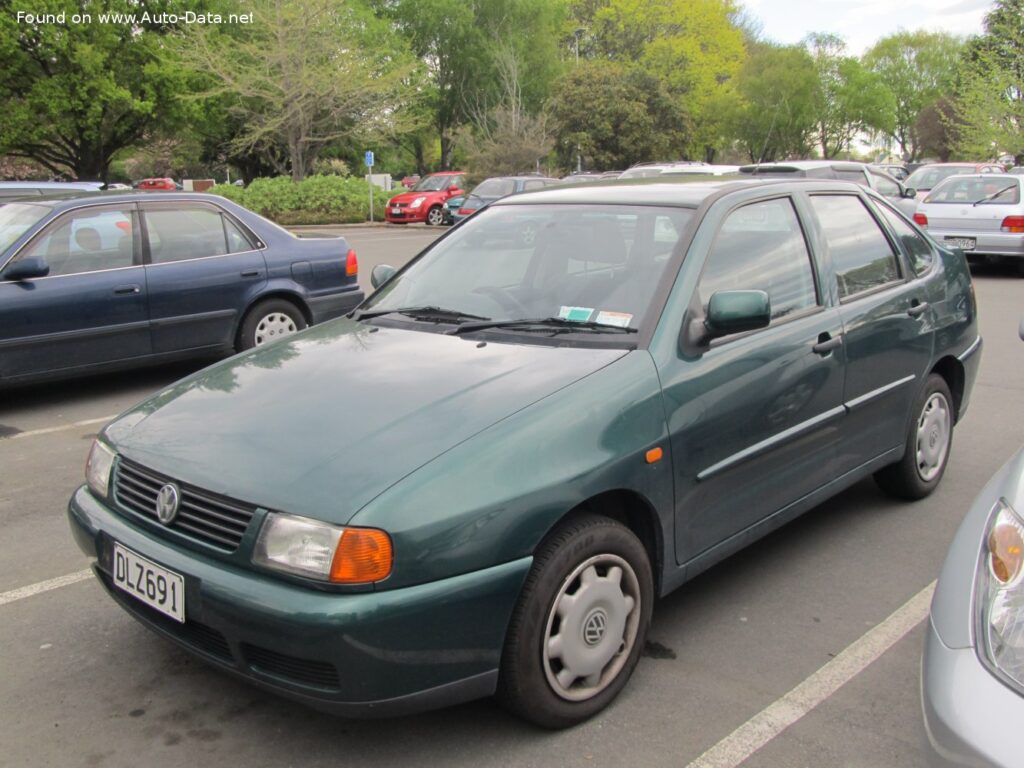
The Volkswagen Polo III Classic 1.4 (60 Hp) represents a significant chapter in the history of Volkswagen’s highly successful supermini lineup. Produced from 1994 to 2000, this third-generation Polo model expanded its appeal beyond the traditional hatchback format by offering a sedan body style, marketed as the “Classic.” While not directly sold in the United States, the Polo III Classic played a crucial role in the European and other international markets, serving as a reliable, economical, and practical compact family vehicle. It embodied Volkswagen’s commitment to quality engineering and sensible design, providing an accessible entry point into the brand for countless drivers seeking a durable and efficient daily driver. This particular 1.4-liter variant was positioned as a sensible choice, balancing adequate performance with excellent fuel economy, making it a popular option for budget-conscious consumers across the continent.
The Volkswagen Polo III Classic 1.4 (60 Hp): A European Staple
The Polo III, launched in 1994, was a pivotal model for Volkswagen. It represented a move towards more sophisticated engineering and design compared to its predecessors. The introduction of the “Classic” sedan variant was a direct response to market demand, particularly in regions where three-box saloons were preferred over hatchbacks. This broadened the Polo’s appeal and allowed Volkswagen to compete more effectively in a wider range of markets. The Polo III Classic wasn’t intended to be a performance car; its core strength lay in its practicality, affordability, and build quality – characteristics that resonated strongly with European consumers.
Engine & Performance: The Heart of the Polo
Under the hood, the Volkswagen Polo III Classic 1.4 (60 Hp) featured a robust and well-proven powertrain architecture designed for efficiency and longevity. The vehicle was powered by a 1.4-liter (1390 cm³, or 84.82 cubic inches) naturally aspirated inline-four gasoline engine, identified by engine codes such as AEX, AKV, and APQ. This unit was engineered with a single overhead camshaft (OHC) valvetrain and two valves per cylinder, a common and reliable configuration for its era. Fuel delivery was managed by a multi-port manifold injection system, ensuring precise fuel metering for optimal combustion.
Despite its modest displacement, the engine delivered a respectable 60 horsepower (Hp) at 4700 rpm, providing sufficient power for urban commuting and comfortable cruising on extra-urban roads. Torque output stood at 85.56 lb.-ft. (116 Nm) available at a relatively low 3000 rpm, which contributed to its tractable nature and ease of driving in various conditions. The engine’s layout was front, transverse, driving the front wheels through a standard 5-speed manual transmission – a setup known for its direct engagement and efficiency. While an automatic transmission was available in some markets, the manual gearbox was the more common choice, favored for its fuel efficiency and driver engagement.
In terms of performance, the Polo III Classic 1.4 (60 Hp) was not built for speed but for practicality. It could accelerate from 0 to 60 mph in a measured 14.8 seconds (0-100 km/h in 15.6 seconds), reaching a maximum speed of 97.56 mph (157 km/h). These figures, while not exhilarating, were entirely competitive for its segment and purpose during the mid-1990s. The car’s weight-to-power ratio was 15.8 kg/Hp, or 63.5 Hp per tonne, underscoring its focus on light weight and fuel efficiency.
Fuel economy was a strong suit for this variant. It achieved an urban fuel consumption rating of 26.4 US mpg (8.9 l/100 km) and an impressive extra-urban rating of 43.6 US mpg (5.4 l/100 km). With a 11.89 US gallon (45 liter) fuel tank, the Polo III Classic offered a substantial cruising range, a valuable attribute for European drivers. The engine’s compression ratio of 10.2:1 further optimized its efficiency, making it a cost-effective choice for daily transportation.
Design & Features: Practicality and Sensible Design
The design of the Polo III Classic was characterized by its understated elegance and functional approach. The sedan body style, with its distinct three-box configuration, offered a more traditional aesthetic compared to the hatchback. While not overtly stylish, the design was clean and well-proportioned, reflecting Volkswagen’s commitment to timeless design principles. The interior was similarly focused on practicality, with durable materials and a straightforward layout. Space was maximized for both passengers and luggage, making it a suitable vehicle for small families or individuals who frequently needed to transport goods.
Safety features, while not as comprehensive as those found in modern vehicles, were adequate for the era. Standard equipment typically included a driver’s airbag, seatbelts, and anti-lock braking system (ABS) on some models. The Polo III Classic’s robust construction and well-engineered chassis contributed to its overall safety profile. Features like power steering and central locking were often included, enhancing convenience and comfort. The car’s relatively small size also made it easy to maneuver in congested urban environments.
The Polo III Classic’s suspension system was designed to provide a comfortable ride while maintaining good handling characteristics. The front suspension utilized MacPherson struts, while the rear suspension employed a torsion beam axle. This setup offered a good balance between ride quality and stability, making it suitable for a variety of road conditions. The steering was precise and responsive, providing the driver with a confident feel behind the wheel.
Technical Specifications
| Engine Type | 1.4L Inline-4 Cylinder |
| Engine Code | AEX, AKV, APQ |
| Displacement | 1390 cm³ (84.82 cu in) |
| Horsepower | 60 Hp @ 4700 rpm |
| Torque | 85.56 lb-ft (116 Nm) @ 3000 rpm |
| Valvetrain | SOHC, 2 valves per cylinder |
| Fuel System | Multi-port Fuel Injection |
| Transmission | 5-Speed Manual (standard) |
| Drivetrain | Front-Wheel Drive |
| 0-60 mph | 14.8 seconds |
| 0-100 km/h | 15.6 seconds |
| Top Speed | 97.56 mph (157 km/h) |
| Weight-to-Power Ratio | 15.8 kg/Hp |
| Urban Fuel Consumption | 26.4 US mpg (8.9 l/100 km) |
| Extra-Urban Fuel Consumption | 43.6 US mpg (5.4 l/100 km) |
| Fuel Tank Capacity | 11.89 US gallons (45 liters) |
| Compression Ratio | 10.2:1 |