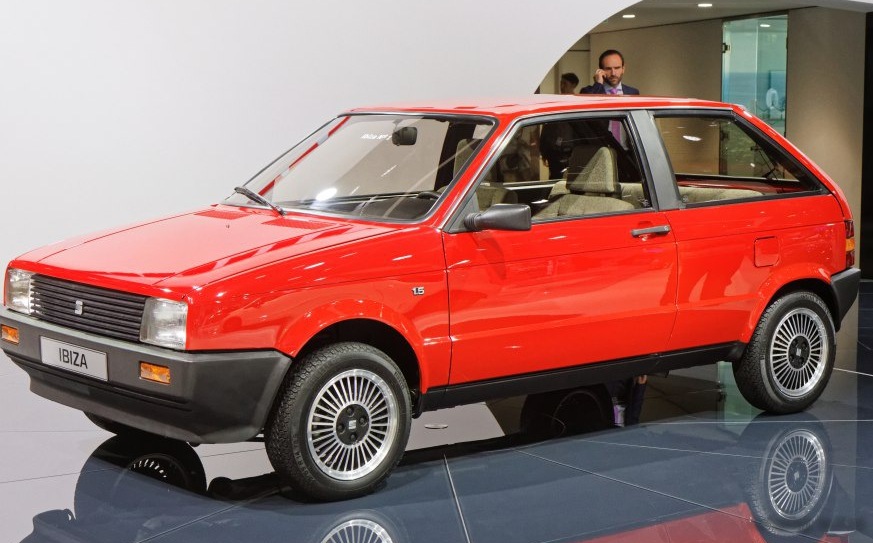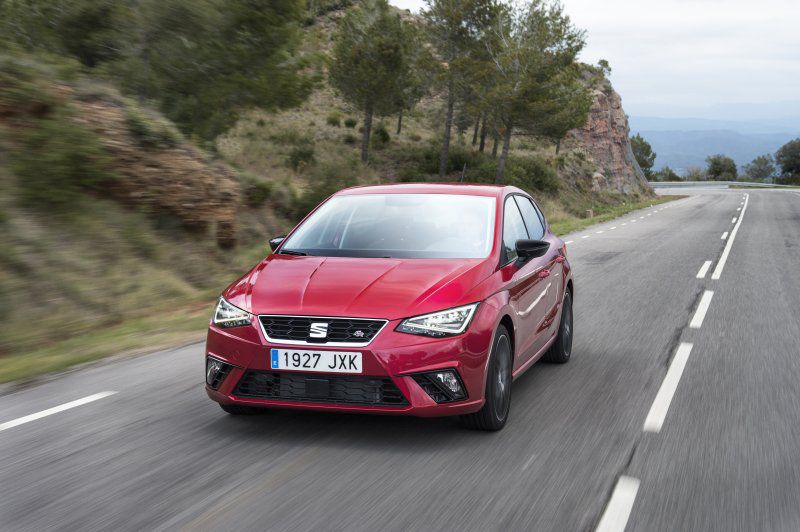
The Seat Ibiza, a nameplate synonymous with youthful design and dynamic driving within the European subcompact segment, introduced its fifth generation (Ibiza V) in 2017. As a core model for the Spanish automaker, a subsidiary of the Volkswagen Group, the Ibiza V represented a significant leap forward, being the first vehicle to utilize the advanced MQB A0 platform. This platform, shared with other successful models like the Volkswagen Polo and Skoda Fabia, brought enhanced interior space, improved driving dynamics, and access to a wider array of modern technologies. The specific variant under review, the Seat Ibiza V 1.6 TDI (95 Hp) Start&Stop DSG, exemplifies Seat’s commitment to efficiency and convenience, offering a compelling package for urban and highway driving in its primary European market.
While the Seat brand does not officially operate in the United States, the Ibiza is a highly relevant player in the competitive European supermini category, where it directly challenges established rivals. The 1.6-liter TDI diesel engine, paired with a sophisticated 7-speed DSG automatic transmission and equipped with a Start&Stop system, was a popular choice for buyers prioritizing exceptional fuel economy and strong low-end torque. This combination made the Ibiza V a practical and economical option for daily commuting and longer journeys across the continent, offering a distinctive Spanish flair compared to its German and Czech platform siblings.
Engine & Performance: The 1.6 TDI Powertrain
At the heart of the Seat Ibiza V 1.6 TDI (95 Hp) Start&Stop DSG lies a robust and efficient 1.6-liter (1598 cubic centimeters or 97.52 cubic inches) inline four-cylinder TDI (Turbocharged Direct Injection) diesel engine, designated with the code DGTD. This powertrain was engineered to deliver a balanced blend of performance and outstanding fuel efficiency, a hallmark of Volkswagen Group’s diesel technology. It produces a respectable 95 horsepower, available across a broad rev range from 2750 to 4600 rpm, ensuring flexible power delivery in various driving conditions.
More importantly for a subcompact car, the engine generates a substantial 184.39 lb.-ft. (250 Nm) of torque, which peaks impressively early between 1500 and 2600 rpm. This ample low-end torque is crucial for brisk acceleration from a standstill, effortless overtaking maneuvers, and comfortable cruising, particularly beneficial in urban environments and on winding European roads. The engine’s architecture includes a sophisticated Diesel Commonrail fuel injection system, complemented by a turbocharger and intercooler, which optimizes combustion efficiency and power output while adhering to strict Euro 6 emission standards.
Power is channeled to the front wheels via a quick-shifting 7-speed DSG (Direct-Shift Gearbox) automatic transmission. This dual-clutch unit is renowned for its seamless gear changes and ability to optimize both performance and fuel economy. The Start&Stop system further enhances efficiency by automatically shutting off the engine when the vehicle is stationary, reducing fuel consumption and emissions in city traffic. Performance figures underscore its urban focus: the Ibiza V 1.6 TDI accelerates from 0 to 60 mph in a respectable 11.1 seconds, with a top speed of 112.47 mph (181 km/h).
Fuel economy is a standout feature, with a combined rating of 58.8 US mpg (4 liters per 100 km). Urban driving yields an impressive 53.5 US mpg (4.4 l/100 km), while extra-urban cruising can achieve up to 63.6 US mpg (3.7 l/100 km). These figures, combined with CO2 emissions of just 103 g/km, highlight the vehicle’s environmental consciousness for its era and its cost-effectiveness for drivers in markets where diesel fuel remains popular.
Design & Features: Form Meets Function
The fifth-generation Seat Ibiza adopted a more mature and refined design language compared to its predecessors, while retaining the brand’s signature sharp lines and dynamic proportions. As a 5-door hatchback with seating for five occupants, it offered a practical and versatile package. The exterior styling was characterized by a distinctive front grille, angular headlights, and prominent character lines running along the flanks, giving it a sporty and contemporary appearance that resonated with its target demographic.
Dimensions played a crucial role in its appeal. Measuring 159.8 inches (4059 mm) in length, 70.08 inches (1780 mm) in width (76.46 inches or 1942 mm including mirrors), and 56.85 inches (1444 mm) in height, the Ibiza V struck an excellent balance between urban maneuverability and interior space. The 100.94-inch (2564 mm) wheelbase, significantly longer than the previous generation thanks to the MQB A0 platform, contributed to a more spacious cabin and improved ride comfort.
Interior Comfort and Technology
Inside, the Ibiza V offered a well-appointed cabin with a focus on ergonomics and modern connectivity. While specific trim levels would dictate the exact features, the general approach was one of intuitive design and quality materials for its class. The extended wheelbase translated into more generous rear legroom and a larger trunk capacity, ranging from 12.54 cubic feet (355 liters) with the rear seats up, to a substantial 41.14 cubic feet (1165 liters) when folded down, making it highly practical for a supermini.
Key features integrated into the Seat Ibiza V 1.6 TDI (95 Hp) Start&Stop DSG included a comprehensive suite of safety and driver-assistance systems. Standard equipment often encompassed ABS (Anti-lock Braking System) for enhanced braking control. The vehicle utilized an electric power steering system, offering light and precise handling, particularly beneficial for city driving and parking maneuvers. The suspension setup featured an independent McPherson strut system with coil springs and an anti-roll bar at the front, paired with a semi-independent rear suspension with coil springs, providing a compliant ride while maintaining Seat’s characteristic agile handling. Braking was handled by ventilated discs at the front and disc brakes at the rear. A variety of tire and wheel options, ranging from 185/65 R15 to more aggressive 215/40 R18 setups, allowed for personalization and further enhanced the vehicle’s aesthetic and dynamic capabilities.
Technical Specifications
| Category | Specification |
|---|---|
| General Information | Brand |
| Seat | |
| Model | |
| Ibiza V | |
| Type (Engine) | |
| 1.6 TDI (95 Hp) Start&Stop DSG | |
| Production Start | |
| 2017 | |
| Production End | |
| 2018 | |
| Powertrain Architecture | |
| Internal Combustion Engine | |
| Body Type | |
| Hatchback | |
| Seats | |
| 5 | |
| Doors | |
| 5 | |
| Performance Specifications | Fuel Consumption (Urban) |
| 4.4 l/100 km | |
| Fuel Consumption (Extra Urban) | |
| 3.7 l/100 km | |
| Fuel Consumption (Combined) | |
| 4 l/100 km | |
| CO2 Emissions | |
| 103 g/km | |
| Fuel Type | |
| Diesel | |
| Acceleration 0-60 mph | |
| 11.1 sec | |
| Acceleration 0-100 km/h | |
| 11.7 sec | |
| Maximum Speed | |
| 181 km/h | |
| Emission Standard | |
| Euro 6 | |
| Engine Specifications | Power |
| 95 Hp @ 2750-4600 rpm | |
| Torque | |
| 250 Nm @ 1500-2600 rpm | |
| Engine Layout | |
| Front, Transverse | |
| Engine Model/Code | |
| DGTD | |
| Engine Displacement | |
| 1598 cm3 |
Legacy and Market Impact in Europe
The Seat Ibiza has long been a cornerstone of the Spanish brand’s identity, symbolizing its youthful spirit, design-forward approach, and dynamic driving characteristics. The fifth generation, launched in 2017, continued this legacy with significant advancements, particularly its adoption of the Volkswagen Group’s versatile MQB A0 platform. This strategic move allowed the Ibiza V to offer best-in-class interior space and improved ride quality, directly addressing previous criticisms and strengthening its competitive standing in the fiercely contested European subcompact segment.
The Seat Ibiza V 1.6 TDI (95 Hp) Start&Stop DSG, in particular, played a crucial role in the Ibiza’s market success during its production run from 2017 to 2018. In an era where diesel engines were still highly valued for their exceptional fuel economy and strong torque output, this variant provided a compelling proposition for European buyers. It offered a practical and cost-effective solution for high-mileage drivers, fleet operators, and urban commuters who appreciated the efficiency benefits and the smooth, effortless shifts of the DSG transmission. Its low CO2 emissions and excellent fuel economy figures were significant selling points in markets with strict environmental regulations and high fuel prices.
Competitors in its primary European market were numerous and formidable, including segment leaders like its platform-mate, the Volkswagen Polo, as well as the Ford Fiesta, Renault Clio, Peugeot 208, Skoda Fabia, and Opel Corsa. The Ibiza differentiated itself with its more emotional and sporty design language, often perceived as a more vibrant and engaging choice compared to its more conservative German counterparts. It offered a value proposition that balanced contemporary styling, modern technology, and the proven mechanicals of the Volkswagen Group.
While the specific 1.6 TDI (95 Hp) variant had a relatively short production window, reflecting the broader industry shift away from smaller diesel engines towards electrified and gasoline powertrains in the late 2010s, its impact was significant. It represented the peak of small-capacity diesel efficiency within the Ibiza lineup, providing an economical and refined option for drivers. The Ibiza V’s overall success solidified Seat’s position as a dynamic and desirable brand within Europe, showcasing its ability to blend Spanish passion with German engineering precision. The legacy of this generation, including this efficient diesel variant, is one of a well-rounded, technologically advanced supermini that successfully elevated the Ibiza nameplate to new heights in terms of space, quality, and driving appeal.