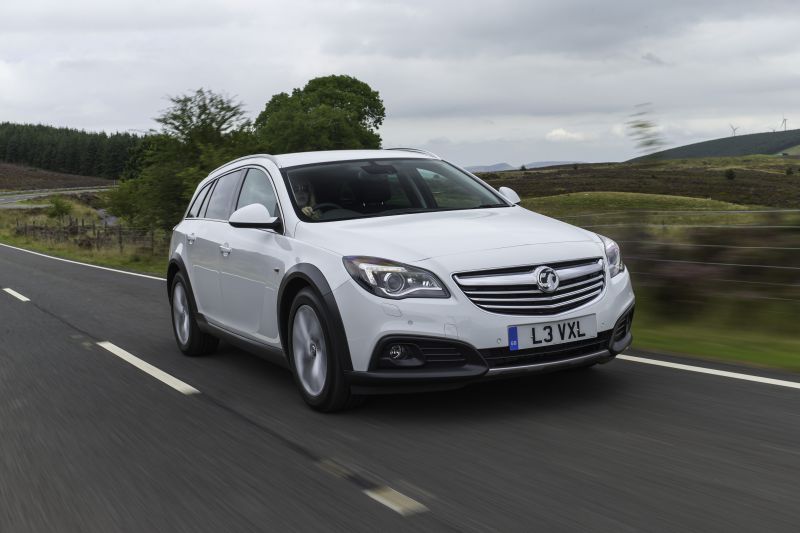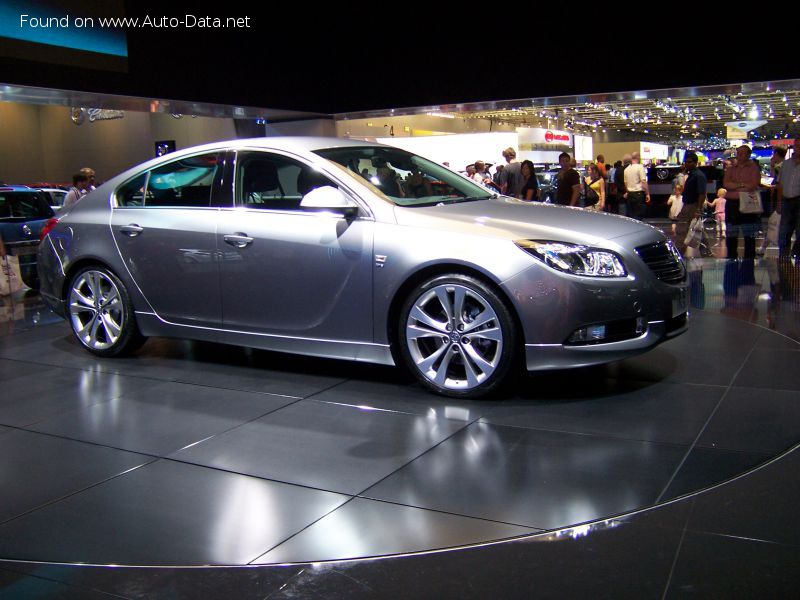
The Vauxhall Insignia, known as the Opel Insignia in mainland Europe, represents General Motors’ (GM) attempt to move upmarket and challenge established players in the mid-size car segment. Introduced in 2008, the first generation Insignia (A-platform) aimed to offer a more stylish and sophisticated alternative to the Ford Mondeo and Volkswagen Passat. The 2013 facelift brought significant cosmetic and technological updates, refining the original design and improving efficiency. This particular variant, the 2.0 CDTi ecoFLEX with 120 horsepower and Start/Stop technology, was geared towards the European market, prioritizing fuel economy and lower emissions. While not officially sold in the United States, the Insignia provides insight into GM’s global engineering and design philosophies during the early 2010s, and its technology influenced later North American offerings. The Insignia competed in the D-segment, a class known for family saloons and estates, offering a blend of practicality, comfort, and technology.
Vauxhall Insignia I: A European Contender
The Insignia was a crucial model for Vauxhall (and Opel), representing a departure from the more conservative designs of previous generations. It was designed to be a more emotionally appealing vehicle, with a focus on dynamic styling and a premium feel. The 2013 facelift was a comprehensive update, addressing some of the criticisms leveled at the original model. Changes included a revised front fascia with more prominent headlights and a redesigned grille, as well as updates to the interior with improved materials and technology. The ecoFLEX designation indicated a focus on fuel efficiency, achieved through a combination of engine tuning, aerodynamic improvements, and low rolling resistance tires. The Start/Stop system further contributed to reducing fuel consumption in urban driving conditions. The Insignia, in its various forms, was a significant seller in Europe, consistently ranking among the top performers in its segment.
Engine & Performance
The heart of this Insignia variant is a 2.0-liter turbocharged diesel engine, designated CDTi (Common-rail Diesel Turbo Injection). This engine produces 120 horsepower (approximately 89 kW) and 300 Nm (221 lb-ft) of torque. While not a performance-oriented engine, it provides adequate power for comfortable cruising and everyday driving. The engine is paired with a six-speed manual transmission, delivering power to the front wheels. The ecoFLEX designation signifies several modifications aimed at maximizing fuel efficiency. These include optimized engine mapping, reduced weight components, and aerodynamic enhancements. The Start/Stop system automatically shuts off the engine when the vehicle is stationary, such as at traffic lights, and restarts it instantly when the driver depresses the clutch pedal. This feature contributes significantly to reducing fuel consumption and emissions in urban environments. The 0-62 mph (0-100 km/h) acceleration time is around 10.3 seconds, and the top speed is approximately 127 mph (204 km/h). The engine’s torque curve is relatively flat, providing good responsiveness across a wide range of engine speeds. The focus was on providing a balance between performance and economy, making it a suitable choice for long-distance journeys and daily commutes.
Design & Features
The Insignia I, even after the 2013 facelift, retains its distinctive styling. The saloon body style offers a traditional three-box design, with a sloping roofline and a relatively long wheelbase. The facelift brought a more sculpted front end, with ‘wing’ shaped headlights that integrated into the grille design. The interior was updated with improved materials and a more modern dashboard layout. Standard features on this model typically included air conditioning, electric windows, a CD/radio system with USB connectivity, and alloy wheels. Higher trim levels offered features such as leather upholstery, a touchscreen infotainment system, navigation, and advanced safety systems. Safety was a key consideration in the Insignia’s design. The 2013 facelift incorporated improvements to the chassis and suspension, enhancing handling and stability. Safety features included ABS brakes, electronic stability control, traction control, and multiple airbags. The Insignia also featured a pedestrian detection system, which could automatically apply the brakes to mitigate or avoid collisions with pedestrians. The spacious interior provided comfortable seating for five adults, and the large trunk offered ample luggage capacity. The overall design aimed to create a vehicle that was both stylish and practical, appealing to a wide range of buyers.
Technical Specifications
| Engine Type | 2.0 CDTi (Turbocharged Diesel) |
| Engine Displacement | 1998 cc (1.998 Liters) |
| Maximum Power | 120 hp (89 kW) @ 4000 rpm |
| Maximum Torque | 300 Nm (221 lb-ft) @ 2000-2500 rpm |
| Transmission | 6-Speed Manual |
| Drive Type | Front-Wheel Drive |
| Fuel Consumption (Combined) | 4.9 L/100km (57.4 mpg UK / 48.0 mpg US) |
| CO2 Emissions | 129 g/km |
| 0-62 mph (0-100 km/h) | 10.3 seconds |
| Top Speed | 204 km/h (127 mph) |
| Fuel Tank Capacity | 70 Liters (18.5 gallons) |
| Vehicle Weight (Curb) | 1,555 kg (3,428 lbs) |
| Body Type | 4-Door Saloon |
| Length | 4682 mm (184.3 in) |
| Width | 1814 mm (71.4 in) |
| Height | 1471 mm (57.9 in) |