The Renault Espace IV (Phase IV, 2012) represents a significant refinement of a vehicle that fundamentally shaped the European multi-purpose vehicle (MPV) market. Introduced in 2012, this iteration was the final major facelift for the fourth-generation Espace, which initially appeared in 2002. While the Renault Espace was never officially offered for sale in the United States, its impact on automotive design and family transportation is considerable, particularly within Europe, where the original Espace launched in 1984 effectively created the modern minivan segment. The Phase IV model, especially when equipped with the 2.0 dCi engine producing 173 horsepower and an automatic transmission, aimed to sustain the Espace’s reputation for spaciousness, comfort, and fuel efficiency in an increasingly competitive automotive landscape.
The Renault Espace IV: A Legacy of Innovation
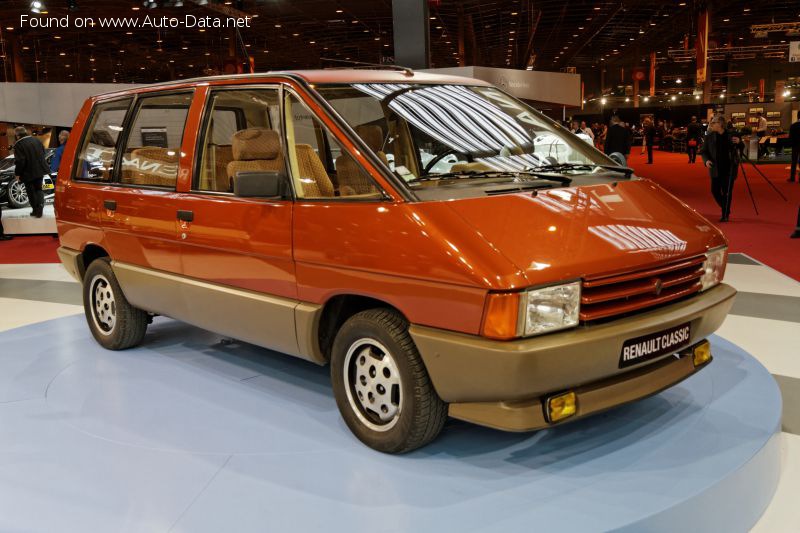
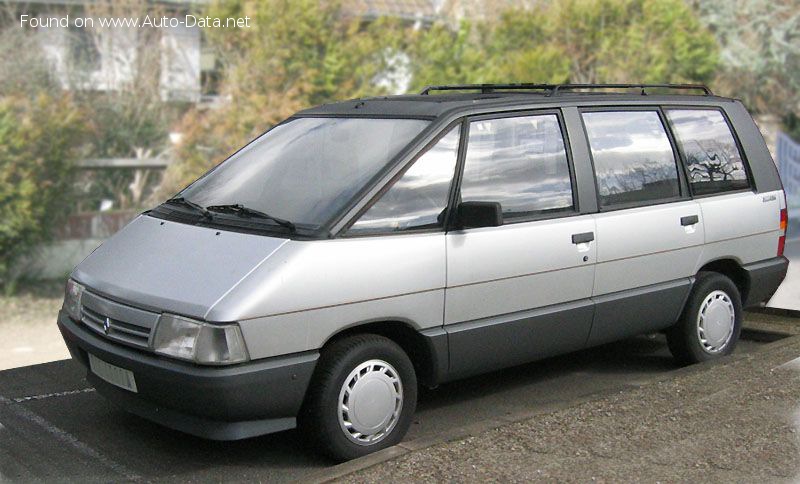
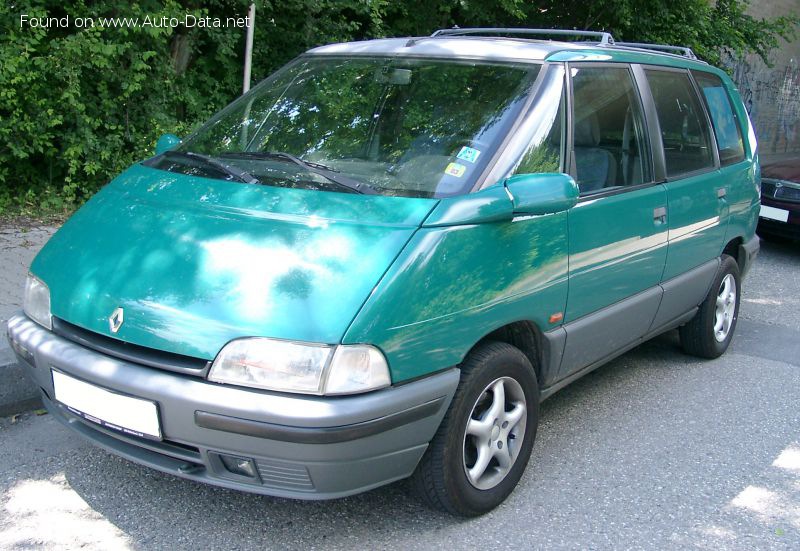
The Espace’s history is rooted in a collaboration between Renault and Matra, a French engineering firm. The original Espace, launched in 1984, was a radical departure from traditional station wagons and hatchbacks, offering a modular interior and a focus on passenger comfort. This initial success established the Espace as a benchmark for family vehicles in Europe. Each subsequent generation built upon this foundation, incorporating new technologies and design elements. The fourth-generation Espace, introduced in 2002, represented a move towards a more refined and sophisticated vehicle, distancing itself from the more utilitarian image of earlier models. The Phase IV update in 2012 focused on enhancing the vehicle’s aesthetics, improving interior quality, and optimizing the powertrain for better fuel economy and reduced emissions. The Espace consistently targeted families and individuals requiring substantial passenger and cargo capacity, often serving as a practical alternative to larger, more expensive SUVs.
Engine & Performance
The 2012 Renault Espace IV Phase IV offered a range of engine options, but the 2.0 dCi diesel engine paired with an automatic transmission was a popular choice. This engine, a four-cylinder turbocharged diesel, produced 173 horsepower and approximately 258 lb-ft of torque. The diesel powertrain was favored in Europe due to its fuel efficiency and lower running costs compared to gasoline engines. The automatic transmission, typically a six-speed unit, provided smooth and effortless gear changes, enhancing the driving experience, particularly on long journeys. The Espace IV’s front-wheel-drive configuration contributed to its relatively light weight and improved fuel economy. While not designed for outright performance, the 2.0 dCi engine provided adequate power for comfortable cruising and overtaking maneuvers. The suspension system, featuring independent wheels on all corners, prioritized ride comfort, absorbing bumps and irregularities in the road surface effectively. Renault also focused on reducing noise, vibration, and harshness (NVH) levels, creating a quiet and refined cabin environment.
Design & Features
The Renault Espace IV Phase IV presented a sleek and modern exterior design. The 2012 facelift included revised front and rear styling, with a more prominent grille, redesigned headlights, and updated taillights. The vehicle’s large glass area contributed to a bright and airy cabin, while the elongated wheelbase maximized interior space. The Espace IV was available in a variety of exterior colors and trim levels, allowing customers to personalize their vehicle. Inside, the Espace IV offered a spacious and versatile cabin. The seating configuration was highly adaptable, with individual seats that could be folded, tumbled, or even removed entirely to create a large cargo area. The Phase IV update brought improvements to interior materials and trim, enhancing the overall sense of quality. Key features included climate control, a modern audio system with connectivity options, and a range of safety technologies. Safety features were a priority, with the Espace IV equipped with multiple airbags, anti-lock brakes (ABS), electronic stability control (ESC), and traction control. The Espace also offered features like parking sensors and a rearview camera to assist with maneuvering in tight spaces. The dashboard layout was ergonomically designed, placing essential controls within easy reach of the driver. The large windows and panoramic sunroof (available on higher trim levels) further enhanced the sense of spaciousness and openness.
Technical Specifications
| Model | Renault Espace IV Phase IV (2012) |
| Engine Type | 2.0 dCi Turbo Diesel |
| Displacement | 1,995 cc (2.0 Liters) |
| Horsepower | 173 HP (128 kW) |
| Torque | 258 lb-ft (350 Nm) |
| Transmission | 6-Speed Automatic |
| Drivetrain | Front-Wheel Drive |
| Fuel Economy (Combined) | Approximately 44.8 mpg (5.3 L/100km) |
| Fuel Tank Capacity | 17.7 US gallons (67 Liters) |
| Curb Weight | Approximately 3,858 lbs (1,750 kg) |
| Length | 193.3 inches (4910 mm) |
| Width | 77.2 inches (1960 mm) |
| Height | 63.8 inches (1620 mm) |
| Wheelbase | 116.1 inches (2950 mm) |
| Seating Capacity | 5-7 Passengers |
| Braking System | ABS, EBD, ESC |
The Renault Espace IV Phase IV, despite not being sold in the US market, remains a significant example of European automotive engineering. Its focus on practicality, comfort, and efficiency, combined with its innovative design, cemented its position as a leader in the MPV segment for decades. The 2012 update represented a final refinement of a successful formula, offering a compelling package for families seeking a versatile and spacious vehicle. While the Espace nameplate has evolved with subsequent generations, the fourth-generation model, particularly the Phase IV, continues to be remembered as a high point in the Espace’s illustrious history, demonstrating Renault’s commitment to providing innovative and family-friendly transportation solutions.