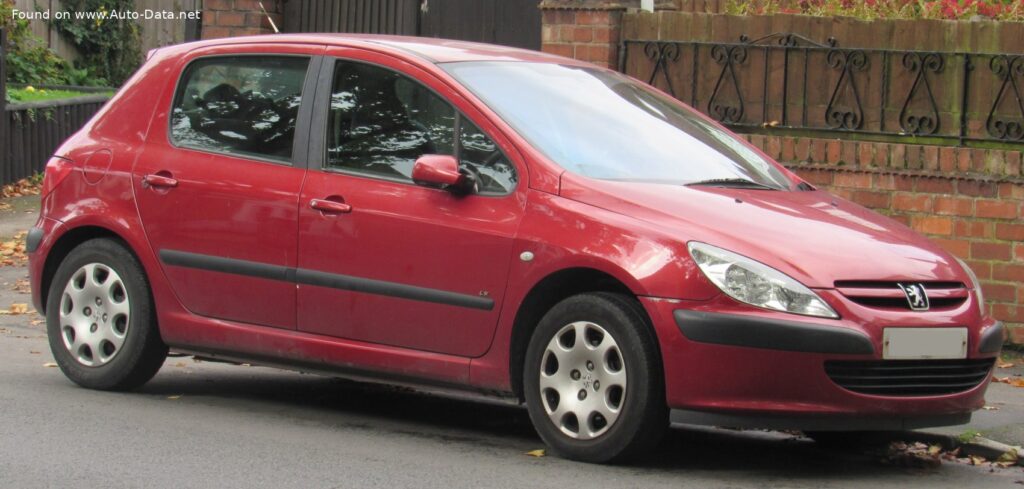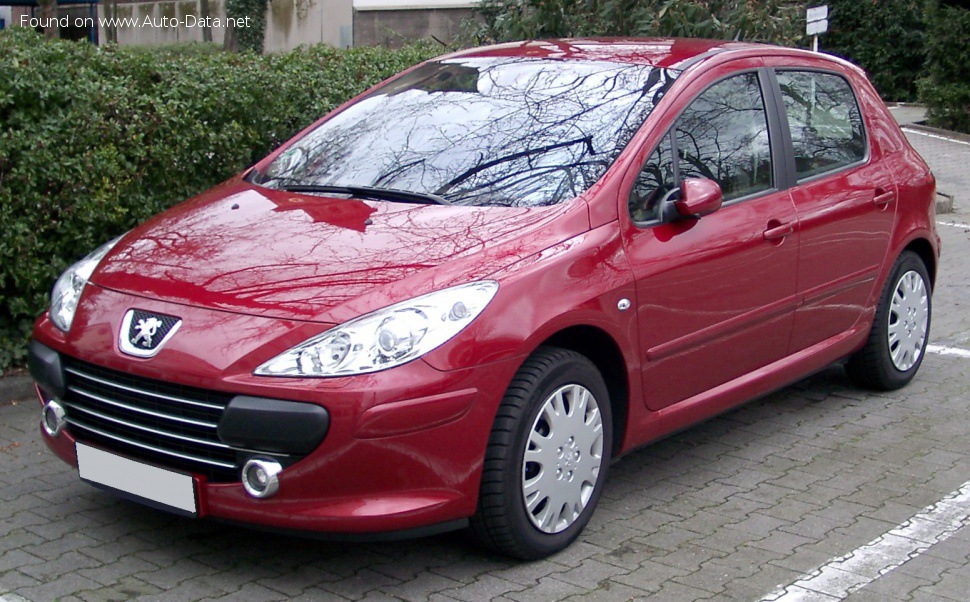
The Peugeot 307, particularly the facelifted version introduced in 2005, represents a significant step forward for the French automaker in the competitive compact family car segment. Positioned as a direct competitor to vehicles like the Volkswagen Golf, Ford Focus, and Opel/Vauxhall Astra, the 307 aimed to offer a blend of practicality, comfort, and distinctive French styling. The 2005 facelift brought revised front and rear aesthetics, interior refinements, and importantly, a wider range of engine options, including the highly efficient 1.6 HDi diesel engine. This model was primarily sold in Europe and other international markets, and while never officially offered in the United States, it showcases Peugeot’s engineering prowess and its commitment to fuel economy and driving dynamics within the constraints of the European market. The 307’s success lay in its ability to appeal to a broad customer base seeking a versatile and modern vehicle.
Peugeot 307 1.6 HDi: A Detailed Overview
The 307, launched in 2001, was Peugeot’s replacement for the aging 306. It represented a move upmarket for the brand, with a focus on interior space and build quality. The 2005 facelift was a crucial update, addressing some criticisms of the original design and enhancing the car’s overall appeal. The 1.6 HDi variant, producing 90 horsepower, became a popular choice due to its excellent fuel efficiency and respectable performance. HDi (High-Pressure Diesel Injection) technology, developed in partnership with Bosch, was a key selling point, offering a compelling alternative to gasoline engines in a market increasingly focused on reducing emissions and fuel consumption. The 307 was available in a variety of body styles, including a hatchback, a station wagon (SW), and a convertible (CC), further broadening its market reach. The facelifted model featured a more prominent Peugeot family grille, revised headlights, and updated interior trim, contributing to a more contemporary look and feel.
Engine & Performance
The heart of the 307 1.6 HDi is a 1,560cc four-cylinder diesel engine. This engine utilizes common-rail direct injection and a variable geometry turbocharger to deliver a balance of power and efficiency. While 90 horsepower might not sound substantial by modern standards, the engine produces a healthy 161 lb-ft of torque, available from a low 1,750 rpm. This strong low-end torque makes the 307 1.6 HDi surprisingly responsive in everyday driving situations, providing ample pulling power for overtaking and navigating urban environments. The engine is typically paired with a five-speed manual transmission, although a four-speed automatic transmission was also available. Performance figures are modest, with a 0-60 mph time of around 12.5 seconds and a top speed of approximately 114 mph. However, the primary focus of this engine is not outright speed, but rather fuel economy. The 307 1.6 HDi consistently achieves fuel consumption figures in the range of 50-60 mpg (combined cycle), making it an exceptionally economical vehicle to operate. The engine’s relatively low emissions also contribute to lower running costs, particularly in countries with stringent vehicle taxation policies.
Design & Features
The Peugeot 307, in its facelifted form, presents a distinctly French aesthetic. The hatchback body style is the most common, offering a practical and versatile package. The SW (Station Wagon) variant provides significantly increased cargo capacity, making it ideal for families or those requiring ample space for luggage and equipment. The CC (Coupé Cabriolet) offers open-top motoring with a retractable hardtop roof. The interior of the 307 is characterized by its ergonomic design and comfortable seating. The 2005 facelift brought improvements to the dashboard layout and materials, enhancing the overall quality feel. Standard features typically included air conditioning, power steering, electric front windows, and a radio/CD player. Higher trim levels offered features such as alloy wheels, automatic climate control, rain-sensing wipers, and a trip computer. Safety features were also a priority, with the 307 equipped with ABS brakes, electronic brakeforce distribution (EBD), and front airbags as standard. Later models also benefited from the addition of side airbags and stability control. The 307’s suspension is tuned for comfort, providing a relatively smooth ride, although it’s not as sporty as some of its rivals. The steering is precise and well-weighted, offering a pleasant driving experience. The car’s relatively compact dimensions make it easy to maneuver in tight urban spaces.
Technical Specifications
| Engine Type | 1.6L HDi Diesel |
| Displacement | 1,560 cc (95.1 cu in) |
| Cylinders | 4 |
| Horsepower | 90 hp (67 kW) @ 4,000 rpm |
| Torque | 161 lb-ft (218 Nm) @ 1,750 rpm |
| Fuel System | Common Rail Direct Injection |
| Turbocharger | Variable Geometry Turbo |
| Transmission | 5-Speed Manual (available with 4-Speed Automatic) |
| Drivetrain | Front-Wheel Drive |
| 0-60 mph | Approximately 12.5 seconds |
| Top Speed | Approximately 114 mph (183 km/h) |
| Fuel Economy (Combined) | 50-60 mpg (4.7-3.9 L/100km) |
| Curb Weight | Approximately 2,822 lbs (1,280 kg) |
| Body Styles | Hatchback, Station Wagon (SW), Coupé Cabriolet (CC) |
The Peugeot 307 1.6 HDi, while not officially sold in the US market, remains a popular and well-regarded vehicle in Europe and beyond. Its combination of fuel efficiency, practicality, and comfortable driving experience made it a compelling choice for a wide range of buyers. The 2005 facelift further enhanced its appeal, addressing earlier criticisms and solidifying its position as a strong contender in the competitive compact car segment. The HDi engine technology, a hallmark of Peugeot’s engineering, continues to influence the development of efficient and environmentally friendly vehicles today. The 307 represents a significant chapter in Peugeot’s history, demonstrating the brand’s ability to innovate and deliver vehicles that meet the evolving needs of the modern driver.