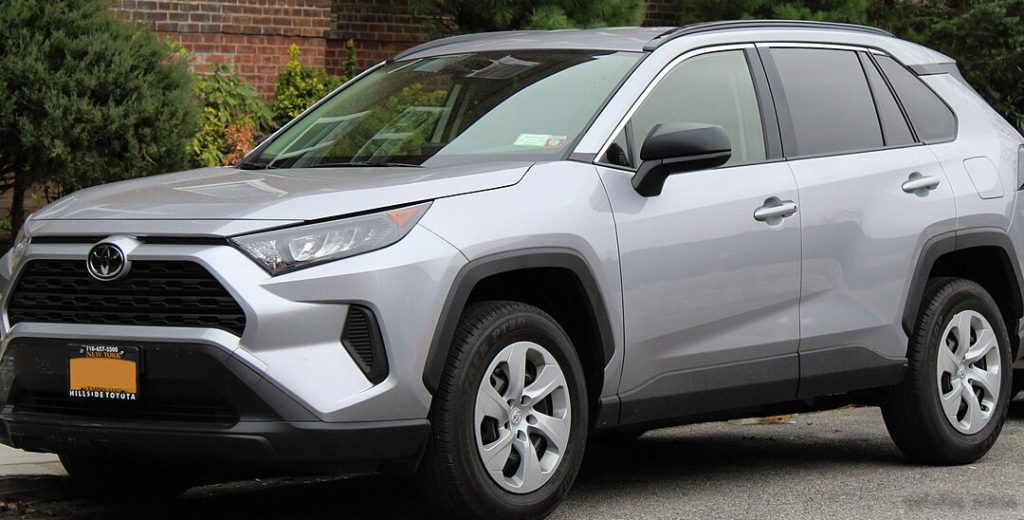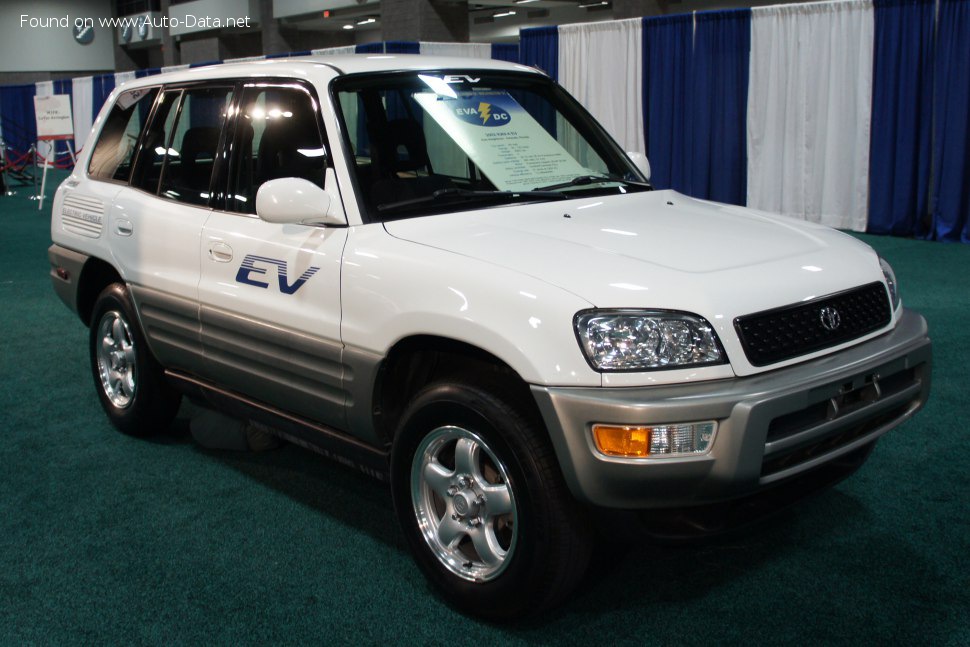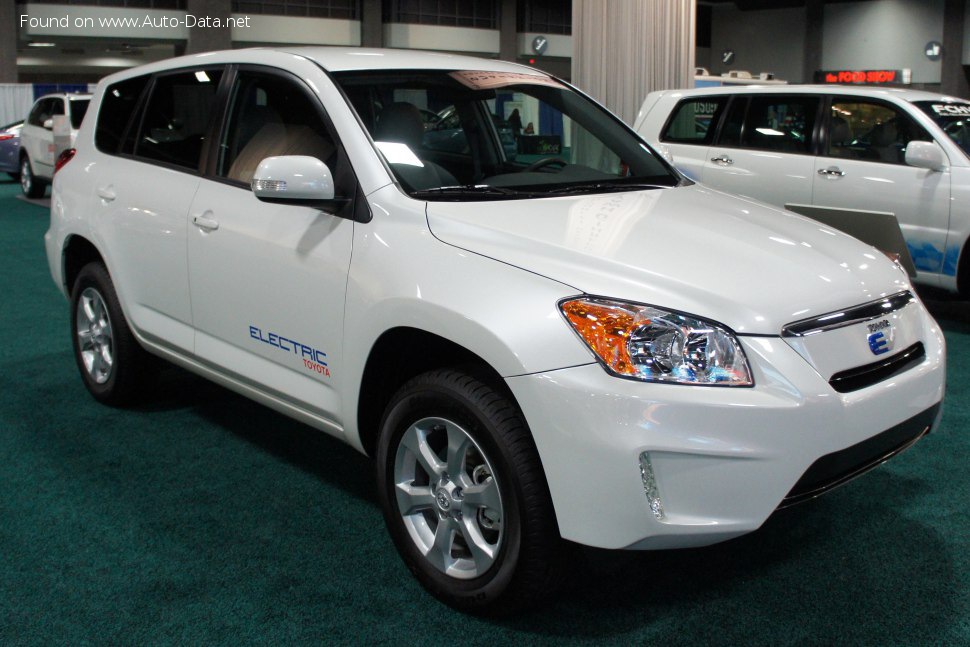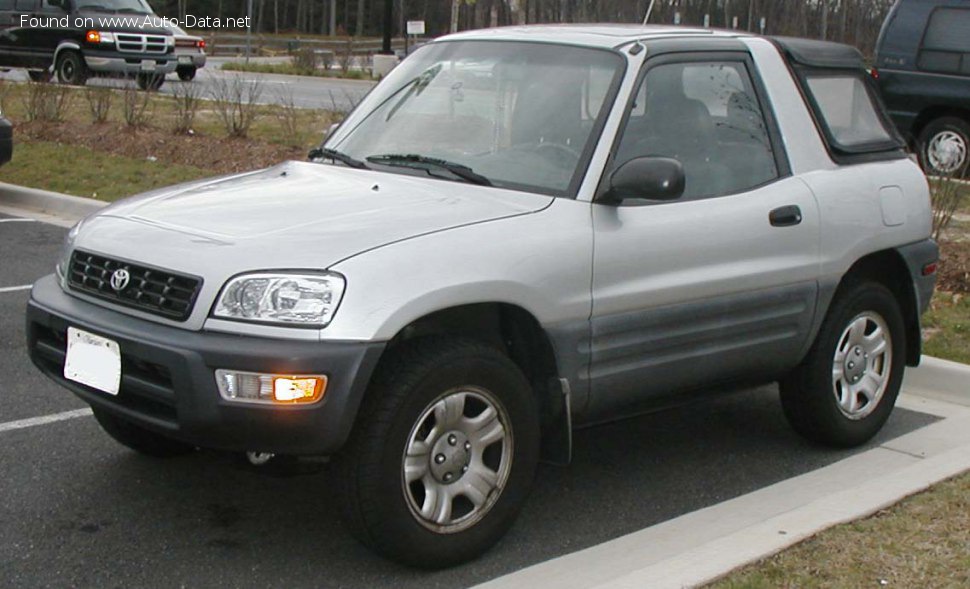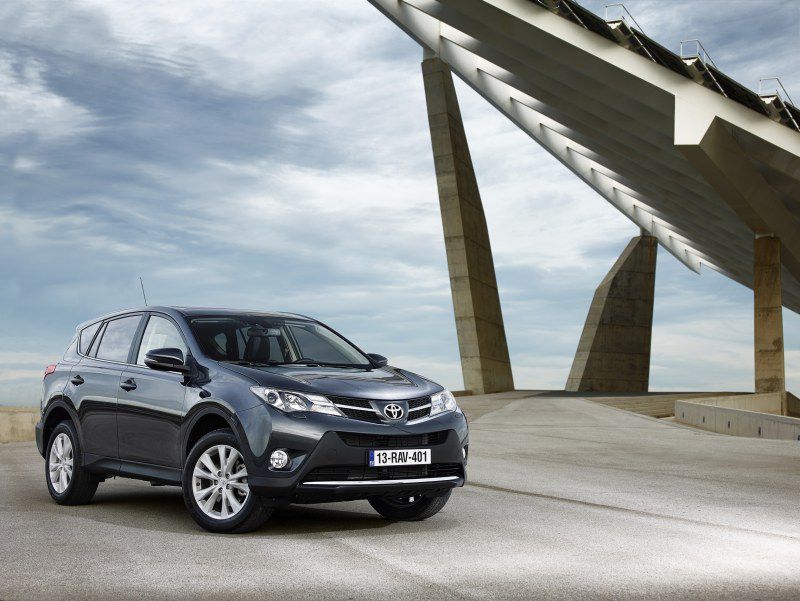
The Toyota RAV4, an acronym for “Recreational Activity Vehicle: 4-wheel drive,” has long been a pioneering and dominant force in the compact SUV segment. The fourth generation, known internally as the XA40 series, debuted in late 2012 and was produced until 2015, marking a significant evolution in the model’s design, technology, and market positioning. This particular variant, the Toyota RAV4 IV 2.0 Valvematic (151 Hp) 4WD, represents a core offering in various international markets, particularly in Europe and Asia, where its blend of efficiency, practicality, and available all-wheel-drive capability resonated strongly with consumers seeking a versatile family vehicle with a touch of adventure.
Toyota RAV4 IV 2.0 Valvematic: A Global Compact SUV
Moving away from the more rounded, car-like aesthetics of its predecessors, the RAV4 IV adopted a sharper, more aggressive, and decidedly modern SUV styling. While the North American market often received a 2.5-liter engine paired with an automatic transmission, this 2.0-liter Valvematic, manual transmission, all-wheel-drive configuration showcased Toyota’s commitment to offering a range of powertrains tailored to specific regional demands, prioritizing a balance of performance and fuel economy under the Euro 5 emissions standard prevalent in its primary markets.
Engine & Performance
At the heart of this Toyota RAV4 IV variant lies the 3ZR-FAE engine, a 2.0-liter (1987 cm3 or 121.25 cu. in.) naturally aspirated inline-four gasoline unit. This engine is notable for incorporating Toyota’s Valvematic technology, an advanced variable valve lift system that works in conjunction with variable valve timing (VVT-i). Unlike simpler VVT-i systems that only adjust valve timing, Valvematic continuously varies the intake valve lift, allowing for more precise control over the amount of air entering the cylinders. This sophisticated system aims to optimize combustion efficiency across the rev range, resulting in improved fuel economy and reduced emissions without sacrificing responsiveness.
The engine delivers a respectable 151 horsepower at 6200 rpm, translating to a power output of 76 horsepower per liter, which is quite efficient for a naturally aspirated engine of its size. Torque peaks at 143.82 lb.-ft. (195 Nm) at 4000 rpm, providing ample pulling power for daily driving and light off-road excursions. Power is routed through a precise 6-speed manual transmission, a choice that appeals to drivers who prefer more direct engagement with their vehicle and is quite common in European markets. The full-time all-wheel-drive (4WD) system enhances traction and stability, especially in challenging weather conditions or on unpaved roads, making the RAV4 a capable companion for diverse driving environments.
Performance figures for the 2.0 Valvematic (151 Hp) 4WD are competitive for its class. It can accelerate from 0 to 60 mph in a calculated 9.4 seconds (0-100 km/h in 9.9 seconds) and reach a maximum speed of 114.95 mph (185 km/h). Fuel efficiency is a key strength, with a combined economy rating of 32.7 US mpg (7.2 l/100 km). Urban driving yields 25.3 US mpg (9.3 l/100 km), while extra-urban cruising can achieve an impressive 39.2 US mpg (6 l/100 km). These figures, coupled with CO2 emissions of 167 g/km, underline the Valvematic engine’s design philosophy of balancing performance with environmental responsibility, meeting Euro 5 emission standards.
Design & Features
The fourth-generation Toyota RAV4 IV represented a bold step forward in terms of design, shedding the tailgate-mounted spare tire that had been a signature feature of earlier generations. The XA40 adopted a more conventional top-hinged liftgate, contributing to a cleaner, more integrated rear aesthetic. The overall body type is a five-door SUV, designed to comfortably accommodate five occupants, offering a compelling blend of passenger comfort and cargo utility. Its exterior dimensions are substantial yet manageable for urban environments: 179.92 inches (4570 mm) in length, 72.64 inches (1845 mm) in width, and 65.35 inches (1660 mm) in height, all riding on a 104.72-inch (2660 mm) wheelbase.
Inside, the RAV4 IV focused on practicality and a user-friendly layout. While specific interior features vary by trim level, the core design emphasized durable materials and intelligent ergonomics. The trunk space is generous, offering a minimum of 19.32 cu. ft. (547 liters), expandable by folding the rear seats, making it highly versatile for everything from grocery runs to family road trips. The vehicle also boasts a significant maximum roof load capacity of 187.39 lbs. (85 kg) and impressive towing capabilities, rated at 4409.25 lbs. (2000 kg) with brakes and 1653.47 lbs. (750 kg) without brakes, further enhancing its utility.
From a chassis perspective, the RAV4 IV employed a robust suspension setup designed for a comfortable ride and capable handling. It features an independent McPherson strut system at the front and a double wishbone arrangement at the rear, providing a good balance between on-road composure and absorption of bumps. Braking power is supplied by ventilated discs at the front and solid discs at the rear, complemented by an Anti-lock Braking System (ABS) for enhanced safety. The steering is a rack and pinion type, offering precise control. The vehicle rides on 225/65 R17 tires mounted on 6.5J x 17 wheel rims, contributing to its stable stance and respectable ground clearance. With a minimum turning circle of 34.78 ft. (10.6 m), it remains maneuverable despite its SUV stature.
Technical Specifications
| Category | Specification |
| General Information | |
| Brand | Toyota |
| Model | RAV4 |
| Generation | RAV4 IV |
| Type (Engine) | 2.0 Valvematic (151 Hp) 4WD |
| Start of Production | 2012 |
| End of Production | 2015 |
| Powertrain Architecture | Internal Combustion Engine |
| Body Type | SUV |
| Seats | 5 |
| Doors | 5 |
| Performance Specs | |
| Fuel Consumption (Urban) | 9.3 l/100 km |
| Fuel Consumption (Extra Urban) | 6 l/100 km |
| Fuel Consumption (Combined) | 7.2 l/100 km |
| CO2 Emissions | 167 g/km |
| Fuel Type | Petrol (Gasoline) |
| Acceleration 0-60 mph | 9.4 sec |
| Maximum Speed | 185 km/h |
| Emission Standard | Euro 5 |
| Engine Specs | |
| Power | 151 Hp @ 6200 rpm |
| Power per liter | 76 Hp/l |
| Torque | 195 Nm @ 4000 rpm |
| Engine Layout | Front, Transverse |
| Engine Model/Code | 3ZR-FAE |
| Engine Displacement | 1987 cm3 |
| Number of Cylinders | 4 |
| Engine Configuration | Inline |
| Cylinder Bore | 80.5 mm |
| Piston Stroke | 97.6 mm |
| Compression Ratio | 10:1 |
| Valves per Cylinder | 4 |
| Fuel Injection System | Multi-port manifold injection |
| Engine Aspiration | Naturally aspirated engine |
| Valvetrain | DOHC |
| Engine Oil Capacity | 4.2 l |
| Space, Volume and Weights | |
| Max. Weight | 2100 kg |
| Trunk (Boot) Space – Minimum | 547 l |
| Fuel Tank Capacity | 60 l |
| Max. Roof Load | 85 kg |
| Permitted Trailer Load (with brakes) | 2000 kg |
| Permitted Trailer Load (without brakes) | 750 kg |
| Permitted Towbar Download | 80 kg |
| Dimensions | |
| Length | 4570 mm |
| Width | 1845 mm |
| Height | 1660 mm |
| Wheelbase | 2660 mm |
| Front Track | 1570 mm |
| Rear (Back) Track | 1570 mm |
| Drag Coefficient (Cd) | 0.323 |
| Minimum Turning Circle | 10.6 m |
| Drivetrain, Brakes and Suspension Specs | |
| Drive Wheel | All Wheel Drive (4×4) |
| Number of Gears and Type of Gearbox | 6 gears, manual transmission |
| Front Suspension | Independent type McPherson |
| Rear Suspension | Double wishbone |
| Front Brakes | Ventilated discs |
| Rear Brakes | Disc |
| Assisting Systems | ABS (Anti-lock braking system) |
| Steering Type | Steering rack and pinion |
| Tires Size | 225/65 R17 |
| Wheel Rims Size | 6.5J x 17 |
The Toyota RAV4 has, since its inception in the mid-1990s, been a trailblazer, essentially inventing the compact crossover SUV segment. The fourth-generation Toyota RAV4 IV continued this legacy, adapting to evolving consumer preferences and increasingly competitive market conditions. While the specific 2.0 Valvematic (151 Hp) 4WD variant with a manual transmission was not a primary offering in the North American market, where automatic transmissions and larger engine options like the 2.5-liter four-cylinder were standard, it played a crucial role in other global markets, particularly in Europe and parts of Asia.
In these regions, the combination of a fuel-efficient 2.0-liter engine, the engaging control of a 6-speed manual gearbox, and the added traction of an all-wheel-drive system made the RAV4 IV a highly attractive proposition. It directly competed with formidable rivals such as the Honda CR-V, Nissan Qashqai (known as the Rogue Sport in the US), Mazda CX-5, and Ford Kuga (Escape in the US). Against these competitors, the RAV4 IV stood out for its renowned Toyota reliability, practical interior, and solid resale value.
The XA40 generation represented a maturing of the RAV4 concept. Its more assertive styling and improved driving dynamics aimed to broaden its appeal beyond its traditional family-oriented customer base. The model was praised for its comfortable ride, spacious cabin, and the peace of mind that comes with Toyota’s reputation for durability. While not a performance SUV, its capabilities were more than adequate for most daily driving needs and light adventurous pursuits, making it a true all-rounder in the compact SUV category.
Ultimately, the Toyota RAV4 IV 2.0 Valvematic (151 Hp) 4WD contributed significantly to the RAV4’s continued global success. It demonstrated Toyota’s ability to tailor powertrains to diverse market demands, offering a compelling package of efficiency, utility, and dependability that cemented the RAV4’s position as a segment leader and one of the best-selling SUVs worldwide throughout its production run and beyond.