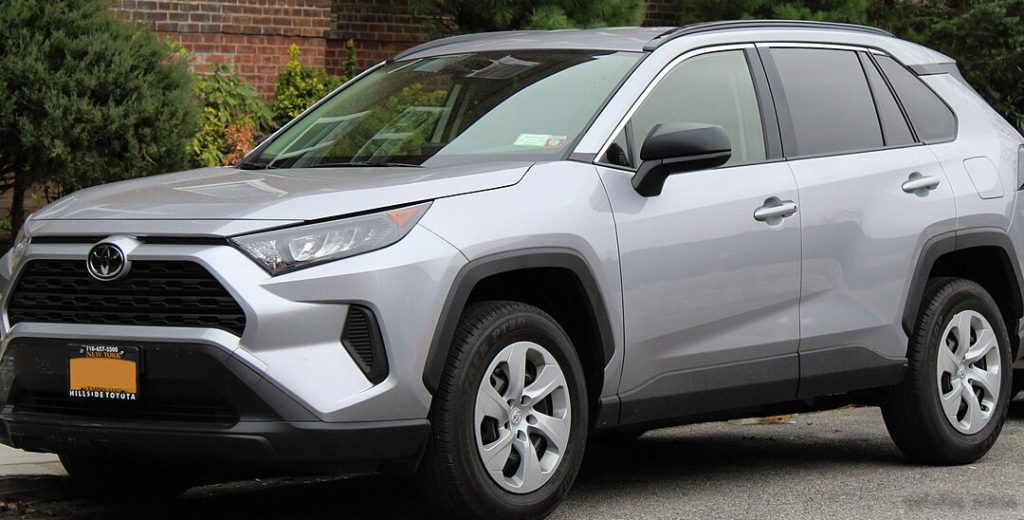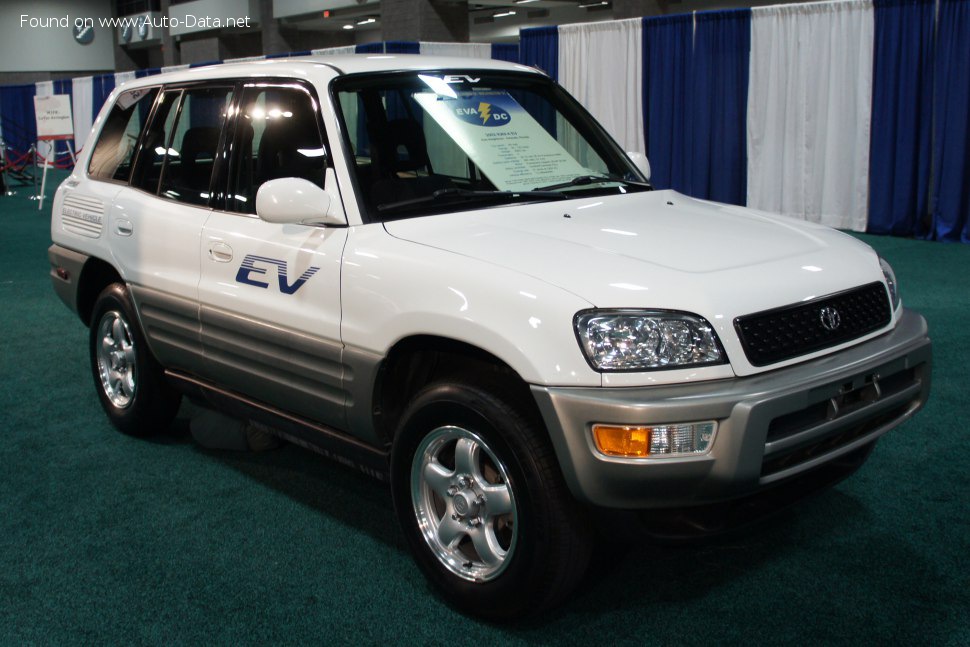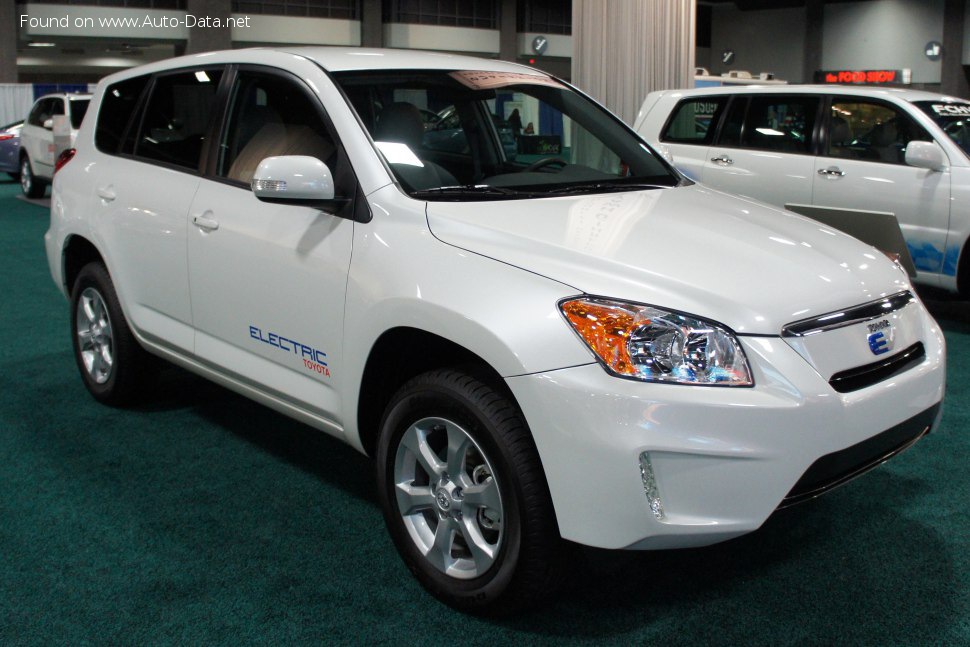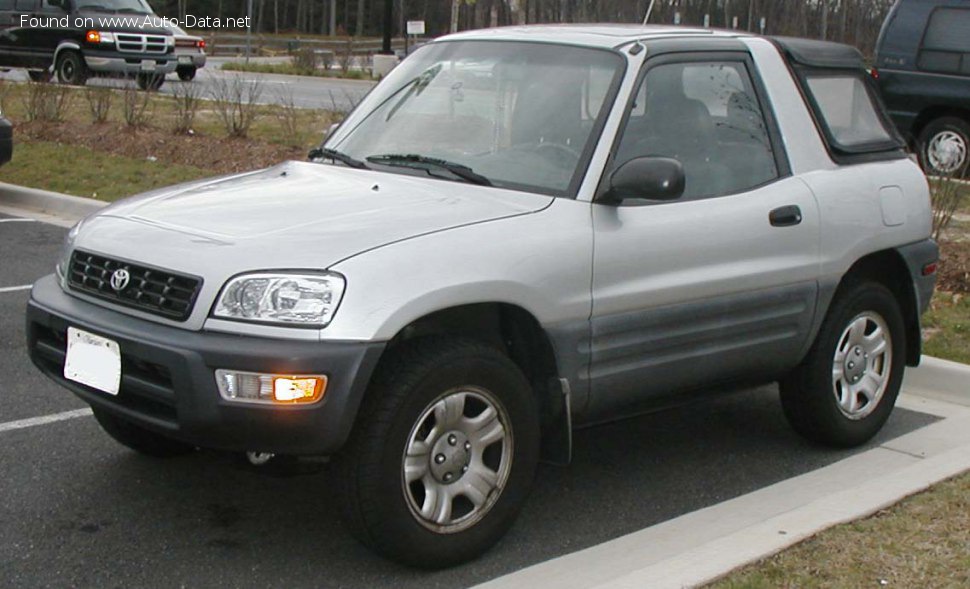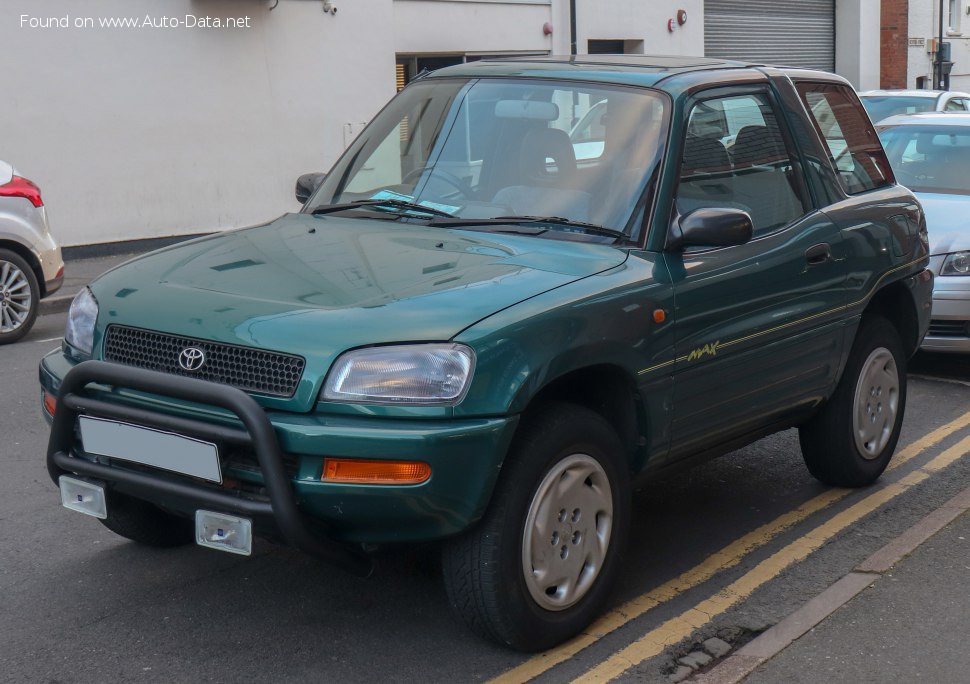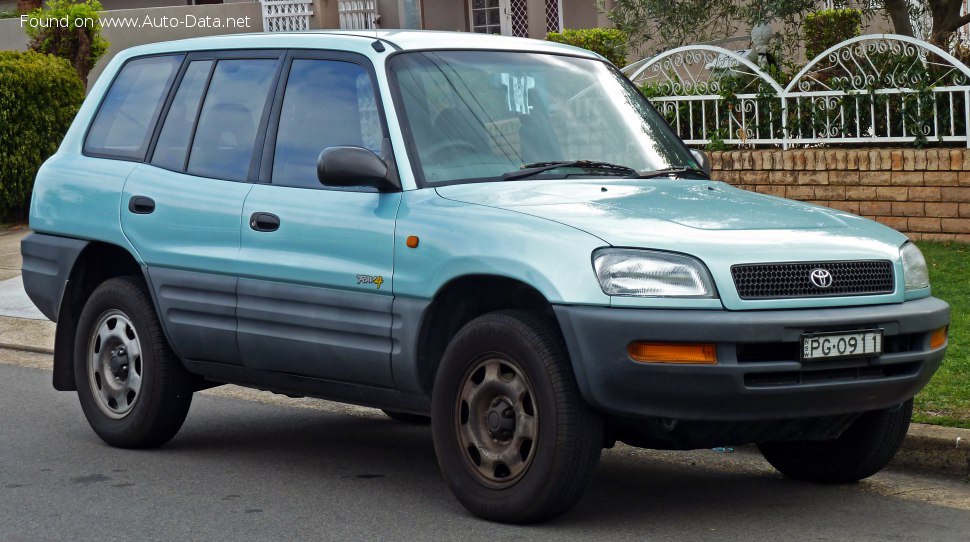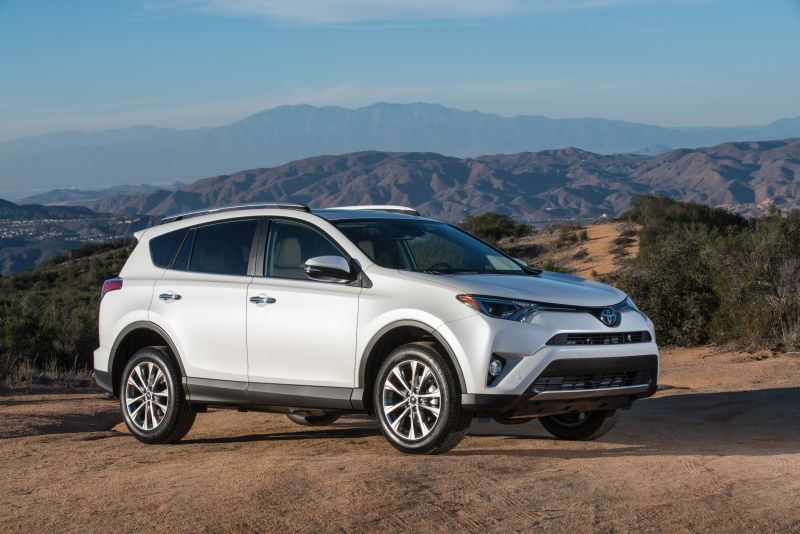
The Toyota RAV4, a pioneer in the compact crossover SUV segment, received a significant facelift for its fourth generation (XA40) in 2015. This mid-cycle refresh aimed to keep the popular model competitive in a rapidly expanding and fiercely contested global market. While North America primarily received gasoline-powered variants, the European and Asian markets, among others, benefited from a range of powertrain options, including the highly efficient Toyota RAV4 IV (facelift 2015) 2.0 D-4D (143 Hp) diesel engine. This particular variant, produced from 2015 to 2018, embodied Toyota’s commitment to offering diverse powerplants tailored to regional demands, combining robust performance with impressive fuel economy. As a five-door, five-seat SUV, it continued the RAV4’s legacy of practical utility, comfortable ride, and Toyota’s renowned reliability, making it a compelling choice for families and adventurers alike in its target markets.
Toyota RAV4 IV (facelift 2015) 2.0 D-4D: A Global Crossover Evolution
The RAV4 has consistently been a key player in the crossover SUV market since its introduction. The fourth generation, and specifically the 2015 facelift, represented a refinement of the existing platform, focusing on enhanced aesthetics, improved efficiency, and updated technology. The 2.0 D-4D model was particularly important in regions where diesel fuel was prevalent and fuel economy was a primary concern for consumers. It offered a compelling alternative to gasoline-powered competitors, providing a balance of performance and efficiency that resonated with a broad customer base.
Engine & Performance
The core of the Toyota RAV4 IV (facelift 2015) 2.0 D-4D is its 2.0-liter, inline four-cylinder diesel engine, internally designated 2WW. This transversely mounted engine boasts a displacement of 1995 cubic centimeters (121.74 cubic inches) and produces 143 horsepower at 4000 rpm. However, the engine’s strength lies in its torque output – a substantial 236.02 lb.-ft. (320 Nm) available between 1750 and 2250 rpm. This broad torque curve provides strong acceleration and effortless cruising, making it well-suited for both city driving and highway journeys, even when fully loaded.
The engine incorporates a DOHC (Double Overhead Camshaft) valvetrain with four valves per cylinder for efficient airflow. A common rail direct injection system precisely meters fuel delivery, optimizing combustion. A turbocharger with an intercooler further enhances performance by increasing air density. The compression ratio of 16.5:1 is typical for a modern diesel engine, contributing to its efficiency. Performance figures include a 0 to 60 mph acceleration time of 9.1 seconds and a top speed of 121.17 mph (195 km/h). Power is delivered to the front wheels through a smooth-shifting 6-speed manual transmission. Fuel economy is a standout feature, achieving a combined cycle of 4.7 liters per 100 kilometers (approximately 50 US mpg), with urban and extra-urban figures of 5.4 l/100 km (43.6 US mpg) and 4.3 l/100 km (54.7 US mpg) respectively. CO2 emissions are rated at 123 g/km, meeting Euro 6 W emission standards. The vehicle’s weight-to-power ratio is 11.2 kg/Hp (89.1 Hp/tonne).
Design & Features
The 2015 facelift brought a refreshed exterior design to the RAV4 IV. Key changes included a redesigned grille, sleeker headlights with integrated LED daytime running lights, and a more aggressive front bumper. At the rear, revised taillights with LED elements and a restyled bumper contributed to a more modern appearance. The body style remains a practical five-door SUV, offering easy access to both front and rear seats.
Inside, the facelift focused on improving perceived quality and comfort. Toyota introduced updated materials, trim accents, and a revised instrument panel. While specific infotainment details vary, the facelift typically included upgrades to the touchscreen interface and connectivity options. The seating configuration comfortably accommodates five occupants. Practicality is a key strength, with a minimum trunk space of 547 liters (19.32 cubic feet) expanding to 1735 liters (61.27 cubic feet) with the rear seats folded. The vehicle’s dimensions – 181.3 inches (4605 mm) in length, 72.64 inches (1845 mm) in width, and 65.94 inches (1675 mm) in height – provide a spacious interior without compromising maneuverability. The chassis features an independent McPherson strut front suspension and an independent trapezoidal lever rear suspension, providing a comfortable ride and competent handling. Ventilated front and solid rear discs, coupled with ABS, ensure effective braking performance. Electric power steering and a turning circle of 34.78 to 36.75 feet enhance ease of driving. Standard tire size is 225/65 R17 H, mounted on 6.5J or 7J x 17-inch wheels. A ground clearance of 7.01 inches (178 mm) and approach/departure angles of 19° and 23° respectively, provide some off-road capability.
Technical Specifications
| Category | Specification |
| General Information | |
| Brand | Toyota |
| Model | RAV4 |
| Generation | RAV4 IV (facelift 2015) |
| Type (Engine) | 2.0 D-4D (143 Hp) |
| Start of Production | 2015 year |
| End of Production | 2018 year |
| Powertrain Architecture | Internal Combustion engine |
| Body type | SUV |
| Seats | 5 |
| Doors | 5 |
| Performance Specs | |
| Fuel consumption (economy) – urban | 5.4 l/100 km (43.6 US mpg) |
| Fuel consumption (economy) – extra urban | 4.3 l/100 km (54.7 US mpg) |
| Fuel consumption (economy) – combined | 4.7 l/100 km (50 US mpg) |
| CO2 emissions | 123 g/km |
| Fuel Type | Diesel |
| Acceleration 0 – 60 mph | 9.1 sec |
| Maximum speed | 121.17 mph (195 km/h) |
| Emission standard | Euro 6 W |
| Weight-to-power ratio | 11.2 kg/Hp (89.1 Hp/tonne) |
| Weight-to-torque ratio | 5 kg/Nm (199.4 Nm/tonne) |
| Engine Specs | |
| Power | 143 Hp @ 4000 rpm |
| Power per liter | 71.7 Hp/l |
| Torque | 236.02 lb.-ft. (320 Nm) @ 1750-2250 rpm |
| Engine layout | Front, Transverse |
| Engine Model/Code | 2WW |
| Engine displacement | 1995 cm3 (121.74 cu. in.) |
| Number of cylinders | 4 |
| Engine configuration | Inline |
| Cylinder Bore | 3.31 in. (84 mm) |
| Piston Stroke | 3.54 in. (90 mm) |
| Compression ratio | 16.5:1 |
| Number of valves per cylinder | 4 |
| Fuel injection system | Diesel Commonrail |
| Engine aspiration | Turbocharger, Intercooler |
| Valvetrain | DOHC |
| Engine oil capacity | 5.2 l (5.49 US qt) |
| Coolant | 7 l (7.4 US qt) |
| Space, Volume and Weights | |
| Kerb Weight | 3538.42 – 3560.47 lbs. (1605-1615 kg) |
| Max. weight | 4706.87 lbs. (2135 kg) |
| Max load | 1146.4 – 1168.45 lbs. (520-530 kg) |
| Trunk (boot) space – minimum | 19.32 cu. ft. (547 l) |
| Trunk (boot) space – maximum | 61.27 cu. ft. (1735 l) |
| Fuel tank capacity | 15.85 US gal (60 l) |
| Permitted trailer load with brakes (12%) | 3527.4 lbs. (1600 kg) |
| Permitted trailer load without brakes | 1653.47 lbs. (750 kg) |
| Dimensions | |
| Length | 181.3 in. (4605 mm) |
| Width | 72.64 in. (1845 mm) |
| Height | 65.94 in. (1675 mm) |
| Wheelbase | 104.72 in. (2660 mm) |
| Front track | 61.42 – 61.81 in. (1560-1570 mm) |
| Rear (Back) track | 61.42 – 61.81 in. (1560-1570 mm) |
| Ride height (ground clearance) | 7.01 in. (178 mm) |
| Minimum turning circle (turning diameter) | 34.78 – 36.75 ft. (10.6-11.2 m) |
| Approach angle | 19° |
| Departure angle | 23° |
Market Position and Lasting Impact
The Toyota RAV4 has long been a foundational model in the compact crossover segment, and the fourth generation, particularly after its 2015 facelift, continued this trajectory. The Toyota RAV4 IV (facelift 2015) 2.0 D-4D (143 Hp) played a crucial role in markets outside of North America, where diesel engines held significant market share due to their superior fuel economy and robust torque characteristics. In Europe, for instance, it competed fiercely with established rivals such as the Volkswagen Tiguan, Mazda CX-5 (diesel variants), Nissan Qashqai, Hyundai Tucson, and Kia Sportage. Its blend of Toyota’s legendary reliability, practical SUV versatility, and the D-4D engine’s efficiency made it a strong contender.
For European families and individuals seeking a dependable, economical, and spacious vehicle, the 2.0 D-4D RAV4 presented a highly attractive option. Its strong towing capacity of 3527.4 lbs. (1600 kg) with brakes further enhanced its appeal for those needing to haul trailers or caravans, a common requirement in many parts of Europe. The low CO2 emissions and Euro 6 W compliance also meant lower road taxes and environmental benefits in regions with strict regulations.
The RAV4’s legacy is one of consistent evolution and adaptation to global market trends. While the diesel variant eventually phased out in favor of hybrid powertrains in subsequent generations—a trend that would also gain immense traction in the US market—the 2.0 D-4D model from 2015-2018 represents a significant chapter in its history. It showcased Toyota’s engineering prowess in producing a highly efficient and capable diesel engine within a globally popular platform. This generation helped solidify the RAV4’s reputation as a versatile and trustworthy compact SUV, paving the way for its continued success and its eventual transformation into one of the best-selling vehicles worldwide, particularly in its hybrid iterations. Its impact can be seen in its contribution to Toyota’s global sales dominance and its role in shaping consumer expectations for practicality, efficiency, and reliability in the compact SUV segment.