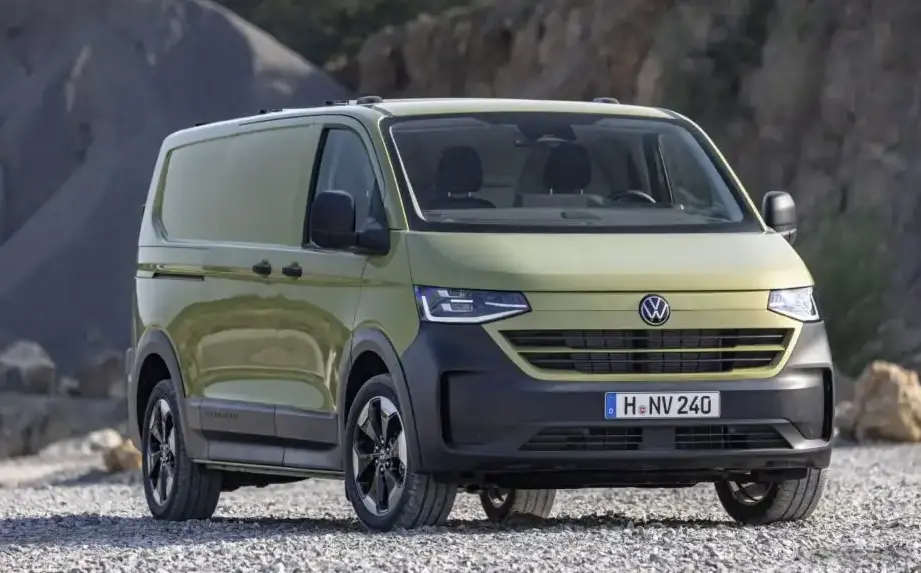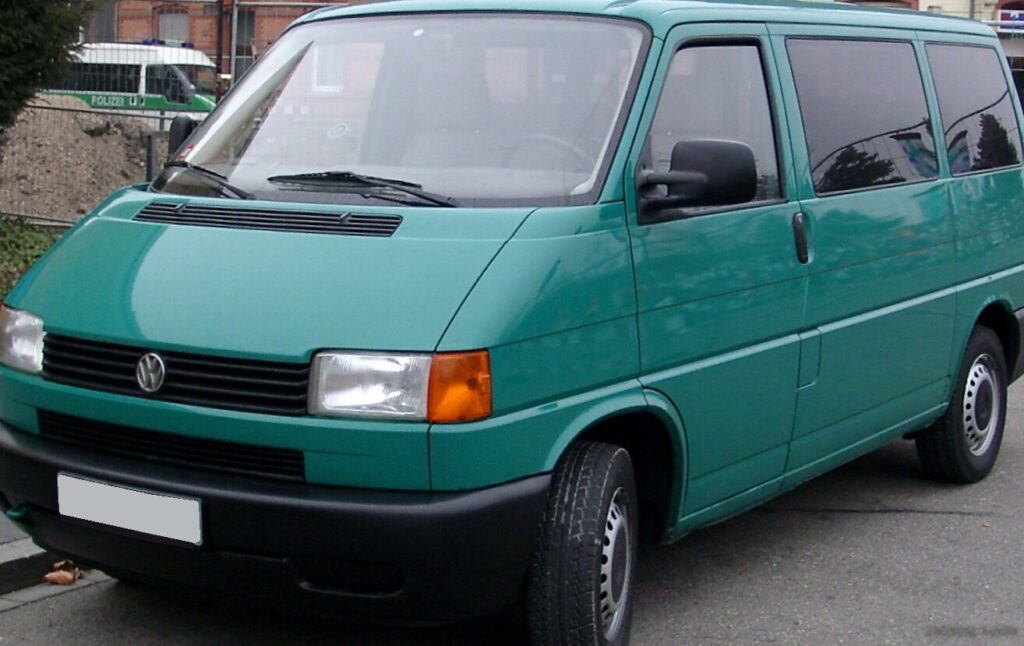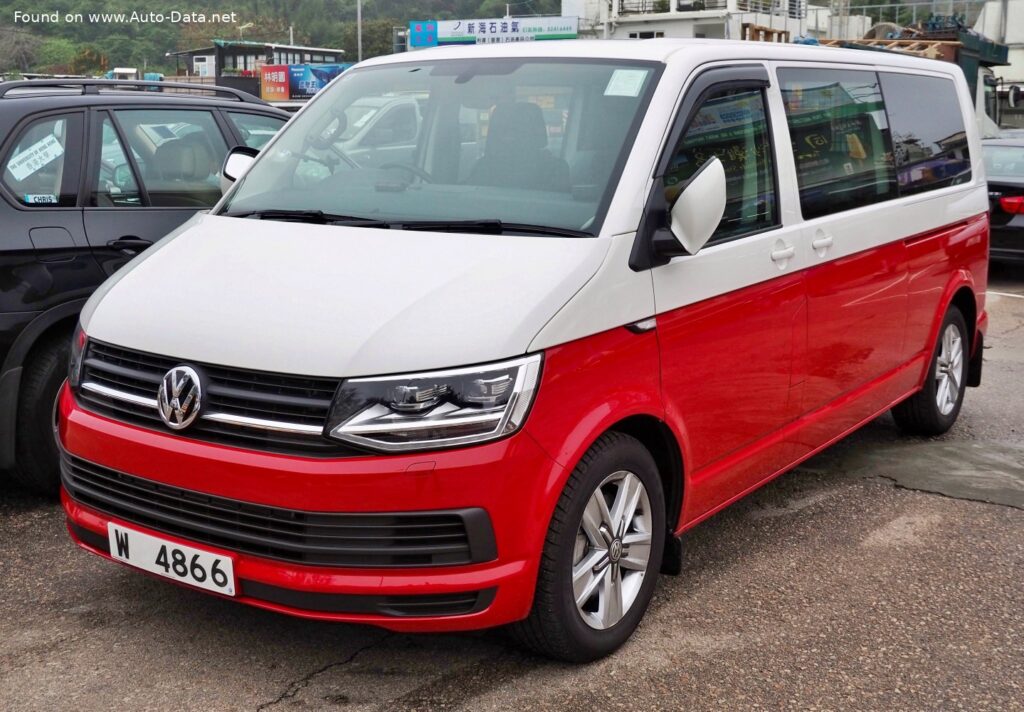
The Volkswagen Transporter, an iconic nameplate with a heritage stretching back to the 1950s, has long been a cornerstone of the light commercial vehicle (LCV) market globally, particularly in Europe. The sixth generation, known as the T6, continued this legacy of versatility and reliability. Introduced in 2015, the T6 built upon the foundations of its highly successful T5 predecessor, offering a refined driving experience, improved efficiency, and updated technology. The specific model under review, the Volkswagen Transporter (T6) Kombi 2.0 TDI (114 Hp) L2H1, represents a practical and robust configuration designed for a blend of passenger transport and cargo hauling, making it a popular choice for businesses, fleet operators, and large families across its primary European and other international markets.
The “Kombi” designation signifies its dual-purpose nature, capable of seating between four and nine occupants while still providing substantial cargo space. The “2.0 TDI” refers to its efficient turbodiesel engine, and “114 Hp” denotes its power output. The “L2H1” specification indicates a long-wheelbase (L2) and standard-height roof (H1) configuration, maximizing interior volume without compromising maneuverability or requiring specialized parking considerations. While the Transporter series has never been a mainstream offering in the United States in this commercial van form, its influence on global automotive design and its reputation for durability are undeniable.
Engine & Performance of the Volkswagen Transporter (T6) Kombi
At the heart of the Volkswagen Transporter (T6) Kombi 2.0 TDI (114 Hp) L2H1 lies Volkswagen’s renowned EA288 / CXHB, CXGC 2.0-liter (1968 cm³) inline-four turbodiesel engine. This powerplant is a testament to modern diesel engineering, prioritizing fuel efficiency and robust low-end torque, which are critical attributes for a utility vehicle. With a power output of 114 horsepower (Hp) delivered between 3200 and 4000 rpm, and a substantial 184.39 lb.-ft. (250 Nm) of torque available from a low 1400 rpm up to 3200 rpm, the engine is optimized for hauling and daily driving demands rather than outright speed. The power per liter stands at a respectable 57.9 Hp/l, showcasing its efficient design.
The engine features a DOHC (Double Overhead Camshaft) valvetrain with four valves per cylinder, a common rail direct fuel injection system, and is boosted by a turbocharger with an intercooler, ensuring optimal combustion and power delivery across a wide rev range. Its compression ratio of 15.5:1 is typical for a modern diesel, contributing to its efficiency. The inclusion of a Start & Stop System and a Particulate filter helps the vehicle meet stringent European emission standards, specifically Euro 6d TEMP-EVAP, highlighting Volkswagen’s commitment to environmental responsibility.
Performance figures reflect the vehicle’s utility-focused design. Acceleration from 0 to 60 mph is achieved in approximately 15.1 seconds, with a maximum speed of 101.28 mph (163 km/h). While not a sprinter, these figures are entirely adequate for a van designed to carry significant loads or multiple passengers on highways and urban roads. Fuel economy is a strong suit for this diesel variant, with combined consumption rated between 31.8 and 35.6 US mpg (6.6-7.4 l/100 km), making it an economical choice for long-distance driving and commercial operations. The 70-liter (18.49 US gal) fuel tank, complemented by a 13-liter (3.43 US gal) AdBlue tank, provides an excellent driving range between fill-ups.
Design & Features of the Transporter (T6) Kombi
The design of the Volkswagen Transporter (T6) Kombi maintains the familiar, functional aesthetic that has defined the series for decades, while incorporating contemporary Volkswagen styling cues. As a van body type, its primary focus is on maximizing interior space and practicality. The L2H1 designation refers to its long wheelbase (3400 mm / 133.86 inches) and standard roof height (1990 mm / 78.35 inches), providing a generous overall length of 5304 mm (208.82 inches) and a width of 1904 mm (74.96 inches, expanding to 2297 mm / 90.43 inches including mirrors). This configuration offers a cavernous maximum trunk (boot) space of 6700 liters (236.61 cu. ft.), making it exceptionally versatile for various applications.
The Kombi variant is particularly notable for its flexible seating arrangement, typically offering between 4 and 9 seats. This adaptability allows it to serve as a shuttle, a crew van for work teams, or a spacious family vehicle, with the ability to reconfigure the interior for larger cargo items when needed. Access to the cabin and cargo area is facilitated by 4-5 doors, often including sliding side doors for ease of loading and passenger entry/exit in tight spaces.
Underneath its practical exterior, the T6 Kombi features a robust and well-engineered chassis. The drivetrain architecture is front-wheel drive, with the engine mounted transversely at the front. The suspension system comprises an independent McPherson setup with coil springs and an anti-roll bar at the front, paired with an independent coil spring, wishbone, and transverse stabilizer at the rear. This setup is designed to provide a comfortable ride, stable handling, and excellent load-carrying capability. Braking is handled by ventilated discs both front (308×29.5 mm) and rear (294×22 mm), supplemented by ABS (Anti-lock Braking System) for enhanced safety. Hydraulic power steering, utilizing a rack and pinion system, ensures precise control, while a minimum turning circle of 13.2 meters (43.31 ft) aids maneuverability in urban environments. The vehicle also boasts a respectable ground clearance of 202 mm (7.95 inches), along with decent approach, departure, and ramp-over angles, hinting at its capability for light off-road or construction site access.
Technical Specifications
| Category | Specification |
| General Information | |
| Brand | Volkswagen |
| Model | Transporter |
| Generation | Transporter (T6) Kombi |
| Type (Engine) | 2.0 TDI (114 Hp) L2H1 |
| Start of production | 2018 year |
| End of production | 2019 year |
| Powertrain Architecture | Internal Combustion engine |
| Body type | Van |
| Seats | 4-9 |
| Doors | 4-5 |
| Performance Specs | |
| Fuel consumption (economy) – urban (NEDC, WLTP equivalent) | 7.9-8.8 l/100 km (26.7 – 29.8 US mpg) |
| Fuel consumption (economy) – extra urban (NEDC, WLTP equivalent) | 5.9-6.7 l/100 km (35.1 – 39.9 US mpg) |
| Fuel consumption (economy) – combined (NEDC, WLTP equivalent) | 6.6-7.4 l/100 km (31.8 – 35.6 US mpg) |
| CO2 emissions (NEDC, WLTP equivalent) | 173-194 g/km |
| Fuel Type | Diesel |
| Acceleration 0 – 60 mph (Calculated) | 15.1 sec |
| Maximum speed | 163 km/h (101.28 mph) |
| Emission standard | Euro 6d TEMP-EVAP |
| Weight-to-power ratio | 15.6 kg/Hp (63.9 Hp/tonne) |
| Weight-to-torque ratio | 7.1 kg/Nm (140.1 Nm/tonne) |
| Engine Specs | |
| Power | 114 Hp @ 3200-4000 rpm |
| Power per liter | 57.9 Hp/l |
| Torque | 250 Nm @ 1400-3200 rpm (184.39 lb.-ft. @ 1400-3200 rpm) |
| Engine layout | Front, Transverse |
| Engine Model/Code | EA288 / CXHB, CXGC |
| Engine displacement | 1968 cm3 (2.0 liters / 120.09 cu. in.) |
| Number of cylinders | 4 |
| Engine configuration | Inline |
| Cylinder Bore | 81 mm (3.19 in.) |
| Piston Stroke | 95.5 mm (3.76 in.) |
| Compression ratio | 15.5:1 |
| Number of valves per cylinder | 4 |
| Fuel injection system | Diesel Commonrail |
| Engine aspiration | Turbocharger, Intercooler |
| Valvetrain | DOHC |
| Engine oil capacity | 7.4 l (7.82 US qt) |
| Engine systems | Start & Stop System, Particulate filter |
| Space, Volume and Weights | |
| Kerb Weight | 1784-2274 kg (3933.05 – 5013.31 lbs.) |
| Max. weight | 2800-3200 kg (6172.94 – 7054.79 lbs.) |
| Max load | 926-1016 kg (2041.48 – 2239.9 lbs.) |
| Trunk (boot) space – maximum | 6700 l (236.61 cu. ft.) |
| Fuel tank capacity | 70 l (18.49 US gal) |
| AdBlue tank | 13 l (3.43 US gal) |
| Max. roof load | 100 kg (220.46 lbs.) |
| Permitted trailer load with brakes (12%) | 2200 kg (4850.17 lbs.) |
| Permitted trailer load without brakes | 750 kg (1653.47 lbs.) |
| Permitted towbar download | 100 kg (220.46 lbs.) |
| Dimensions | |
| Length | 5304 mm (208.82 in.) |
| Width | 1904 mm (74.96 in.) |
| Width including mirrors | 2297 mm (90.43 in.) |
| Height | 1990 mm (78.35 in.) |
| Wheelbase | 3400 mm (133.86 in.) |
| Front overhang | 908 mm (35.75 in.) |
| Rear overhang | 993 mm (39.09 in.) |
| Ride height (ground clearance) | 202 mm (7.95 in.) |
| Minimum turning circle (turning diameter) | 13.2 m (43.31 ft.) |
| Approach angle | 21.2° |
| Departure angle | 16.2° |
| Ramp-over (brakeover) angle | 12.2° |
| Drivetrain, Brakes and Suspension Specs | |
| Drivetrain Architecture | Front wheel drive. Internal Combustion engine. |
| Drive wheel | Front wheel drive |
| Number of gears and type of gearbox | 5 gears, manual transmission |
| Front suspension | Independent, type McPherson with coil spring and anti-roll bar |
| Rear suspension | Independent coil spring, Wishbone, Transverse stabilizer |
| Front brakes | Ventilated discs, 308×29.5 mm |
| Rear brakes | Ventilated discs, 294×22 mm |
| Assisting systems | ABS (Anti-lock braking system) |
| Steering type | Steering rack and pinion |
| Power steering | Hydraulic Steering |
| Tires size | 205/65 R16; 215/65 R16 |
| Wheel rims size | 6.5J x 16 |
Legacy & Market Impact
The Volkswagen Transporter series, often affectionately known as the “Bus” or “Microbus” in its earlier iterations, holds a significant place in automotive history. The T6 generation, including the Volkswagen Transporter (T6) Kombi 2.0 TDI (114 Hp) L2H1, proudly carries this legacy forward, albeit in a more commercially focused and technologically advanced package. In its primary markets, particularly across Europe, the Transporter is revered for its robust build quality, enduring reliability, and exceptional versatility. It has consistently been a top seller in the light commercial vehicle segment, demonstrating its widespread acceptance among diverse user groups.
The T6 Kombi’s reputation stems from its ability to seamlessly transition between demanding commercial duties and comfortable passenger transport. Its efficient diesel powertrains, coupled with a well-designed chassis, contribute to low running costs and a pleasant driving experience, even when fully loaded. The long wheelbase and standard roof height of the L2H1 variant strike an excellent balance, offering substantial cargo volume and passenger space without becoming unwieldy in urban settings or challenging to park. This adaptability makes it an ideal choice for tradespeople, delivery services, hotel shuttles, and large families requiring more space than a conventional minivan.
In the highly competitive European LCV market, the Transporter (T6) faced strong rivals such as the Ford Transit Custom, Mercedes-Benz Vito, Renault Trafic, and Stellantis’s various offerings (e.g., Peugeot Expert/Citroën Jumpy/Opel Vivaro). Despite this fierce competition, the Transporter maintained its strong market position through its brand prestige, perceived quality, and a comprehensive range of configurations and engines. Its residual values tend to remain strong, reflecting its desirability and reliability in the used vehicle market.
The T6 generation’s impact was characterized by its evolution rather than revolution. It refined the successful formula of its predecessors, incorporating modern safety features (though not detailed in the provided data, these were available), connectivity options, and driver-assistance systems that became increasingly common during its production run from 2018 to 2019. Its adherence to stringent emission standards like Euro 6d TEMP-EVAP also underscored Volkswagen’s commitment to environmental performance in the commercial sector. The Volkswagen Transporter (T6) Kombi 2.0 TDI (114 Hp) L2H1, therefore, stands as a prime example of a modern, efficient, and highly capable light commercial vehicle that continues the proud tradition of the Transporter nameplate.