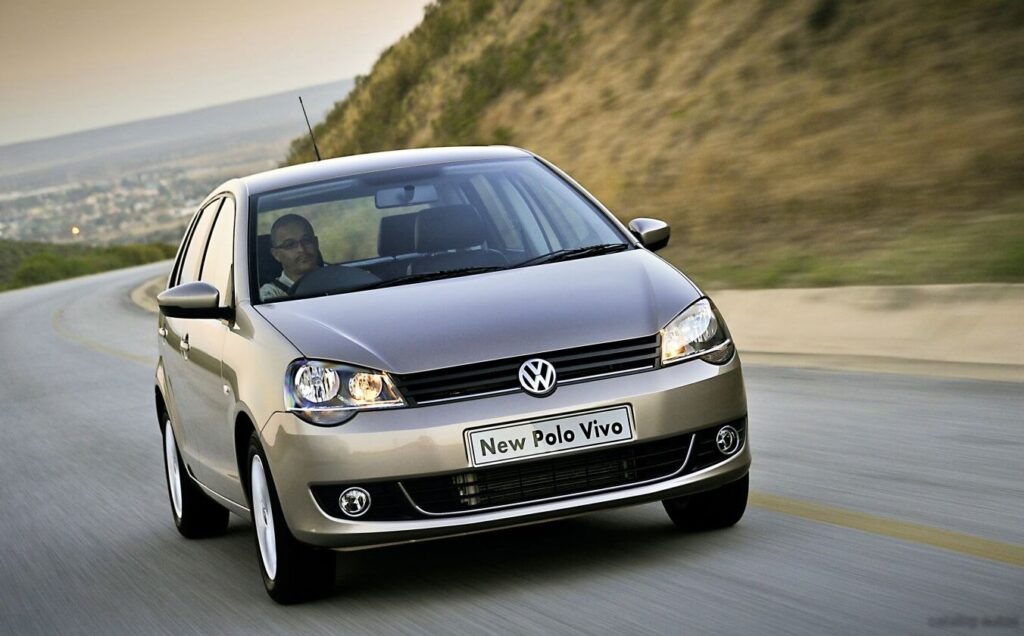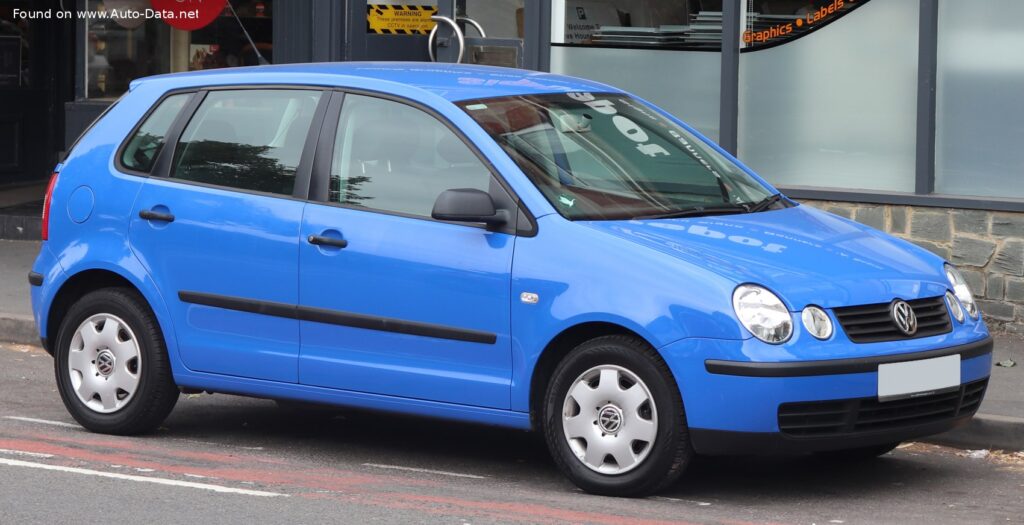
The Volkswagen Polo IV (9N) 1.4 16V (101 Hp) represents a pivotal generation for Volkswagen’s long-running subcompact car. Launched in 2001, the 9N chassis code Polo aimed to elevate the model’s position in the competitive European B-segment, offering improved styling, interior quality, and driving dynamics over previous iterations. While not officially sold in the United States, the Polo has been a cornerstone of Volkswagen’s global strategy, particularly in Europe and Asia, where it serves as a versatile and efficient urban vehicle. This article details the Volkswagen Polo IV (9N) 1.4 16V (101 Hp) variant, produced between 2001 and 2005, examining its technical specifications and market influence.
Engine & Performance: The BBZ Powertrain
The Volkswagen Polo IV (9N) 1.4 16V (101 Hp) was equipped with a naturally aspirated 1.4-liter (1390 cm3 or 84.82 cu. in.) inline four-cylinder gasoline engine, internally designated BBZ. This engine exemplifies Volkswagen’s commitment to balancing performance and fuel economy within a compact package. The engine features a Double Overhead Camshaft (DOHC) valvetrain with four valves per cylinder, producing 101 horsepower at 6000 rpm. This output provided a spirited driving experience for a vehicle of its size and class.
Torque output was rated at 126 Nm (92.93 lb.-ft.) at 4400 rpm, delivering sufficient power for both city driving and highway cruising. Power was transferred to the front wheels via a standard 5-speed manual transmission, a reliable setup common in this segment. This combination enabled the Polo 1.4 16V to accelerate from 0 to 60 mph in 9.5 seconds (0-100 km/h in 10 seconds), reaching a top speed of 116.82 mph (188 km/h). These figures positioned it as a more engaging option within its class, offering a blend of agility and responsiveness.
Fuel efficiency was a key consideration for European buyers. The urban fuel consumption was 9.6 liters per 100 km (24.5 US mpg), while extra-urban driving yielded 5.4 liters per 100 km (43.6 US mpg). With a 45-liter (11.89 US gal) fuel tank, the Polo offered a reasonable driving range, suitable for daily commutes and longer trips. The engine’s 10:1 compression ratio and multi-port fuel injection system ensured efficient combustion and reliable operation, utilizing standard gasoline fuel.
Design & Features: A Sophisticated Subcompact
The Volkswagen Polo IV (9N) represented a stylistic shift from its predecessors, adopting a rounder, more contemporary aesthetic aligned with the design language of the larger Golf. Available in both 3-door and 5-door hatchback configurations, the Polo 9N offered practical versatility. Measuring 147.36 inches (3743 mm) in length, 64.25 inches (1632 mm) in width, and 55.83 inches (1418 mm) in height, it remained a compact car, ideal for navigating congested city streets and tight parking spaces. The 94.76-inch (2407 mm) wheelbase contributed to a stable ride for its size.
The interior accommodated five occupants, a typical configuration for subcompacts, though rear passenger space was limited. Volkswagen prioritized interior quality, utilizing higher-grade materials and an ergonomic layout, giving the Polo a premium feel for its segment. Trunk space was practical, offering 8.65 cu. ft. (245 liters) with the rear seats up, expanding to 34.43 cu. ft. (975 liters) when folded, enhancing its utility for shopping or weekend excursions.
Safety features included standard Antilock Braking System (ABS), a crucial active safety component. The vehicle utilized disc brakes on all four wheels, providing confident stopping power. The suspension system comprised a coil spring setup at the front and a trailing arm design at the rear, a conventional arrangement balancing ride comfort and handling. Steering was managed by a hydraulic rack and pinion system, offering direct and communicative feedback. The car rode on 185/55 R14 tires mounted on 6J x 14 wheel rims, a sensible choice for efficiency and ride quality.
Technical Specifications
| Category | Specification |
|---|---|
| Brand | Volkswagen |
| Model | Polo |
| Generation | Polo IV (9N) |
| Engine Type | 1.4 16V (101 Hp) |
| Production Start | 2001 |
| Production End | 2005 |
| Powertrain Architecture | Internal Combustion Engine |
| Body Type | Hatchback |
| Seats | 5 |
| Doors | 3-5 |
| Fuel Consumption (Urban) | 9.6 l/100 km |
| Fuel Consumption (Extra Urban) | 5.4 l/100 km |
| Fuel Type | Petrol (Gasoline) |
| Acceleration 0-60 mph | 9.5 sec |
| Acceleration 0-100 km/h | 10 sec |
| Maximum Speed | 188 km/h |
| Engine Power | 101 Hp @ 6000 rpm |
| Engine Torque | 126 Nm @ 4400 rpm |
| Engine Displacement | 1390 cm3 |
| Number of Cylinders | 4 |
| Compression Ratio | 10:1 |
| Kerb Weight | 925 kg |
| Trunk Space (minimum) | 245 l |
| Trunk Space (maximum) | 975 l |
| Fuel Tank Capacity | 45 l |
| Length | 3743 mm |
| Width | 1632 mm |
| Height | 1418 mm |
| Wheelbase | 2407 mm |
Legacy & Market Impact
The Volkswagen Polo IV (9N) established a strong presence in the European subcompact market during its 2001-2005 production run. It faced competition from the Ford Fiesta, Opel Corsa, Renault Clio, and Peugeot 206. The Polo differentiated itself through its build quality, refined driving dynamics, and a more upmarket feel.
The 1.4 16V (101 Hp) variant was popular among drivers seeking a more engaging experience without sacrificing practicality and efficiency. Its performance and compact dimensions made it ideal for urban environments and occasional highway travel. The Polo’s robust construction and reliable powertrains also contributed to its strong resale value.
The Polo IV solidified Volkswagen’s position in the B-segment, demonstrating the brand’s ability to deliver a small car with a substantial and premium feel. It set new standards for refinement and safety in its class, influencing subsequent generations of subcompact vehicles. Although never sold in the US, the Polo IV’s global success and engineering principles underscore Volkswagen’s commitment to offering well-engineered, versatile vehicles to an international audience.