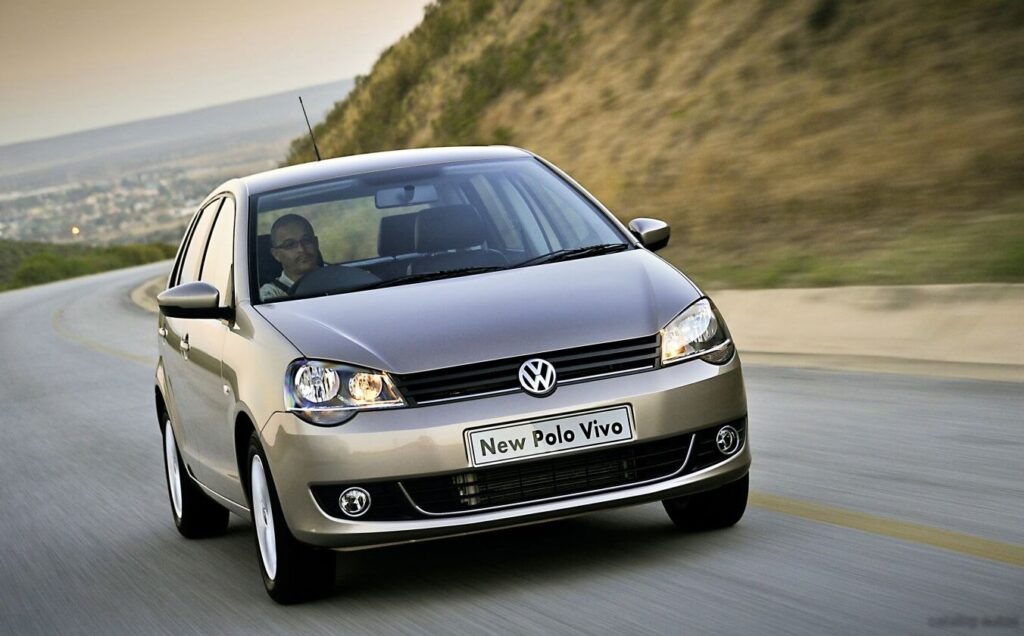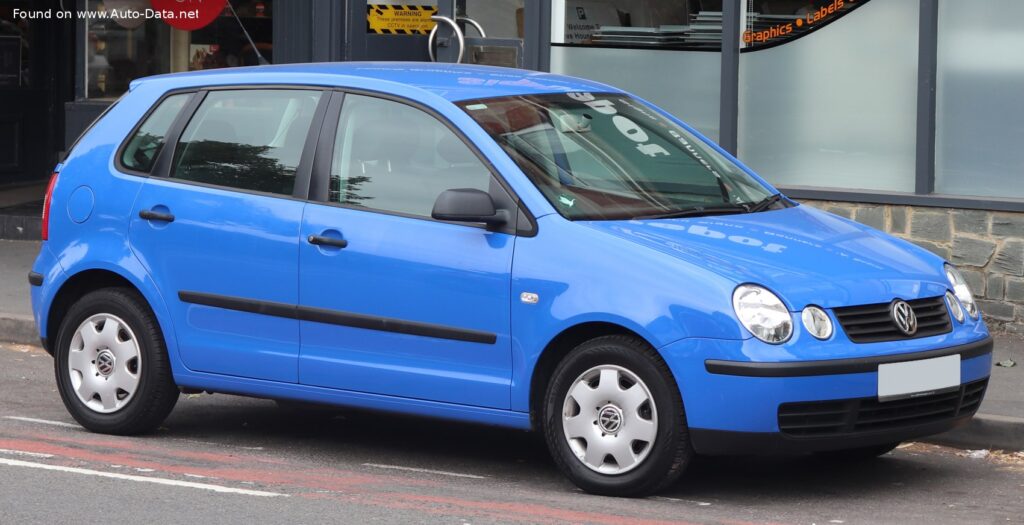
The Volkswagen Polo IV (9N) 1.4 16V (75 Hp) Automatic represents a significant chapter in Volkswagen’s history with supermini (subcompact) vehicles. Launched in 2001, the fourth-generation Polo, internally designated the 9N, built upon the established reputation of the Polo line – a reputation for practicality, build quality, and refined handling within a small package. While not officially offered for sale in the United States, the Polo IV (9N) 1.4 16V Automatic was a popular choice throughout Europe and other international markets, providing reliable and efficient transportation for a wide range of drivers. It competed in a highly demanding segment focused on fuel economy, ease of maneuvering, and affordability.
The Volkswagen Polo 9N: A European Market Staple
The 9N Polo shared its platform architecture with other successful Volkswagen Group vehicles, including the SEAT Ibiza and Skoda Fabia. This platform sharing was a key element of the Volkswagen Group’s strategy for maximizing efficiency and cost-effectiveness in the small car segment. The 1.4 16V Automatic variant specifically targeted drivers seeking a comfortable and convenient driving experience, particularly in urban settings and for longer commutes where ease of use was paramount. It offered a balance between affordability and the perceived quality associated with the Volkswagen brand.
Engine & Performance
The Volkswagen Polo IV (9N) 1.4 16V (75 Hp) Automatic is powered by a naturally aspirated 1.4-liter (1390 cm³) inline-four cylinder gasoline engine. This engine, often identified by engine codes AUA, BBY, or BKY depending on the production year, was designed to prioritize fuel efficiency and smooth power delivery over outright performance. It produced 75 horsepower at 5000 rpm, a respectable figure for a vehicle in its class during the early 2000s. Peak torque of 92.93 lb.-ft. (126 Nm) was available at 3800 rpm, providing sufficient power for typical city driving and maintaining speed on highways.
The engine’s layout was conventional – front-mounted, transverse – and utilized multi-port fuel injection, contributing to its reliability and ease of maintenance. A compression ratio of 10:1 was typical for a naturally aspirated gasoline engine of this era, balancing efficiency and performance. The engine was paired with a 4-speed automatic transmission, prioritizing driver convenience. While not as advanced as modern transmissions with more gears or continuously variable technology, the 4-speed automatic offered a smooth and predictable shifting experience, reducing driver fatigue in stop-and-go traffic.
Performance figures reflected the Polo’s focus on practicality. Acceleration from 0 to 60 mph was estimated at 14.5 seconds, with a top speed of approximately 104.39 mph (168 km/h). These numbers positioned the Polo as a sensible commuter vehicle rather than a performance-oriented hatchback. Fuel economy was a key strength, with estimated urban fuel consumption of 23.1 US mpg and an impressive extra-urban (highway) figure of 40.6 US mpg. Combined with its 11.89 US gallon fuel tank, the Polo offered a commendable driving range, a significant consideration for European buyers.
Design & Features
The Polo IV (9N) featured a more sophisticated and mature design compared to its predecessor, bringing it closer in aesthetic alignment with the larger Volkswagen Golf. It was available in both 3-door and 5-door hatchback body styles, offering seating for up to five passengers. Its compact dimensions – a length of 147.36 inches, a width of 64.25 inches, and a height of 55.83 inches – made it exceptionally maneuverable and easy to park in crowded urban environments, a crucial advantage in its target markets.
Despite its small exterior footprint, the Polo IV was designed to maximize interior space. A wheelbase of 94.76 inches contributed to a surprisingly roomy cabin for its class, providing comfortable seating for front occupants and adequate space for rear passengers on shorter trips. The trunk offered 8.65 cubic feet of storage with the rear seats in place, expanding to a generous 34.43 cubic feet when the rear seats were folded down, providing versatility for shopping or luggage transport.
The suspension system utilized coil springs at the front and a trailing arm suspension at the rear, providing a comfortable ride quality and predictable handling characteristics. Safety features, while not as comprehensive as those found in modern vehicles, included anti-lock brakes (ABS) as an option, and a driver’s airbag was standard equipment. The interior featured a functional and straightforward design, with durable materials and a focus on ergonomics. Air conditioning, power windows, and central locking were available as options, enhancing comfort and convenience.
Technical Specifications
| Engine Type | Inline-4, Naturally Aspirated |
| Engine Displacement | 1.4 Liters (1390 cm³) |
| Horsepower | 75 hp @ 5000 rpm |
| Torque | 92.93 lb.-ft. (126 Nm) @ 3800 rpm |
| Transmission | 4-Speed Automatic |
| Drivetrain | Front-Wheel Drive |
| Compression Ratio | 10:1 |
| Fuel Economy (Urban) | 23.1 US mpg |
| Fuel Economy (Extra-Urban) | 40.6 US mpg |
| Fuel Tank Capacity | 11.89 US gallons |
| Length | 147.36 inches |
| Width | 64.25 inches |
| Height | 55.83 inches |
| Wheelbase | 94.76 inches |
| Curb Weight | 2,381 lbs (1,080 kg) |
| 0-60 mph | 14.5 seconds (estimated) |
| Top Speed | 104.39 mph (168 km/h) |