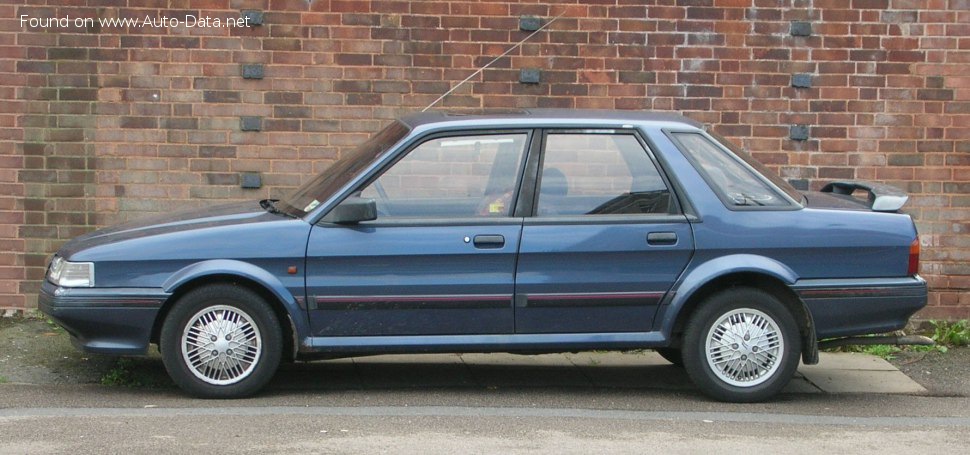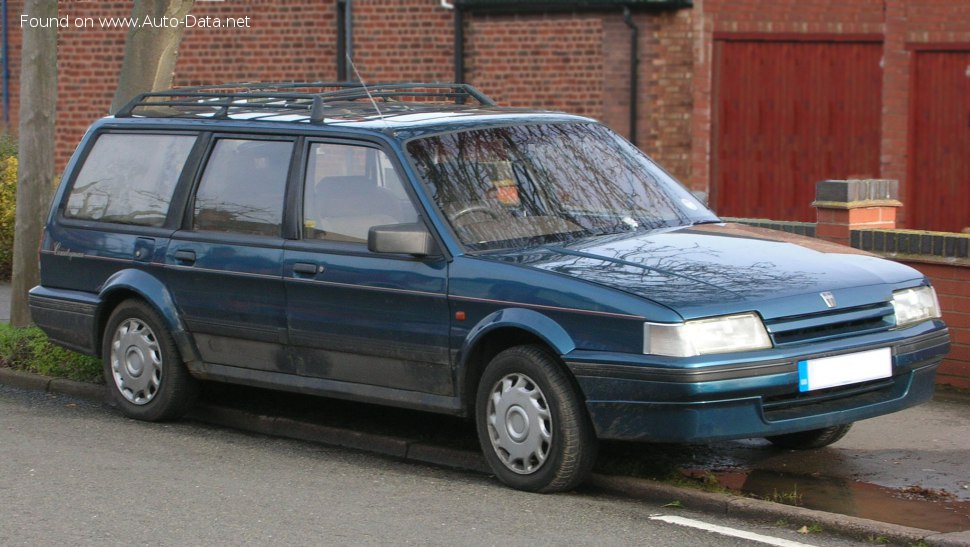
The Rover Montego Estate (XE) 1.3, produced between 1984 and 1988, represents a significant, though ultimately commercially challenged, effort by British Leyland (later Rover Group) to compete in the mid-size family car segment. Positioned as the estate (station wagon) variant of the Montego saloon, it aimed to provide practicality and space for families, while offering a relatively modern design compared to some of its British contemporaries. The XE designation denoted the base trim level, typically equipped with the smaller 1.3-liter engine. The Montego, and its estate derivative, were intended to replace the aging Rover SD1 and Triumph TR7, consolidating Rover’s offerings and streamlining production. However, the Montego faced criticism regarding build quality and refinement, hindering its success in a competitive market dominated by European and Japanese manufacturers.
Rover Montego Estate (XE) 1.3: A Detailed Overview
Origins and Market Context
The Rover Montego was born out of a period of significant restructuring within British Leyland. The company, plagued by industrial unrest and quality control issues, sought to modernize its lineup and improve its market position. The Montego, launched in 1984, was based on the existing Honda Accord platform, a result of the partnership between British Leyland and Honda. While the underlying platform offered a degree of modernity, the Rover’s styling and interior were distinctly British, aiming to appeal to a conservative domestic market. The Estate version, introduced shortly after the saloon, expanded the Montego’s appeal to buyers needing greater cargo capacity. Unlike many European estates, the Montego Estate didn’t achieve widespread popularity outside the UK, remaining primarily a domestic market vehicle. It competed with cars like the Ford Sierra Estate, Vauxhall Cavalier Estate, and later, the more refined offerings from manufacturers like Volvo and Saab.
Engine & Performance
The Rover Montego Estate (XE) 1.3 was powered by a 1.3-liter, naturally aspirated four-cylinder petrol (gasoline) engine. This engine, producing 68 horsepower, was the entry-level powerplant in the Montego range. While adequate for everyday driving, it wasn’t known for its performance. Acceleration was modest, and overtaking required careful planning. The engine was coupled with a four-speed manual gearbox as standard, although an automatic transmission was available as an option. The engine’s design was relatively conventional for the period, featuring a single overhead camshaft and a two-barrel carburetor. Fuel economy, while not exceptional, was reasonable for the time, reflecting the engine’s relatively small displacement. The Montego’s suspension, based on the Honda Accord’s design, provided a comfortable ride, although handling was not particularly sporty. The XE trim level typically featured basic equipment, prioritizing affordability over luxury. The 1.3-liter engine was chosen for its fuel efficiency and lower purchase price, making the XE model accessible to a wider range of buyers. However, it was often criticized for being underpowered, particularly when the vehicle was fully loaded with passengers and luggage.
Design & Features
The Rover Montego Estate’s design was characterized by its boxy, utilitarian shape, typical of estate cars of the 1980s. The extended roofline and large tailgate provided ample cargo space, making it a practical choice for families and those needing to transport bulky items. The front end featured a distinctive grille and headlights, reflecting Rover’s design language of the period. The interior was functional but somewhat dated, even when new. The XE trim level offered cloth upholstery, basic instrumentation, and limited convenience features. Safety features were relatively rudimentary by modern standards, consisting primarily of seatbelts and a collapsible steering column. The Montego Estate’s rear suspension featured a unique ‘hydragas’ system, utilizing fluid-filled spheres instead of conventional coil springs. This system was intended to provide a smooth and comfortable ride, but it was also prone to leaks and required periodic maintenance. The estate body style significantly increased the Montego’s practicality, offering a load capacity of approximately 1,600 liters with the rear seats folded down. The car’s five-door configuration provided easy access for passengers and cargo. While the Montego Estate wasn’t a particularly stylish vehicle, its practicality and affordability made it a viable option for buyers seeking a spacious and reliable family car.
Technical Specifications
| Brand | Rover |
| Model | Montego |
| Generation | Montego Estate (XE) |
| Type (Engine) | 1.3 (68 Hp) |
| Start of production | 1984 |
| End of production | 1988 |
| Powertrain Architecture | Internal Combustion engine |
| Body type | Station wagon (estate) |
| Seats | 5 |
| Doors | 5 |
| Fuel Type | Petrol (Gasoline) |
| Power | 68 Hp |
| Engine aspiration | Naturally aspirated engine |
The Rover Montego Estate (XE) 1.3, despite its shortcomings, represents a significant chapter in British automotive history. It was a product of a challenging era for British Leyland, and its ultimate failure to achieve widespread success reflected the company’s broader struggles with quality and competitiveness. However, the Montego Estate offered a practical and affordable solution for families needing a spacious vehicle, and its unique features, such as the hydragas suspension, demonstrated Rover’s engineering ingenuity. Today, the Montego Estate is a relatively rare sight on the roads, appreciated by enthusiasts as a reminder of a bygone era of British motoring. Its legacy lies not in its commercial success, but in its representation of a determined, if ultimately unsuccessful, attempt to revive a struggling British automotive brand.