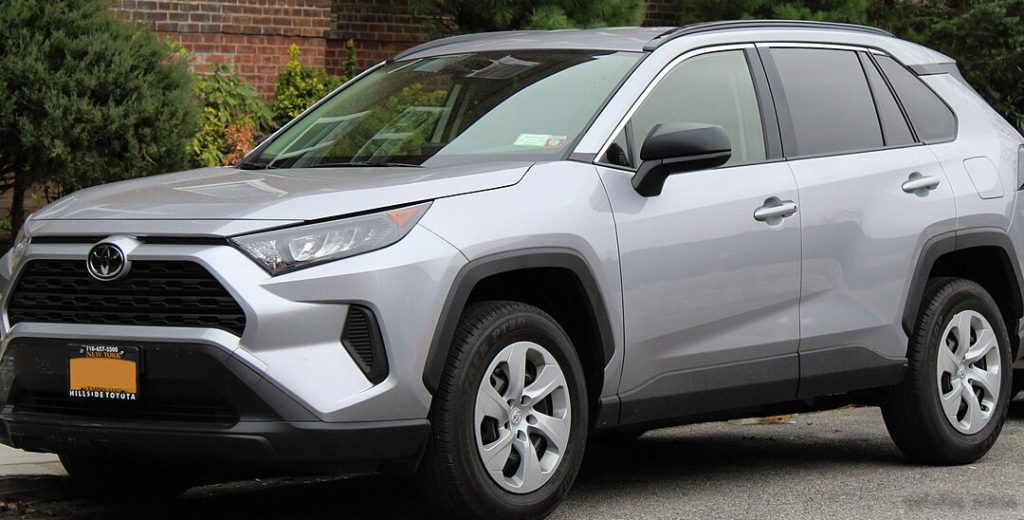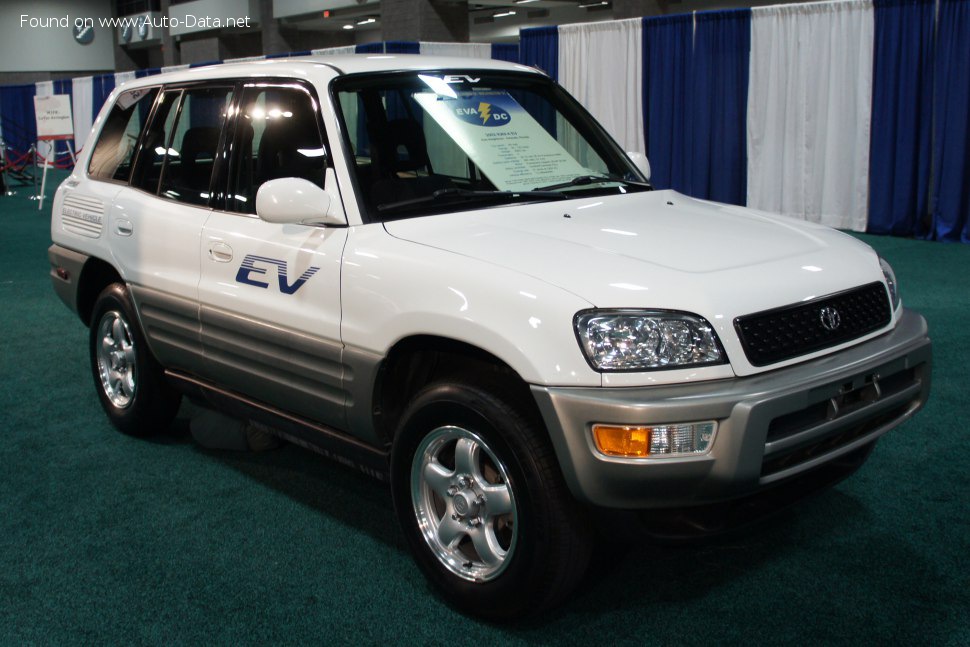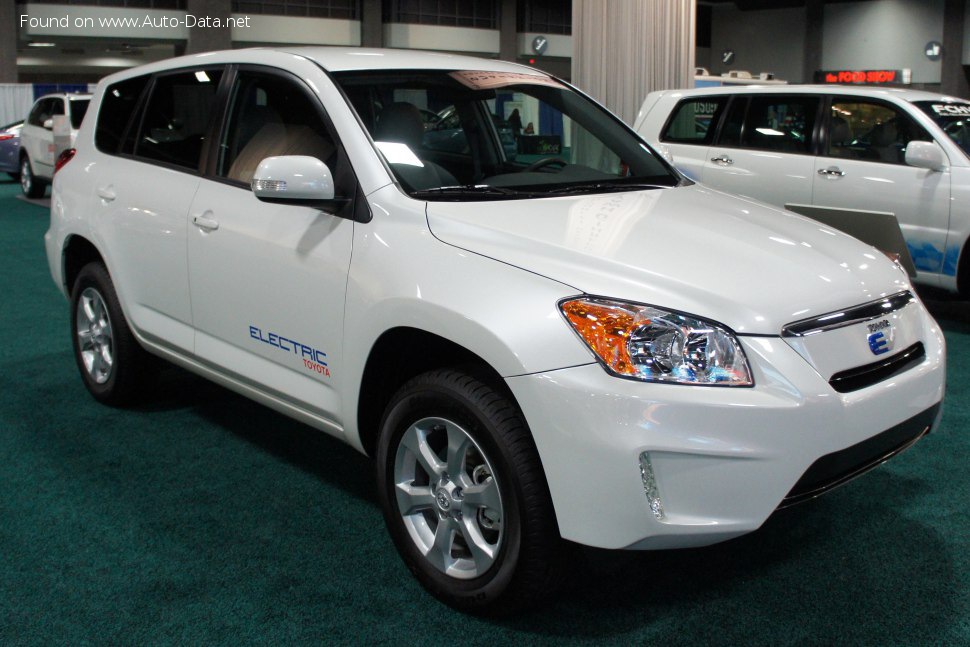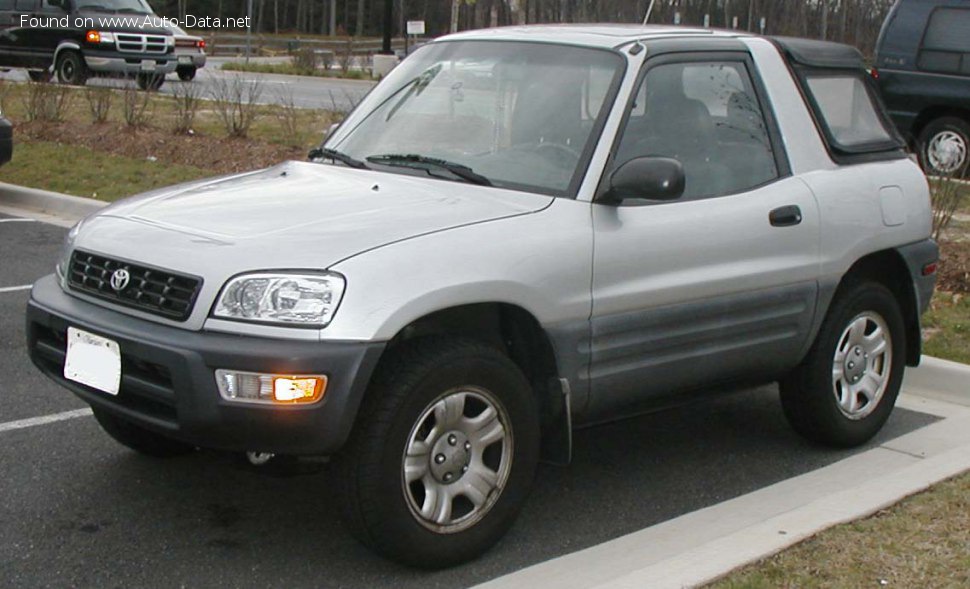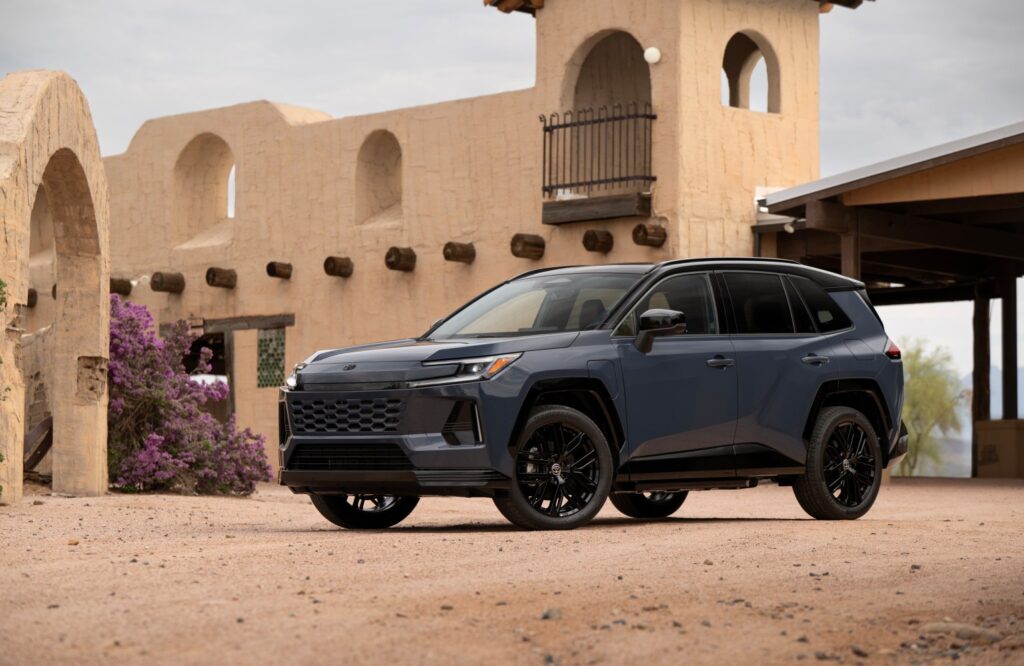
The Toyota RAV4 VI 2.5 (324 Hp) Plug-in Hybrid AWD ECVT, launched in October 2025, represents the latest iteration of Toyota’s popular compact SUV. As the sixth generation of the RAV4, this model builds upon the established reputation for reliability, practicality, and fuel efficiency, while significantly enhancing performance and embracing plug-in hybrid technology. Positioned within the highly competitive compact SUV segment, the RAV4 PHEV aims to appeal to buyers seeking a versatile vehicle with reduced emissions and the convenience of electric driving. While the RAV4 is a global model, the plug-in hybrid variant is particularly important in markets with stringent emissions regulations and incentives for electric vehicle adoption, though it is also available in the United States.
Toyota RAV4 VI: A Detailed Overview
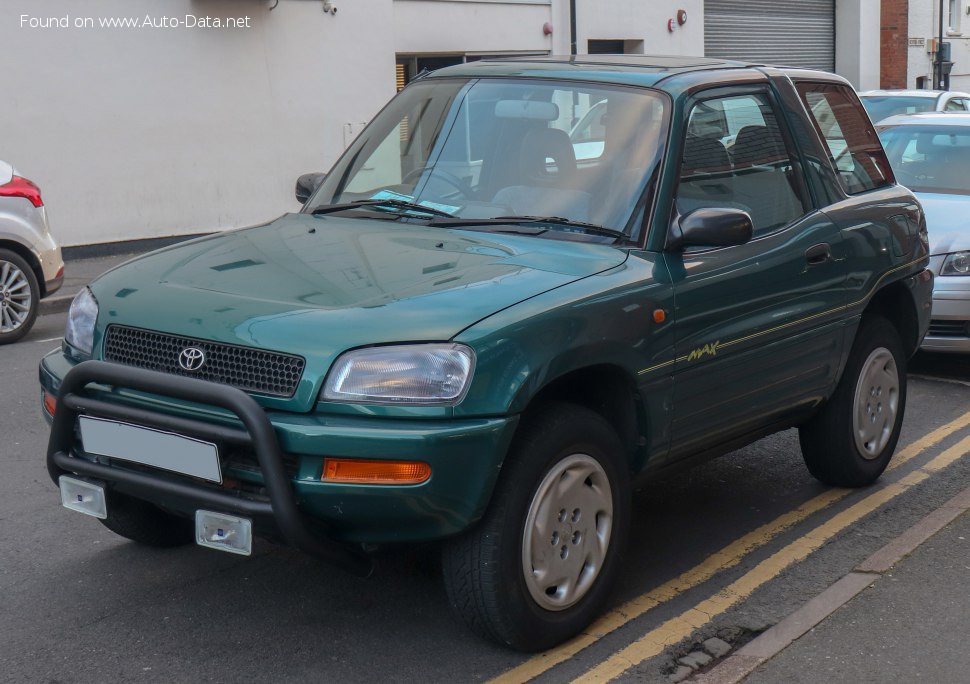
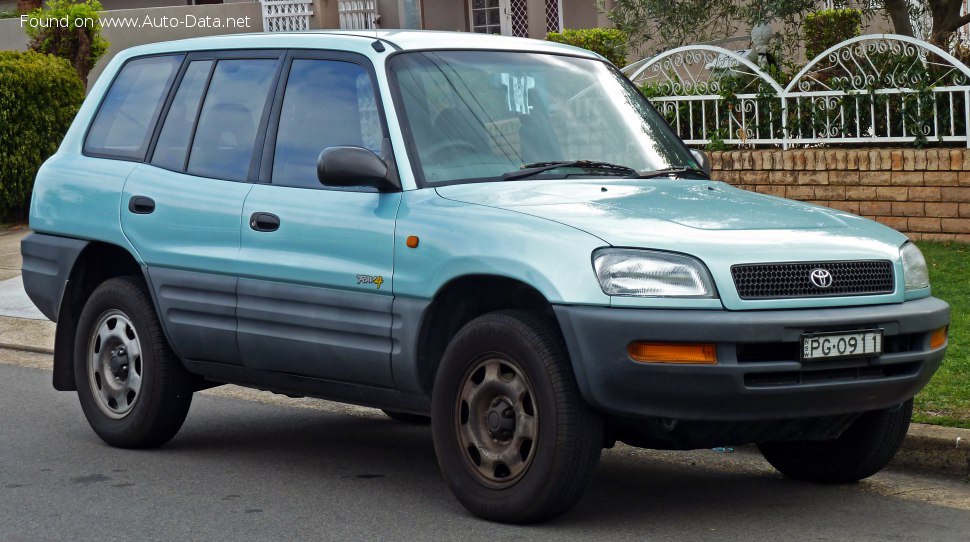
The RAV4 (Recreational Active Vehicle with 4-wheel drive) was initially introduced in 1994, pioneering the compact SUV segment. Each successive generation has refined the formula, and the sixth generation, introduced in 2019, brought a more rugged design and improved interior. The 2.5-liter Plug-in Hybrid AWD ECVT model represents a significant step forward, combining a gasoline engine with electric motors and a substantial battery pack for extended electric-only range and enhanced overall efficiency.
Engine & Performance
The RAV4 VI 2.5 Plug-in Hybrid utilizes Toyota’s Dynamic Force 2.5-liter inline-four cylinder engine (A25A-FXS) producing 186 horsepower at 6000 rpm and 233 Nm (171.85 lb.-ft.) of torque between 4300-4900 rpm. This engine features direct injection and multi-port manifold injection, along with a high compression ratio of 14:1, contributing to improved thermal efficiency. The engine is paired with two electric motors – one integrated into the front transmission delivering 203 Hp and 273 Nm (201.35 lb.-ft.) of torque, and a second electric motor driving the rear axle, producing 123 Nm (90.72 lb.-ft.) of torque. Combined, the system generates a total output of 324 horsepower. Power is delivered to all four wheels via an electronically controlled continuously variable transmission (ECVT). This configuration allows for flexible operation, including full electric driving, hybrid mode, and direct engine power when needed. The weight-to-power ratio is 6.2 kg/Hp, equating to 161 Hp/tonne, and the weight-to-torque ratio is 8.6 kg/Nm, or 115.8 Nm/tonne.
Design & Features
The RAV4 VI maintains the robust and angular exterior styling introduced with the sixth generation. It’s a five-door SUV with seating for five passengers. Key design elements include a prominent grille, sculpted headlights, and a muscular profile. The plug-in hybrid model doesn’t deviate significantly from the standard RAV4’s aesthetic, but may include unique badging and trim elements. Inside, the RAV4 offers a modern and functional cabin. Standard features include a touchscreen infotainment system, smartphone integration, and a suite of advanced driver-assistance systems (ADAS). Safety features are a priority, with standard inclusion of ABS (Anti-lock braking system). The RAV4’s interior prioritizes practicality, with ample passenger space and a versatile cargo area offering between 949 and 1801 liters (33.51 to 63.6 cubic feet) of space depending on the rear seat configuration. The vehicle’s ride height is 206 mm (8.11 inches), providing good ground clearance for light off-road use.
Technical Specifications
| Brand | Toyota |
| Model | RAV4 |
| Generation | RAV4 VI |
| Type (Engine) | 2.5 (324 Hp) Plug-in Hybrid AWD ECVT |
| Start of production | October, 2025 |
| Powertrain Architecture | PHEV (Plug-in Hybrid Electric Vehicle) |
| Body type | SUV |
| Seats | 5 |
| Doors | 5 |
| Fuel consumption (economy) – urban (EPA) | 5.3 l/100 km (44.4 US mpg, 53.3 UK mpg, 18.9 km/l) |
| Fuel consumption (economy) – extra urban (EPA) | 6.2 l/100 km (37.9 US mpg, 45.6 UK mpg, 16.1 km/l) |
| Fuel consumption (economy) – combined (EPA) | 5.7 l/100 km (41.3 US mpg, 49.6 UK mpg, 17.5 km/l) |
| Fuel Type | Petrol / electricity |
| Emission standard | SULEV |
| Weight-to-power ratio | 6.2 kg/Hp (161 Hp/tonne) |
| Weight-to-torque ratio | 8.6 kg/Nm (115.8 Nm/tonne) |
| Gross battery capacity | 22.7 kWh |
| Battery voltage | 240 V |
| Battery technology | Lithium-ion (Li-Ion) |
| All-electric range | 84 km (52.2 mi) |
| Average Energy consumption (WLTP) | 19.6 kWh/100 km (31.54 kWh/100 mi, 107 MPGe, 5.1 km/kWh, 3.2 mi/kWh) |
| Electric motor power | 203 Hp |
| Electric motor Torque | 273 Nm (201.35 lb.-ft.) |
| Electric motor location | Integrated into the transmission |
| Electric motor type | Synchronous |
| Electric motor 2 Torque | 123 Nm (90.72 lb.-ft.) |
| Electric motor 2 location | Rear axle, Transverse |
| Electric motor 2 type | Synchronous |
| System power | 324 Hp |
| Power | 186 Hp @ 6000 rpm |
| Torque | 233 Nm @ 4300-4900 rpm (171.85 lb.-ft. @ 4300-4900 rpm) |
| Engine layout | Front, Transverse |
| Engine Model/Code | Dynamic Force / A25A-FXS |
| Engine displacement | 2487 cm3 (151.77 cu. in.) |
| Number of cylinders | 4 |
| Engine configuration | Inline |
| Cylinder Bore | 87.5 mm (3.44 in.) |
| Piston Stroke | 103.4 mm (4.07 in.) |
| Compression ratio | 14:1 |
| Number of valves per cylinder | 4 |
| Fuel injection system | Direct injection and Multi-port manifold injection |
| Engine aspiration | Naturally aspirated engine |
| Valvetrain | DOHC, VVT-iE, VVT-i |
| Engine oil capacity | 4.5 l (4.76 US qt | 3.96 UK qt) |
| Kerb Weight | 2012-2059 kg (4435.7 – 4539.32 lbs.) |
| Max. weight | 2508 kg (5529.19 lbs.) |
| Max load | 449-496 kg (989.88 – 1093.49 lbs.) |
| Trunk (boot) space – minimum | 949 l (33.51 cu. ft.) |
| Trunk (boot) space – maximum | 1801 l (63.6 cu. ft.) |
| Fuel tank capacity | 55 l (14.53 US gal | 12.1 UK gal) |
| Permitted trailer load with brakes (12%) | 1588 kg (3500.94 lbs.) |
| Permitted towbar download | 159 kg (350.53 lbs.) |
| Length | 4597 mm (180.98 in.) |
| Width | 1854 mm (72.99 in.) |
| Height | 1699 mm (66.89 in.) |
| Wheelbase | 2690 mm (105.91 in.) |
| Ride height (ground clearance) | 206 mm (8.11 in.) |
| Minimum turning circle (turning diameter) | 11.2 m (36.75 ft.) |
| Approach angle | 19° |
| Departure angle | 23° |
| Drivetrain Architecture | An Internal combustion engine (ICE) drives the front wheels, one electric motor drives the front wheels, one electric motor drives the rear wheels. There is an ability for running in full electric or mixed mode. |
| Drive wheel | All wheel drive (4×4) |
| Number of gears and type of gearbox | automatic transmission ECVT |
| Front suspension | Independent, type McPherson with coil spring and anti-roll bar |
| Rear suspension | Independent multi-link spring suspension with stabilizer |
| Front brakes | Ventilated discs, 328 mm |
| Rear brakes | Ventilated discs, 315 mm |
| Steering type | Steering rack and pinion |
| Power steering | Electric Steering |
| Tires size | 235/60 R18; 235/50 R20 |
| Wheel rims size | 7.5J x 18; 7.5J x 20 |