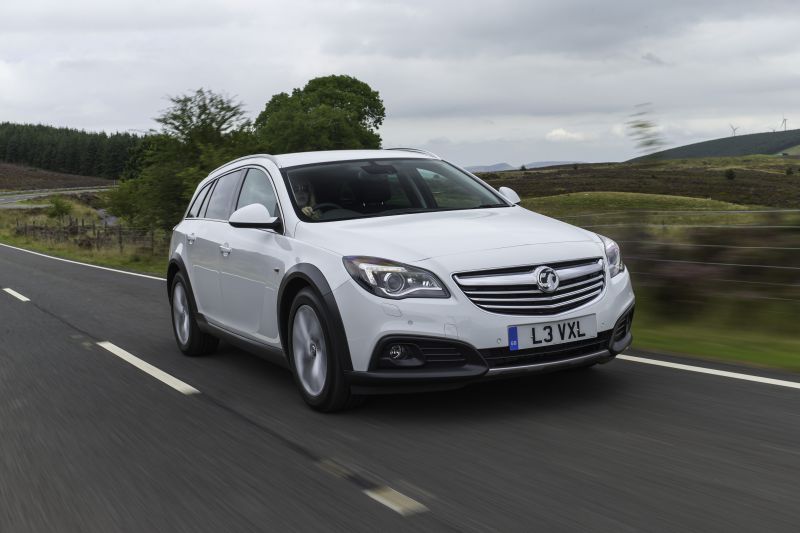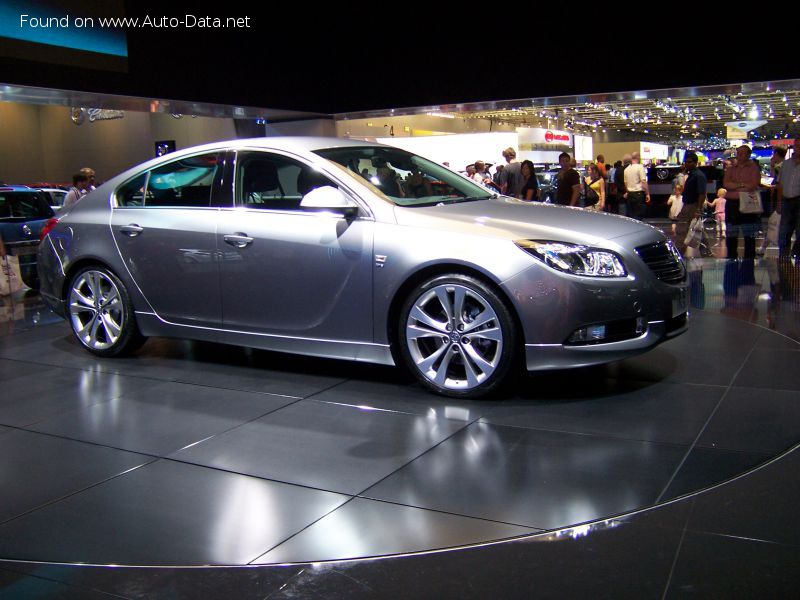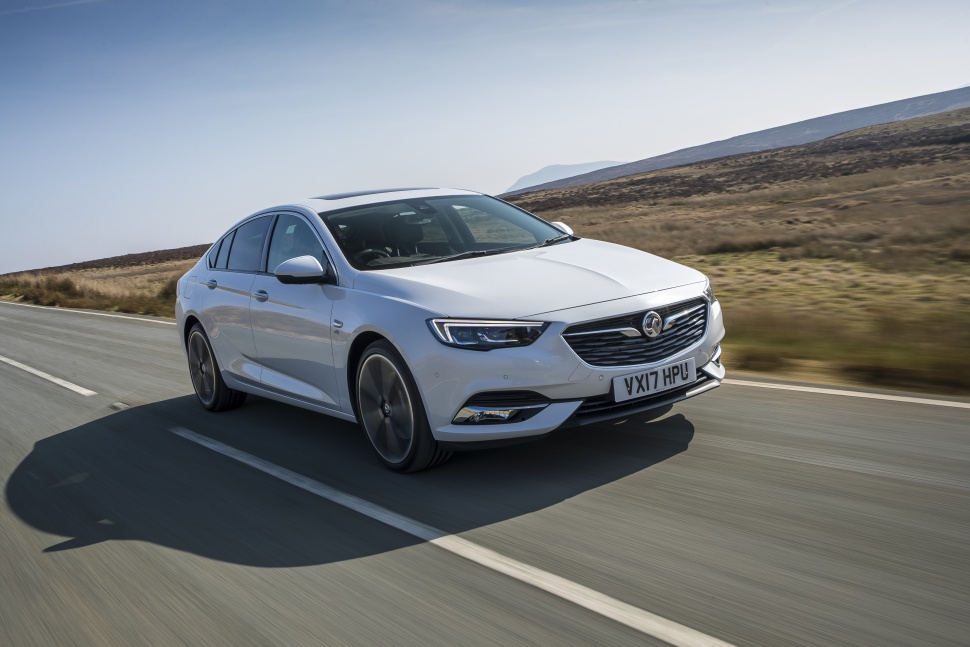
The Vauxhall Insignia II Grand Sport 2.0 BiTurbo D, produced from 2017 to 2019, represents a significant evolution in Vauxhall’s (and Opel’s, its sister brand) mid-size vehicle offerings. Positioned as a stylish and practical liftback, the Insignia II aimed to compete with established players like the Ford Mondeo, Volkswagen Passat, and Mazda 6. This particular variant, equipped with a 2.0-liter BiTurbo diesel engine and all-wheel drive, focused on delivering a blend of performance, efficiency, and all-weather capability. While Vauxhall is a British brand, the Insignia was primarily designed for the European market, offering a more premium feel and advanced technology compared to its predecessors.
Vauxhall Insignia II Grand Sport: Overview
The Insignia II Grand Sport marked a departure from the more conservative styling of the original Insignia. The liftback body style, characterized by a sloping rear roofline, provided a more dynamic and contemporary appearance. The “Grand Sport” designation indicated a focus on interior space and comfort, aiming to provide a spacious cabin for passengers and ample cargo capacity. The 2.0 BiTurbo D model was a flagship trim, offering a powerful and refined diesel engine paired with an advanced all-wheel-drive system for enhanced traction and handling.
Engine & Performance
At the heart of the Insignia II Grand Sport 2.0 BiTurbo D lies a 1.956-liter inline-four cylinder diesel engine, designated the B20DTR. This engine utilizes a sophisticated BiTurbo setup – two turbochargers working in sequence – to deliver a potent 210 horsepower at 4000 rpm and a substantial 480 Newton-meters (354.03 lb.-ft.) of torque from as low as 1500 rpm. This configuration provides strong acceleration and effortless cruising, making it well-suited for long-distance journeys. The engine features a diesel commonrail fuel injection system and a Double Overhead Camshaft (DOHC) valvetrain, contributing to its efficiency and responsiveness. Power per liter is rated at 107.4 hp/l. The engine is paired with an eight-speed automatic transmission, which provides smooth and efficient gear changes. All-wheel drive (AWD) is standard, enhancing grip and stability, particularly in adverse weather conditions. The vehicle achieves a maximum speed of 232 km/h (144.16 mph). Fuel economy is rated at 6.9 to 7.6 liters per 100 kilometers (34.1 to 30.9 US mpg), and CO2 emissions are 176 g/km, meeting Euro 6d-TEMP emission standards. The engine also incorporates a Start & Stop system and a particulate filter to further reduce emissions.
Design & Features
The Insignia II Grand Sport boasts a sleek and modern liftback design. Its dimensions – 4897 mm (192.8 in.) in length, 1863 mm (73.35 in.) in width, and 1455 mm (57.28 in.) in height – provide a spacious interior without feeling overly large. The wheelbase of 2829 mm (111.38 in.) contributes to a comfortable ride. Key design features include a prominent front grille, sculpted headlights, and a sloping roofline that enhances its aerodynamic profile (drag coefficient of 0.26). Inside, the Insignia II Grand Sport offers a well-appointed cabin with comfortable seating for five passengers. The liftback configuration provides a generous 490 liters (17.3 cu. ft.) of trunk space, which expands to 1450 liters (51.21 cu. ft.) with the rear seats folded down. Standard features included electric power steering, ABS (Anti-lock braking system), and a range of safety systems. The vehicle also offers a maximum roof load of 100 kg (220.46 lbs.) and a permitted trailer load of up to 1805 kg (3979.34 lbs) with brakes.
Technical Specifications
| Brand | Vauxhall |
| Model | Insignia |
| Generation | Insignia II Grand Sport |
| Type (Engine) | 2.0 BiTurbo D (210 Hp) AWD Automatic |
| Start of production | 2017 |
| End of production | 2019 |
| Powertrain Architecture | Internal Combustion engine |
| Body type | Liftback |
| Seats | 5 |
| Doors | 5 |
| Fuel consumption (combined) | 6.9-7.6 l/100 km (34.1 – 30.9 US mpg) |
| CO2 emissions | 176 g/km |
| Fuel Type | Diesel |
| Maximum speed | 232 km/h (144.16 mph) |
| Emission standard | Euro 6d-TEMP |
| Power | 210 Hp @ 4000 rpm |
| Power per litre | 107.4 Hp/l |
| Torque | 480 Nm @ 1500 rpm (354.03 lb.-ft. @ 1500 rpm) |
| Engine layout | Front, Transverse |
| Engine Model/Code | B20DTR |
| Engine displacement | 1956 cm3 (119.36 cu. in.) |
| Number of cylinders | 4 |
| Engine configuration | Inline |
| Number of valves per cylinder | 4 |
| Fuel injection system | Diesel Commonrail |
| Engine aspiration | BiTurbo, Intercooler |
| Valvetrain | DOHC |
| Engine oil capacity | 4.9 l (5.18 US qt | 4.31 UK qt) |
| Coolant | 5.9 l (6.23 US qt | 5.19 UK qt) |
| Max. weight | 2340 kg (5158.82 lbs.) |
| Trunk (boot) space – minimum | 490 l (17.3 cu. ft.) |
| Trunk (boot) space – maximum | 1450 l (51.21 cu. ft.) |
| Fuel tank capacity | 62 l (16.38 US gal | 13.64 UK gal) |
| AdBlue tank | 15 l (3.96 US gal | 3.3 UK gal) |
| Max. roof load | 100 kg (220.46 lbs.) |
| Permitted trailer load with brakes (12%) | 1805 kg (3979.34 lbs.) |
| Permitted trailer load without brakes | 750 kg (1653.47 lbs.) |
| Length | 4897 mm (192.8 in.) |
| Width | 1863 mm (73.35 in.) |
| Width including mirrors | 2093 mm (82.4 in.) |
| Height | 1455 mm (57.28 in.) |
| Wheelbase | 2829 mm (111.38 in.) |
| Front overhang | 990 mm (38.98 in.) |
| Rear overhang | 1078 mm (42.44 in.) |
| Drag coefficient (Cd) | 0.26 |
| Minimum turning circle (turning diameter) | 11.5 m (37.73 ft.) |
| Drive wheel | All wheel drive (4×4) |
| Number of gears and type of gearbox | 8 gears, automatic transmission |
| Front suspension | Independent, type McPherson with coil spring and anti-roll bar |
| Rear suspension | Independent multi-link suspension |
| Front brakes | Ventilated discs, 321 mm |
| Rear brakes | Disc, 315 mm |
| Assisting systems | ABS (Anti-lock braking system) |
| Steering type | Steering rack and pinion |
| Power steering | Electric Steering |
| Tires size | 245/55 R18 |
| Wheel rims size | 18 |
The Vauxhall Insignia II Grand Sport 2.0 BiTurbo D offered a compelling package for buyers seeking a stylish, practical, and capable mid-size vehicle. Its blend of performance, efficiency, and advanced technology made it a competitive contender in the European market.