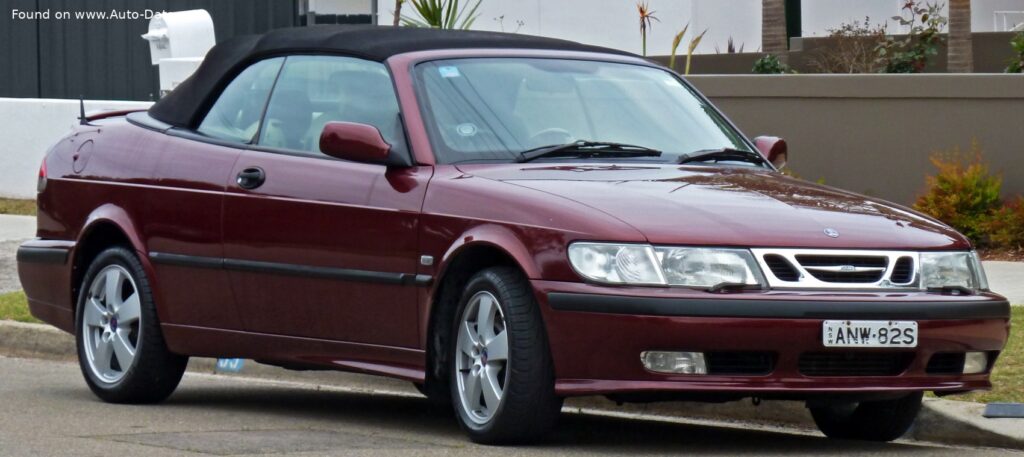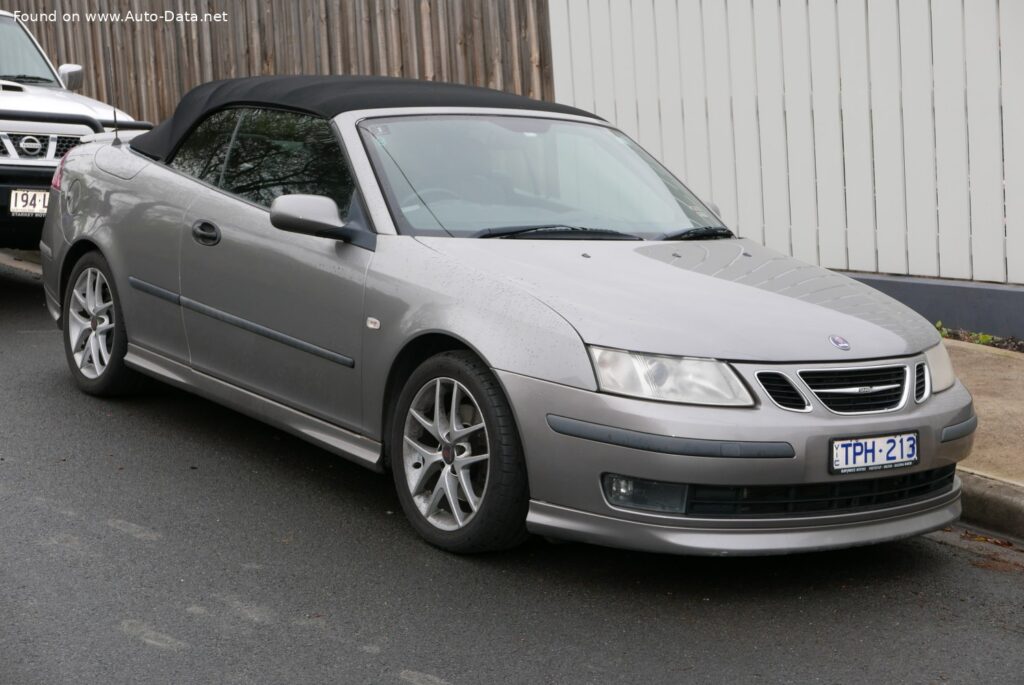
The Saab 9-3 Convertible II 2.0 T (210 Hp), produced between 2002 and 2007, represents a significant iteration in Saab’s lineage of open-top vehicles. This model, a four-seater cabriolet with two doors, was primarily marketed in Europe as a premium compact convertible, offering a blend of Scandinavian design, turbocharged performance, and a focus on driver engagement. While Saab never achieved mainstream success in the US market, the 9-3 Convertible II aimed to appeal to buyers seeking an alternative to more common German and British offerings. It built upon the foundation of the original 9-3 Convertible, introducing refinements in styling, technology, and overall refinement.
Saab 9-3 Convertible II: A Detailed Overview
The 9-3 Convertible II occupied a niche segment, competing with vehicles like the BMW 3 Series Convertible, Audi A4 Cabriolet, and Volvo C70. Saab differentiated itself through its distinctive styling, prioritizing functionality and a unique driving experience. The second-generation convertible benefited from increased structural rigidity compared to its predecessor, improving handling and reducing scuttle shake – a common issue in convertibles. The 2.0 T variant, equipped with a 2.0-liter turbocharged engine, was a popular choice, balancing performance with reasonable fuel economy.
Engine & Performance
At the heart of the Saab 9-3 Convertible II 2.0 T lies the B207R, a 1.998-liter (121.93 cubic inches) inline-four cylinder engine. This engine is characterized by its turbocharging and intercooling, which allows it to produce 210 horsepower at 5500 rpm and 300 Nm (221.27 lb.-ft.) of torque at 2300 rpm. This configuration delivers a power-to-liter ratio of 105.1 hp/l. The engine utilizes multi-port fuel injection and a double overhead camshaft (DOHC) valvetrain with four valves per cylinder. The combination of turbocharging and a relatively small displacement results in strong mid-range acceleration. Performance figures include a 0-60 mph time of approximately 7.6 seconds and a top speed of 230 km/h (142.92 mph). The engine’s weight-to-power ratio is 7.6 kg/Hp, and the weight-to-torque ratio is 5.3 kg/Nm. The engine requires 6 liters (6.34 US quarts) of oil and 7.5 liters (7.93 US quarts) of coolant.
Design & Features
The Saab 9-3 Convertible II boasts a classic cabriolet design, featuring a power-operated soft top that retracts into the rear compartment. The exterior styling incorporates Saab’s signature design cues, including a wraparound windshield and a distinctive front grille. The interior is designed with a focus on ergonomics and functionality, offering comfortable seating for four passengers. Key features included ABS (Anti-lock Braking System) as a standard safety feature. The car’s dimensions are 4635 mm (182.48 inches) in length, 1762 mm (69.37 inches) in width, and 1434 mm (56.46 inches) in height, with a wheelbase of 2675 mm (105.31 inches). The trunk offers a minimum of 235 liters (8.3 cubic feet) of storage space, expanding to 352 liters (12.43 cubic feet) with the rear seats folded down. The fuel tank capacity is 62 liters (16.38 US gallons). The kerb weight of the vehicle is 1590 kg (3505.35 lbs), with a maximum permissible weight of 1980 kg (4365.15 lbs) and a maximum load capacity of 390 kg (859.8 lbs).
Technical Specifications
| Brand | Saab |
| Model | 9-3 |
| Generation | 9-3 Convertible II |
| Type (Engine) | 2.0 T (210 Hp) |
| Start of production | 2002 |
| End of production | 2007 |
| Powertrain Architecture | Internal Combustion engine |
| Body type | Cabriolet |
| Seats | 4 |
| Doors | 2 |
| Fuel consumption (combined) | 9 l/100 km |
| Fuel consumption (US mpg) | 26.1 US mpg |
| Fuel consumption (UK mpg) | 31.4 UK mpg |
| Fuel consumption (km/l) | 11.1 km/l |
| Fuel Type | Petrol (Gasoline) |
| Acceleration 0 – 100 km/h | 8 sec |
| Acceleration 0 – 62 mph | 8 sec |
| Acceleration 0 – 60 mph | 7.6 sec |
| Maximum speed | 230 km/h (142.92 mph) |
| Weight-to-power ratio | 7.6 kg/Hp |
| Weight-to-torque ratio | 5.3 kg/Nm |
| Power | 210 Hp @ 5500 rpm |
| Power per litre | 105.1 Hp/l |
| Torque | 300 Nm @ 2300 rpm (221.27 lb.-ft. @ 2300 rpm) |
| Engine layout | Front, Transverse |
| Engine Model/Code | B207R |
| Engine displacement | 1998 cm3 (121.93 cu. in.) |
| Number of cylinders | 4 |
| Engine configuration | Inline |
| Cylinder Bore | 86 mm (3.39 in.) |
| Piston Stroke | 86 mm (3.39 in.) |
| Compression ratio | 9.5:1 |
| Number of valves per cylinder | 4 |
| Fuel injection system | Multi-port manifold injection |
| Engine aspiration | Turbocharger, Intercooler |
| Valvetrain | DOHC |
| Engine oil capacity | 6 l (6.34 US qt | 5.28 UK qt) |
| Coolant | 7.5 l (7.93 US qt | 6.6 UK qt) |
| Kerb Weight | 1590 kg (3505.35 lbs.) |
| Max. weight | 1980 kg (4365.15 lbs.) |
| Max load | 390 kg (859.8 lbs.) |
| Trunk (boot) space – minimum | 235 l (8.3 cu. ft.) |
| Trunk (boot) space – maximum | 352 l (12.43 cu. ft.) |
| Fuel tank capacity | 62 l (16.38 US gal | 13.64 UK gal) |
| Length | 4635 mm (182.48 in.) |
| Width | 1762 mm (69.37 in.) |
| Height | 1434 mm (56.46 in.) |
| Wheelbase | 2675 mm (105.31 in.) |
| Front track | 1524 mm (60 in.) |
| Rear (Back) track | 1506 mm (59.29 in.) |
| Drivetrain Architecture | Front wheel drive |
| Number of gears and type of gearbox | 5 gears, manual transmission |
| Front suspension | Spring Strut |
| Rear suspension | Coil spring |
| Front brakes | Ventilated discs |
| Rear brakes | Disc |
| Assisting systems | ABS (Anti-lock braking system) |
| Steering type | Steering rack and pinion |
| Tires size | 215/50 R17 |
| Wheel rims size | 17 |
The Saab 9-3 Convertible II 2.0 T, despite Saab’s eventual demise, remains a fondly remembered vehicle for its unique character and enjoyable driving experience. It represents a high point in Saab’s engineering and design philosophy, offering a compelling alternative in the competitive convertible market.