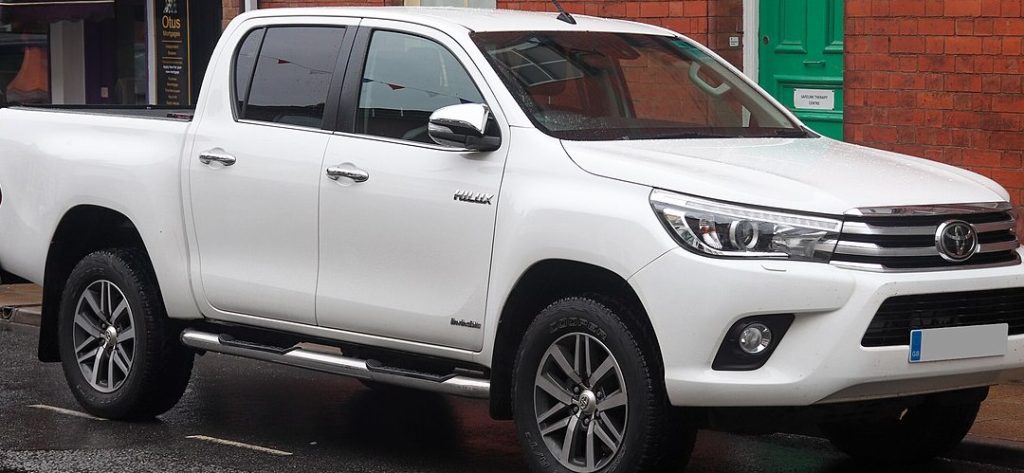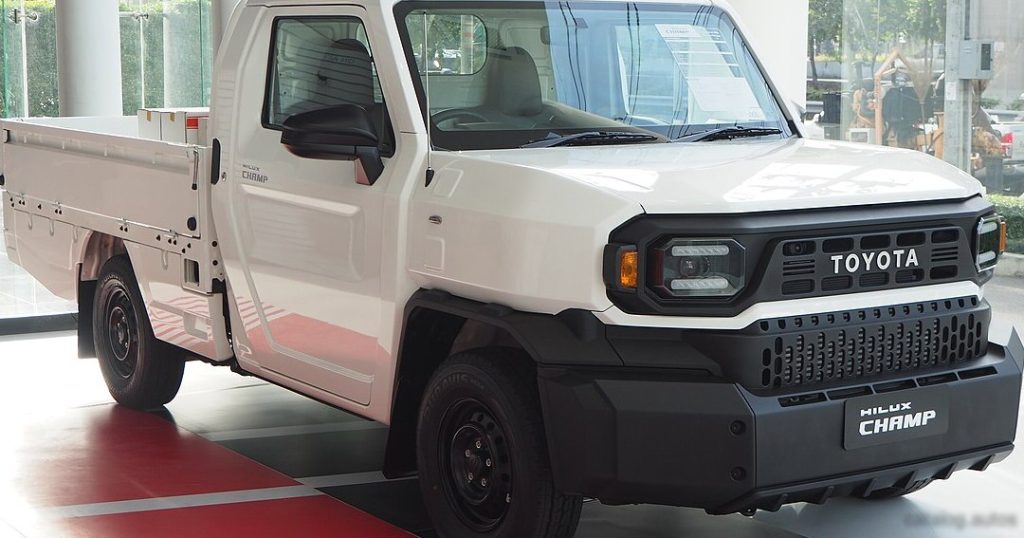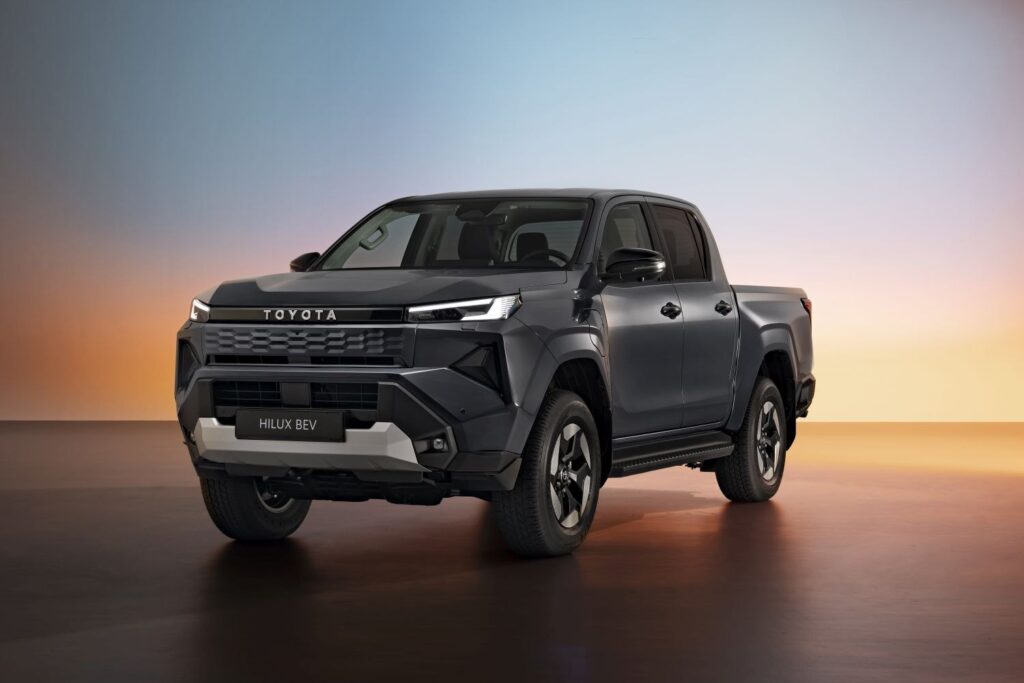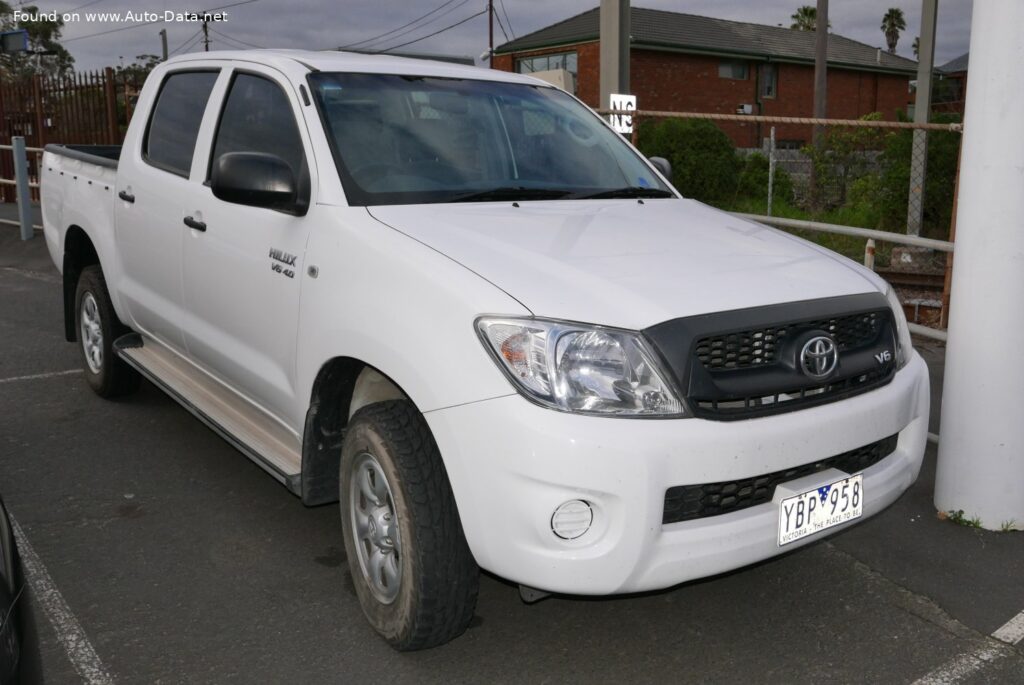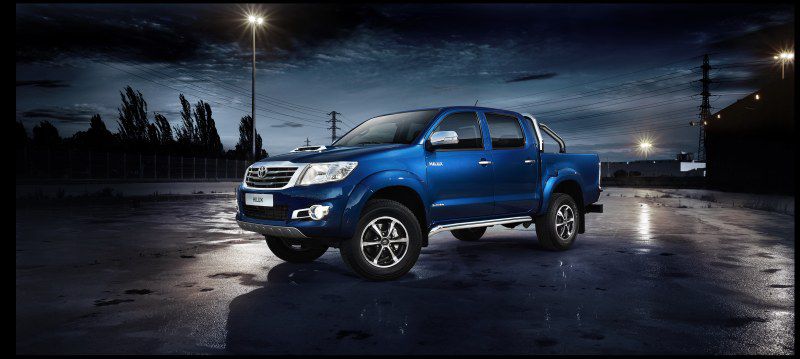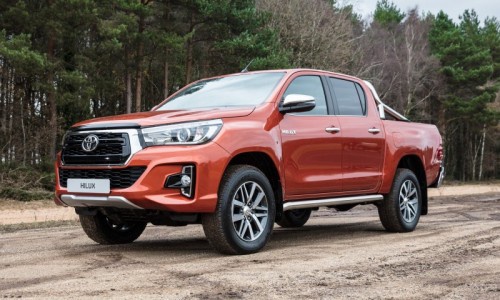
The Toyota Hilux Double Cab VIII (facelift 2017) 2.4d (150 Hp) 4×4 Automatic represents a significant iteration of Toyota’s globally renowned pickup truck. Introduced in November 2017 and continuing through June 2020, this version of the Hilux catered primarily to markets outside of North America, where the Hilux has historically been a dominant force in the mid-size pickup segment. The “Double Cab” designation indicates a four-door configuration, offering seating for five passengers, distinguishing it from the standard single-cab and extended-cab Hilux models. This facelift brought styling updates and refinements to the already robust and reliable Hilux platform, solidifying its reputation as a workhorse vehicle capable of handling demanding conditions.
Toyota Hilux Double Cab VIII: A Global Workhorse
The Hilux, in its various iterations, has been a cornerstone of Toyota’s lineup since its introduction in 1968. The eighth generation, launched in 2016, brought a more modern aesthetic and improved capabilities. The 2017 facelift focused on enhancing the vehicle’s appeal with revised front-end styling, interior upgrades, and improved safety features. While not directly sold in the United States, the Hilux occupies a similar market niche as trucks like the Toyota Tacoma, Ford Ranger, and Chevrolet Colorado, offering a blend of practicality, durability, and off-road capability. Its popularity in regions like Australia, Europe, Asia, and Latin America stems from its reputation for reliability and its ability to withstand harsh environments.
Engine & Performance
Powering the Hilux Double Cab VIII 2.4d is Toyota’s 2GD-FTV 2.4-liter inline-four diesel engine. This engine produces 150 horsepower at 3400 rpm and 400 Nm (295.02 lb.-ft.) of torque between 1600 and 2000 rpm. The engine utilizes a turbocharger with intercooling and a diesel common rail fuel injection system to optimize performance and fuel efficiency. The longitudinal engine layout contributes to a balanced weight distribution. The power-to-weight ratio is 12.8 kg/Hp, or 78.3 Hp/tonne, while the torque-to-weight ratio is 4.8 kg/Nm, or 208.9 Nm/tonne. This configuration provides ample low-end torque, making it well-suited for towing, hauling, and navigating challenging terrain. The engine is paired with a six-speed automatic transmission, delivering smooth and efficient power delivery. The engine’s displacement is 2393 cm3 (146.03 cu. in.), and it features a compression ratio of 15.6:1 and a DOHC valvetrain with four valves per cylinder.
Design & Features
The Toyota Hilux Double Cab VIII is a four-door pickup truck designed to balance passenger comfort with cargo-carrying capability. Its body-on-frame construction provides a robust and durable platform. The 2017 facelift included updates to the front grille, headlights, and bumper, giving the Hilux a more contemporary appearance. Inside, the cabin offers seating for five occupants and features a functional layout with durable materials. Key features include an anti-lock braking system (ABS) for enhanced safety, hydraulic power steering for ease of maneuverability, and a spacious cargo bed for hauling. The vehicle’s dimensions are substantial, with a length of 5330 mm (209.84 in), a width of 1855 mm (73.03 in), and a height of 1815 mm (71.46 in). The wheelbase measures 3085 mm (121.46 in), providing a stable and comfortable ride. The Hilux boasts a kerb weight ranging from 1915 to 2045 kg (4221.85 – 4508.45 lbs) and a maximum load capacity of 955-1085 kg (2105.41 – 2392.02 lbs). It is equipped with 265/65 R17 tires mounted on 7.5J x 17 inch wheel rims.
Technical Specifications
| Brand | Toyota |
| Model | Hilux |
| Generation | Hilux Double Cab VIII (facelift 2017) |
| Type (Engine) | 2.4d (150 Hp) 4×4 Automatic |
| Start of production | November, 2017 |
| End of production | June, 2020 |
| Powertrain Architecture | Internal Combustion engine |
| Body type | Pick-up |
| Seats | 5 |
| Doors | 4 |
| Fuel Type | Diesel |
| Weight-to-power ratio | 12.8 kg/Hp |
| Weight-to-torque ratio | 4.8 kg/Nm |
| Power | 150 Hp @ 3400 rpm |
| Power per litre | 62.7 Hp/l |
| Torque | 400 Nm @ 1600-2000 rpm / 295.02 lb.-ft. @ 1600-2000 rpm |
| Engine layout | Front, Longitudinal |
| Engine Model/Code | 2GD-FTV |
| Engine displacement | 2393 cm3 / 146.03 cu. in. |
| Number of cylinders | 4 |
| Engine configuration | Inline |
| Cylinder Bore | 92 mm / 3.62 in. |
| Piston Stroke | 90 mm / 3.54 in. |
| Compression ratio | 15.6:1 |
| Number of valves per cylinder | 4 |
| Fuel injection system | Diesel Commonrail |
| Engine aspiration | Turbocharger, Intercooler |
| Valvetrain | DOHC |
| Engine oil capacity | 7.5 l / 7.93 US qt | 6.6 UK qt |
| Coolant | 7.9 l / 8.35 US qt | 6.95 UK qt |
| Kerb Weight | 1915-2045 kg / 4221.85 – 4508.45 lbs. |
| Max. weight | 3000 kg / 6613.87 lbs. |
| Max load | 955-1085 kg / 2105.41 – 2392.02 lbs. |
| Fuel tank capacity | 80 l / 21.13 US gal | 17.6 UK gal |
| Permitted trailer load with brakes (12%) | 3000 kg / 6613.87 lbs. |
| Permitted trailer load without brakes | 750 kg / 1653.47 lbs. |
| Length | 5330 mm / 209.84 in. |
| Width | 1855 mm / 73.03 in. |
| Height | 1815 mm / 71.46 in. |
| Wheelbase | 3085 mm / 121.46 in. |
| Front track | 1535 mm / 60.43 in. |
| Rear (Back) track | 1550 mm / 61.02 in. |
| Front overhang | 1000 mm / 39.37 in. |
| Rear overhang | 1245 mm / 49.02 in. |
| Drive wheel | All wheel drive (4×4) |
| Number of gears and type of gearbox | 6 gears, automatic transmission |
| Front suspension | Double wishbone |
| Rear suspension | Double wishbone |
| Front brakes | Ventilated discs |
| Rear brakes | Drum |
| Assisting systems | ABS (Anti-lock braking system) |
| Steering type | Steering rack and pinion |
| Power steering | Hydraulic Steering |
| Tires size | 265/65 R17 |
| Wheel rims size | 7.5J x 17 |
The Toyota Hilux Double Cab VIII (facelift 2017) 2.4d 4×4 Automatic remains a popular choice for those seeking a durable, reliable, and capable pickup truck, particularly in markets where its strengths are highly valued. Its blend of practicality, performance, and off-road prowess ensures its continued relevance in the competitive mid-size pickup segment.