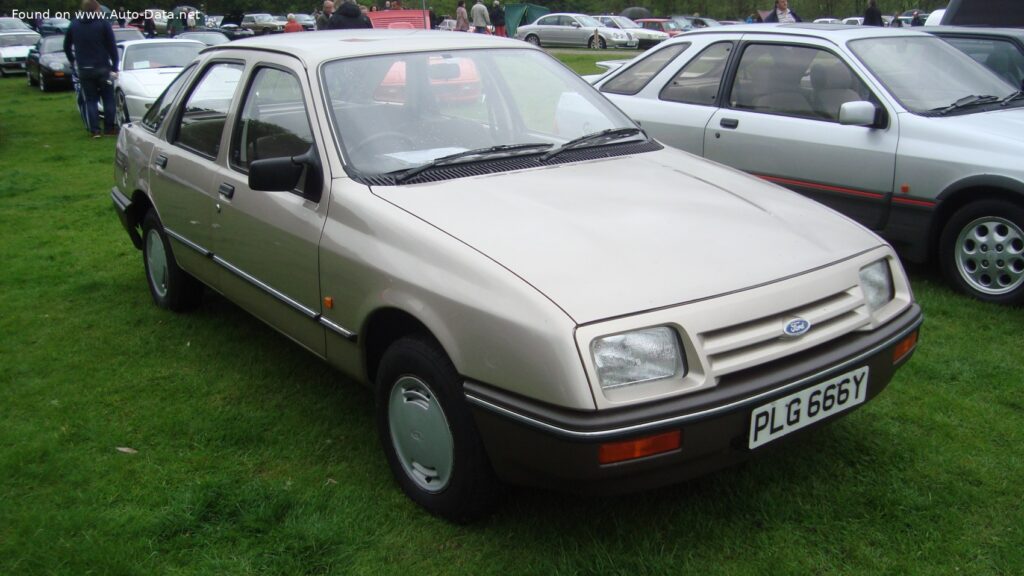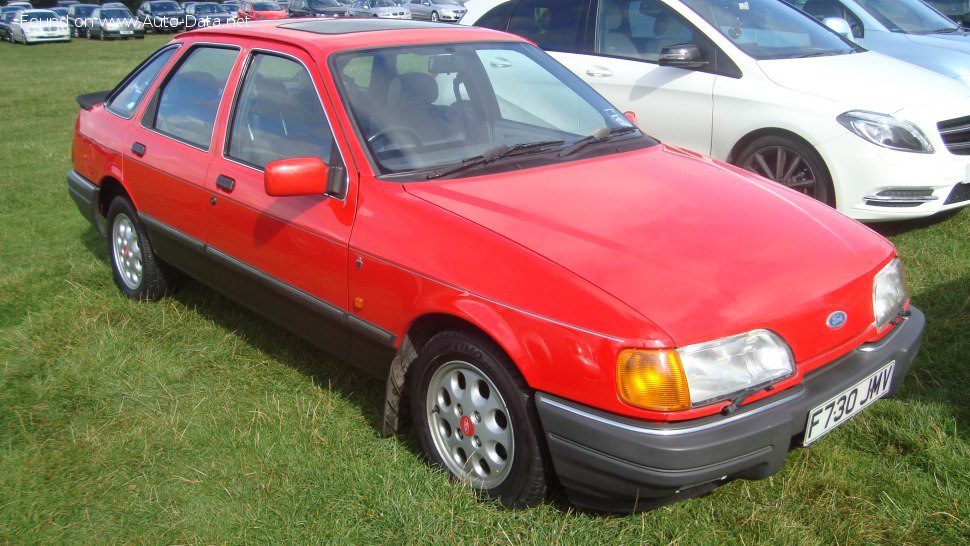
The Ford Sierra, particularly the Hatchback II 1.6 (75 Hp) model produced between 1987 and 1993, represents a pivotal moment in Ford of Europe’s history. Replacing the aging Cortina, the Sierra was a thoroughly modern design for its time, embracing aerodynamic styling and a new platform. While never officially sold in the United States, the Sierra was a hugely popular family car throughout Europe, competing with models like the Vauxhall/Opel Astra and Volkswagen Jetta. The Hatchback II 1.6 offered a practical and affordable entry point into the Sierra range, prioritizing fuel efficiency and everyday usability over outright performance. It marked a shift towards more contemporary automotive engineering and design within Ford’s European lineup.
The Ford Sierra Hatchback II 1.6: A European Staple
The Sierra’s introduction in 1982 was a significant departure from the traditional, boxy designs of its predecessors. Its sleek, aerodynamic profile, penned under the direction of Uwe Bahnsen, was influenced by the Ford aerodynamic research cars of the late 1970s. The Hatchback II, launched in 1987, represented a mid-cycle refresh, incorporating subtle styling updates and improvements to the interior. The 1.6-liter engine variant was positioned as the mainstream choice, appealing to buyers seeking a balance between economy and practicality. The Sierra’s rear-wheel-drive layout was a defining characteristic, offering a different driving experience compared to the increasingly common front-wheel-drive vehicles of the era. This configuration, while providing good handling balance, also presented packaging challenges, contributing to the Sierra’s relatively spacious interior.
Engine & Performance
The Ford Sierra Hatchback II 1.6 was powered by a naturally aspirated 1.6-liter inline-four cylinder petrol (gasoline) engine. This engine produced 75 horsepower, providing adequate, though not exceptional, performance for everyday driving. The engine was known for its reliability and relatively low maintenance costs. Power was delivered to the rear wheels via a five-speed manual transmission, the standard configuration for this model. The rear-wheel-drive setup contributed to a balanced chassis and predictable handling characteristics, favored by enthusiasts. While acceleration figures were modest by modern standards, the Sierra 1.6 offered sufficient power for comfortable cruising and overtaking on European roads. The engine’s simplicity and durability made it a popular choice for fleet operators and private buyers alike. Fuel economy was a key consideration for buyers in this segment, and the 1.6-liter engine delivered respectable figures for its time.
Design & Features
The Sierra Hatchback II’s five-door body style offered a practical and versatile solution for families. The hatchback configuration provided easy access to the cargo area, enhancing its usability. The interior was functional and reasonably well-equipped, although it prioritized practicality over luxury. The dashboard layout was straightforward, with clearly labeled controls. Seating for five passengers was standard, although rear-seat space was somewhat limited. Safety features were relatively basic by today’s standards, reflecting the automotive safety regulations of the late 1980s and early 1990s. However, the Sierra did incorporate features such as seatbelts and a reinforced safety cell. The exterior design, while aerodynamic, was relatively understated, with a focus on functionality rather than flamboyant styling. The Sierra’s design represented a significant step forward for Ford of Europe, moving away from the more traditional aesthetics of the Cortina and embracing a more modern and streamlined appearance. The car’s relatively lightweight construction contributed to its fuel efficiency and handling agility.
Technical Specifications
| Brand | Ford |
| Model | Sierra |
| Generation | Sierra Hatchback II |
| Type (Engine) | 1.6 (75 Hp) |
| Start of production | 1987 |
| End of production | 1993 |
| Powertrain Architecture | Internal Combustion engine |
| Body type | Hatchback |
| Seats | 5 |
| Doors | 5 |
| Fuel Type | Petrol (Gasoline) |
| Power | 75 Hp |
| Engine aspiration | Naturally aspirated engine |
| Fuel tank capacity | 60 l / 15.85 US gal / 13.2 UK gal |
| Length | 4425 mm / 174.21 in. |
| Width | 1694 mm / 66.69 in. |
| Height | 1407 mm / 55.39 in. |
| Wheelbase | 2608 mm / 102.68 in. |
| Front track | 1452 mm / 57.17 in. |
| Rear track | 1468 mm / 57.8 in. |
| Minimum turning circle | 10 m / 32.81 ft. |
| Drivetrain Architecture | Internal Combustion engine (ICE) drives the rear wheels |
| Drive wheel | Rear wheel drive |
| Number of gears | 5 |
| Type of gearbox | Manual transmission |
| Front brakes | Disc |
| Rear brakes | Drum |
The Ford Sierra, and specifically the Hatchback II 1.6, played a crucial role in modernizing Ford’s European offerings. While it didn’t reach American shores, its impact on the European automotive landscape was significant. The Sierra’s blend of practicality, affordability, and relatively modern design made it a popular choice for families and fleet operators. Its rear-wheel-drive layout, while becoming less common, provided a distinctive driving experience that appealed to enthusiasts. The Sierra ultimately paved the way for the Ford Mondeo, which continued to build on the Sierra’s success and became one of Ford’s best-selling models in Europe.