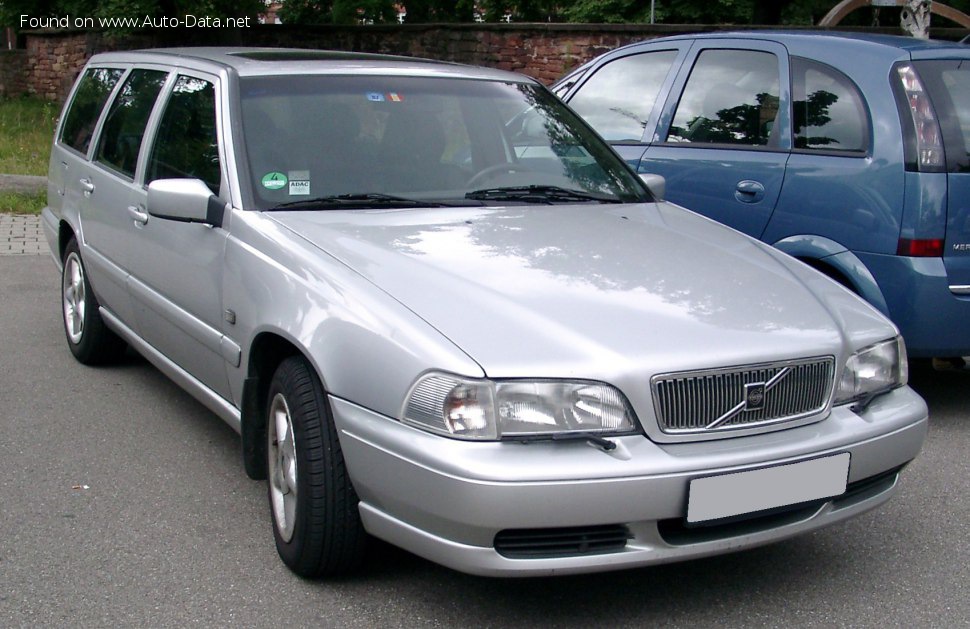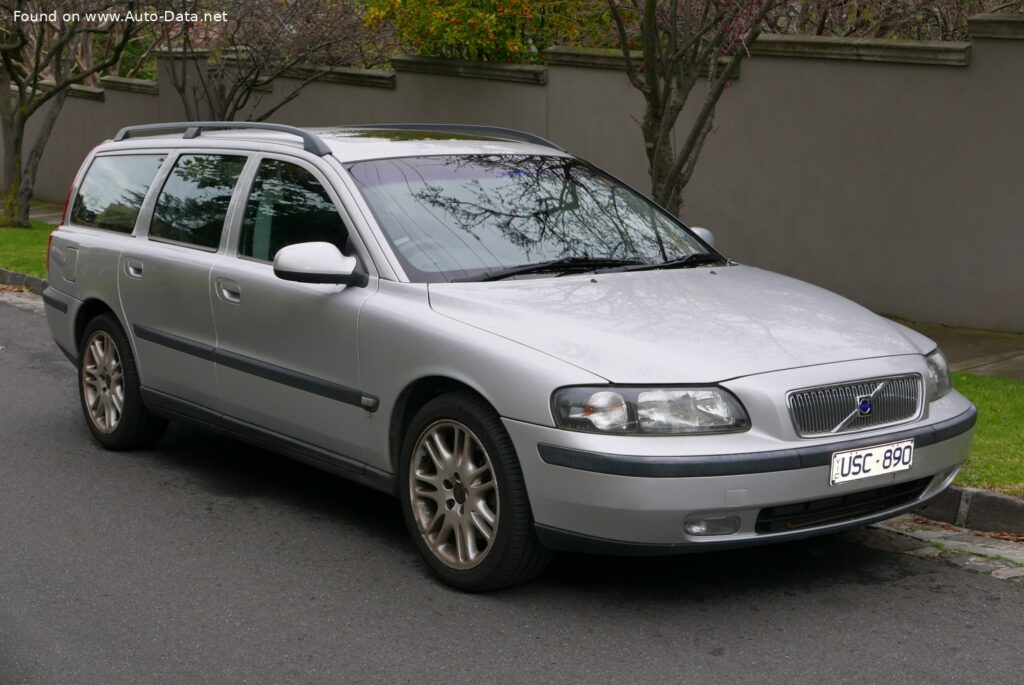
The Volvo V70 II 2.4, produced between 2000 and 2004, represents the second generation of Volvo’s popular station wagon, known as the V70. This model occupied a crucial position in Volvo’s lineup as a premium, family-oriented vehicle, primarily marketed in Europe. While not directly sold in the United States during this generation, the V70’s design and engineering principles heavily influenced Volvo’s offerings in the North American market. The V70 II aimed to blend practicality, safety, and Scandinavian design aesthetics, offering a compelling alternative to more mainstream estate cars.
Volvo V70 II 2.4: A Detailed Overview
The V70 II built upon the success of its predecessor, offering increased space, improved refinement, and enhanced safety features. It was positioned as a versatile vehicle capable of handling both daily commuting and long-distance family journeys. The 2.4-liter engine variant, producing 140 horsepower, was a common choice, balancing fuel efficiency with adequate performance for typical driving conditions. The V70 II competed with other premium wagons such as the Audi Avant, BMW Touring, and Mercedes-Benz Estate.
Engine & Performance
The Volvo V70 II 2.4 is powered by a 2.4-liter inline five-cylinder gasoline engine, designated the B5244S2. This naturally aspirated engine produces 140 horsepower at 4500 rpm and 220 Nm (162.26 lb.-ft.) of torque at 3750 rpm. The engine features multi-port fuel injection and a double overhead camshaft (DOHC) valvetrain with four valves per cylinder. This configuration delivers a reasonable power-to-weight ratio, with 94.4 horsepower per tonne. Acceleration from 0 to 100 km/h (0-62 mph) takes 10.5 seconds, and it achieves a maximum speed of 205 km/h (127.38 mph). The engine’s displacement of 2435 cm³ (148.59 cu. in.) and a compression ratio of 10.3:1 contribute to its balanced performance characteristics. Fuel consumption is rated at 8.9 l/100 km (26.4 US mpg, 31.7 UK mpg) on a combined cycle.
Design & Features
The V70 II retains the classic Volvo station wagon profile, characterized by a long roofline and a spacious interior. Its body type is a five-door station wagon (estate) with seating for five passengers. The design emphasizes practicality and functionality, with a large cargo area that expands from 485 liters (17.13 cu. ft.) with the rear seats up to 1641 liters (57.95 cu. ft.) with them folded down. Volvo placed a strong emphasis on safety, and the V70 II incorporates features such as Anti-lock Braking System (ABS) as standard equipment. The vehicle’s dimensions are 4710 mm (185.43 in.) in length, 1804 mm (71.02 in.) in width, and 1465 mm (57.68 in.) in height. The V70 II’s interior is designed with comfort and ergonomics in mind, featuring supportive seats and a user-friendly dashboard layout. Hydraulic power steering and a front-wheel-drive drivetrain contribute to its ease of handling.
Technical Specifications
| Brand | Volvo |
| Model | V70 |
| Generation | V70 II |
| Type (Engine) | 2.4 (140 Hp) |
| Start of production | 2000 |
| End of production | 2004 |
| Powertrain Architecture | Internal Combustion engine |
| Body type | Station wagon (estate) |
| Seats | 5 |
| Doors | 5 |
| Fuel consumption (urban) | 12.1 l/100 km (19.4 US mpg, 23.3 UK mpg) |
| Fuel consumption (extra urban) | 7 l/100 km (33.6 US mpg, 40.4 UK mpg) |
| Fuel consumption (combined) | 8.9 l/100 km (26.4 US mpg, 31.7 UK mpg) |
| Fuel Type | Petrol (Gasoline) |
| Acceleration 0 – 100 km/h | 10.5 sec |
| Acceleration 0 – 62 mph | 10.5 sec |
| Acceleration 0 – 60 mph | 10 sec |
| Maximum speed | 205 km/h (127.38 mph) |
| Weight-to-power ratio | 10.6 kg/Hp |
| Weight-to-torque ratio | 6.7 kg/Nm |
| Power | 140 Hp @ 4500 rpm |
| Torque | 220 Nm @ 3750 rpm (162.26 lb.-ft. @ 3750 rpm) |
| Engine layout | Front, Transverse |
| Engine Model/Code | B5244S2 |
| Engine displacement | 2435 cm3 (148.59 cu. in.) |
| Number of cylinders | 5 |
| Engine configuration | Inline |
| Cylinder Bore | 83 mm (3.27 in.) |
| Piston Stroke | 90 mm (3.54 in.) |
| Compression ratio | 10.3:1 |
| Number of valves per cylinder | 4 |
| Fuel injection system | Multi-port manifold injection |
| Engine aspiration | Naturally aspirated engine |
| Valvetrain | DOHC |
| Engine oil capacity | 5.5 l (5.81 US qt | 4.84 UK qt) |
| Coolant | 8.8 l (9.3 US qt | 7.74 UK qt) |
| Kerb Weight | 1483 kg (3269.46 lbs.) |
| Max. weight | 2150 kg (4739.94 lbs.) |
| Max load | 667 kg (1470.48 lbs.) |
| Trunk (boot) space – minimum | 485 l (17.13 cu. ft.) |
| Trunk (boot) space – maximum | 1641 l (57.95 cu. ft.) |
| Fuel tank capacity | 70 l (18.49 US gal | 15.4 UK gal) |
| Length | 4710 mm (185.43 in.) |
| Width | 1804 mm (71.02 in.) |
| Height | 1465 mm (57.68 in.) |
| Wheelbase | 2755 mm (108.46 in.) |
| Front track | 1563 mm (61.54 in.) |
| Rear track | 1560 mm (61.42 in.) |
| Drivetrain Architecture | Front wheel drive |
| Number of gears | 5 |
| Gearbox type | Manual transmission |
| Front suspension | Wishbone |
| Rear suspension | Coil spring |
| Front brakes | Ventilated discs |
| Rear brakes | Disc |
| Assisting systems | ABS (Anti-lock braking system) |
| Steering type | Steering rack and pinion |
| Power steering | Hydraulic Steering |
| Tires size | 205/65 R15 |
| Wheel rims size | 15 |
The Volvo V70 II 2.4, while not a performance car, offered a compelling package of practicality, safety, and comfort. Its spacious interior, combined with Volvo’s reputation for durability and reliability, made it a popular choice for families and individuals seeking a versatile and dependable station wagon.